
Tools
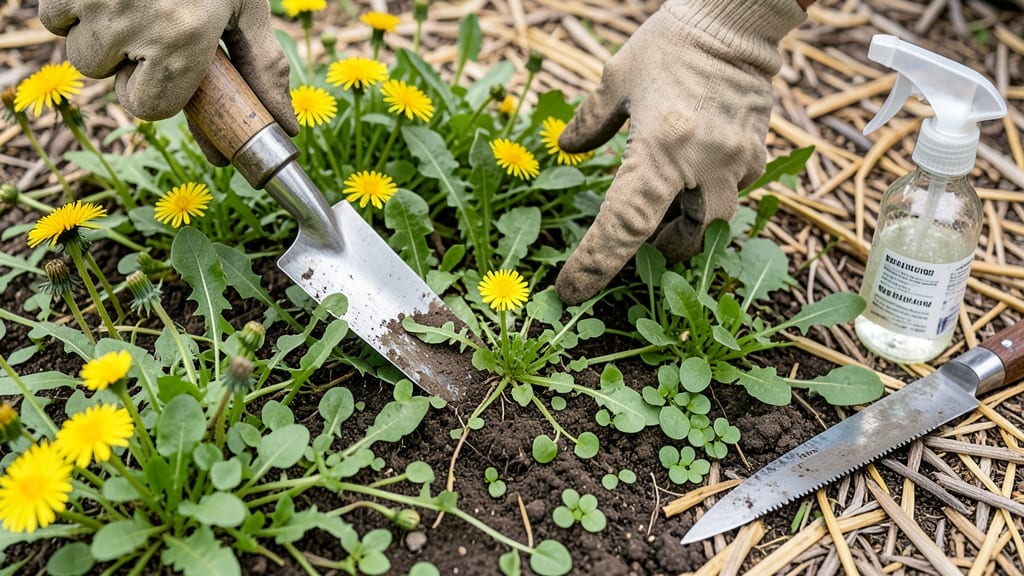
Big leaf weeds like dandelions and plantain turn your garden into a jungle faster than you can say "pull session." 🌱 I've spent years battling these stubborn invaders, and I've finally cracked the code on removal techniques that actually stop them from coming back—no regrowth, no wasted effort.
The key is targeting the roots properly and using the right tools for each weed type. A simple hand fork works wonders for dandelions, while a sharp hoe slices through plantain's fibrous network.
Most people quit too soon—you need to dig until you see pure soil, not just the first white root. By the end of this, your garden beds will stay clean for weeks instead of days.
You'll recognize the early signs of weed invasion and know exactly how to smother them before they spread. The secret? Consistency and the right timing—weed when soil is moist but not soggy. This works for any garden type, from raised beds to in-ground plots.
Let's get those weeds under control for good.
Root Causes Behind Leafy Invaders
Big leaf weeds in your garden don’t just appear out of nowhere—they’re the result of specific environmental and human factors working in their favor. Understanding these causes is the first step to stopping them before they take over.
Let’s break down the science behind why these uninvited plants thrive in your green space.
Big leaf weeds, like dandelions, plantain, and broadleaf weeds, love moisture. When your garden gets too much water—whether from overhead sprinklers, poor drainage, or excessive rainfall—you’re essentially creating a fertile breeding ground for these weeds. Here’s why:
- Excess moisture softens soil, making it easier for weed seeds to germinate and sprout quickly.
- Waterlogged conditions weaken your lawn or garden plants, giving weeds more sunlight and nutrients to dominate.
- Shallow root systems (common in many big leaf weeds) thrive in damp soil, while deeper-rooted plants (like grasses) struggle.
Actionable Fix:
- Water deeply but infrequently—aim for 1 inch per week (including rainfall).
- Improve drainage with sand or compost to prevent soggy patches.
- Use soaker hoses instead of sprinklers to target roots, not leaves.
Big leaf weeds flourish in partial shade because they’re opportunistic growers that outcompete slower-growing plants. When your garden has:
- Too many trees or shrubs blocking sunlight
- Dense mulch layers that smother grass but not weeds
- Newly planted areas where grass hasn’t established yet
Weeds like chickweed and lamb’s quarters take advantage of these gaps because they grow fast in low light compared to grasses.
Actionable Fix:
- Thin out overgrown plants to let sunlight reach the soil.
- Choose shade-tolerant grasses (like fine fescue) if full sun isn’t an option.
- Pull weeds early before they drop seeds in shaded spots.
Heavy foot traffic, machinery, or clay-heavy soil can compact the ground, making it hard for grass roots to spread while leaving space for weeds.
Compacted soil: - Reduces oxygen flow to grass roots, weakening them. - Allows weed seeds to lodge closer to the surface, where they germinate easily. - Prevents proper water absorption, leading to dry spots where weeds thrive.
Actionable Fix:
- Aerate your lawn in spring or fall to break up compaction.
- Top-dress with compost to improve soil structure.
- Avoid walking on wet grass to prevent further damage.
Weeds don’t just appear—they take over when you’re not paying attention.
Common neglect factors include: - Skipping mowing (tall grass = more shade = weed growth). - Not removing weeds before they seed (one dandelion can produce 15,000 seeds per year!). - Using mulch too thickly (weeds like bindweed can grow through thick layers).
Actionable Fix:
- Mow regularly (set blades to 3–4 inches for grass health).
- Hand-pull weeds before they flower (gloves help!).
- Use pre-emergent herbicides in early spring to stop seeds from sprouting.
Weeds often outcompete plants because they grow faster in nutrient-rich soil. Common imbalances include:
- Too much nitrogen (from fertilizers) → Weeds like crabgrass grow aggressively.
- Low phosphorus → Weak grass roots can’t fight back.
- High organic matter (like unbalanced compost) → Encourages broadleaf weeds.
Actionable Fix:
- Test your soil (DIY kits are affordable) and adjust nutrients accordingly.
- Use slow-release fertilizers to avoid overfeeding weeds.
- Avoid grass clippings as mulch—they can introduce weed seeds.
Birds, squirrels, and even wind can unintentionally plant weed seeds in your garden. Some weeds (like bindweed) even hitchhike on tools or clothing.
If you’ve noticed: - Sudden weed outbreaks in new areas - Weeds popping up after rain (windborne seeds) - Chewed-up lawn edges (animals may have buried seeds)
Actionable Fix:
- Clean tools and shoes after working in weedy areas.
- Use bird netting if seed-spreading birds are a problem.
- Remove weeds before they go to seed to stop spread.
Big leaf weeds don’t randomly take over—they exploit weaknesses in your garden’s balance. By addressing water, sunlight, soil health, and maintenance, you can starve them out before they become a full-blown problem. Next up: How to remove them without triggering regrowth (spoiler: it’s not just pulling!).
Targeted Weed Control Strategies
Now that you know why those stubborn big leaf weeds keep popping up in your garden, it’s time to tackle them head-on with precision. The key is matching the right solution to the cause—whether it’s aggressive spread, poor soil health, or missed spots.
Below are practical, step-by-step fixes, organized by the most common triggers, plus prevention tips to keep your garden weed-free long-term.
If weeds thrive because your garden is too dense or lacks sunlight, the fix starts with light and space management.
🔥 Step 1: Hand-Pull or Dig Out Established Weeds
- Best for: Large, deep-rooted weeds like dandelions, plantain, or broadleaf weeds with thick stems.
- How to do it:
- Wait for soil to be moist (after rain or watering) to make pulling easier.
- Grab the base of the leaf (not just the top) and wiggle gently to loosen roots.
For tough weeds, use a weeding tool or digging fork to pry them out. - Pro tip: 💡 Wear gloves—some weeds (like stinging nettle) can irritate skin!
🍳 Step 2: Aerate Compacted Soil
- Why? Compacted soil prevents water and nutrients from reaching desired plants, giving weeds an advantage.
- How to do it:
- Use a garden fork or aerator to poke holes 6–8 inches deep.
- Mix in 2–3 inches of compost to improve drainage and root growth for your plants.
- Pro tip: ✨ For heavy clay soil, add sand or perlite to help break it up.
👨🍳 Step 3: Boost Sunlight for Desired Plants
- Quick wins:
- Prune overgrown shrubs or trees casting shade.
- Remove low-hanging branches blocking sunlight.
- For containers: Move pots to sunnier spots or use reflective mulch (like white gravel) to bounce light onto plants.
🌡️ Prevention: Mulch Like a Pro
- Apply 2–4 inches of organic mulch (straw, wood chips, or shredded leaves) to block sunlight and smother weeds before they sprout.
- Avoid thick layers—too much mulch can suffocate soil and attract pests.
Weeds like dandelions and chickweed love soggy soil. If your garden stays damp, adjust watering and improve drainage.
🔥 Step 1: Fix Water Pooling
- Check for:
- Low spots where water collects.
- Clogged gutters/downspouts directing water toward garden beds.
- Fix it:
- Level uneven ground with soil or sand.
- Install French drains or swales (shallow trenches) to redirect water.
🍳 Step 2: Adjust Watering Habits
- Water deeply but less frequently (1–2 inches per week) to encourage deep plant roots and discourage weed seeds from germinating.
- Avoid overhead watering—it spreads weed seeds and keeps soil damp too long.
- Pro tip: 💡 Use a soaker hose or drip irrigation to target plants directly.
👨🍳 Step 3: Improve Soil Drainage
- For clay-heavy soil:
- Mix in compost + coarse sand (50/50 ratio) to improve aeration.
- For containers:
- Ensure pots have drainage holes and use well-draining potting mix.
🌡️ Prevention: Let Soil Dry Between Waterings
- Test moisture by sticking your finger 1 inch into the soil—water only if it’s dry.
- Use raised beds if your yard has poor drainage naturally.
Weeds often take over when your garden lacks nitrogen, phosphorus, or organic matter.
🔥 Step 1: Conduct a Soil Test
- Why? Over- or under-fertilizing can fuel weed growth (e.g., high nitrogen = lush weeds).
- How:
- Buy a DIY soil test kit ($10–$20) or send a sample to a local extension office.
- Fix based on results:
- Low nitrogen? Use compost, fish emulsion, or a balanced fertilizer (10-10-10).
- Low phosphorus? Add bone meal or rock phosphate.
- Compacted soil? Amend with peat moss or coconut coir.
🍳 Step 2: Apply Pre-Emergent Herbicides (Strategically)
- Best for: Preventing new weed seeds from sprouting (not killing existing weeds).
- How:
- Apply pre-emergent granular herbicide (like corn gluten meal) before weed seeds germinate (early spring).
- Spot-treat problem areas (e.g., around sidewalks or driveways).
- Pro tip: ⏰ Reapply every 3–6 months for best results.
👨🍳 Step 3: Use Organic Weed Barriers
- Landscape fabric (short-term) or cardboard + mulch (long-term) can block weed seeds from reaching the soil.
- For containers: Line pots with landscape fabric before adding soil.
🌡️ Prevention: Plant a Weed-Suppressing Ground Cover
- Fast-growing options:
- Clover (fixes nitrogen).
- Creeping thyme (drought-tolerant).
- Vinegar (Pachysandra) (shade-loving).
- Bonus: These outcompete weeds for sunlight and nutrients.
Some weeds (like bindweed or nutgrass) regrow from tiny root fragments. For these, aggressive methods are needed.
🔥 Step 1: Vinegar or Boiling Water Treatment
- Best for: Small patches of broadleaf weeds (not grass).
- How:
- Mix 1 gallon white vinegar + 1 oz dish soap in a spray bottle.
- Spray directly on leaves (avoid desired plants—it’s non-selective!).
- For stubborn weeds: Pour boiling water over the base.
- Repeat every 3–5 days until dead.
🍳 Step 2: Smother with Black Plastic or Newspaper
- Best for: Large infestations (e.g., bindweed, creeping Charlie).
- How:
- Lay black plastic sheeting or wet newspaper over the area.
- Secure with rocks or bricks to block sunlight for 4–6 weeks.
- Pro tip: 🔪 Dig up remaining roots after smothering.
👨🍳 Step 3: Solarization (For Serious Cases)
- Best for: Tropical weeds (like nutgrass) in warm climates.
- How:
- Water the area thoroughly.
- Cover with clear plastic sheeting (secured tightly).
- Leave for 4–6 weeks in sunny weather—heat will kill roots and seeds.
🌡️ Prevention: Monitor & Strike Early
- Inspect beds weekly for new sprouts.
- Pull weeds when small—larger ones have deeper roots.
- Avoid tilling—it buries weed seeds and brings them back to the surface!
- 💡 Time it right: Weed when soil is moist but not muddy (early morning or late afternoon).
- 🔥 Tool up: A hula hoe or weeding knife makes quick work of large areas.
- 🌱 Plant strategically: Use dense ground covers or close-spaced perennials to leave no room for weeds.
- ✨ Stay consistent: Weed control is ongoing—even the healthiest gardens need maintenance!
By matching the right method to the cause, you’ll **eliminate big leaf
Frequently asked questions
Why do big leaf weeds keep coming back even after pulling?
Many big leaf weeds like dandelions and plantain have deep taproots that fragment easily. If you don't remove the entire root system—especially the white, carrot-like root—new shoots will sprout from remaining pieces. Use a weeding fork to dig until you see pure soil, not just the first white root. For stubborn weeds, try a vinegar solution (1 gallon vinegar + 1 oz dish soap) applied directly to the base.
Can I use vinegar to kill big leaf weeds without harming my garden plants?
Vinegar is non-selective, so it will kill anything green it touches. For targeted treatment, spray only on weeds (use a dropper or small spray bottle) and avoid windy days. For delicate plants, try boiling water or hand-pulling instead. Always test a small area first if you're unsure about your plants' sensitivity.
What’s the best time of year to prevent big leaf weeds?
Apply pre-emergent herbicides (like corn gluten meal) in early spring before weed seeds germinate. For organic control, solarize soil in late spring by covering with clear plastic for 4-6 weeks—this kills seeds and roots through heat. Fall is also ideal for hand-pulling before weeds go dormant.
How do I know if my soil is too compacted to support plants but not weeds?
Compacted soil feels hard when dry and sticky when wet. Press your finger 1 inch deep—if it barely goes in, your soil is compacted. Weeds thrive here because their shallow roots can't compete with deeper plants. Fix it by aerating (poke holes with a fork) and adding 2-3 inches of compost to improve structure.
Are there any big leaf weeds that actually benefit my garden?
Some weeds like clover fix nitrogen in the soil, improving plant health. Dandelions also attract pollinators early in the season. However, most big leaf weeds (plantain, chickweed) are purely opportunistic. If you want to keep beneficial weeds, spot-treat aggressive ones while leaving small patches of clover or dandelions in corners.