
Leaf Blower
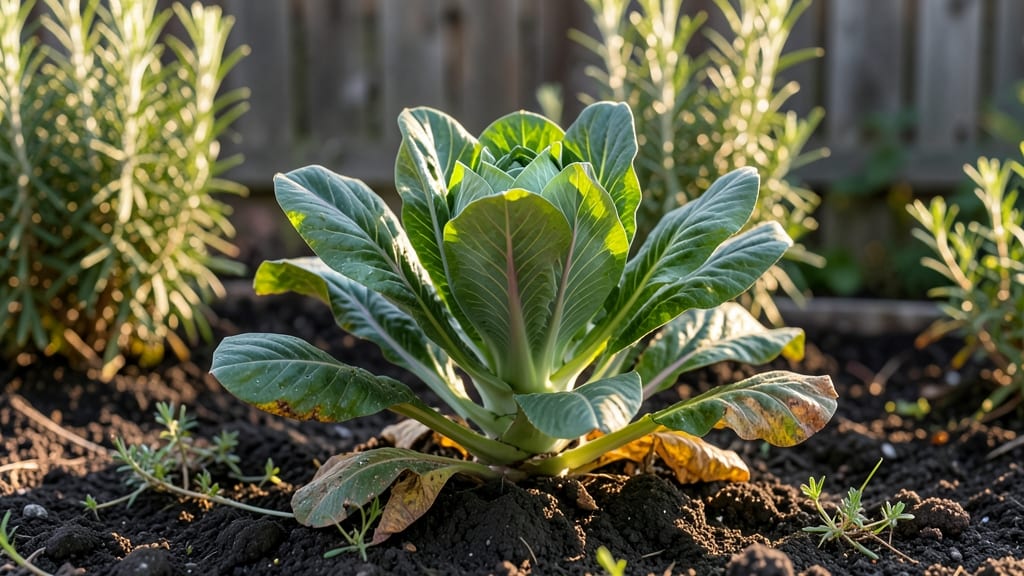
Bitter leafy greens in crossword clues often refer to plants like endive, dandelion, or rutabaga, which are known for their sharp, slightly bitter flavors and frequent appearances in puzzles.
Crossword clues love these greens because their bold flavors and unique names make them perfect for wordplay. 💫 Many of these plants, like endive or arugula, have French or Italian origins, which adds an extra layer of linguistic appeal for puzzle creators.
The bitterness factor also helps distinguish them from milder greens like spinach or lettuce, making them stand out in clues. I’ve noticed that crossword constructors often pair these greens with terms like "wild" or "bitter" to create clever hints.
These plants aren’t just crossword favorites—they’re also staples in cuisines worldwide. For example, dandelion greens are commonly used in salads and soups, while kale has gained popularity in modern health trends.
Their versatility in cooking and their distinctive taste profiles make them natural candidates for puzzles that require specific, memorable answers.
💡 In This Article
- Why Bitter Greens Appear in Crossword Clues
- Top 10 Bitter Leafy Greens for Crossword Solvers
Why bitter greens appear in crossword clues
Crossword constructors adore bitter leafy greens because their distinctive flavors and linguistic versatility create perfect puzzle-friendly wordplay. Botanically, these greens often contain glucosinolates—compounds that break down into bitter-tasting chemicals like sinigrin (found in mustard greens) or lactucin (in endive).
This natural bitterness isn't just a culinary trait; it's a chemical signature that makes these plants instantly recognizable in clues. 🌿 For example, a clue like "Bitter salad green (5 letters)" would likely point to "endive," whose name and flavor profile fit neatly into crossword grids.
The historical and cultural significance of these greens adds another layer to their crossword appeal. Many, like dandelion and arugula, have roots in European peasant cuisine, where they were foraged for their hardy, nutrient-rich qualities.
This history creates a nostalgic connection that puzzle creators can leverage—think clues referencing "wild greens" or "foraged plants." Additionally, their French and Italian origins (e.g., "endive" from endive in French) provide linguistic richness that crossword constructors love to exploit, especially in clues that play on etymology or multiple meanings.
From a mechanical standpoint, bitter greens often have short, punchy names that fit well in crossword grids. Take kale, for instance—a six-letter word that's both a culinary staple and a modern health buzzword.
Its bitterness is well-documented (thanks to compounds like glucoraphanin), making it a reliable answer for clues about "tough green" or "superfood." The contrast between their harsh taste and mild-sounding names (like "rutabaga") creates a delightful cognitive dissonance that makes these answers memorable for solvers. 💡
Crossword constructors also favor these greens because they stand out against milder alternatives. While spinach or lettuce might fit a clue about "leafy green," they lack the distinctive bitterness that makes answers more satisfying.
This is why you'll often see bitter greens paired with adjectives like "wild," "sharp," or "pungent" in clues—these descriptors help narrow down the answer while keeping the puzzle engaging.
The textural contrast matters too; greens like mustard greens have a slightly peppery bite, while dandelion greens offer a earthy, almost nutty profile, both of which translate well into crossword wordplay.
Consider the botanical family these greens belong to—many are Brassicaceae (like kale, mustard greens, and arugula), which share chemical compounds that contribute to their bitterness. This shared lineage creates thematic consistency in crossword clues, allowing constructors to play on botanical knowledge.
For example, a clue about "cabbage relative" might lead to "kale" or "collard greens," both of which have noticeable bitterness and fit neatly into the puzzle's structure. This scientific connection adds depth to the clues, rewarding solvers who recognize the culinary and botanical relationships between these plants. 🌱
Finally, the global popularity of bitter greens in modern diets makes them timely and relevant for crossword clues. As health trends have elevated greens like kale and arugula to "superfood" status, constructors can tap into this cultural moment with clues that reflect contemporary interests.
The bitterness itself becomes a marketing hook—it signals nutritional density and authenticity, qualities that resonate with today's crossword-solving audience. This blend of tradition and trendiness is why bitter greens remain a staple in puzzle grids, offering both nostalgic charm and modern appeal.