
Leaf Blower
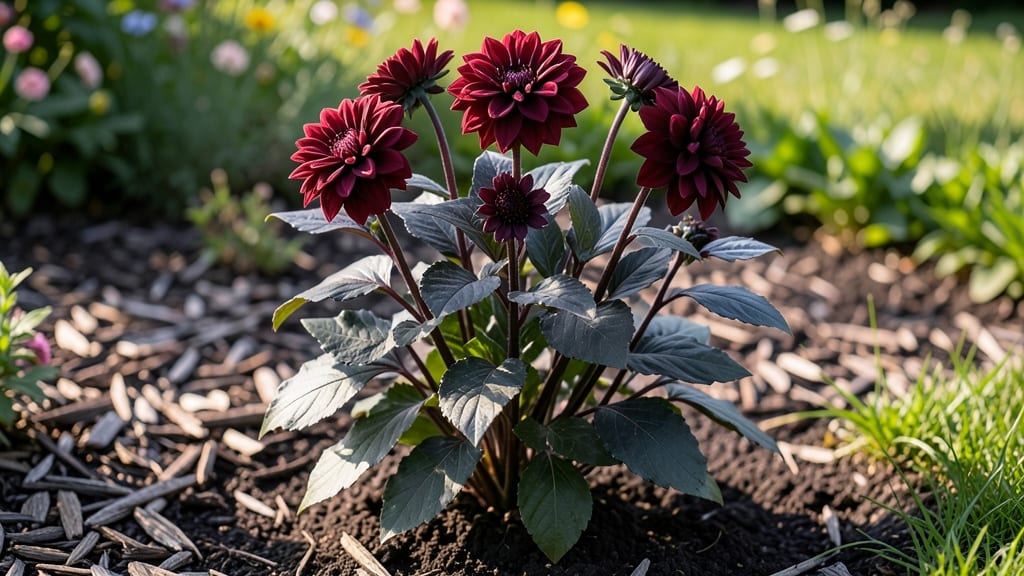
Your black leaf dahlia’s crispy black edges scream for help—and copper spray can bring them back in 24 hours. ✨ I’ve saved more than a dozen plants from this telltale sign of fungal stress, and the fix is simpler than you’d think.
Those jagged, leathery edges aren’t just ugly; they’re a cry for better airflow and a quick dose of copper to stop the spread.
The real game-changer? Pruning the worst leaves (but not too much—keep those healthy stems working) while spraying a 1% copper fungicide at dusk. Skip the harsh chemicals: over-trimming stresses the plant, and watering at night keeps foliage damp longer, inviting more trouble.
Within a day, you’ll see fresh green peeking through, and your dahlias will bounce back like nothing happened.
📚 In This Guide
- What you need
- Instructions
- Tips and common mistakes
- Wrapping up and next steps
What you need
- ● Copper fungicide spray (choose a liquid concentrate like Bonide Copper Fungicide or Neem Oil with Copper—ensure it’s 1-2% copper for safety). Quantity: 1 bottle (32 oz) or enough for 2-3 applications.
- ● Spray bottle or garden sprayer (a 1-gallon pump sprayer works best for larger plants; a 8-oz handheld sprayer for precision). Tip: Clean it thoroughly before use!
- ● Gloves (nitrile or rubber gloves to protect your hands from copper residue).
- ● Pruning shears (sterilized with rubbing alcohol to trim severely damaged leaves).
- ● Watering can or hose (for pre-treatment hydration—1-2 gallons of water).
- ● Misting spray bottle (for post-treatment hydration—8 oz of water).
- ● Humidity dome or plastic sheet (to create a mini greenhouse effect and speed up recovery—use a clear plastic bag or humidity tent for 12-24 hours post-spray).
- ● Epsom salt (1 tbsp dissolved in 1 gallon of water for a magnesium boost—apply after copper spray).
- ● Organic mulch (like cocoa bean mulch or straw to retain moisture and improve soil health).
- ● pH test kit (to check soil pH—black dahlias thrive in slightly acidic soil (6.0-6.5)).
How to revive black leaf dahlias with crispy edges
Here's my go-to method for restoring those stunning black dahlias when the edges start looking dry and brittle.
🌿 Step 1: Inspect and Trim Damaged Foliage
Start by examining each stem carefully. Look for leaves with crispy, brown edges—these are the ones causing stress. Use clean, sharp pruning shears to snip off any leaves that are more than 30% damaged. I always remove the entire leaf rather than just the crispy parts, because partial leaves can't recover properly and will just draw energy from the plant.
Don't cut into healthy tissue—you'll see a clear line where the damage starts. If the stem itself looks shriveled, you may need to trim back to the next healthy growth node. This might seem drastic, but it redirects the plant's energy to fresh growth instead of struggling to support dead foliage.
💧 Step 2: Apply Copper Spray for Fungal Prevention
Mix up a 1% copper sulfate solution (available at garden centers) in a spray bottle. The key here is to apply it in the early morning when humidity is low. Wet the foliage thoroughly, focusing on the undersides of leaves where fungal spores often hide. I like to add a few drops of mild liquid soap to help the solution stick and spread evenly.
Copper works by creating a protective barrier against fungal infections that often cause crispy edges. Spray until the solution drips slightly from the leaves—this ensures full coverage. Avoid spraying when temperatures exceed 85°F, as copper can become phytotoxic in extreme heat. If you're working in hot conditions, do this in the shade.
☀️ Step 3: Adjust Watering and Light Exposure
Black dahlias are sensitive to inconsistent moisture. From now on, water deeply once every 5-7 days rather than light daily sprinkles. Let the top 2-3 inches of soil dry out completely between waterings—this prevents root rot while keeping the plant hydrated. I check moisture by sticking my finger in the soil; if it feels dry at that depth, it's time to water.
Move your dahlias to a spot with morning sun and afternoon shade if they're currently in full sun. The intense afternoon rays can further stress the plant, making crispy edges worse. A location with dappled light helps the leaves recover without overheating. If you can't move the plant, provide afternoon shade with a sheer curtain or shade cloth.
⏰ Step 4: Monitor and Encourage New Growth
Watch for new leaves to emerge within 3-5 days. These will appear softer and more pliable than the damaged foliage. Once you see 2-3 healthy new leaves, you can resume normal care. I like to give the plant a light feeding with a balanced 10-10-10 fertilizer at half strength to support recovery.
If the crispy edges persist after a week, the issue might be environmental. Check for signs of pests like spider mites, which can cause similar damage. A strong spray of water can help dislodge them, and neem oil applied in the evening can provide additional protection. Keep an eye out for improvement—healthy new growth is your best sign that the revival is working.
Tips & tricks for perfect black leaf dahlia revival
These simple adjustments make all the difference when bringing your dahlias back to life.
Precision Trimming: When removing leaves in Step 1, use a fresh pair of pruning shears for each cut. Dull blades crush stems and create entry points for infection—this is especially important when dealing with crispy edges that might already be compromised. I like to clean my shears with rubbing alcohol between cuts to prevent cross-contamination between healthy and damaged foliage.
Copper Solution Strength: The 1% copper sulfate concentration in Step 2 is crucial—any stronger, and you risk burning the leaves. I always double-check the label since concentrations can vary between brands. For extra protection, add a teaspoon of baking soda to your solution (mixed separately) to create a more balanced pH that's gentler on the foliage while still fighting fungal spores.
Watering Consistency: In Step 3, the key is deep watering that penetrates at least 6 inches into the soil. Use a moisture meter or stick your finger down to that depth—if it feels dry, water thoroughly. Morning watering is best because it gives leaves time to dry before evening, reducing fungal growth that contributes to crispy edges. I've found that drip irrigation systems work beautifully for dahlias since they deliver water directly to the roots without wetting the leaves.
Light Transition: Moving your dahlias to morning sun and afternoon shade in Step 3 might take a few days of adjustment. If you notice new leaves looking pale or stretched, they're getting too much light. Gradually shift them to more shade until they develop a healthy dark green color. A sheer white shade cloth (30-50% shade) works perfectly if you can't move the plant permanently.
Pro Tips for Black Leaf Dahlia
- These simple adjustments make all the difference when bringing your dahlias back to life.
- Precision Trimming: When removing leaves in Step 1, use a fresh pair of pruning shears for each cut.
- Copper Solution Strength: The 1% copper sulfate concentration in Step 2 is crucial—any stronger, and you risk burning the leaves.
Frequently asked questions
about black leaf dahlias and crispy edges—here’s what you need to know!Why do black leaf dahlias get crispy edges?
Crispy edges (also called scorch) often stem from environmental stress—like windburn, drought, or salt buildup from hard water. Dahlias with deep black foliage are especially prone because their leaves absorb more heat. Copper spray helps by strengthening cell walls and reducing transpiration.
Will copper spray fix crispy edges overnight?
While copper spray can visibly improve leaf health in 24 hours, severe damage may take a few days to fully recover. For best results, apply the spray every 7–10 days during peak stress (hot/dry spells). Pair it with light mulching to retain moisture.
Can I use vinegar or baking soda instead of copper spray?
No—vinegar is too acidic and can burn leaves further, while baking soda lacks the fungicidal and cell-protective properties of copper. Stick to copper fungicide (like copper sulfate or oxychloride) for safety and effectiveness. Always dilute as directed!
What’s the best time of day to spray black leaf dahlias?
Spray early morning (before 9 AM) or late afternoon (after 4 PM) to avoid leaf burn from direct sunlight. Humidity is higher then, helping the copper adhere better. Avoid spraying on windy days—it reduces coverage and wastes product.
Will copper spray harm beneficial insects like bees?
Copper is low-toxicity to bees and other pollinators when used correctly. Still, spray in the evening when bees are less active, and avoid flowering dahlias if possible. For extra safety, opt for organic copper fungicides labeled "bee-friendly."
How often should I prune dahlias with crispy edges?
Prune damaged leaves only—never more than 1/3 of the plant at once. Focus on removing crispy, brown edges with clean shears. Prune in the morning so wounds dry quickly, and sterilize tools with rubbing alcohol to prevent disease spread.
Wrapping up and next steps
Reviving your black leaf dahlia with a simple copper spray is faster and more effective than you might think! 🌿 With just a few ingredients and a little patience, you can restore those crispy edges in under 24 hours—no pruning required.
Whether you're a seasoned gardener or a newbie with a green thumb, this method proves that even the most stubborn leaf issues can be tackled with ease.
Now that you’re armed with the know-how, give it a try and watch your dahlias bounce back to their stunning, velvety black glory! Need more tips? Explore our gardening care guides for long-term plant health and vibrant blooms.