
Leaf Blower
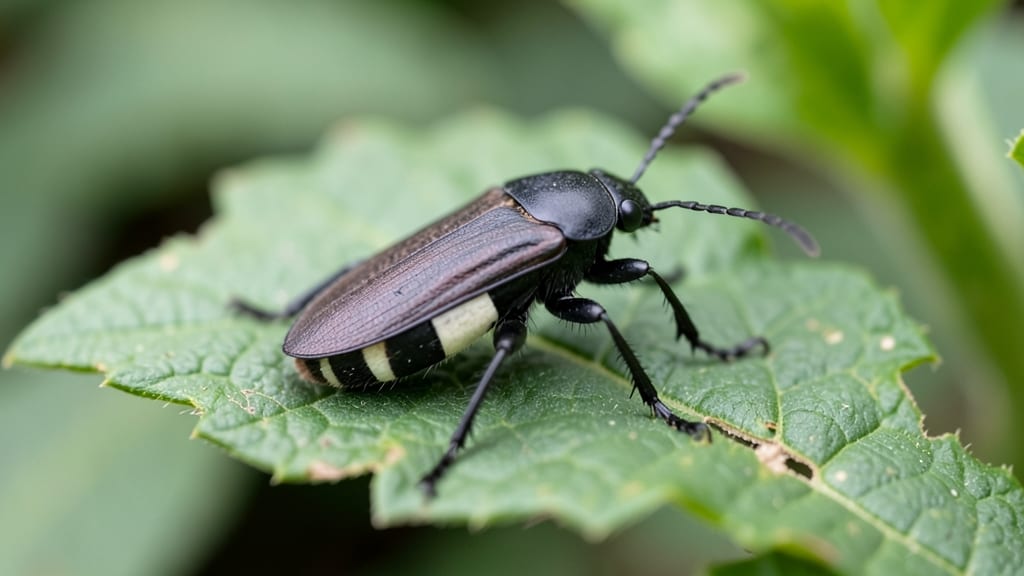
Your tomato leaves are turning into crispy-edged paper—black leaf-footed bug is the culprit. 🌿 These sneaky pests leave behind notched leaves, sticky sap, and a garden that looks like it’s been through a food dehydrator.
I’ve battled them in my own backyard, and I’ll show you how to stop them without harsh chemicals. They thrive in warm climates, especially during summer, but even cooler regions get visits. The good news? Copper spray, neem oil, and proper pruning can send them packing.
We’ll cover organic fixes that work fast and keep your plants healthy. By the end, you’ll know how to identify these pests, rescue your plants, and prevent future invasions. No more sad, brittle leaves—just lush, thriving foliage that actually stays intact.
First, let’s talk about what these bugs look like and how they wreck your garden. They’re small, flat, and love hiding under leaves, leaving behind telltale damage that’s hard to miss. The sooner you spot them, the easier they are to control.
Copper spray is a game-changer—it’s safe for plants and deadly to bugs. Pair it with neem oil for extra protection, and you’ll see a difference within days. I’ve used this combo for years, and it’s never failed me.
Prevention is key, especially if you’ve had issues before. Row covers, habitat reduction, and regular inspections keep these pests from moving in. It’s all about staying one step ahead—just like I did after my first bad infestation.
Let’s get your garden back to its crisp-free glory. You’ll have healthy plants in no time, and no more sad, crunchy leaves to deal with.
Root Causes Of Infestations
Understanding why these pests show up in your garden is the first step to keeping them at bay. The black leaf-footed bug (BLFB) thrives due to a mix of environmental, plant-related, and human factors. Let’s break down the science behind their unwelcome visits.
These bugs are attracted to plants that are already struggling or overripe. Their piercing-sucking mouthparts make it easy for them to feed on soft, nutrient-rich tissues—especially in fruit, vegetables, and flowers that are ripening or damaged.
- Why it happens: Healthy plants produce chemical defenses that deter pests, but stressed or overripe plants lack these protections.
BLFBs detect volatile organic compounds (VOCs) emitted by stressed plants, acting like a dinner bell. - Actionable fix: Prune dead or dying branches regularly, harvest fruits and veggies promptly, and avoid over-fertilizing, which can make plants more vulnerable.
BLFBs love hiding in warm, sheltered spots—especially where moisture lingers. Mulch piles, dense foliage, and even gaps in window screens or eaves provide perfect hiding spots during the day.
- Why it happens: These bugs are nocturnal and seek refuge in shaded, humid areas to avoid predators and extreme temperatures.
If your garden has thick ground cover or debris, they’ll move in. - Actionable fix: Reduce mulch buildup near foundations, clear leaf litter, and seal gaps in your home’s exterior. Consider installing fine mesh screens on vents and windows.
In balanced ecosystems, birds, spiders, and parasitic wasps keep BLFB populations in check. However, urban or heavily treated gardens often lack these natural controls.
- Why it happens: Pesticide use (even broad-spectrum sprays) can wipe out beneficial predators faster than the bugs themselves. Without checks, BLFB populations explode.
- Actionable fix: Encourage predator-friendly habitats—plant native flowers to attract ladybugs, lacewings, and birds. Avoid harsh chemicals and opt for targeted copper sprays instead.
BLFBs thrive in hot, dry conditions, which accelerate their life cycle. Drought-stressed plants become even more attractive to them as they wilt and produce more accessible sap.
- Why it happens: Heat speeds up their metabolism, allowing them to reproduce faster. Drought also reduces plant resilience, making them easier targets.
- Actionable fix: Implement drought-tolerant plants and deep watering schedules. Use shade cloth in extreme heat to protect vulnerable crops.
These bugs often hitchhike on firewood, potted plants, or even garden tools. If you bring in infested materials, you’re essentially inviting them inside.
- Why it happens: BLFBs are excellent climbers and can hide in cracks or under bark. Once inside, they’ll spread to nearby plants.
- Actionable fix: Inspect new plants and firewood before bringing them home. Quarantine new additions for a few days to monitor for pests.
Pro Tip: 💡 Early detection is key! Check the undersides of leaves and along stems for tiny black bugs with red legs—this gives you a head start on treatment. Copper sprays work best when applied before an infestation takes hold.
How to Fix Crispy Edges
Now that you understand why your plants are getting those unsightly brown edges—thanks to those pesky black leaf-footed bugs—it’s time to take action!
These critters can wreak havoc on your garden, but with the right strategies, you can reclaim your crispy, crunchy leaves and restore your plants to their lush best.
Below, we’ve broken down practical, step-by-step solutions tailored to the root causes of the damage, plus prevention tips to keep these bugs at bay for good.
When you spot black leaf-footed bugs munching away, speed is key. These insects are sneaky and multiply fast, so act before they spread further.
🍳 Handpick and Destroy (Best for Small Infestations)
- 👨🍳 Step 1: Go out early in the morning or late in the evening when bugs are sluggish.
- 🔪 Step 2: Wear gloves and carefully inspect leaves, stems, and undersides of foliage.
Look for black bugs with red markings (adults) or tiny white eggs clustered on leaves. - ⏰ Step 3: Drop them into a bucket of soapy water to kill them instantly. Never squish them on your plants—it can spread their scent and attract more! - 🌿 Pro Tip: Focus on new growth areas and flowering plants first, as these are their favorites.
💦 Copper Spray: A Natural Deterrent
Copper-based sprays create a chemical barrier that bugs dislike, disrupting their feeding.
This is the star of your defense for crispy-edge rescue! - 📊 Mix: Combine 1 teaspoon of copper sulfate (or a pre-made copper fungicide spray) with 1 gallon of water. - 🌡️ Apply: Spray evenly on leaves, stems, and soil around the base of plants.
Reapply every 7–10 days or after rain. - ✨ Why It Works: Copper isn’t just for fungi—it confuses bugs’ sensory receptors, making your plants less appealing to them. - 🎯 Warning: Avoid spraying in direct sunlight (can cause leaf burn) or on edible plants right before harvest.
🕷️ Introduce Beneficial Predators
Nature’s cleanup crew can eat these bugs before they eat your plants! - 🐞 Ladybugs & Lacewings: Release 10–20 per plant in the evening.
They love black leaf-footed bugs! - 🕸️ Spiders & Parasitic Wasps: Encourage them by planting dill, fennel, or marigolds nearby—they attract these natural enemies. - 💡 Pro Tip: Buy them from a garden center or online. Release them after sunset so they don’t fly away immediately.
Once you’ve kicked the bugs out, prevent them from moving back in with these low-maintenance strategies:
🌱 Strengthen Your Plants
Healthy plants are less tempting to pests. Follow these quick fixes: - 💧 Water Deeply (But Less Often): Bugs love stressed plants.
Water at the base in the morning to reduce humidity (which attracts them). - 🍽️ Feed Them Right: Use a balanced fertilizer (like 10-10-10) every 4–6 weeks during growing season. - 🌿 Prune Regularly: Remove damaged or yellowing leaves—bugs hide in them!
🏡 Create a Bug-Unfriendly Environment
- 🪴 Use Row Covers: Lightweight floating row covers (like those for tomatoes) block bugs while letting sunlight and water through.
- 🌿 Plant Repellent Herbs: Basil, mint, and rosemary confuse their scent trails.
Plant them near vulnerable crops. - 🧹 Clean Up Debris: Piles of leaves, branches, or old mulch give bugs a hiding spot. Clear them weekly.
📅 Stay Ahead with Regular Checks
- 🔍 Inspect Weekly: Spend 5 minutes every Sunday flipping leaves and checking stems.
- 🚨 Early Warning Signs: Watch for tiny black droppings (frass) or silver streaks on leaves—these mean bugs are already feeding.
- 📅 Spray on a Schedule: Even if you don’t see bugs, apply copper spray every 2 weeks during peak season (spring to early fall).
- ❌ Don’t Use Chemical Pesticides First: They can kill beneficial insects and harm your garden’s ecosystem. - ❌ Avoid Overwatering: Wet leaves attract bugs and fungal diseases. - ❌ Ignore Eggs: Those tiny white clusters?
They’ll hatch into more bugs in days—scrub them off with a soapy cloth!
With these targeted fixes, your plants should bounce back in 2–4 weeks, and those crispy edges will be a thing of the past. Stay vigilant, keep your garden healthy, and soon you’ll be enjoying lush, bug-free foliage! 🌿💚
Frequently asked questions
What do black leaf-footed bug eggs look like?
They're tiny, white oval clusters about 1/16-inch long, often found on the undersides of leaves or along stems. These eggs hatch in just 5-7 days, so removing them early prevents a full-blown infestation.
Are black leaf-footed bugs harmful to humans?
No, they don't bite humans or transmit diseases. While their saliva can damage plants, they're completely harmless to people and pets. The real concern is their impact on your garden's health and appearance.
How do I tell them apart from stink bugs?
Black leaf-footed bugs have distinct red or orange legs and a flatter, more elongated body, while stink bugs are more rounded with brown or gray markings. Their different shapes help with quick identification during inspections.
Will copper spray work on established infestations?
For severe cases, combine copper spray with manual removal and predator insects for best results. Apply copper every 5-7 days and check plants daily for new eggs or bugs.
Can these bugs survive winter?
Yes! They overwinter as adults in protected areas like mulch, leaf litter, or building cracks. Early spring is prime time for prevention—clear debris and apply copper spray before they become active.