
Diseases
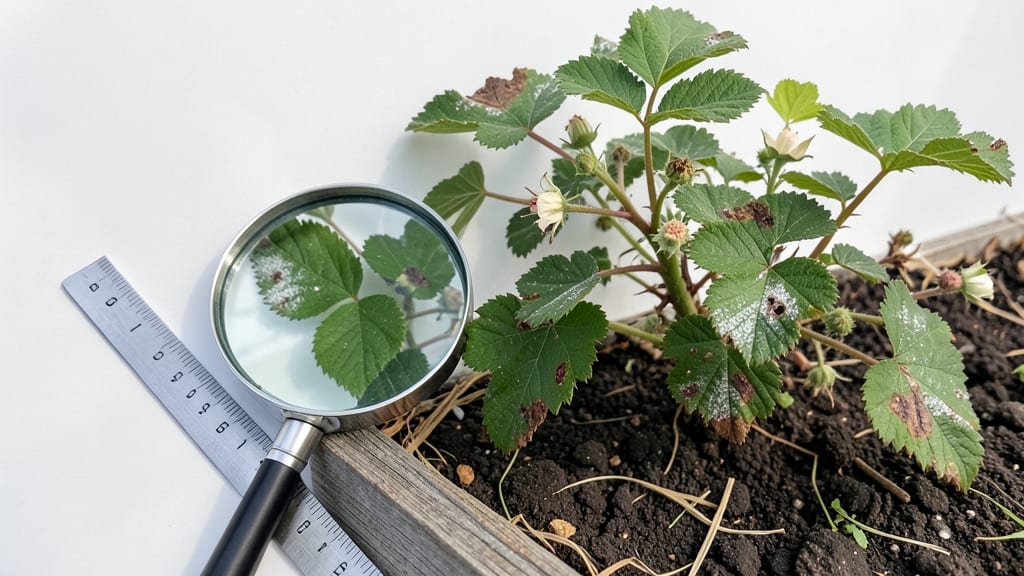
Blackberry leaf diseases turn vibrant foliage into a sad, spotted mess—🌿 but catching them early means your bushes can bounce back. I’ve seen anthracnose and rust ruin entire canes, but with the right eye and quick action, you can save your plants before they’re beyond help.
The worst offenders—like anthracnose and blackberry rust—start with tiny yellow spots that darken into dead patches. Fungal spores spread fast in damp conditions, so pruning infected leaves before they drop is your first line of defense.
I’ve had success with a 3% hydrogen peroxide spray (1 part peroxide to 3 parts water) to stop the spread without harsh chemicals.
Once you spot the problem, act fast: remove diseased canes completely, sterilize pruners, and improve airflow between plants. A baking soda spray (1 tbsp baking soda, 1 tsp dish soap, 1 gallon water) can prevent future outbreaks if applied every 2 weeks during wet seasons.
Prevention is easier than cleanup—just keep your bushes healthy with balanced fertilizer, proper spacing, and good drainage. The key is consistency: check leaves weekly during growing season, and you’ll catch issues before they spiral out of control.
Root Causes Of Leaf Trouble
Blackberry bushes are resilient, but their leaves are prime targets for fungal infections, bacterial attacks, and environmental stressors. Understanding why these issues arise is the first step to preventing them. Below, we break down the key culprits behind blackberry leaf diseases—so you can tackle the problem at its source.
Fungi thrive in damp, warm environments, and blackberries are no exception. The most common fungal diseases—like anthracnose and botrytis blight—spread rapidly when leaves stay wet for prolonged periods. Here’s why it happens:
- Poor Air Circulation: Dense foliage traps moisture, creating the perfect breeding ground for spores. Fungal spores land on leaves, germinate, and infect the plant within 24-48 hours if conditions are right.
- Overhead Watering: Splashing water from irrigation or rain can disperse fungal spores from soil or infected plant debris directly onto healthy leaves.
- High Humidity + Warmth: Temperatures between 60–80°F (15–27°C) with humidity above 75% accelerate fungal growth. Nighttime dew only worsens the problem.
- Weakened Plant Defenses: Stressed bushes (from poor soil, drought, or nutrient deficiencies) are more susceptible to fungal invasions.
💡 Pro Tip: Space plants properly (3–4 feet apart) and prune for airflow. Water at the base in the morning to allow leaves to dry quickly.
Bacterial diseases like bacterial leaf scorch and Xanthomonas exploit openings in the plant’s defenses. These pathogens don’t just appear—they’re often spread by:
- Physical Damage: Thorns, pruning cuts, or hail create entry points for bacteria. Even insect bites (like from Japanese beetles) can introduce infections.
- Contaminated Tools/Water: Pruners, trellises, or irrigation systems carrying bacterial cells from infected plants can spread disease to healthy ones.
- Splashing Rainwater: Heavy downpours can fling bacterial cells from soil or infected leaves onto new surfaces, causing leaf spot or cankers.
- Over-Fertilization with Nitrogen: Excess nitrogen promotes lush growth but weakens structural integrity, making leaves more vulnerable to bacterial invasion.
🔥 Action Step: Sterilize pruners with rubbing alcohol between cuts, and avoid wetting leaves during watering. Remove infected leaves immediately to prevent spread.
Not all leaf issues stem from pathogens—sometimes, the problem is environmental. Extreme conditions or poor growing practices can stress blackberries, making them prone to secondary infections:
| Stressor | How It Harms Leaves | Resulting Symptoms |
|---|---|---|
| Drought Stress | Lack of water disrupts nutrient uptake, causing cell damage and stunted growth. | Yellowing edges (chlorosis), brittle leaves, increased susceptibility to fungal infections. |
| Temperature Swings | Frost damage or sudden heat shocks kill leaf tissue, creating entry points for pathogens. | Brown patches, curling, or premature leaf drop. |
| Poor Soil Drainage | Waterlogged roots starve leaves of oxygen, leading to nutrient deficiencies. | Dark, mushy spots (phytoftora), stunted growth, or root rot spreading to leaves. |
| Nutrient Imbalances | Too little magnesium (Mg) or iron (Fe) causes interveinal chlorosis. | Yellowing between veins (common in alkaline soils), weak stems, and reduced disease resistance. |
✨ Fix It: Test soil pH (ideal: 5.5–6.5) and amend with compost or sulfur if needed. Mulch to retain moisture and regulate temperature.
Insects don’t just eat leaves—they damage them, leaving behind wounds that invite disease. Common culprits include:
- Japanese Beetles: Their feeding creates jagged leaf edges, exposing tissue to bacterial and fungal infections.
- Spider Mites: They suck plant sap, weakening leaves and making them prone to anthracnose.
- Thrips & Aphids: Their saliva contains toxins that stress plants, lowering resistance to pathogens.
- Blackberry Bud Mites: They distort new growth, preventing proper leaf development and increasing disease risk.
🎯 Prevention: Use row covers early in the season, introduce beneficial insects (like ladybugs), and apply horticultural oil or neem oil to deter pests before they cause damage.
Fixing Fungal and Bacterial Troubles
Blackberry bushes can fall victim to a variety of leaf diseases, but the good news is that most issues are manageable with the right approach. Below, we’ll break down practical solutions for common blackberry leaf diseases, tailored to their root causes—whether fungal, bacterial, or environmental.
Prevention tips are included to keep your berries thriving long-term!
Fungal infections like anthracnose, powdery mildew, and rust thrive in damp, warm conditions. Here’s how to tackle them:
🔥 Prune Infected Leaves (Early Action)
- Step 1: Identify and remove all infected leaves, stems, or canes showing yellowing, spots, or powdery growth.
- Step 2: Dispose of them in the trash (not compost)—fungi can survive in soil.
- Step 3: Sterilize pruners with 70% rubbing alcohol or a 10% bleach solution (1 part bleach to 9 parts water) between cuts.
🍳 Apply Fungicidal Sprays (Preventive & Curative)
Use copper-based fungicides or neem oil (organic option) every 7–10 days during wet seasons.
For severe cases: - Mix: 1 tbsp baking soda + 1 tsp dish soap + 1 gallon water (spray on leaves, avoid fruit). - Timing: Apply in the early morning so leaves dry quickly.
🌡️ Improve Air Circulation & Drainage
- Space plants 3–4 feet apart to reduce humidity.
- Mulch with straw or wood chips (not thick layers) to keep soil dry.
- Water at the base (avoid overhead sprinkling) to prevent fungal spores from splashing onto leaves.
Bacterial leaf spot and canker spread through water, tools, and insects. Prevention is critical—here’s how:
👨🍳 Remove and Burn Infected Plant Parts
- Step 1: Cut out all diseased canes or leaves—do not compost.
- Step 2: Burn them (if local laws allow) or bag them tightly for disposal.
- Step 3: Clean tools with bleach or alcohol after each use.
🔪 Use Copper Sprays (Only for Bacterial Issues)
- Product: Copper fungicide (e.g., Bordeaux mixture)—effective against bacteria.
- How to Use: Spray every 10–14 days during rainy seasons or when symptoms appear.
- ⚠️ Warning: Avoid spraying when berries are ripe (harvest within 3–5 days of application).
⏰ Rotate Planting Locations
- Problem: Bacteria linger in soil. Move blackberries to a new spot every 3–5 years.
- Tip: Plant in full sun (6+ hours/day) to dry leaves faster, reducing bacterial growth.
Sometimes, diseases flare up due to poor growing conditions. Fix these first:
💡 Adjust Watering Habits
- Overwatering? Let soil dry 1–2 inches deep between waterings.
- Underwatering? Water deeply 1–2 times per week (early morning is best).
- 🌡️ Pro Tip: Use drip irrigation to keep leaves dry.
🎯 Fertilize Smartly (Balance Is Key)
- Too much nitrogen? Leads to soft, disease-prone growth.
- Fix: Switch to a balanced fertilizer (10-10-10) or compost tea.
- Too little? Weak plants invite pests/diseases.
- Fix: Apply slow-release organic fertilizer in early spring.
✨ Strengthen the Plant’s Defense
- Mulch with pine needles (slightly acidic, deters fungi).
- Plant companion crops like marigolds or garlic to repel pests.
- Prune in late winter to improve airflow and sunlight penetration.
To keep blackberry leaf diseases at bay: ✅ Inspect plants weekly—catch issues early! ✅ Rotate crops—don’t plant blackberries in the same spot yearly. ✅ Buy disease-resistant varieties (e.g., ‘Arapaho,’ ‘Chester’). ✅ Clean up debris in fall to remove overwintering spores. ✅ Avoid overhead watering—use soaker hoses instead.
Final Thought: Most blackberry leaf diseases are preventable with good hygiene and proactive care. Act fast at the first sign of trouble, and your bushes will reward you with juicy, healthy berries all season! 🍇
Frequently asked questions
What are the first signs of blackberry leaf diseases I should watch for?
Start with tiny yellow spots or pale patches on leaves—these often signal fungal infections like anthracnose or rust. Look for dark brown or black spots with yellow halos (bacterial leaf spot) or powdery white coatings (mildew). Early detection is key: check leaves weekly during wet seasons.
Can I still harvest berries if the leaves have diseases?
It depends on the disease. For fungal infections (like anthracnose), avoid eating berries from infected canes—they may harbor spores. With bacterial diseases (e.g., Xanthomonas), berries can be safe if only leaves are affected, but wash thoroughly. Always remove diseased leaves first to protect future crops.
How do I know if my blackberry plant has a fungal or bacterial infection?
Fungal diseases (like rust or powdery mildew) often show up as powdery coatings or spots with fuzzy edges, while bacterial infections (e.g., leaf spot) create water-soaked spots that darken with yellow borders. Fungal spots may have concentric rings, while bacterial spots often oozes in wet conditions.
Will homemade sprays (like baking soda) really work against blackberry leaf diseases?
Yes! A baking soda spray (1 tbsp baking soda + 1 tsp dish soap + 1 gallon water) is effective for preventing fungal diseases like powdery mildew. For existing infections, use it every 7–10 days during wet weather. For bacterial issues, opt for copper fungicide instead—it’s more targeted. Always spray in the early morning for best results.
Can I save my blackberry bushes if they’re already heavily infected?
It’s possible, but act fast! Prune all infected canes back to healthy growth, sterilize tools, and apply copper-based fungicide or neem oil. Improve airflow by spacing plants wider and mulching with pine needles. For severe cases, consider replacing the plant—some diseases (like bacterial canker) can persist in soil.