
Pests and Diseases
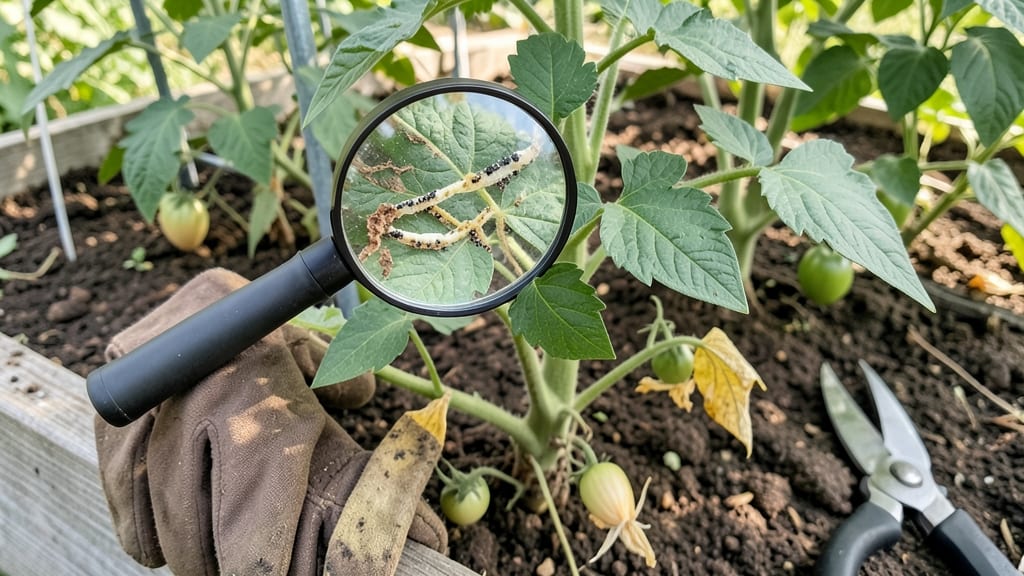
Blotch leaf miners turn your plants' leaves into a minefield of white tunnels and brown blotches—and they strike fast. 🌿 I’ve watched these tiny pests transform lush foliage into skeletal remains in just days, but the good news is organic sprays can reverse the damage in 72 hours if you act quickly.
The culprits—tiny maggots—hide inside leaves, feeding on chlorophyll until your plants look like they’ve been attacked by a swarm of hungry caterpillars. Common hosts include tomatoes, peppers, and basil, but they’ll hit almost any leafy plant if conditions are right.
The key to stopping them? Early detection and targeted sprays that smother them without harming your plants. With the right mix of neem oil, insecticidal soap, and a homemade spray, you’ll see miners drop off within 24-48 hours, and new growth will emerge spotless in days.
The secret is consistency—spray every 3-5 days until you’ve broken their life cycle. This method works for vegetable gardens, container plants, and even houseplants—no harsh chemicals needed. Let’s get those leaves looking healthy again.
Understanding hidden leaf invaders
When your plants start showing mysterious blotches, serpentine trails, or patches of discolored tissue beneath the leaves, you’re likely dealing with a larval pest that thrives in the shadows.
These tiny troublemakers—often leaf miners—don’t just nibble on the surface; they carve out tunnels inside the leaf, disrupting photosynthesis and weakening your plants over time. But why do they strike? The answer lies in a mix of environmental triggers, plant vulnerabilities, and the pests’ own survival strategies.
Let’s break down the root causes of these sneaky infestations so you can outsmart them before they take hold.
Healthy plants are less appealing to leaf miners because their natural defenses—like tougher leaf structures, bitter compounds, or rapid healing—make it harder for larvae to establish themselves. When plants are stressed, however, they become easy targets. Here’s what weakens them:
- Nutrient Deficiencies:
Plants low in nitrogen (yellowing leaves), magnesium (interveinal chlorosis), or calcium (weak cell walls) are more susceptible. Leaf miners detect these deficiencies and lay eggs where the leaf is already compromised.
- Overwatering or Underwatering:
Both extremes create stress. Overwatered soil leads to soft, spongy leaves that larvae can chew through easily, while drought-stressed plants produce thinner leaves with less protective wax, making them prime real estate for egg-laying.
- Physical Damage:
Wind, hail, or even pruning wounds expose the leaf’s vascular system. Larvae are drawn to these entry points because they offer direct access to nutrients without triggering immediate plant resistance.
- Disease or Fungal Presence:
Leaves already infected with powdery mildew, rust, or bacterial spots are often colonized by leaf miners. The pests exploit the pre-existing damage, accelerating decay.
💡 Pro Tip: Conduct a soil test and leaf analysis to identify deficiencies. A balanced fertilizer (like a 10-10-10 NPK blend) or organic amendments (compost, worm castings) can boost plant resilience in as little as 2–3 weeks.
Leaf miners aren’t picky—they’re opportunistic. But they do thrive in specific conditions that mimic their natural habitats. These pests originate from warm, humid climates and are most active when:
| Factor | Optimal Range for Leaf Miners | Why It Matters |
|---|---|---|
| Temperature | 60–85°F (15–30°C) | Larvae develop fastest in this range. Below 50°F (10°C), their growth stalls; above 90°F (32°C), they may desiccate. |
| Humidity | 60–80%+ | High humidity preserves moisture in leaves, making them softer and easier to mine. Dry conditions slow larval activity. |
| Rainfall | Moderate to heavy (0.5–2 inches/week) | Rain spreads adult flies (their dispersal stage) and keeps soil moist, encouraging egg-laying on fresh, tender growth. |
| Sunlight | Partial shade to full sun | While they avoid direct, scorching sun, they prefer dappled light where leaves stay hydrated but aren’t overheated. |
🌡️ Actionable Fix: If your region is prone to these conditions, time your interventions. For example, apply neem oil sprays (which disrupt larval feeding) after rain but before temperatures peak in the afternoon.
Leaf miners don’t strike randomly—they follow a predictable life cycle that aligns with plant growth stages. Understanding their timeline helps you intercept them early:
- Adult Fly Emergence:
Adults (often resembling tiny, fruit flies) emerge in spring when host plants are new growth. They’re drawn to soft, young leaves—the perfect canvas for egg-laying.
- Egg-Laying Peak:
Females deposit eggs underneath leaves using a serrated ovipositor. They prefer the underside because it’s cooler and more humid, protecting the eggs from desiccation.
- Larval Hatching (Critical Window):
Eggs hatch in 3–7 days, and larvae begin mining immediately. This is the most vulnerable stage—larvae are not yet protected by leaf toughness.
- Pupation and New Generation:
After 2–3 weeks of tunneling, larvae drop to the soil to pupate. A single generation can produce 2–3 cycles per season in warm climates.
⏰ Strategic Timing: Monitor plants weekly in spring for new egg clusters (tiny white specks). Use yellow sticky traps to catch adult flies before they lay eggs.
Not all plants are equal in the eyes of leaf miners. These pests have favorite hosts based on leaf texture, sap composition, and chemical signals. Common targets include:
- Herbaceous Plants:
Basils, parsley, cilantro, and lettuce have thin, juicy leaves that larvae can tunnel through quickly. Their high water content is a buffet.
- Fruit Trees:
Peach, apricot, and plum trees are magnets because their new spring growth is nutrient-rich and tender. Miners can reduce fruit yield by 30–50% if unchecked.
- Ornamental Shrubs:
Boxwood, azaleas, and viburnums often host blotch leaf miners because their dense foliage provides shelter for larvae and adults alike.
- Vegetable Crops:
Spinach, Swiss chard, and kale are high-risk because their broad leaves offer ample surface area for egg-laying and mining.
🌱 Smart Planting Tip: Interplant repellent crops like marigolds (which emit
Discovering those telltale blotchy, serpentine mines on your plant leaves can feel like a nightmare—but don’t panic! With the right approach, you can restore your plants’ health in just 72 hours (or less) using organic, effective methods. Below, we break down solutions by cause, so you can act fast and prevent future outbreaks. If you spot leaves with visible tunnels or brown blotches, the first step is containment. Larvae hide inside these mines, so removing affected foliage stops the spread. Pro Tip: 💡 Check the undersides of leaves—larvae often pupate there before becoming adults. Once you’ve removed the worst of the damage, smother the remaining larvae with natural sprays. These work by suffocating or disrupting their life cycle without harsh chemicals. Neem oil is a larvicide and repellent that disrupts feeding and growth. It’s especially effective if you catch the problem early. Pro Tip: 🌡️ Apply in the early evening to avoid burning leaves in direct sunlight. This white, clay-based spray creates a protective film that repels adult flies before they lay eggs. It’s ideal for prevention but works well mid-outbreak too. Pro Tip: ✨ Mix with 1 tsp honey to attract beneficial insects (like ladybugs) that eat leaf miner eggs. For a quick kill of visible larvae, insecticidal soap breaks down their protective wax layer. It’s best used after removing major infestations. Caution: ⚠️ Test on a small leaf first—some plants (like succulents) are sensitive to soap. A healthy plant recovers faster and resists pests better. While treating the infestation, give your plants a nutritional boostQuick Fixes for Leaf Damage
🔹 Option 1: Neem Oil Blast (Best for Active Mines)
🔹 Option 2: Kaolin Clay Barrier (Prevents Egg Laying)
🔹 Option 3: DIY Insecticidal Soap (Fast Knockdown)
- 💪 Fertilize with:
- Balanced organic fertilizer (e.g., fish emulsion or compost tea).
- Extra silica-rich compost (like banana peels or rice hulls) to strengthen cell walls.
- 💦 Water wisely:
- Keep soil consistently moist (but not soggy) to encourage new growth.
- Avoid overhead watering—it spreads larvae. Use drip irrigation instead.
- ☀️ Optimize light:
- Ensure plants get 6+ hours of sunlight daily (leaf miners thrive in shaded, stressed plants).
Once your plants are clear, prevent reinfestation with these habits:
- 🕵️ Monitor regularly: Check leaves weekly (especially undersides) for early signs.
- 🐞 Encourage predators:
- Plant companion flowers like marigolds or dill to attract parasitic wasps (natural leaf miner enemies).
- Install beneficial insect habitats (e.g., ladybug houses).
- 🌿 Rotate crops: If growing veggies/herbs, avoid planting the same family (e.g., brassicas) in the same spot yearly.
- 🧹 Clean up debris: Remove fallen leaves and mulch where larvae pupate.
Pro Tip: 🎯 For high-risk plants (like tomatoes or peppers), use
Frequently asked questions about blotch leaf miners
What do blotch leaf miner larvae actually look like?
Blotch leaf miner larvae are tiny, translucent white maggots—about 1/8-inch long—that wriggle when disturbed. You’ll rarely see them directly; instead, look for their telltale serpentine tunnels or brown blotches between leaf veins. Adults resemble small fruit flies (about 1/16-inch) with clear wings.
How quickly can blotch leaf miners destroy a plant?
If left unchecked, these pests can skeletonize leaves in just 7-10 days, severely weakening plants. The damage compounds as larvae disrupt photosynthesis, causing stunted growth and reduced yields. Early intervention (within 48 hours of first signs) is critical to prevent permanent harm.
Will removing infested leaves stop the problem?
Removing leaves helps, but it’s only part of the solution. Larvae pupate in soil or leaf litter, so you must also apply neem oil or kaolin clay to break their life cycle. For severe cases, combine removal with weekly sprays for 2-3 weeks to catch new hatchlings.
Are there any chemical-free ways to prevent future outbreaks?
Yes! Start with companion planting (marigolds repel adults) and introduce beneficial predators like parasitic wasps or ladybugs. Maintain plant health with balanced fertilization and proper watering—stressed plants attract miners. Physical barriers (fine mesh over seedlings) also work well for high-risk crops.
Can blotch leaf miners affect indoor plants?
While less common, they can infest indoor plants like herbs or citrus trees if brought in accidentally. Monitor new plants for 3 weeks in quarantine. Use insecticidal soap sprays (tested first) and maintain humidity below 60% to discourage egg-laying.