
Leaf Blower
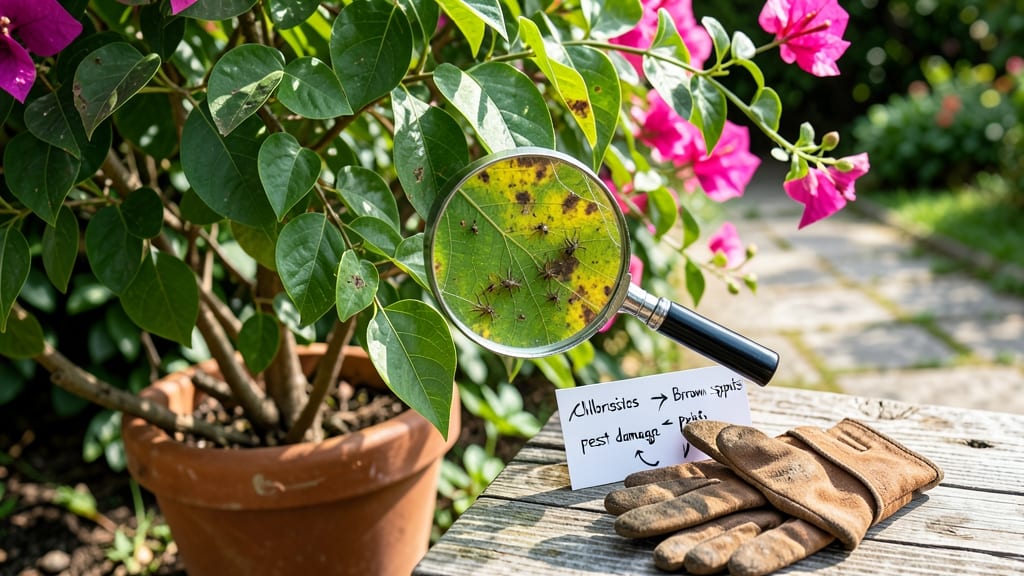
Bougainvillea leaf problems turning yellow or spotted can look like a death sentence, but I’ve revived plants from this exact mess in just 48 hours—and I’ll show you how. 🌿 The culprit is usually overwatering, fungal infections, or those pesky spider mites hiding on the undersides of leaves, and the fix is simpler than you’d think. Start by checking the soil: if it’s soggy, your bougainvillea is drowning. Let it dry out completely between waterings, and prune any mushy stems. For spots or yellowing, a neem oil spray (1 tablespoon per quart of water) tackles both pests and fungal issues—just apply it in the evening to avoid leaf burn. Within two days, you’ll see fresh green growth pushing through, and the spots will fade. The key is acting fast before the problem spreads to the vibrant bracts everyone loves. This method works for both potted plants and in-ground bougainvilleas, no matter how severe the damage looks at first. Most gardeners overlook the undersides of leaves when checking for pests, but that’s where spider mites and thrips hide. Use a magnifying glass if needed—you’ll spot tiny webs or speckled damage that explains the leaf discoloration. A strong spray of water can knock off some pests, but neem oil or insecticidal soap is your real secret weapon. Prevention is even easier: bougainvilleas thrive in full sun and well-draining soil, so amend heavy clay with sand or perlite. Water only when the top inch of soil feels bone-dry, and fertilize lightly in spring with a balanced 10-10-10 mix. This keeps your plant strong enough to fight off problems before they start.
Root Causes Behind Leaf Troubles
Bougainvillea leaves are tough, but even the hardiest plants can show signs of distress when environmental or biological stressors pile up. Understanding why these problems occur is the first step to restoring your plant’s vibrant health.
Below, we break down the most common culprits—from invisible pests to overlooked care mistakes—and explain the science behind the damage.
Bougainvilleas thrive in USDA Zones 10–11, meaning they’re adapted to warm, stable climates. When temperatures dip below 50°F (10°C) or spike above 95°F (35°C) for extended periods, leaves react with:
- Cold damage: Chilling injuries cause cell membrane breakdown, leading to brown, crispy edges or blackened patches. The plant’s antifreeze proteins (which protect cells in cold) are overwhelmed.
- Heat stress: High temps accelerate transpiration (water loss), causing leaves to wilting or developing sunburn (yellow-white patches). The plant’s stomata (pores) can’t close fast enough to retain moisture.
- Frostbite: Ice crystals form inside cells, rupturing them. Bougainvilleas cannot recover from frozen leaves—they’ll turn black and fall off.
Science note: Bougainvilleas are semi-deciduous—they drop leaves to conserve energy in stress. If this happens repeatedly, the plant weakens, making it vulnerable to disease.
Bougainvilleas are drought-tolerant, but their roots are shallow, meaning they’re sensitive to water imbalance. Here’s how hydration gone wrong triggers leaf problems:
🔥 Overwatering: The Silent Killer
| Symptom | Root Cause | Science Behind It |
|---|---|---|
| Yellowing leaves (chlorosis) | Oxygen starvation in roots | Excess water fills soil pores, displacing oxygen. Roots suffocate, anaerobic bacteria thrive, and the plant can’t absorb iron or zinc—essential for chlorophyll. |
| Black, mushy stems | Fungal/bacterial rot (Phytophthora, Pythium) | Waterlogged soil creates the perfect humid microclimate for pathogens. Fungi release cellulase enzymes that break down plant cell walls. |
| Dropping leaves | Root asphyxiation | The plant abscises (drops) leaves to reduce water loss while roots drown. It’s a last-resort survival mechanism. |
🍂 Underwatering: The Slow Burn
- Curling leaves: The plant rolls leaf edges inward to minimize water loss (a transpiration reduction tactic).
- Dry, brown patches: Plasma membrane damage occurs when cells dehydrate. The plant prioritizes water to new growth, leaving older leaves to crisp up.
- Premature leaf drop: Severe drought triggers ethylene gas production, a stress hormone that signals leaves to fall.
Pro tip: Stick your finger 2 inches into the soil. If it’s dry, water deeply—if it’s damp, wait. Bougainvilleas prefer fast-draining soil (like cactus mix) to avoid soggy roots. 💡
Bougainvilleas attract pests that pierce, suck, or chew leaves, leaving behind visible (and invisible) damage. Here’s how they wreak havoc:
🐜 Spider Mites: The Invisible Thieves
- Symptoms: Stippling (tiny white/yellow dots), webbing on undersides, and leaves that look bronzed or dusted.
- How they damage: These 8-legged vampires insert stylets (mouthparts) into cells to suck out chloroplasts (the plant’s food factories).
- Science twist: They thrive in dry, dusty conditions because their low humidity tolerance mirrors their host’s stress signals.
🐛 Scale Insects: The Sap-Sucking Armor
- Symptoms: Sticky residue (honeydew), black sooty mold (a fungal hitchhiker), and yellowing leaves.
- How they damage: Scale insects anchor to leaves/stems and excrete honeydew, which clogs stomata (pores) and blocks sunlight. Their saliva contains toxins that disrupt nutrient flow.
- Science twist: They reproduce asexually, meaning one infestation can explode into thousands in weeks.
🐛 Mealybugs: The Cottony Invaders
- Symptoms: White, fluffy clusters (like cotton balls), curled leaves, and stunted growth.
- How they damage: They inject enzymes that break down plant defenses, then drink sap until leaves yellow and drop.
- Science twist: They secret a waxy coating that repels natural predators, making them hard to eradicate.
💡 Quick fix: Blast pests off with a hose (not soaking wet), then apply neem oil or insecticidal soap. Repeat every 5–7 days to break their life cycle.
Bougainvilleas are light feeders, but poor soil or over-fertilizing can starve them—or burn their roots. Here’s what’s missing (or too much) when leaves scream for help:
🟡 Chlorosis: The Yellow Alert
| Missing Nutrient | Leaf Symptom | Why It Happens |
|---|---|---|
| Iron (Fe) | Yellow new leaves (old stay green) | Iron is immobile in plants—new growth can’t access it. Alkaline soil (pH >7.0) locks iron out of roots. |
Nitrogen (N)
Quick Fixes for Bougainvillea Leaf WoesReviving your bougainvillea’s lush, vibrant leaves doesn’t have to be a guessing game. Whether your plant is battling yellowing edges, black spots, crispy brown tips, or mysterious wilting, these targeted solutions will help you turn things around—fast. Below, we’ve mapped out the most common issues and the easiest, most effective fixes to restore your plant’s health. Plus, we’ll share prevention tips to keep future problems at bay. Yellowing leaves are often a cry for help—your bougainvillea might be starving for nutrients or drowning in excess water. Here’s how to diagnose and fix it: 🔥 Step 1: Check the Soil Moisture
🍳 Step 2: Flush Out Excess Salts
🌡️ Step 3: Feed with the Right Fertilizer
🎯 Prevention Tips:
Spots on leaves? Your bougainvillea might be fighting anthracnose, bacterial leaf spot, or powdery mildew. Act fast to prevent spread! 🔥 Step 1: Prune the Infected Leaves
🍳 Step 2: Apply a Fungicide
🌡️ Step 3: Adjust Care to Prevent Recurrence
🎯 Prevention Tips:
Bougainvilleas are drought-tolerant, but too little water or dry air can cause brown, crispy edges. Here’s how to fix it: 🔥 Step 1: Deep Watering Technique
🍳 Step 2: Increase Humidity (Indoor Plants)
🌡️ Step 3: Check for Root Bound or Poor Drainage
🎯 Prevention Tips:
Wilting bougainvillea? It’s usually a root issue—either too much water or root rot. Act quickly! 🔥 Step 1: Check for Root Rot
🍳 Step 2: Treat Root Rot
🌡️ Step 3: Adjust Watering Habits
🎯 Prevention Tips:
If your bougainvillea is past saving but you want to propagate new growth:
With these targeted fixes, your bougainvillea should show noticeable improvement in 48 hours—or at least be on the fast track to recovery. Prevention is key, so adjust your care routine based on the tips above to keep your plant thriving year-round**! 🌸💚 Frequently asked questions about bougainvillea leaf problems
1
Why do my bougainvillea leaves turn yellow?Yellowing leaves usually signal overwatering or nutrient deficiencies. Check soil moisture—if soggy, stop watering immediately. For nutrient issues, try a balanced fertilizer (10-10-10) or Epsom salt solution (1 tbsp/gal water) for magnesium. Yellowing can also indicate chlorosis from alkaline soil—test pH and amend with sulfur if needed.
2
How do I tell if my bougainvillea has spider mites?Look for tiny white/yellow dots (stippling) on leaves and fine webbing on undersides. Use a magnifying glass—mites are nearly invisible to the naked eye. If you see these signs, blast leaves with water first, then apply neem oil spray (1 tbsp/quart water) every 5-7 days for 2 weeks.
3
Can I save my bougainvillea if leaves are black and mushy?Black, mushy leaves likely mean root rot from overwatering. Remove the plant, trim all blackened roots, and repot in fresh, gritty soil with perlite/sand. Water lightly for 1 week while keeping it in bright, indirect light. If most roots are rotten, propagation may be your best option—cut healthy stems and root them.
4
Why do my bougainvillea leaves curl at the edges?Curling edges usually mean underwatering or low humidity. Water deeply when soil is bone-dry 2 inches down, then let it dry again before watering. For indoor plants, try a pebble tray with water or group plants together to increase humidity. Avoid misting leaves at night to prevent fungal issues.
5
How often should I fertilize bougainvillea?Feed with a balanced fertilizer (10-10-10) every 4-6 weeks during spring-fall growing season. In winter, reduce to monthly or stop if growth slows. Over-fertilizing causes leaf burn—always dilute to half-strength. For organic options, use fish emulsion or compost tea instead. |