
Pests and Diseases
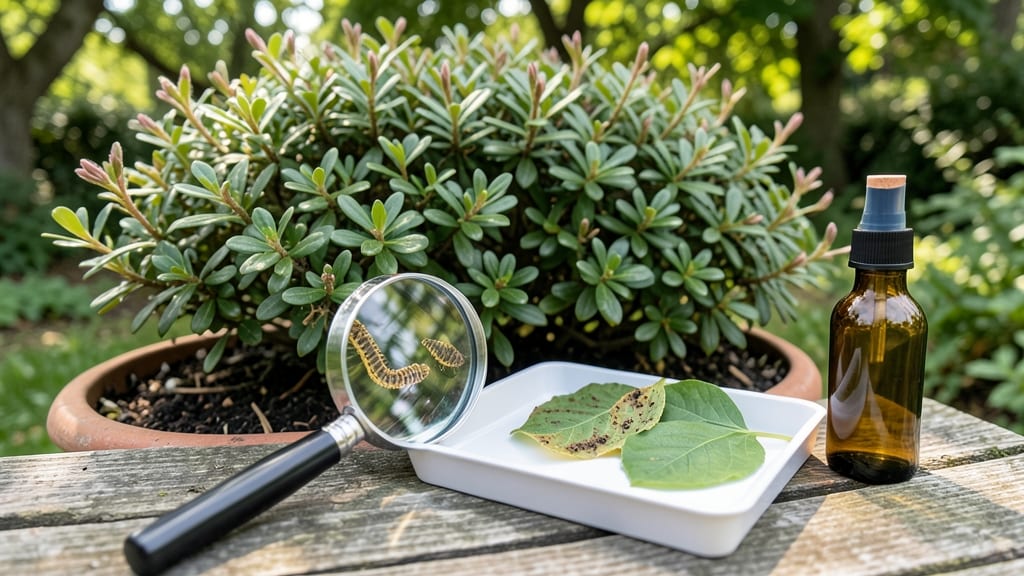
Boxwood leaf miner turns your manicured shrubs into skeletal shadows. 🌿 I’ve watched this tiny pest transform lush green hedges into brown husks—until I learned the organic spray schedule that brings them back to life. The key isn’t just spraying; it’s timing, consistency, and knowing which natural predators to encourage.
The damage starts small: white serpentine mines between leaves, then browning fronds that look like frostbite. By the time you see the adult moths fluttering around, it’s often too late for quick fixes.
But the good news? This pest has a predictable life cycle, and organic sprays work best when applied at the right stages—before the mines form.
With the right schedule, you’ll see fresh green growth within 4-6 weeks. The secret is combining neem oil sprays, insecticidal soap, and releasing beneficial wasps. Prune affected branches in early spring, and choose resistant cultivars like ‘Green Velvet’ or ‘Winter Gem’ to future-proof your hedges.
This isn’t just about saving your boxwoods—it’s about restoring the sharp, clean look of your landscape without harsh chemicals. Let’s get those leaves looking crisp again.
The Hidden Triggers Behind Leaf Damage
Boxwood shrubs are prized for their lush, evergreen foliage—but when tiny, serpentine larvae start munching their way through leaves, the damage can be devastating. Understanding why these pests target your plants is the first step to stopping them.
Below, we break down the science-backed causes behind their infestation, so you can address the root of the problem before it spreads.
Boxwood leaf miners thrive when their hosts are already struggling. Plants under stress—whether from poor spacing, root competition, or environmental factors—produce weaker leaves, making them easier targets for larvae. Here’s why it happens:
- Competition for resources: Overcrowded boxwoods compete for sunlight, water, and nutrients. Weakened leaves become prime real estate for egg-laying adult flies.
- Root-bound or compacted soil: When roots can’t expand properly, the plant’s immune response weakens, leaving it vulnerable to pests.
- Drought or overwatering: Both extremes stress the plant. Drought weakens foliage, while soggy soil promotes fungal issues that attract secondary pests.
💡 Pro Tip: Prune boxwoods to improve airflow and space them 3–4 feet apart. Mulch with organic matter (like shredded bark) to retain moisture and reduce stress.
The boxwood leaf miner’s life cycle is tightly linked to seasonal timing and adult fly behavior. Here’s how they exploit your plants:
- Spring emergence: Adult flies (resembling small wasps) emerge in late spring to early summer (May–June in most regions). Females lay eggs on the undersides of leaves, choosing healthy, tender foliage.
- Host preference: They favor boxwoods (Buxus spp.) but may also target holly, ivy, and other dense-leafed plants if boxwoods are scarce.
- Warm, humid conditions: Flies are most active in temperatures between 65–85°F (18–29°C) with high humidity—ideal conditions for egg hatching and larval growth.
⏰ Key Window: Monitor plants closely in May–July when adult flies are most active. Early detection means fewer larvae tunneling through leaves.
Leaf miners don’t just appear out of nowhere—they’re often hitchhikers from last year’s infestation. Here’s how old plant material fuels new outbreaks:
- Overwintering pupae: Larvae pupate in the soil or fallen leaves over winter. If you leave pruned clippings, mulch, or leaf litter near boxwoods, pupae can survive and emerge as adults the next spring.
- Infested nursery stock: Buying boxwoods with pre-existing mines (visible as white, serpentine trails in leaves) introduces the problem directly.
- Weedy or unkempt areas: Nearby plants with similar foliage (like English ivy) can serve as alternative hosts, increasing fly populations near your prized boxwoods.
🧹 Cleanup Checklist:
- Remove and dispose of (not compost) pruned boxwood leaves in sealed bags.
- Rake up leaf litter and debris around plants in fall and spring.
- Inspect new plants for mines before bringing them home.
Leaf miners love stable, sheltered environments where conditions stay warm and moist. If your boxwoods are in the right (or wrong!) spot, you’re basically rolling out the welcome mat:
- Shady, humid microclimates: Boxwoods often thrive in partial shade, but this same environment creates ideal fly breeding conditions. Stagnant air and high moisture levels keep larvae hydrated and active.
- Urban heat islands: Cities with concrete and pavement retain heat, extending the fly’s active season. If your boxwoods are near buildings or dark surfaces, flies may linger longer.
- Rainfall patterns: Frequent, light rains in spring and summer can trigger mass egg-laying, as flies take advantage of damp foliage for egg adhesion.
🌡️ Adjust the Environment:
- Improve drainage to reduce soil moisture around roots.
- Use reflective mulch (like white gravel) to deter flies in hot microclimates.
- Space plants to allow air circulation, reducing humidity near foliage.
By tackling these root causes—stress, timing, sanitation, and environment—you can disrupt the leaf miner’s life cycle before it gains a foothold. The next step? Learn how to outsmart them with organic sprays.
Stopping Leaf Damage Fast
Boxwood leaf miners can turn your lush greenery into a skeleton of chewed leaves in no time—but don’t panic! With the right approach, you can reverse the damage and prevent future outbreaks. Below, we break down practical fixes based on the root cause, from immediate action to long-term protection.
If you’ve spotted tunnels, frass (sawdust-like droppings), or wilting leaves, act fast to stop the miners in their tracks.
🍳 Prune Infested Branches
- Identify the worst branches – Look for heavy frass buildup or yellowing leaves.
- Trim them out – Use sterilized pruners (wipe with rubbing alcohol between cuts) to remove and dispose of infested foliage in a sealed trash bag.
- Dispose properly – Do not compost—miners can survive in soil. Burn (if legal) or trash them. > 💡 Pro Tip: Prune in early spring or late fall when miner populations are lowest.
👨🍳 Apply Organic Sprays (Best for Immediate Control)
Use these eco-friendly sprays during active flight periods (late spring to early summer):
| Spray Type | When to Apply | How to Use |
|---|---|---|
| Neem Oil | Late afternoon (avoid direct sun) | Mix 1 tsp neem oil + 1 tsp mild soap per quart of water. Spray undersides of leaves where miners hide. Reapply every 7–10 days. |
| Kaolin Clay | Early morning (prevents egg-laying) | Apply as a thin film on leaves. Reapply after rain. Non-toxic to bees. |
| Insecticidal Soap | Early morning or evening (avoid heat) | Spray directly on miners (visible as tiny white larvae). Reapply every 5–7 days. |
| Bacillus thuringiensis var. kurstaki (Btk) | At dusk (miners are active) | Targets caterpillar larvae—mix with water and spray thoroughly. Works in 48 hours. |
> ✨ Prevention Boost: After spraying, cover young boxwoods with fine netting (like floating row covers) to block adult moths from laying eggs.
Prevention is your best weapon. Disrupt miner life cycles with these low-maintenance strategies:
🔪 Remove Last Year’s Debris
- Rake up fallen leaves around boxwoods—miners overwinter in leaf litter.
- Clean up pruned branches immediately to avoid reinfestation.
🌡️ Encourage Natural Predators
- Ladybugs, lacewings, and parasitic wasps eat leaf miner larvae. Attract them with:
- Dill, fennel, or yarrow planted nearby.
- Avoid broad-spectrum pesticides (they kill beneficial bugs too).
🎯 Adjust Watering & Soil Health
- Overwatered or compacted soil stresses boxwoods, making them more vulnerable.
- Fix it: Improve drainage with compost or sand, and water deeply but less frequently.
🏷️ Monitor & Repeat
- Check plants weekly in spring/summer for new frass or wilting.
- Rotate sprays every 2–3 weeks to prevent resistance.
- ❌ Don’t use chemical pesticides (like malathion)—they harm pollinators and soil.
- ❌ Avoid heavy pruning in summer—stressed plants attract more miners.
- ❌ Skip underside leaf sprays—larvae hide there!
By combining pruning, organic sprays, and habitat tweaks, you can restore your boxwoods and keep miners at bay—without harsh chemicals. Start today, and your shrubs will thank you with vibrant, miner-free foliage!
Frequently asked questions about boxwood leaf miners
What do boxwood leaf miner tunnels look like?
Look for white, serpentine trails between leaf veins—these are the larvae feeding just beneath the surface. You’ll also spot tiny black frass (droppings) along the trails. The damage often starts on lower leaves and spreads upward as the infestation grows.
Can I save my boxwoods if they’re already heavily infested?
Yes, but act fast! Prune out severely damaged branches immediately, then apply neem oil or insecticidal soap every 7–10 days during peak miner activity (May–July). For bad cases, consider replacing heavily infested shrubs—some damage is irreversible.
How do I tell the difference between leaf miner damage and disease?
Leaf miners create visible tunnels and frass, while diseases like boxwood blight cause brown, crispy leaves without tunnels. Check for tiny white larvae (about 1/8 inch long)—if you see them, it’s miners. A hand lens helps spot the difference.
Will my boxwoods recover after treatment?
With proper care, new growth will emerge within 4–6 weeks! Focus on removing damaged leaves (don’t compost them) and keeping plants healthy. Avoid heavy pruning in summer—stressed plants attract more miners. Resistant varieties like ‘Green Velvet’ recover faster.
Are there any chemical-free ways to prevent leaf miners?
Encourage natural predators like parasitic wasps by planting dill or yarrow nearby. Use kaolin clay as a barrier spray, and cover young plants with fine netting during flight season. Regularly clean up fallen leaves to break their life cycle.