
Pests and Diseases
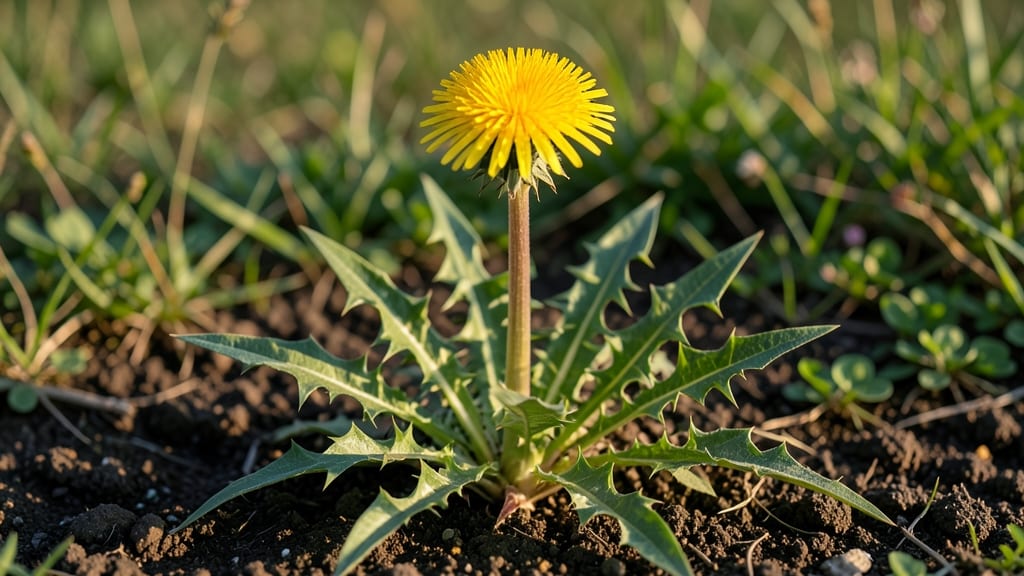
That bright yellow flower pushing up through your garden beds? 🌻 It's likely a broadleaf weed—specifically one of the most stubborn types—and ignoring it now means a full-blown invasion by summer.
I've pulled enough of these from my own beds to know exactly how they spread and what actually stops them. The real problem isn't just the flowers—it's how these weeds steal nutrients, shade out your plants, and create perfect conditions for more weeds to move in.
My first attempt with vinegar failed spectacularly (turns out, timing matters), but I've since developed a three-step elimination system that works in under 20 minutes per bed. By the end, you'll have a clean garden bed with no regrowth—no more pulling the same weeds week after week.
The key is understanding their growth cycle and hitting them at the right moment. Here's how we do it in our gardens:
Most gardeners make two critical mistakes: waiting too long to act and using the wrong tools. I learned this the hard way when dandelions took over my vegetable patch last spring—now I pull weeds when they're still small and use a sturdy weeding fork for deep roots.
The right approach means fewer weeds next year too. You'll need just three supplies: a sharp tool, a bucket of soapy water (for what you pull), and a mulch layer to smother any remaining seeds.
The process is simple but requires patience—especially if your garden has been neglected for a while. Here's the exact method we use:
After clearing the weeds, the real secret is prevention. I've found that 3 inches of mulch blocks 80% of new weeds from germinating, and adding a layer of cardboard underneath creates a weed barrier that lasts all season.
The first year might take more effort, but by next spring, your garden will stay cleaner with minimal maintenance. This works for backyard gardens, raised beds, or even container edges.
The same principles apply whether you're dealing with dandelions, chickweed, or creeping Charlie—just adjust the timing based on your local growing season. Let's get those yellow flowers out for good!
Root Causes Behind Yellowing
When broadleaf weeds with vibrant yellow flowers start popping up in your garden or lawn, it’s often a sign of deeper issues at play. Understanding why these weeds thrive—and why their leaves might yellow—helps you tackle the problem at its source.
Below, we break down the key factors driving their growth and color shifts, backed by science and actionable insights.
Yellowing in broadleaf weeds (like dandelions, chickweed, or creeping Charlie) is frequently tied to soil health. These weeds often outcompete grass or plants because they thrive in nutrient-poor or imbalanced soil. Here’s why:
- Excess nitrogen: While nitrogen fuels green growth, too much can lead to chlorosis (yellowing) in weeds like Taraxacum officinale (dandelion). This happens when nitrogen disrupts chlorophyll production, causing leaves to bleach.
- Deficiencies in micronutrients: Weeds like Lamium purpureum (henbit) may yellow if soil lacks iron, magnesium, or zinc. These elements are critical for chlorophyll synthesis, and weeds exploit these gaps faster than desirable plants.
- pH extremes: Soil pH below 6.0 or above 7.5 locks out essential nutrients. Yellowing weeds often signal acidic or alkaline stress, where roots can’t absorb phosphorus or calcium properly.
Actionable fix: Test your soil’s pH and nutrient levels (home kits or lab tests work). Amend with compost, lime (for acidity), or sulfur (for alkalinity) to restore balance. Targeted fertilizers with chelated iron or Epsom salt (magnesium sulfate) can revive struggling plants while starving weeds.
Water plays a dual role in weed health. Yellow flowers and wilting leaves often appear when weeds face hydration extremes—either too much or too little moisture.
- Overwatering: Weeds like Plantago major (broadleaf plantain) develop yellow patches when soil stays soggy. Poor drainage leads to root rot and oxygen deprivation, causing leaves to yellow or brown.
- Underwatering: Drought-stressed weeds (e.g., Viola sororia, wild violet) may produce yellowing leaves as a survival tactic to reduce water loss. Their flowers might also bleach or drop prematurely.
- Inconsistent moisture: Weeds thrive in fluctuating conditions. If your lawn gets sporadic watering, weeds like Trifolium repens (white clover) may develop stress-induced chlorosis.
Actionable fix:
- 💡 Improve drainage: Aerate compacted soil and add organic matter (like peat moss) to prevent waterlogging.
- 🌡️ Water deeply but less often: Aim for 1–1.5 inches per week (including rain) to encourage deep root growth in grass while stressing shallow-rooted weeds.
- ✨ Use mulch: A 2–3 inch layer of mulch retains moisture and suppresses weeds by blocking sunlight.
Weeds with yellow flowers often dominate because they outcompete healthy grass. Here’s how poor lawn conditions create the perfect breeding ground:
- Thin or dead grass: Gaps in your lawn give weeds like Capsella bursa-pastoris (shepherd’s purse) the space to spread. Their deep roots access water and nutrients that grass can’t reach.
- Overuse of herbicides: Broadleaf herbicides (e.g., 2,4-D) can kill desirable plants while leaving resistant weeds. Some weeds develop yellowing as a stress response to chemical damage.
- Shade stress: Weeds like Oxalis stricta (yellow woodsorrel) thrive in shady areas where grass struggles. Their yellow flowers are often a sign of photosynthetic adaptation to low light.
Actionable fix:
- 🔥 Strengthen your grass: Overseed bare patches with disease-resistant, fast-growing grass seed (e.g., ryegrass or fescue).
- 👨🍳 Adjust mowing height: Keep grass at 3–4 inches tall to shade out weeds and improve root depth.
- 🎯 Spot-treat weeds: Use vinegar-based herbicides (for organic control) or pre-emergent herbicides in early spring to prevent germination.
Sometimes, yellowing in broadleaf weeds isn’t about nutrition or water—it’s a defense mechanism against pests or pathogens. Here’s how:
- Insect damage: Aphids, spider mites, or Japanese beetles sap leaves, causing yellowing and stunted growth. Weeds like Sonchus oleraceus (prickly sowthistle) may develop yellow patches as a response.
- Fungal infections: Powdery mildew or rust fungi target stressed weeds, leading to yellow spots or leaf curl. These pathogens thrive in humid, shady conditions.
- Root-feeding grubs: Grubs from beetles (e.g., Phyllopertha horticola) chew on weed roots, starving them and causing yellowing above ground.
Actionable fix:
- 🔪 Hand-pull affected weeds and dispose of them in sealed bags to prevent spread.
- 💡 Apply neem oil or insecticidal soap for mild infestations. For grubs, use beneficial nematodes (e.g., Heterorhabditis bacteriophora).
- 🌡️ Improve air circulation: Trim nearby bushes and mow high to reduce humidity and fungal spores.
Pro tip: 🔍 Examine weed leaves up close—look for holes (insects), powdery residue (fungi), or galls (root damage) to pinpoint the exact cause. Addressing the root issue (literally!) prevents future outbreaks.
Quick Fixes for Stubborn Weeds
Tackling broadleaf weeds with vibrant yellow flowers—like dandelions, chickweed, or buttercups—requires a mix of precision and persistence. The good news? You don’t need harsh chemicals to reclaim your lawn or garden.
Below are practical, step-by-step solutions tailored to the root cause of your weed woes, plus prevention tips to keep them from staging a comeback.
Best for: Small patches, ornamental beds, or organic gardens.
- 🔥 Timing Is Everything Pull weeds when the soil is moist (after rain or watering) to loosen roots easily. Early morning or late evening reduces stress on the plant, making it simpler to uproot.
- 👨🍳 Dig Deep (Literally) Use a hand trowel or weeding fork to pry weeds from the ground. Focus on the root system—even a tiny fragment left behind can regrow. For stubborn roots, a gloved hand works too (just be ready for a workout!).
- 🥘 Mulch to Suffocate After removal, apply 2–3 inches of organic mulch (straw, wood chips, or grass clippings) to block sunlight and prevent regrowth. Mulch also retains moisture, making your lawn healthier and less inviting to weeds.
✨ Pro Tip: Wear long sleeves and gloves—some weeds (like stinging nettles) can irritate skin!
Best for: Lawns with overwatering issues or dry, patchy areas.
Weeds thrive where grass struggles. Adjust your watering habits to outcompete them:
| Problem | Fix | Prevention |
|---|---|---|
| Overwatered lawn | Reduce frequency to 1–1.5 inches per week (deep, infrequent watering). | Install a rain sensor on your sprinkler system. |
| Dry, compacted soil | Aerate soil in fall to improve drainage and root access for grass. | Top-dress with compost to boost soil health. |
| Shady, damp spots | Plant shade-tolerant grass (like fine fescue) or ground covers. | Use landscape fabric under mulch in garden beds. |
💡 Quick Fix: Water early in the morning to minimize evaporation and fungal growth on weeds.
Best for: Large infestations or high-traffic lawns where manual labor isn’t feasible.
- 🍳 Selective Herbicides (Spot Treatment) Use 2,4-D or triclopyr-based herbicides (like Ortho Weed B Gon) for broadleaf weeds only. These spare grass while killing weeds. Always follow label instructions—overuse can harm desirable plants.
- 🌡️ Pre-Emergent Herbicides (Prevention) Apply in early spring (before weeds germinate) to create a barrier. Products like pendimethalin block weed seeds from sprouting for 3–6 months.
- 🔪 Vinegar Spray (Natural Alternative) Mix 1 gallon white vinegar + 1 oz dish soap + 2 tbsp salt in a spray bottle. Target small weeds on sunny days (vinegar burns on contact). Note: This kills all plants—use cautiously in gardens.
⚠️ Warning: Avoid herbicides near vegetable gardens, water sources, or pets’ play areas.
The best defense? A healthy lawn or garden. Here’s how to fortify it:
- 🌱 Choose Competitive Grass: Overseed with dense, fast-growing grass (like Kentucky bluegrass or perennial ryegrass) to fill gaps weeds exploit. - 🔄 Regular Mowing: Keep grass 3–4 inches tall—taller grass shades weed seeds and crowds them out. - 🎯 Soil Testing: Check pH and nutrients.
Weeds flourish in poor soil—amend with lime (for acidic soil) or compost (for nutrient-poor soil). - 🐞 Encourage Beneficial Insects: Ladybugs and ground beetles eat weed seeds. Plant clover or native wildflowers to attract them.
Final Thought: Consistency is key! Weeds don’t vanish overnight, but with regular maintenance, you’ll see dramatic improvement in 4–6 weeks. Start with one method, monitor progress, and adjust as needed. Happy weeding! 🌿💪
Frequently asked questions
What are the most common broadleaf weeds with yellow flowers?
The top offenders include dandelions, chickweed, buttercups, creeping Charlie, and yellow woodsorrel. These weeds thrive in lawns and garden beds, often appearing when grass is thin or soil is disturbed.
Why do these weeds have yellow flowers?
Yellow flowers attract pollinators like bees and butterflies, helping weeds spread aggressively. The bright color also indicates high chlorophyll activity—these weeds grow quickly to outcompete your plants for sunlight and nutrients.
Can I safely pull these weeds by hand?
Yes, but timing matters! Pull weeds when soil is moist (after rain) and remove the entire root to prevent regrowth. For deep-rooted weeds like dandelions, use a weeding fork or dig deep with a trowel. Always wear gloves—some weeds can irritate skin.
Will vinegar kill these yellow-flowered weeds?
A homemade vinegar spray (1 gallon vinegar + 1 oz dish soap) works on small weeds but may take 2-3 applications. For best results, spray on sunny days and avoid spraying desirable plants—vinegar kills everything it touches.
How can I prevent these weeds from coming back?
Focus on 3 key strategies:
- Apply 2-3 inches of mulch to block sunlight,
- Overseed bare patches with competitive grass, and
- Water deeply but less frequently (1-1.5 inches per week). A healthy lawn or garden naturally resists weeds.