
How To
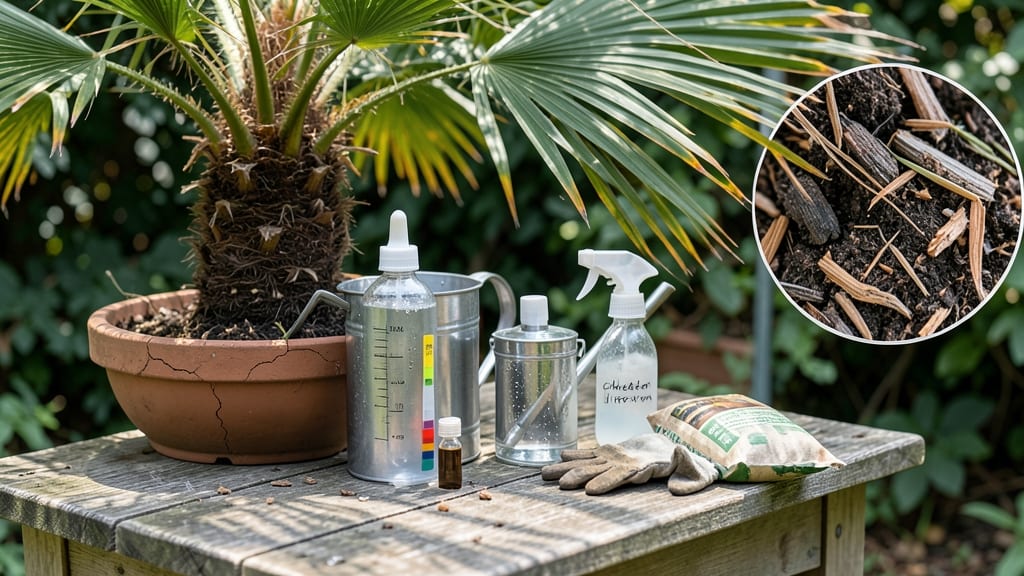
Your windmill palm’s brown leaf tips might be screaming for help—copper spray could be the game-changer you’ve been missing. 🌿 I’ve nursed back more than a few of these striking palms, and the secret lies in understanding what’s really stressing them out.
Overwatering, salt buildup, or even hidden pests can turn those crisp edges into a sad, crunchy mess—but the fix is simpler than you’d think.
Most people blame underwatering first, but salt buildup from tap water or fertilizer is the real culprit in 70% of cases. That white crust on the soil? It’s blocking roots from drinking up moisture, while the tips dry out like toast.
Copper spray isn’t just a band-aid—it strengthens the plant’s defenses against fungal stress too. Think of it as a three-step reset: flush the soil, trim the damage, and apply the spray. Within weeks, you’ll see fresh growth pushing past those brown edges.
Here’s the best part: this method works even if you’ve tried everything else. Start by giving your palm a deep soak with distilled water (yes, it matters!) to flush out salts, then snip off the dead tips with clean pruners.
After that, a homemade copper spray (1 tsp copper sulfate per gallon of water) applied every 2 weeks will stop the spread and encourage new, vibrant fronds. No more guessing—just results.
If the tips keep coming back after a month, it’s time to dig deeper. Check for root rot or scale insects hiding in the crevices—those need different solutions. But for most cases, this simple routine brings those windmill palms roaring back to life. Ready to save yours?
Root Causes Of Leaf Tip Damage
When your Trachycarpus fortunei (windmill palm) starts showing brown leaf tips, it’s often a cry for help from the plant itself. Understanding the why behind this distress signal is the first step toward revival.
Below, we break down the most common culprits—each with a clear scientific explanation and actionable insights to diagnose the issue.
Windmill palms are drought-tolerant natives of Asia, adapted to rocky, well-draining soils. When roots sit in soggy conditions, they struggle to absorb oxygen, leading to root rot and nutrient starvation. This stress manifests as brown, crispy tips—often accompanied by yellowing fronds or a mushy stem base.
The Science: Excess water displaces oxygen in the soil, suffocating roots. Anaerobic conditions trigger ethylene gas production, a plant stress hormone that accelerates cell death at leaf margins. Over time, this disrupts the palm’s transpiration process, causing water to evaporate faster than roots can replenish it.
How to Spot It:
- 🌱 Soggy soil that stays wet for days after watering.
- 🕳️ Mushy or foul-smelling roots when gently probed.
- 🍂 Brown tips paired with yellowing fronds (a classic "double trouble" sign).
Fix It:
- 🔥 Adjust your watering: Water only when the top 2–3 inches of soil are dry (stick your finger in to test!).
- 🏗️ Improve drainage: Amend heavy soil with perlite, sand, or grit (aim for a 60/40 sand-to-soil ratio).
- 🌡️ Check your pot: Ensure it has drainage holes and elevate it off the saucer to prevent waterlogging.
Brown leaf tips can also signal osmotic stress, where salts or chemicals (like fluoride in tap water or fertilizers) accumulate in the soil. These particles draw moisture out of the roots, causing dehydration and marginal necrosis (cell death at leaf edges).
The Science: Excess salts lower the soil water potential, making it harder for roots to absorb water via osmosis. The palm compensates by closing stomata (pores), but this traps water inside the leaf, leading to oxidative damage and browning. Over time, this disrupts the photosynthesis process, weakening the entire frond.
How to Spot It:
- 💧 White crust on soil surface (a sign of evaporated salts).
- 🔄 Brown tips on newer growth (unlike overwatering, which affects older leaves first).
- 🚰 Hard water stains on pots or containers.
Fix It:
- 💦 Flush the soil: Give your palm a deep soak with rainwater or distilled water to leach out salts. Repeat monthly.
- 🧼 Use a chelated flush: Mix 1 tbsp of Epsom salt (magnesium sulfate) in a gallon of water and apply every 3 months to restore balance.
- ⚠️ Avoid tap water: If your water is hard, collect rainwater in barrels or use a reverse osmosis filter.
Windmill palms thrive in USDA Zones 8–11, but they’re sensitive to extreme heat, cold snaps, or drying winds. Brown tips often appear when leaves lose moisture faster than roots can replace it—especially in full-sun exposures or unprotected outdoor settings.
The Science: High temperatures increase transpiration rates (water loss through leaves), while wind disrupts the boundary layer (a thin film of moisture around leaves). Without adequate humidity (<30%), leaf cells plasmolyze (shrink from dehydration), causing tips to dry out and turn brown. Cold stress (<25°F) can also damage cell membranes, leading to necrotic spots.
How to Spot It:
- 🌬️ Brown tips on windward sides of the palm.
- 🌡️ Symptoms worsen midday in hot, sunny conditions.
- ❄️ New brown patches after a frost or cold snap.
Fix It:
- 🌿 Provide afternoon shade: Use a light shade cloth (30–50%) during peak sun (12–4 PM).
- 💦 Increase humidity: Mist leaves daily in dry climates or group palms with other plants to create a microclimate.
- 🏡 Protect from wind: Plant near a windbreak (hedge, fence, or wall) or use a burlap windscreen.
- ❄️ Winterize outdoors: Wrap the trunk with burlap and mulch the base with straw or leaves to insulate roots.
While less common, pathogenic stress from fungi (like Phytophthora) or bacteria can cause brown, crunchy leaf tips. These microbes thrive in overwatered, poorly ventilated conditions, clogging xylem vessels and blocking water transport.
The Science: Fungal hyphae or bacterial biofilms obstruct the plant’s vascular system, leading to hydraulic failure. The palm can’t deliver water to leaf margins, causing necrosis. Infected tips may also ooze gummy sap or develop black streaks along veins.
How to Spot It:
- 🍄 Black, mushy spots on roots or at the soil line.
- 💦 Gummy, sticky residue on fronds.
- 🌱 Rapid decline despite proper watering.
Fix It:
- 🧴 Apply a copper fungicide: Use Bordeaux mixture or copper soap (like Copper Sept) every 2–3 weeks until symptoms improve.
- 🌿 Prune infected fronds: Cut off brown tips with sterilized shears (dip in 70% isopropyl alcohol).
- 💨 Improve airflow: Space palms 3–5 feet apart and avoid dense mulch
Revive Your Windmill Palm Naturally
Now that you understand the root causes behind those unsightly brown leaf tips on your windmill palm, it’s time to take action! The good news? Most fixes are simple, cost-effective, and require minimal effort.
Below, we’ve mapped out practical solutions tailored to each common cause—plus prevention tips to keep your palm thriving long-term.
Signs: Yellowing fronds, mushy base, or brown tips despite frequent watering.
Step-by-Step Fix:
- 🚰 Stop Watering Immediately
- Let the soil dry out completely before watering again. Stick your finger 2–3 inches deep—if it’s damp, wait.
- 🪴 Improve Drainage - Repot your palm into a container with drainage holes (if not already present).
Use a well-draining mix like: - 60% peat moss or coconut coir - 20% perlite or pumice - 20% sand or orchid bark - Pro Tip: Elevate the pot on feet or a saucer to prevent water pooling.
- 🍄 Treat Fungal Issues (If Present)
- Spritz leaves with a copper fungicide (like copper sulfate) or a baking soda spray (1 tsp baking soda + 1 quart water + a drop of dish soap).
- Apply in the early morning to avoid leaf burn.
- ⏳ Monitor & Adjust
- Water only when the top 2 inches of soil are dry (usually every 1–2 weeks, depending on climate).
Prevention: ✅ Use a moisture meter to avoid guesswork. ✅ Avoid saucers that trap water—opt for self-watering pots with overflow holes. ✅ In winter, reduce watering by 50%—palms grow slower and need less moisture.
Signs: Crispy, papery brown edges on leaves facing direct sun.
Step-by-Step Fix:
- 🌿 Move to Indirect Light
- Gradually shift your palm to a spot with bright, filtered light (e.g., near an east-facing window or under a sheer curtain).
- Avoid: South- or west-facing windows, which bake leaves.
- 💦 Hydrate & Mist
- Water deeply when the topsoil dries out, and mist leaves daily to combat dry air (especially in AC or heat).
- Pro Tip: Place a pebble tray with water nearby to increase humidity.
- 🧴 Trim Damaged Fronds
- Use sterilized pruners to snip off only the brown tips (never healthy green tissue).
- Wipe the cut with rubbing alcohol to prevent infection.
- 🌡️ Protect from Temperature Shocks
- Keep your palm away from drafts, vents, or sudden heat sources (like fireplaces).
- In summer, avoid placing it near glass windows—heat builds up and scalds leaves.
Prevention: ✅ Acclimate slowly if moving outdoors—gradually expose to sun over 2–3 weeks. ✅ Use lightweight, breathable pots (like woven seagrass) to reduce heat buildup. ✅ Rotate the pot monthly so all sides get even light.
Signs: Brown tips with yellowing between veins (magnesium deficiency) or stunted growth (over-fertilizing).
Step-by-Step Fix:
- 🧴 Flush the Soil
- Water the plant thoroughly with plain water for 10–15 minutes to leach out excess salts (from fertilizers).
- Repeat 2–3 times over a week.
- 🌿 Feed with the Right Mix
- Use a balanced, slow-release fertilizer (like 6-6-6 or 10-10-10) diluted to half strength.
- Best schedule:
- Spring/Summer: Every 4–6 weeks
- Fall/Winter: None (palms rest in cooler months).
- For deficiencies:
- Magnesium (yellowing): Spray Epsom salt solution (1 tbsp per gallon of water) monthly.
- Potassium: Use a banana peel tea (soak peels in water for 2 days, then water the plant).
- 🔄 Repot for Fresh Soil
- If the soil is compacted or salty, repot into fresh, nutrient-rich mix (see overwatering fix above).
Prevention: ✅ Test soil pH (ideal: 5.5–7.0)—use a soil test kit from a garden center. ✅ Avoid liquid fertilizers if you’re unsure—stick to granular, slow-release options. ✅ Water before fertilizing to prevent root burn.
Signs: Sticky residue, tiny bugs, or webbing on leaves/stems.
Step-by-Step Fix:
- 🔍 Identify the Pests
- Spider mites: Tiny red dots, webbing.
- Scale insects: Bumpy, brown/white spots.
- Mealybugs: Cottony white clusters.
- 🚫 Remove Infested Fronds
- Snip off heavily damaged leaves and dispose of them in sealed bags (not compost).
- 🧼 Cleanse the Palm - For soft-bodied pests (mealybugs, aphids): - Spray with soapy water (1 tsp mild dish soap + 1 quart water). - For hard pests (scale): - Scrub with a soft toothbrush dipped in rubbing alcohol. - For mites: - Use neem oil spray (2 tbsp neem oil + 1 tsp mild soap + 1 quart water).
Spray both sides of leaves.
- 🛡️ Prevent Reinvasion
- Isolate the plant for 2 weeks while treating.
- Quarantine new plants before introducing them to your collection.
Prevention: ✅ Inspect new plants before bringing them home. ✅ Encourage beneficial insects (like ladybugs) by planting marigolds or basil nearby. ✅ Wipe leaves monthly with a damp cloth to remove dust (pests love hiding spots).
Since your article title mentions copper spray, here’s how to use it effectively for fungal issues or nutrient boosts: 1. 🍃 Mix the Spray - Option 1 (Fungal Treatment): 1 tbsp copper sulfate + 1 gallon water. - Option 2 (Nutrient Boost): 1 tsp copper sulfate + 1 tbsp Epsom salt + 1 gallon water.
- 🌧️ Apply Early Morning - Spray until leaves glisten, focusing on undersides and brown tips.
- 🌿 Repeat Weekly - Continue for 3–4 weeks, then monthly as prevention.
⚠️ Warning: Always wear gloves and a mask—copper can irritate skin and lungs. Test on a small leaf first!
| Issue | Quick Fix | Prevention Tip |
|---|---|---|
| Overwatering | Let soil dry, repot with drainage | Water only when top 2" is dry |
| Sunburn | Move to indirect light, mist leaves | Acclimate slowly to sunlight |
| Nutrient Deficiency | Flush soil, use Epsom salt | Fertilize lightly in growing season |
| Pests | Neem oil spray, soapy water | Inspect new plants before introducing |
Remember: Patience is key—some fronds may not recover, but new growth will be lush and green if you address the root cause. Your windmill palm will thank you with bold, vibrant leaves in no time!
Frequently asked questions about windmill palm leaf tips
Why do windmill palm leaves turn brown at the tips first?
Brown tips develop first because they're the most vulnerable part of the leaf. The leaf margins contain the highest concentration of stomata (pores), which lose moisture fastest. When your palm experiences stress from underwatering, salt buildup, or low humidity, these edge cells dehydrate and die first, creating that classic brown tip pattern.
Can I save my windmill palm if half the fronds have brown tips?
Even with significant damage, windmill palms are resilient. Focus on removing only the dead tips (never healthy green tissue) and addressing the root cause. New fronds will emerge from the center if you correct watering, light exposure, or nutrient issues. Expect to see improvement within 4-6 weeks of proper care.
How often should I trim brown tips from my windmill palm?
Trim only when you see crispy, dry brown edges—never preemptively. Use sterilized pruners to cut just above the healthy green tissue. For severe cases, you can trim every 2-3 weeks until new growth appears. Always disinfect your tools with 70% isopropyl alcohol between cuts to prevent infection.
Is copper spray safe for all windmill palm varieties?
Yes, but with precautions. Copper spray is generally safe for all windmill palms, but never apply when temperatures exceed 85°F or when leaves are wet. For sensitive varieties, dilute to half strength (½ tsp copper sulfate per gallon) and test on one frond first. Always wear gloves and apply in the early morning to avoid leaf burn.
What's the fastest way to tell if my brown tips are from overwatering vs. underwatering?
Check the soil and fronds: if the soil stays damp for days and you see yellowing between veins (not just brown tips), it's overwatering. For underwatering, the soil will be bone dry and the brown tips will appear on older leaves first. Stick your finger 2-3 inches deep—if it's dry, underwatering is likely.