
Diseases
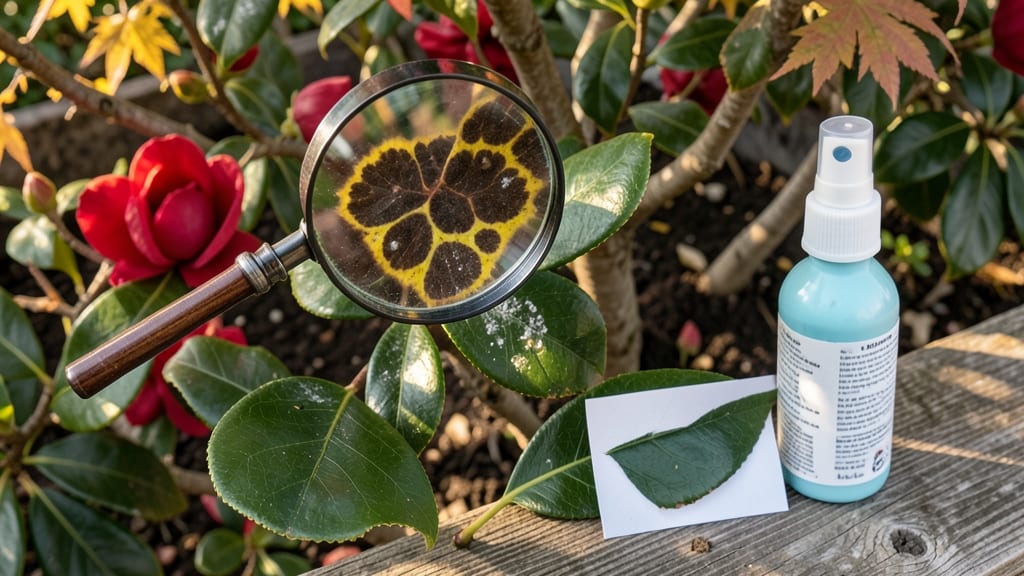
Your camellias’ leaves are showing signs of the leaf diseases—turning brown, yellow, or covered in spots—and you’re not sure how to fix it. 🌿 The good news? Most camellia leaf diseases follow the same 3-step cure: spot the problem, treat it organically, and prevent future outbreaks.
I’ve saved dozens of camellias from fungal infections using these exact methods, and you can too.
Fungal diseases like petal blight and anthracnose thrive in damp, shady conditions, while bacterial leaf spot spreads when water splashes onto leaves. The first sign? Dark, greasy spots or yellowing edges.
If you catch it early, a mix of neem oil spray and copper fungicide (or even baking soda for mild cases) can turn things around in 2-3 weeks.
Once treated, focus on prevention: prune for airflow, water at the base (not overhead), and mulch to keep soil dry. Healthy camellias bounce back fast—within a season, you’ll see fresh, glossy leaves and blooms as vibrant as ever. The key is acting before the disease spreads.
This works for all camellia varieties, whether you’re dealing with a single bush or a whole garden. Let’s get those leaves looking lush again—without harsh chemicals.
Underlying Causes of Leaf Trouble
Camellia leaf diseases don’t strike out of nowhere—they’re often the result of a perfect storm of environmental stress, microbial invaders, or poor plant care. Understanding the root causes is the first step to prevention and treatment.
Below, we break down the most common culprits behind camellia leaf issues, from fungal infections to environmental mismatches.
Fungi are the #1 cause of camellia leaf diseases, thriving in damp, humid conditions. These microscopic organisms latch onto weak spots in leaves, stems, or buds, leading to spots, blights, or even defoliation. Here’s how they exploit your camellias:
- High Humidity + Poor Airflow Fungi like Colletotrichum (causing anthracnose) and Cercospora (causing leaf spot) spread rapidly when leaves stay wet for long periods.
Overhead watering or dense foliage traps moisture, creating a fungal buffet. 🌡️ Pro tip: Aim for 60-70% humidity during growing seasons and avoid watering at dusk.
- Wounded Leaves or Stems Physical damage from pruning, hail, or pests creates entry points. Fungi like Phytophthora (root rot) or Botrytis (gray mold) seize the opportunity. Always sterilize tools with 70% isopropyl alcohol before pruning.
- Old or Debris-Laden Soil Organic matter in soil provides nutrients for fungal spores. If your camellia’s roots are surrounded by fallen leaves, mulch, or old plant debris, fungi like Fusarium (wilting disease) can take hold. 💡 Solution: Keep mulch 2-3 inches away from the trunk and remove debris promptly.
Unlike fungi, bacteria multiply quickly and can cause sudden, severe damage. They often hitchhike on contaminated tools, water, or even insects. Watch for:
- Overhead Irrigation Splashing water spreads bacteria like Xanthomonas (bacterial blight) from infected leaves to healthy ones. Use drip irrigation or soaker hoses to keep foliage dry.
- Contaminated Pruning Tools A single cut with a dirty tool can transfer Pseudomonas (leaf spot) from one plant to another. Always clean tools between cuts with bleach or rubbing alcohol.
- Stress from Extreme Conditions Heatwaves, frost, or nutrient deficiencies weaken camellias, making them susceptible to bacterial infections. Monitor soil moisture—consistent hydration (not soggy soil) helps maintain plant resilience.
Camellias are finicky about their surroundings. Push them out of their comfort zone, and diseases follow. Common triggers include:
- Temperature Swings Sudden cold snaps or heatwaves stress plants, lowering their disease resistance. Alternaria (a fungal leaf spot) thrives in hot, humid summers, while Phytophthora (root rot) loves cool, wet springs. 🌡️ Adjust care: Mulch heavily in winter to insulate roots and provide shade during summer heatwaves.
- Poor Drainage or Overwatering Waterlogged soil suffocates roots and invites Phytophthora or Pythium (both cause root rot). Test your soil—camellias prefer slightly acidic (pH 5.5-6.5) and well-draining conditions. Amend heavy clay with perlite or sand.
- Nutrient Imbalances Too much nitrogen (common in fast-release fertilizers) promotes lush, weak growth—prime targets for diseases. Over time, this leads to magnesium or iron deficiencies, weakening leaves. 📊 Fix it: Use a balanced, slow-release fertilizer (e.g., 10-10-10) and conduct a soil test every 2 years.
Some pests don’t cause diseases themselves but create the perfect conditions for pathogens. Keep an eye out for:
- Scale, Aphids, or Spider Mites These sap-suckers weaken leaves, making them vulnerable to fungal infections like Botrytis. Treat infestations early with neem oil or insecticidal soap.
- Thrips They damage flower buds, leaving entry points for Colletotrichum (anthracnose). Use blue sticky traps to monitor populations and apply horticultural oil if needed.
Even with ideal conditions, camellias can fall ill if their immune system is compromised.
Common culprits: - Old Age: Mature camellias (10+ years) are more susceptible to diseases like camellia dieback. - Transplant Shock: Recently moved plants struggle to adapt, making them easy targets for Phytophthora. - Genetic Predisposition: Some varieties (e.g., Camellia japonica) are more prone to fungal issues than others.
💡 Boost immunity: Apply compost tea or kelp-based fertilizers to strengthen natural defenses. Prune regularly to improve airflow and reduce stress.
Fixing Fungal and Bacterial Woes
Reviving your camellia’s health starts with targeted action—whether you’re battling spots, rot, or wilting, the right steps can turn things around. Below, we map common causes to practical fixes, plus prevention tips to keep your plant thriving long-term.
🔥 Cause: Overly wet leaves, poor airflow, or weak plant immunity.
👨🍳 Step-by-Step Fix:
- Prune Infected Leaves 🔪
- Snip off all spotted or yellowing leaves with sterilized pruners (wipe with rubbing alcohol between cuts). Dispose of them in the trash—not your compost bin!
- Apply Fungicide 💊
- Spray with a copper-based fungicide (like Bordeaux mixture) or a neem oil solution (1 tbsp neem oil + 1 tsp mild soap per quart of water). Reapply every 7–10 days until new growth appears.
- Boost Airflow 🌬️
- Thin out dense foliage or move the plant to a sunnier spot with at least 4–6 hours of direct light. Avoid planting camellias where water pools after rain.
- Water Wisely 💦
- Water at the base, not overhead. Use a soaker hose or drip irrigation to keep leaves dry. Early morning is best—wet leaves baking in the sun can worsen fungal spread.
💡 Prevention Pro Tips:
- Space plants 3–5 feet apart to improve airflow.
- Mulch with pine bark or gravel (not organic mulch) to reduce soil moisture near the base.
- Clean up fallen leaves regularly—they harbor fungal spores!
🔥 Cause: Bacterial infections (like Xanthomonas or Pseudomonas) thrive in humid, rainy conditions or from contaminated tools.
👨🍳 Step-by-Step Fix:
- Remove Diseased Parts Immediately ⏰
- Cut out all affected leaves, stems, or flowers. Do not compost them! Seal in a plastic bag for trash pickup.
- Disinfect Tools & Hands 🧼
- Scrub pruners with 10% bleach solution (1 part bleach to 9 parts water) or 70% isopropyl alcohol before and after pruning.
- Use Bacterial-Fighting Sprays 🛡️
- Mix 1 tsp baking soda + 1 tbsp horticultural oil + 1 drop dish soap per gallon of water. Spray every 10–14 days.
- For severe cases, apply copper fungicide (e.g., Cupric hydroxide).
- Adjust Watering Habits 🌧️
- Water deeply but infrequently—camellias hate soggy roots. Let the top 1–2 inches of soil dry out between waterings.
💡 Prevention Pro Tips:
- Avoid overhead irrigation—use drip systems or hand-watering.
- Rotate planting locations every few years to break disease cycles.
- Test soil pH—aim for 5.5–6.5; acidic soil (below 5.0) weakens defenses.
🔥 Cause: Overwatering or poor drainage in heavy clay soils.
👨🍳 Step-by-Step Fix:
- Stop Watering Immediately 🚰
- Let the soil dry out completely for 3–5 days. Check moisture by sticking your finger 2 inches into the soil—if damp, wait longer.
- Improve Drainage 🏗️
- Amend the soil with perlite, sand, or compost (20–30% mix) to loosen it. For potted camellias, repot into a well-draining mix (e.g., 50% peat moss, 30% pine bark, 20% perlite).
- Fungal Treatment 🍄
- Apply hydrogen peroxide (3%) to the soil (1 part H₂O₂ to 10 parts water) to kill pathogens. Reapply weekly for 3 weeks.
- For severe cases, use systemic fungicide (like Subdue or Aliette).
- Repot If Necessary 🌱
- If roots are mushy or black, trim healthy roots, dust with cinnamon powder (natural antifungal), and repot in fresh soil.
💡 Prevention Pro Tips:
- Plant in raised beds or on mounds if your soil drains poorly.
- Use pots with drainage holes—never reuse containers without sterilizing first.
- Mulch lightly (1–2 inches) with pine straw to retain moisture without suffocating roots.
- Strengthen Immunity 💪: Fertilize with low-nitrogen, high-phosphorus (like 5-10-10) to encourage root and leaf health. - Quarantine New Plants 🛑: Keep newly purchased camellias separate for 4–6 weeks to monitor for diseases. - Monitor Humidity 🌡️: Aim for 40–60% humidity.
Use a dehumidifier in greenhouses or add gravel trays with water for airflow.
✨ Final Reminder: Consistency is key! Most diseases take 4–8 weeks to fully resolve—stick with treatments until you see 2–3 weeks of new, healthy growth. Your camellia will thank you with blooms that last!
Frequently asked questions
What are the most common signs of fungal infections on camellia leaves?
Look for dark, greasy-looking spots that may have yellow or brown halos, especially on older leaves. Fungal diseases like anthracnose often show up as sunken, crinkled areas, while leaf spot appears as small, circular marks with defined edges. If you see white or pink powdery growth, that’s likely powdery mildew.
Can I use baking soda to treat bacterial leaf spot on my camellia?
Yes! Mix 1 teaspoon baking soda with 1 tablespoon horticultural oil and 1 drop dish soap per gallon of water. Spray this solution every 10-14 days for 4-6 weeks to control bacterial infections. The baking soda raises leaf pH temporarily, making it harder for bacteria to thrive. Always spray in the early morning for best results.
How do I know if my camellia has root rot instead of leaf disease?
Check for yellowing leaves that start at the bottom of the plant and work upward, combined with mushy, black roots when you gently dig around the base. If the soil smells foul or the plant feels unstable when pulled slightly, it’s likely root rot. Unlike leaf diseases, root rot causes wilting even when soil is wet.
Will pruning help prevent camellia diseases?
Prune to remove 1/3 of old or crowded growth each year to improve airflow—this reduces humidity around leaves where fungi thrive. Always use sterilized tools and prune during dry weather (avoid rainy days). Remove any leaves with spots immediately to prevent spread.
How often should I apply neem oil to prevent fungal diseases?
Apply neem oil every 2-4 weeks during growing seasons (spring through fall) as a preventive measure. For active infections, spray weekly for 3-4 weeks using a 1% solution (1 tbsp neem oil + 1 tsp mild soap per quart of water). Always apply in the evening to avoid leaf burn from sunlight.