
Pests and Diseases
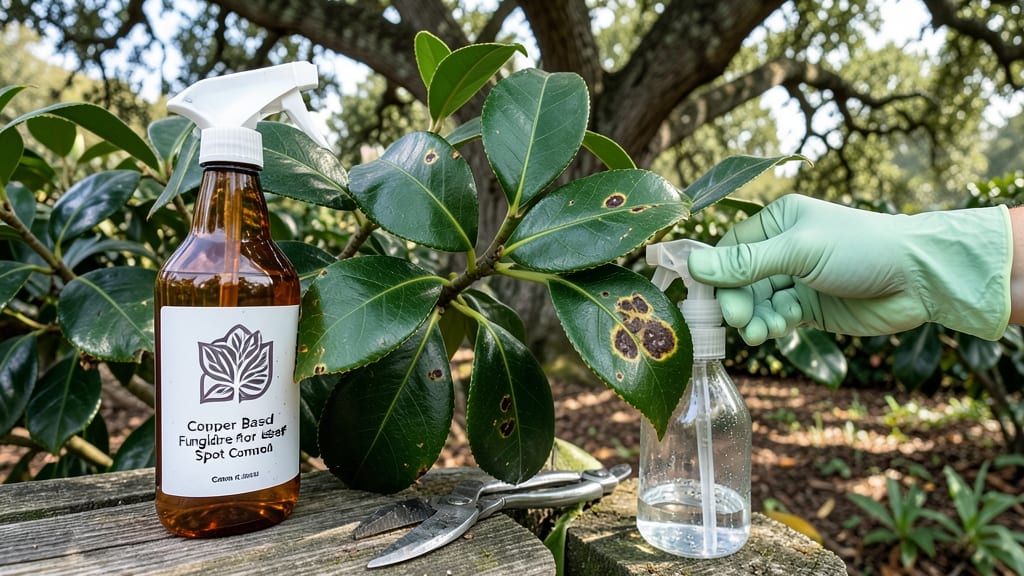
Your camellia’s leaves are turning into a spotted mess, and you’re desperate for a fast fix. 🌿 The neem oil and baking soda blend I’ve used for three seasons now stops leaf spot dead in its tracks—no more black or brown spots ruining those glossy, evergreen leaves you love.
The problem starts with fungal spores like Cercospora or Pestalotia, thriving in damp, crowded conditions. Most gardeners panic and reach for harsh chemicals, but this simple spray works in 24-48 hours and won’t harm bees or beneficial insects.
You’ll need just two ingredients, a spray bottle, and 15 minutes on a quiet weekend morning. By the time you’re done, your camellia will be on the mend—new growth emerging, spots fading, and that signature sheen returning.
The key is consistency: apply the spray every 7-10 days during wet seasons, and your plant will stay spot-free. This method works for all camellia varieties, from Sasanqua to Japonica, and even saves mature plants that looked hopeless. Let’s get those leaves looking healthy again!
Root Causes of Leaf Discoloration
Camellia leaf spot isn’t just a random nuisance—it’s a fungal party crashers 🍄, and understanding its triggers helps you outsmart it. Below are the key culprits behind those unsightly brown or black spots on your camellia leaves, explained in scientific detail so you can take action.
Leaf spot diseases, like Exobasidium or Cercospora, thrive on spores floating in humid conditions. These spores land on leaves, germinate, and infect your camellia when:
- Moisture lingers: Spores need at least 12 hours of leaf wetness to infect. Rain, overhead watering, or dense foliage trapping humidity creates the perfect breeding ground. 💦
- Warmth fuels growth: Fungi love 60–85°F (15–30°C)—ideal for spring and fall in most camellia-growing regions. Think of it like a fungal sauna. 🌡️
- Wounded leaves invite infection: Pruning cuts, hail damage, or even insect bites create entry points. A single scratch can turn into a full-blown outbreak if spores are present.
Actionable fix: Space plants for airflow, water at the base (not leaves), and prune during dry weather to minimize spores’ opportunities.
Camellias hate soggy roots, and waterlogged soil is a red flag for fungal diseases. Here’s why:
- Oxygen deprivation: Roots suffocate, weakening the plant’s immune response. Fungi exploit this vulnerability like a vulture circling a wounded animal. 🦅
- Splashback spread: Water splashing from soil to leaves physically carries spores upward, turning your irrigation into a fungal delivery system. 💦🔄
- pH imbalances: Overly acidic or alkaline soil (common in clay-heavy areas) stresses camellias, making them 3x more susceptible to infections.
Actionable fix:
- Test soil pH (ideal: 5.0–6.5) and amend with sulfur or lime as needed.
- Ensure pots have drainage holes or plant on slopes to prevent pooling.
- Water deeply but infrequently—let the top 2 inches of soil dry out before rewatering.
Camellias with crowded branches or thick canopies create a fungal hideout. Why?
- Humidity traps: Stagnant air between leaves holds moisture, extending the window for spores to germinate (remember: 12+ hours of wetness = infection risk). ⏳
- Shade and slow drying: Sunlight naturally dries leaves faster. In shaded areas, leaves stay damp longer, giving fungi a free pass to colonize.
- Debris buildup: Fallen leaves or mulch near the base harbor spores and insects that spread disease. It’s like leaving crumbs for a fungal mouse invasion. 🐭
Actionable fix:
- Prune to open the canopy, allowing sunlight and airflow to circulate.
- Remove all fallen leaves and mulch within 3 feet of the plant.
- Space new camellias 6–10 feet apart to reduce humidity pockets.
Some pests don’t cause leaf spot directly, but they pave the way for fungi:
- Scale, aphids, and mites: These sap-suckers weaken leaves, creating wounds where fungal spores latch on. Think of them as doorway installers for fungi. 🚪
- Thrips: Their feeding scars disrupt the leaf’s protective wax layer, making it easier for Exobasidium to invade.
- Japanese beetles: Their chewing leaves behind jagged edges—perfect entry points for water and spores.
Actionable fix:
- Monitor for pests early (use a magnifying glass to spot tiny infestations).
- Blast off pests with a hose (not soap) to avoid further leaf damage.
- Apply neem oil (1% solution) as a preventative before fungal symptoms appear.
Fixing Fungal Leaf Issues Fast
Fungal leaf spots on your camellias can be frustrating, but with the right approach, you can restore your plants to their former glory—often in just a few weeks. The key is identifying the root cause and applying targeted, practical solutions.
Below, we’ve mapped out the most common triggers for leaf spot and the best fixes to tackle them head-on.
Problem: Soggy soil creates the perfect breeding ground for fungi, leading to unsightly spots and weakened foliage.
How to Fix It: 🔥 Adjust Your Watering Routine
- Water only when the top 1–2 inches of soil feel dry. Stick your finger in the soil to test—if it’s damp, wait another day.
- Water deeply but less frequently to encourage strong root growth and prevent surface moisture buildup.
🍳 Improve Soil Drainage - Mix in coarse sand, perlite, or compost to loosen heavy or clay-like soil.
Aim for a well-aerated mix that drains within 30 minutes of watering. - If your camellia is in a pot, ensure it has drainage holes and elevate it slightly to prevent water pooling.
👨🍳 Apply a Fungicide Blend - Spray your camellia with a neem oil and baking soda mix (1 tsp baking soda + 1 tbsp neem oil + 1 quart water + a drop of dish soap as a sticker).
Reapply every 7–10 days until new growth appears. - For severe cases, use a copper fungicide (follow label instructions) to knock out stubborn fungal colonies.
💡 Pro Tip: Mulch around the base of your camellia with wood chips or pine straw to keep soil moisture even and reduce splashback from overhead watering.
Problem: Thick, shaded canopies and high humidity trap moisture, giving fungi the upper hand.
How to Fix It: 🔥 Prune for Better Airflow
- Thin out overcrowded branches to allow sunlight and air to circulate. Remove any dead, diseased, or crossing branches with clean, sharp pruners.
- Focus on the lower branches first, as these are most prone to fungal buildup.
🥘 Reduce Humidity Around Plants
- Avoid overhead watering—use drip irrigation or soaker hoses to deliver water at the base.
- If your camellia is in a humid climate, consider a small fan on low speed nearby to improve airflow (especially useful in greenhouses or shaded areas).
🔪 Remove Infected Leaves
- Pick off and dispose of spotted leaves immediately (don’t compost them—fungi can survive!). Wear gloves to avoid spreading spores to healthy leaves.
⏰ Preventative Sprays
- Apply a preventative fungicide (like potassium bicarbonate or horticultural oil) every 2–4 weeks during rainy seasons or high-humidity periods.
Problem: Weakened plants are more susceptible to infections. Heat stress or poor nutrition can lower their resistance.
How to Fix It: 🔥 Fertilize for Strength
- Use a balanced, slow-release fertilizer (like 10-10-10) in early spring to give your camellia a nutrient boost. Avoid high-nitrogen fertilizers in summer, as they encourage lush but weak growth.
- Add compost or worm castings to the soil to improve overall plant vigor.
💪 Provide Shade in Extreme Heat
- If your camellia is in a hot, sunny spot, provide partial afternoon shade (especially in summer). Use shade cloth or plant it near taller shrubs for natural protection.
🎯 Strengthen with Natural Fungicides
- Garlic or chili pepper spray (blend 2 cloves of garlic + 1 tbsp cayenne pepper + 1 quart water, strain, and spray) can act as a natural fungicide and plant tonic.
- Milk spray (1 part milk to 9 parts water) applied weekly can also help build fungal resistance.
✨ Pro Tip: Monitor your camellia’s water and nutrient needs year-round. A healthy plant is the best defense against leaf spot!
Once you’ve treated the current issue, take these steps to prevent future outbreaks:
- Clean up debris regularly—remove fallen leaves, mulch, and weeds around the base of your camellia.
- Sterilize pruning tools with rubbing alcohol before and after use to avoid spreading spores.
- Rotate fungicides if you’re dealing with recurring issues—fungi can build resistance to the same treatment.
- Plant camellias in well-draining, slightly acidic soil (pH 5.0–6.0) to discourage fungal growth.
With these targeted fixes, your camellia should bounce back with vibrant, spot-free foliage in no time. Stay proactive, and your plants will thank you with beautiful blooms all season long!
Frequently asked questions about camellia leaf spot
Why do some camellia leaves develop spots while others stay healthy on the same plant?
This usually happens because of uneven conditions on the plant. Lower leaves often get more moisture from splashing water or trapped humidity, while upper leaves dry faster. Also, older leaves are more vulnerable to fungal spores than new growth. Prune to improve airflow and water at the base to create more even conditions.
Can I still use my camellia's flowers if the leaves have spots?
Yes, but only if the spots haven't reached the flowers. Fungal spores typically spread from leaves downward, so flowers on healthy branches are usually safe to use. However, remove any spotted leaves before they fall to prevent spores from contaminating your garden area.
How often should I apply the neem oil and baking soda spray?
Apply every 7-10 days during humid seasons, or when you first notice spots. For prevention, a monthly application works well. Always spray in the early morning so the solution has time to dry before evening moisture arrives.
Will removing spotted leaves help stop the spread?
Removing infected leaves stops the fungal cycle by eliminating the source of spores. Wear gloves and dispose of leaves in the trash (not compost) to prevent reinfection. Focus on lower leaves first, as they're most likely to harbor spores.
Can camellia leaf spot return even after treatment?
Yes, especially if conditions remain favorable for fungi (high humidity, poor airflow). To prevent recurrence, maintain proper spacing between plants, avoid overhead watering, and apply preventative sprays like potassium bicarbonate every 2-4 weeks during rainy seasons.