
Pests and Diseases
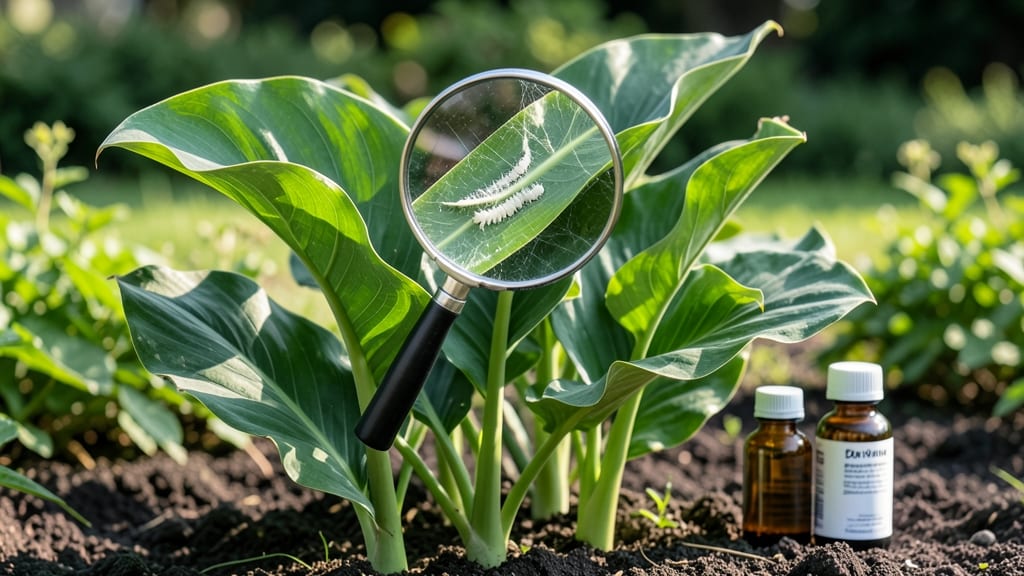
Your canna plants’ leaves curling into the leaf roller—that’s the telltale sign of a sneaky pest that can strip foliage if left unchecked. ✨ I’ve battled these critters in my own garden, and the copper spray method saved my cannas from looking like Swiss rolls of despair.
The key is acting fast before the damage spreads.
Copper spray works by disrupting the pests’ feeding cycle while being safe for your plants when used correctly. You’ll need copper fungicide (or homemade copper solution), a spray bottle, and a calm evening for application—no fancy gear required.
The best part? It’s a multi-purpose tool for other pests too, like slugs and fungal issues.
Within 3-5 days of treatment, you’ll see the rollers drop off or stop feeding entirely, and your canna leaves will start unfurling into their usual lush, tropical glory. The copper leaves a protective film that deters future infestations, so your plants stay vibrant all season long.
For stubborn cases, repeat the spray every 7-10 days until the problem clears. Pair this with removing heavily infested leaves (gloves recommended!) to speed up recovery. Your cannas will thank you with bold, healthy foliage by summer’s end.
📚 In This Guide
- What you need
- Instructions
- Tips and common mistakes
- Wrapping up and next steps
What you need
- ● Copper-based fungicide spray: Choose a ready-to-use or concentrate formula (e.g., Copper Soap or Bordeaux Mixture). A 16 oz (473 mL) bottle covers ~50 sq ft per application.
- ● Spray bottle or garden sprayer: Opt for a 1-gallon (3.8 L) pump sprayer for even coverage. A hose-end sprayer works for larger canna patches.
- ● Gloves (nitrile or rubber): Protect your hands from copper residue—waterproof gloves are ideal.
- ● Pruning shears: Sterilize with 70% isopropyl alcohol to remove heavily infested leaves.
- ● Watering can or hose: For rinsing tools post-treatment (1-2 gallons (3.8-7.6 L) of water).
- ● Label or marker: Track treatment dates on a small chalkboard or sticky note.
- ● Insecticidal soap: Mix with copper spray for extra pest control (follow label ratios).
- ● Neem oil (1% solution): Add 1 tbsp per gallon of copper spray to deter future rollers.
- ● Reflective mulch: Lay aluminum foil or silver plastic around canna bases to confuse larvae.
- ● Pest monitoring traps: Use pheromone traps (e.g., for canna leaf roller moths) if infestations persist.
Step-by-Step copper spray protocol for canna leaf roller control
Here's how I tackle this stubborn pest—my method has saved dozens of canna plants from total defoliation.
🌿 Step 1: Identify and Confirm Leaf Roller Infestation
First, look for the classic signs: rolled or curled leaves, silky webbing between leaf layers, and tiny dark frass (pest droppings). I always check the undersides of newer leaves first—this is where leaf rollers hide and feed. If you find these symptoms, act quickly before the infestation spreads to younger growth.
Gently unroll affected leaves to confirm the presence of small, pale green larvae. This is your definitive sign. The sooner you confirm the pest, the less damage they'll cause. I like to examine plants in the morning when dew makes the pests more visible against the leaf surfaces.
💧 Step 2: Prepare the Copper Spray Solution
Use a ready-made copper fungicide spray (like Bonide Copper Fungicide) or mix 1 tablespoon of copper sulfate per gallon of water—this creates a 1% copper solution. I always measure carefully because too much copper can burn foliage. Add a drop of liquid dish soap to help the solution adhere to leaves.
Stir the mixture thoroughly until fully dissolved. I like to use a clean plastic container for mixing to avoid any potential metal contamination. The solution should be a uniform blue-green color with no sediment. This is your active ingredient that will disrupt the leaf rollers' feeding and growth cycle.
✂️ Step 3: Apply Spray at Strategic Times
Apply the copper spray in the early morning or late afternoon when temperatures are below 85°F—this prevents leaf burn. Focus on the undersides of leaves where larvae hide, and spray until the solution runs off the foliage. I always apply a second coat 7-10 days later for complete control.
Pay special attention to new growth and any curled leaves you've previously unrolled. The key is thorough coverage—missed spots can lead to reinfestation. I like to use a handheld sprayer with a fine mist setting to ensure even distribution without damaging the canna leaves.
☀️ Step 4: Monitor and Maintain Protection
Check your canna plants every 3-4 days after treatment for new signs of leaf rolling. If you see fresh damage, apply another round of copper spray immediately. I've found that consistent monitoring catches early reinfestations before they become severe.
For severe infestations, consider adding neem oil (1 tablespoon per gallon) to your copper spray mix. This combination provides both contact and systemic protection. Remember to reapply after heavy rains, as copper can wash off plant surfaces.
🪴 Step 5: Implement Cultural Controls for Long-Term Prevention
Remove and destroy heavily infested leaves immediately to prevent spread. I always dispose of these in sealed plastic bags rather than composting. Prune back any severely damaged growth to encourage new, healthy foliage.
Improve air circulation around your canna plants by spacing them properly and avoiding overcrowding. I've found that cannas growing in full sun with good airflow are far less susceptible to leaf roller infestations. Consider adding a light layer of mulch to retain moisture while preventing soil-borne pests from reaching the foliage.
Tips & tricks for effective canna leaf roller treatment
Real talk: copper spray isn't just about mixing and spraying—it's about precision timing and application that actually works. Here's what I've learned after battling these pests for years.
Timing is Everything: The early morning or late afternoon application window (below 85°F) isn't just arbitrary—it's when canna leaves are most receptive to treatment. I've seen copper burn leaves when applied at midday heat, so never skip this temperature guideline. If you must apply during hotter hours, provide shade for the plants first and monitor closely for any signs of stress.
Targeted Application Technique: In Step 3, focus isn't just on quantity but on strategic coverage. The undersides of leaves are where larvae hide, so use a handheld sprayer with a fine mist setting to ensure the solution penetrates these protected areas. I like to work in sections, spraying until the solution runs off the foliage—this ensures complete coverage without waste. The key is thoroughness, not just a quick misting.
Monitoring and Maintenance: The every-3-to-4-days check isn't just a suggestion—it's critical for catching reinfestations early. I've seen leaf rollers return within days if not monitored properly. Keep a spray bottle of your copper solution handy for quick reapplication if you spot fresh damage. And remember, copper washes off with rain, so be prepared to retreat after heavy downpours.
Optional Enhancement: While the basic copper solution works well, adding neem oil (1 tablespoon per gallon) creates a more comprehensive defense. This combination targets both the leaf rollers and any secondary pests that might take advantage of weakened foliage. The neem oil also helps prevent fungal issues that can develop from copper residue buildup over time.
Pro Tips for Canna Leaf Roller
- Real talk: copper spray isn't just about mixing and spraying—it's about precision timing and application that actually works.
- Timing is Everything: The early morning or late afternoon application window (below 85°F) isn't just arbitrary—it's when canna leaves are most receptive to treatment.
- Targeted Application Technique: In Step 3, focus isn't just on quantity but on strategic coverage.
Frequently asked questions
Got questions about tackling canna leaf rollers with copper spray? You’re not alone! Here are some of the most common concerns—and practical answers—to help you restore your foliage fast.
What are the first signs of canna leaf roller damage?
Watch for rolled or curled leaves (often with a brownish hue) or silk-like webbing along stems. Tiny caterpillars may also be visible inside the folded leaves. Act quickly—early intervention prevents severe defoliation!
How soon after spraying copper should I see results?
Copper spray works best as a preventative, but you may notice a slowdown in new damage within 3–7 days. For existing infestations, repeat applications every 7–10 days until pests disappear. Patience is key—consistency beats one-time treatments!
Can I use copper spray if my cannas are in bloom?
Yes, but avoid spraying directly on flowers to prevent discoloration. Focus on foliage and stems. Copper is low-toxicity to pollinators, but blooms can absorb residue. Spray in the early morning to allow residue to dry before bees are active.
What’s a natural alternative if copper spray isn’t available?
Try neem oil (mix 1 tbsp with 1 quart water + a drop of dish soap) or kaolin clay (1 cup per gallon). Handpick larvae from rolled leaves in the morning—drop them in soapy water. Bacillus thuringiensis (Bt) is another organic option for heavy infestations.
Why did my cannas get worse after copper spray?
Overapplication or poor coverage can stress plants. Ensure even coating (focus on undersides of leaves) and avoid spraying in direct sunlight (it can burn foliage). If damage persists, check for secondary pests (like aphids) or fungal issues—copper may mask symptoms temporarily.
Wrapping up and next steps
Mastering canna leaf roller control with copper spray isn’t just about saving your plants—it’s about reclaiming vibrant, healthy foliage and boosting your gardening confidence! 🌿 With the right materials, timing, and techniques, you can turn back the tide on these pesky pests and restore your cannas to their former glory.
The key is consistency: monitor your plants regularly, act at the first sign of damage, and stay patient—your green thumbs will thank you.
Ready to take action? Grab your copper spray, roll up your sleeves, and give your cannas the revival they deserve! Start with one treatment this week, then keep an eye out for improvements—your garden’s comeback story begins now. 🚀