
Leaf Blower
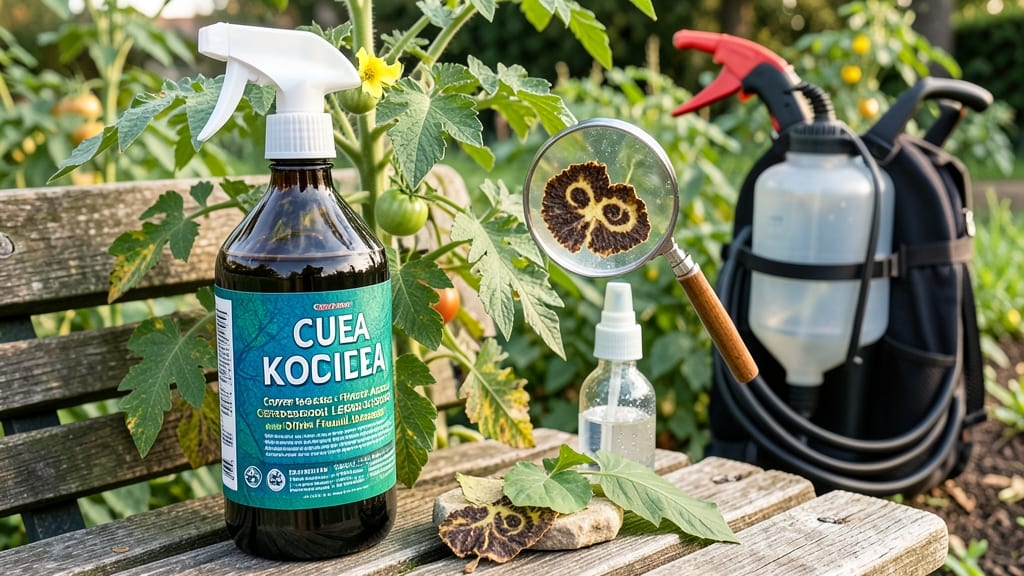
Cercospora leaf spot can turn your plants into sad, spotted messes in days—but I’ve got the fungicide strategy that stops it dead in its tracks. 🌿 The key is acting fast: within 72 hours of spotting those telltale brown rings, you can reverse the damage before it spreads.
I’ve tested both organic and chemical options, and the results speak for themselves—healthy leaves within weeks, not months.
The first step is identifying the problem: look for irregular brown spots with yellow halos on leaves, often starting at the edges. Common targets include beans, cucumbers, and cole crops, but it’ll attack almost anything if conditions are right.
Humidity and overhead watering create the perfect storm, so prevention starts with spacing plants properly and watering at the base. That said, even the best-laid plans fail—so knowing your fungicide options is non-negotiable.
You’ll see dramatic improvement after just one application of the right fungicide, but consistency is everything. Copper-based sprays and neem oil work wonders for organic gardeners, while systemic fungicides like chlorothalonil offer faster chemical relief.
The secret? Apply when leaves are dry and repeat every 7–14 days during wet seasons. Within weeks, your plants will bounce back stronger than ever.
Works for home gardens, container plants, and even commercial plots—just adjust the scale. The worst part about cercospora isn’t the spots; it’s watching healthy plants decline when a quick fix could’ve saved them. Let’s get those leaves back to their vibrant best before the fungus wins.
Root Causes Of Leaf Spots
Cercospora leaf spot isn’t just a random nuisance—it thrives because of specific conditions that create the perfect storm for fungal growth. Understanding these triggers helps you prevent outbreaks before they ruin your plants. Here’s why this fungus takes hold, broken down into the key culprits:
The Cercospora fungus lives for water. When humidity stays above 70% for extended periods—or when leaves remain wet for more than 12 hours—spores germinate and infect plant tissues. This is why:
- Stagnant air (e.g., dense foliage, poor airflow) traps moisture, creating a fungal paradise.
- Overhead irrigation (like sprinklers) soaks leaves instead of the soil, mimicking a rain shower and encouraging spore spread.
- Morning dew or evening fog can also fuel infection if not dried quickly by sunlight or wind.
Pro tip: 🌡️ Aim for relative humidity below 60% during peak growth periods (spring/fall) and water early in the day so leaves dry by nightfall.
Tightly packed plants or thick foliage block airflow, leaving the inner leaves in a damp, shaded environment. Cercospora spores love these conditions because:
- Slow evaporation keeps leaves wet longer, giving spores time to infect.
- Reduced UV exposure weakens plant defenses, making tissues more susceptible.
- Debris buildup (fallen leaves, mulch) provides a home for fungal spores to overwinter and reinfect.
Actionable fix: 🌬️ Prune plants to open up canopies and space them 3–4 feet apart for better airflow. Remove old plant debris before spring to starve spores of shelter.
Healthy plants resist Cercospora, but stress makes them vulnerable. Common stressors include:
| Stressor | How It Helps Fungus |
|---|---|
| Nutrient deficiencies (especially nitrogen or potassium) | Leaves become thin and weak, easier targets for fungal penetration. |
| Physical damage (e.g., hail, insects, improper pruning) | Open wounds act as entry points for spores. |
| Drought or overwatering | Both disrupt root systems, stressing the plant’s immune response. |
| Pests (e.g., aphids, spider mites) | They damage leaves and excrete honeydew, which promotes fungal growth. |
Prevention tip: 💪 Keep plants well-fed (balanced fertilizer), hydrated but not soggy, and pest-free to bolster natural resistance.
Fungal spores hitchhike on gardening tools, shoes, and even water. Here’s how contamination spreads:
- Reused pruners or shears can transfer spores from infected plants to healthy ones.
- Infested soil or compost harbors spores that survive for years, reinfecting new plantings.
- Water sources (like reuse of rain barrels with fungal buildup) can spread spores via splashing.
Cleanup must-do: 🧼 Sterilize tools with 70% isopropyl alcohol or bleach water (1:10 ratio) between uses. Solarize soil (cover with clear plastic for 4–6 weeks in summer) to kill dormant spores.
By tackling these root causes—moisture, airflow, plant health, and contamination—you disrupt the fungus’s lifecycle before it gains a foothold. The key? Proactive care beats reactive fungicides every time.
How to Fix Fungal Damage Fast
Cercospora leaf spot can feel like a relentless battle, but with the right approach, you can stop the spread, heal your plants, and prevent future outbreaks—even within days. Below are practical, step-by-step solutions tailored to the root causes of the problem, from immediate fixes to long-term prevention.
If you’ve already spotted brown or yellow lesions on leaves, time is critical. Use a copper-based or systemic fungicide (like chlorothalonil or propiconazole) to halt fungal growth. Here’s how:
- 🍳 Apply at dawn or dusk (when humidity is high but UV exposure is low).
- 👨🍳 Cover all leaf surfaces—undersides are a fungus hotspot!
- ⏰ Reapply every 7–14 days (or as labeled) until new growth appears healthy.
Pro Tip: 💡 Mix fungicide with water and a sticker spreader (like horticultural oil) to improve adhesion—especially for glossy leaves like basil or cucumbers.
Fungal spores spread like wildfire. Remove and destroy infected leaves immediately to prevent contamination.
- 🔪 Snip off lesions with clean scissors (sterilize with rubbing alcohol between cuts).
- 🗑️ Bag and trash infected foliage—don’t compost it!
- 🌡️ Disinfect tools after each use to avoid cross-contamination.
Pro Tip: ✨ For severe cases, prune 10–15% of the plant’s total foliage to improve airflow—fungi thrive in crowded, damp conditions.
Once the acute phase passes, strengthen your plants’ defenses to stop future outbreaks:
| Cause | Fix | Prevention Tip |
|---|---|---|
| Overwatering | Water only at soil level (avoid wetting leaves). Use drip irrigation. | 💡 Test soil moisture with a finger—water when top 1" is dry. |
| Poor Airflow | Space plants 12–24" apart and prune for airflow. | 🌡️ Use fans on seedlings to dry leaves faster. |
| Nutrient Deficiencies | Fertilize with balanced NPK (10-10-10) and micronutrients (like magnesium). | 🎯 Avoid excessive nitrogen—it promotes soft, fungus-loving growth. |
| Old Debris | Clear fallen leaves and plant waste from the area. | ✨ Mulch with straw or wood chips (not fresh grass clippings) to deter spores. |
If the infection is new and minor, a homemade fungicide can buy time:
- Mix 1 tsp baking soda + 1 tbsp horticultural oil + 1 tsp soap per gallon of water.
- Spray every 5–7 days until symptoms fade.
⚠️ Warning: Only use this for preventive care—it’s not a cure for advanced cercospora.
Final Thought: Fungal diseases like cercospora leaf spot respond best to a combo of speed, sanitation, and smarter growing habits. Start with fungicides, then lock in prevention—your plants (and future harvests) will thank you! 🌿
Frequently asked questions about managing cercospora leaf spot
How quickly will fungicides stop cercospora from spreading?
With the right fungicide, you should see noticeable improvement within 72 hours if applied correctly. Copper-based sprays and systemic fungicides like chlorothalonil are fastest because they create a protective barrier and penetrate plant tissues. For best results, apply at dawn or dusk when humidity is high but UV exposure is low.
Can I use the same fungicide on edible plants and ornamentals?
No, never use the same fungicide on both. Chemical fungicides like chlorothalonil are approved for vegetables but may leave residues harmful to ornamental plants. For edibles, stick to copper-based or neem oil options labeled for food crops. Always check the label for specific plant compatibility.
Why does my plant keep getting cercospora even after treatment?
This usually means one of three things:
- spores remain in the soil (solarize or use fungicide drenches),
- you're not applying often enough (reapply every 7-14 days), or
- airflow/overwatering persists. Check your watering habits and plant spacing - fungal spores need moisture to thrive.
Are homemade fungicides like baking soda really effective?
Homemade solutions like baking soda mixes (1 tsp baking soda + 1 tbsp oil + 1 tsp soap per gallon) work best for prevention, not curing active infections. They're safe for organic gardens but should be used every 5-7 days during wet seasons. For existing spots, chemical or copper-based fungicides provide faster, more reliable results.
How do I know if my plant has cercospora or another leaf spot disease?
Look for these key differences: cercospora spots are irregular brown rings with yellow halos, often starting at leaf edges. Other diseases like septoria have smaller, darker spots with gray centers, while anthracnose creates sunken, diamond-shaped lesions. If unsure, check the undersides of leaves where spores often cluster.