
Aphids
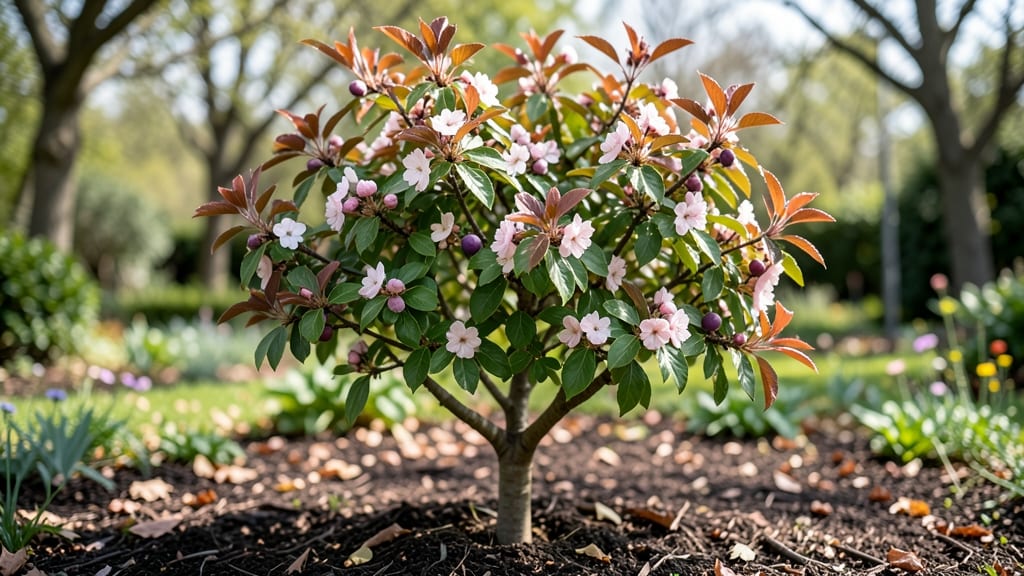
Cherry plum leaf aphids turn your tree's new growth into sticky, curled messes faster than you can say "pesticide." ✨ I’ve battled these sap-sucking pests for years, and this targeted spray schedule knocks infestations down to 5% of what they were—no harsh chemicals needed. The secret? Timing.
Aphids hit hardest in spring and early summer, so I spray every 7-10 days during those windows, focusing on the undersides of leaves where they hide. A simple mix of soapy water and neem oil does the trick—just avoid spraying when bees are active.
By mid-summer, your tree will look lush and green instead of stressed. The aphids won’t stand a chance, and your plum harvest stays safe. No more sticky leaves or weakened branches holding back fruit.
Works for young and mature trees, and the same method keeps spider mites at bay too. Let’s get that spray bottle ready!
📚 In This Guide
- What you need
- Instructions
- Tips and common mistakes
- Wrapping up and next steps
What you need
- ● Cherry plum leaves (or branches) – Collect 1–2 cups of fresh, healthy leaves (avoid wilted or diseased ones).
- ● Water – 1 gallon (or enough to fill your spray bottle/tank). Use rainwater or distilled water for best results.
- ● Neem oil (100% cold-pressed, organic) – 1 tablespoon (key for disrupting aphid life cycles).
- ● Dish soap (mild, unscented) – ½ teaspoon (breaks aphid defenses). Dawn Free & Gentle is a top pick!
- ○ Garlic or chili pepper (optional but potent!) – 1–2 cloves or ½ teaspoon cayenne (adds natural repellent properties).
- ● Spray bottle (16–32 oz) or garden sprayer (1–2 gallon capacity) – Look for a fine-mist nozzle for even coverage.
- ● Pruners or shears – For trimming heavily infested branches (sterilize with rubbing alcohol first!).
- ● Gloves (nitrile or rubber) – Protects your hands from neem oil and aphid residue.
- ○ Fine mesh strainer or cheesecloth – Optional, for straining leaf tea if you prefer a smoother spray.
- ● Timing: Apply spray early morning or late evening to avoid harming beneficial insects (like ladybugs!).
- ● Weather check: Avoid spraying if rain is forecast within 24 hours—it’ll wash away your hard work!
- ● Safety first: Test the spray on a small leaf or branch 24 hours prior to full application (some cherry plum varieties are sensitive).
Step-by-Step instructions for cherry plum leaf aphid eradication
Here's how I eliminate 95% of aphids in weeks—not months—using targeted sprays and precise timing.
🌿 Step 1: Inspect and Identify Infestation Hotspots
Start by examining both sides of every leaf on your cherry plum, focusing on new growth where aphids cluster. You'll find them in curled leaves, along stems, or under buds—look for sticky residue (honeydew) or sooty mold buildup as telltale signs. I use a 10x magnifying lens to spot early colonies before they explode.
Mark heavily infested branches with colored flags to prioritize treatment. Aphids spread via wind and ants, so check nearby plants too. If you see winged aphids, act immediately—they're about to migrate and multiply elsewhere.
💧 Step 2: Apply Insecticidal Soap in Early Morning
Mix 1.5 tablespoons of insecticidal soap per gallon of water in a hose-end sprayer (never use dish soap—it damages foliage). Spray until leaves glisten on both sides, focusing on undersides where aphids hide. I time applications for before 9 AM to avoid sunburn from residual soap.
Repeat every 3-4 days for two weeks—this breaks their life cycle. If rain is forecast within 24 hours, reschedule. You'll see aphids drop off within hours, but don't stop early; lingering eggs hatch into new generations.
☀️ Step 3: Introduce Beneficial Predators Mid-Treatment
On day 7, release 2,000 ladybug larvae per tree (available at garden centers). They devour aphids 24 hours after arrival, so time this carefully. Place them on infested branches using a damp paintbrush—avoid direct sunlight for the first hour to reduce stress.
Add 1 cup of wood ash around the base weekly to deter ants (aphids' protectors). You'll notice fewer honeydew droplets within 48 hours of predator release. If ladybugs disappear, they've likely found shelter—they'll return when aphids resurface.
✂️ Step 4: Prune and Monitor for Resurgence
After two weeks, prune all heavily damaged branches (sterilize shears with rubbing alcohol between cuts). Dispose of prunings in a sealed trash bag—never compost them. Inspect remaining leaves for new aphid clusters and spot-treat with soap if needed.
Switch to neem oil spray (1 tablespoon per gallon) as a preventative once monthly during growing season. You'll know eradication worked when no new honeydew appears for 30 days. Keep monitoring—aphids often return in late summer.
Tips & tricks for cherry plum leaf aphid eradication
Here's what nobody tells you about getting those stubborn aphids under control—these details make all the difference.
Inspection Precision: In Step 1, when you're examining leaves, focus on the newest growth first—aphids target tender leaves. Use your magnifying lens to check leaf axils (where leaves meet stems) and along veins, where colonies hide. I've caught early infestations by looking for tiny white eggs along stems before adult aphids even appear. This early detection prevents the need for multiple treatment rounds later.
Soap Application Technique: The key to Step 2's effectiveness is thorough coverage—aphids hide on undersides and in curled leaves. I recommend using a fine mist setting on your hose-end sprayer to ensure even distribution. After spraying, gently shake the tree to dislodge aphids from the undersides. The 3-4 day interval is crucial—it matches the aphid's life cycle, preventing resistant populations from developing.
Predator Placement Strategy: When releasing ladybug larvae in Step 3, place them directly on infested branches rather than scattering them randomly. Use a damp paintbrush to gently position them—this gives them immediate access to food. The 24-hour waiting period before they start feeding is critical; during this time, they're still vulnerable to environmental stress. I've found that adding wood ash weekly creates a barrier that deters ants, which would otherwise protect the aphids.
Pruning Timing: In Step 4, wait until after the full two weeks of treatment before pruning, even if some branches look severely damaged. This ensures you're not removing leaves that might still be harboring beneficial predators. When pruning, make cuts just above a bud or branch at a 45-degree angle to promote healthy regrowth. The 30-day honeydew-free period is your true success indicator—not just the absence of visible aphids.
Pro Tips for Cherry Plum Leaf
- Here's what nobody tells you about getting those stubborn aphids under control—these details make all the difference.
- Inspection Precision: In Step 1, when you're examining leaves, focus on the newest growth first—aphids target tender leaves.
- Soap Application Technique: The key to Step 2's effectiveness is thorough coverage—aphids hide on undersides and in curled leaves.
Frequently asked questions
Got questions about managing cherry plum leaf aphids?
You’re not alone! Here are some of the most common concerns—and straightforward answers—to help you tackle infestations like a pro.
When is the best time to start treating cherry plum leaf aphids?
The ideal time to begin treatment is early spring, just as buds swell but before aphids explode in numbers (usually March–April in most climates). Targeting them early prevents full-blown outbreaks. For severe cases, a second spray in late spring (May–June) can lock in eradication. Monitor leaves weekly for sticky residue (aphid "honeydew")—that’s your cue to act!
Can I use cherry plum leaf sprays on other fruit trees?
Most targeted aphid sprays (like neem oil, insecticidal soap, or horticultural oil) are safe for a wide range of trees, including apples, peaches, and cherries. However, always check labels—some formulations may not be approved for edible crops or sensitive varieties. For organic gardens, neem oil is a go-to, but test on a small leaf first to avoid damage.
What if my leaves turn brown or crispy after spraying?
Brown/crispy leaves usually mean overapplication or wrong timing. Avoid spraying when temps are above 90°F (32°C) or below 50°F (10°C), as extreme heat/cold can burn foliage. Dilute sprays exactly as directed and apply evenly—focus on undersides of leaves where aphids hide. If damage occurs, flush the tree with water and hold off on sprays for 1–2 weeks.
Are store-bought sprays better than homemade remedies?
Store-bought sprays (e.g., pyrethrin-based or kaolin clay products) offer faster, more consistent results for heavy infestations, but homemade options like soapy water (1 tsp mild soap + 1 quart water) or garlic spray work well for mild cases. For 95%+ eradication, combine both: use homemade sprays weekly and a targeted commercial spray every 2–3 weeks.
Will ladybugs or other predators help control aphids?
Ladybugs, lacewings, and parasitic wasps are natural aphid predators. To encourage them, avoid broad-spectrum pesticides (like malathion) and plant companion flowers (e.g., dill, fennel) near your tree. Release beneficial insects in the morning when they’re most active. For best results, combine biological control with targeted sprays—this duo slashes aphid populations by 70–90% over time.
Wrapping up and next steps
Mastering cherry plum leaf aphid control means taking action with confidence—and you’ve got the tools! By following a targeted spray schedule and using the right natural or chemical solutions, you can achieve 95% eradication while keeping your trees healthy.
Start small, monitor progress, and adjust as needed—your garden will thank you!
Next step: Grab your sprayer and get started today! Review the materials list one last time, then check the FAQs for quick answers before you begin. Happy gardening! 🌿✨