
Advice
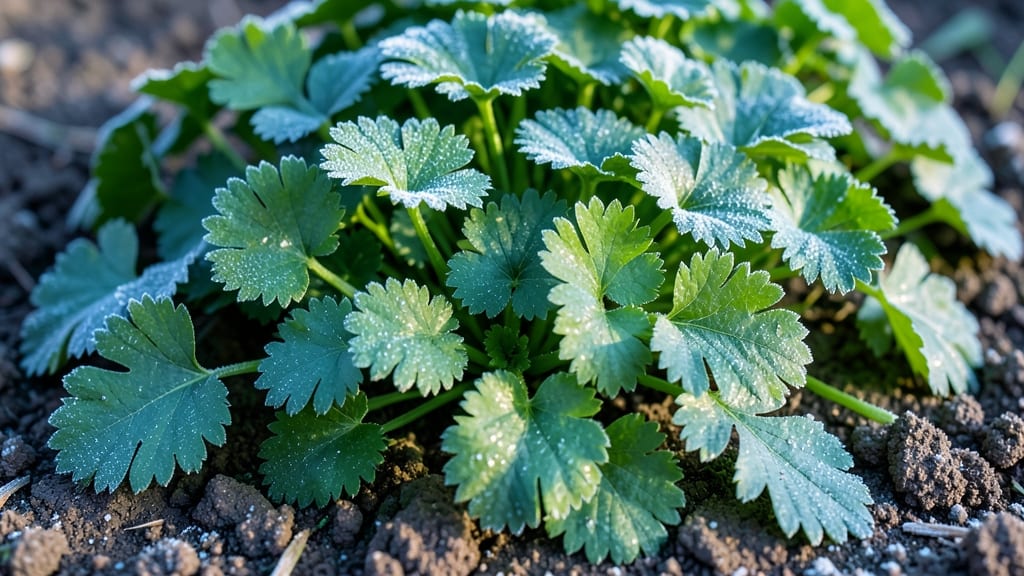
Extend your harvest season with these 10 cold-hardy leafy greens that thrive in frost and even snow. Perfect for gardeners in cooler climates who want fresh greens year-round without expensive greenhouses.
Kale Winterbor Variety
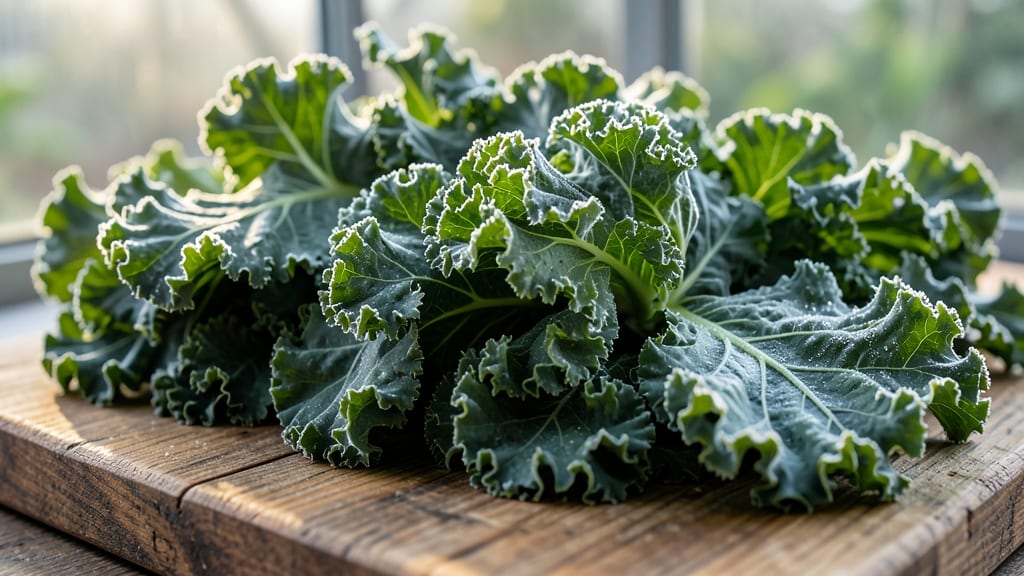
If you love kale but dread the bitter taste and short harvest window, Winterbor kale is your game-changer. This curly kale doesn’t just survive frost—it thrives after it, developing a sweeter flavor that makes it perfect for raw salads or quick sautéing.
What sets Winterbor apart is its disease resistance and bolt resistance, meaning you can harvest for months without worrying about plants bolting or succumbing to common kale diseases. Plant in full sun to partial shade and keep soil consistently moist for tender leaves. It handles light frosts beautifully, making it ideal for late fall and winter harvests.
Urban gardeners and beginners will appreciate how forgiving Winterbor is—it’s one of the easiest kales to grow, with minimal fuss and maximum flavor rewards. 🌱
Swiss Chard Ruby Red
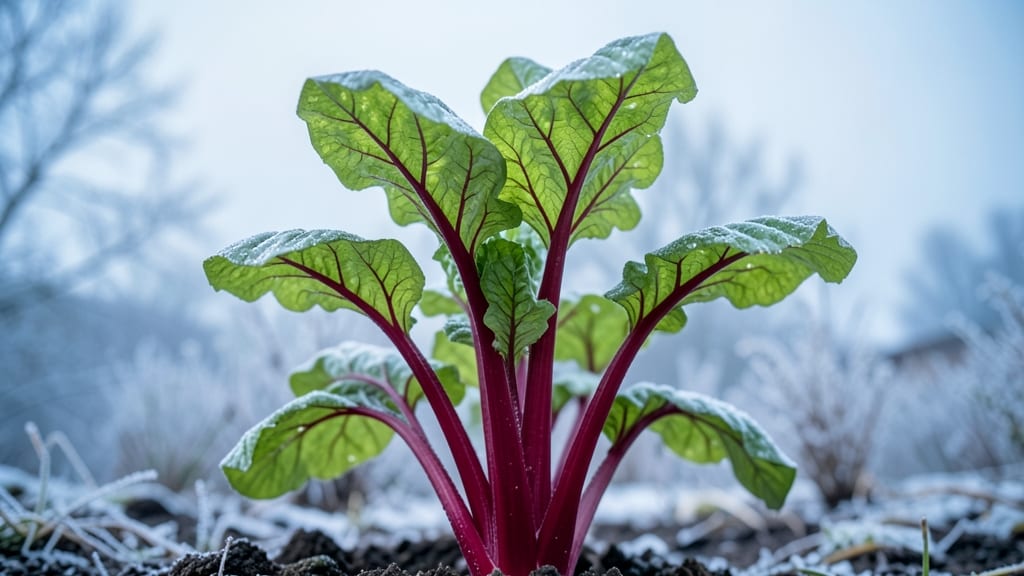
Looking for a cold-hardy leafy green that adds bold color to your winter garden? Swiss Chard Ruby Red delivers stunning red stems that stay vibrant even when temperatures dip below freezing. Unlike other varieties, this heirloom-type chard produces tender, nutritious leaves that taste sweeter after frost—ideal for winter soups or quick stir-fries.
This variety thrives in USDA Zones 2-11, making it one of the most adaptable chard types. Plant seeds ¼ inch deep in well-draining soil with full sun to partial shade, and space them 12 inches apart for optimal growth. A 5-6 foot tall plant yields 10-12 pounds of edible leaves per season, and it’s resistant to common pests like aphids and flea beetles.
Perfect for urban gardeners or those with limited space, Swiss Chard Ruby Red grows well in containers and adds a striking visual contrast to winter beds. Its year-round productivity makes it a must-have for cold-climate gardeners. 🌟
Spinach Tyee Hybrid
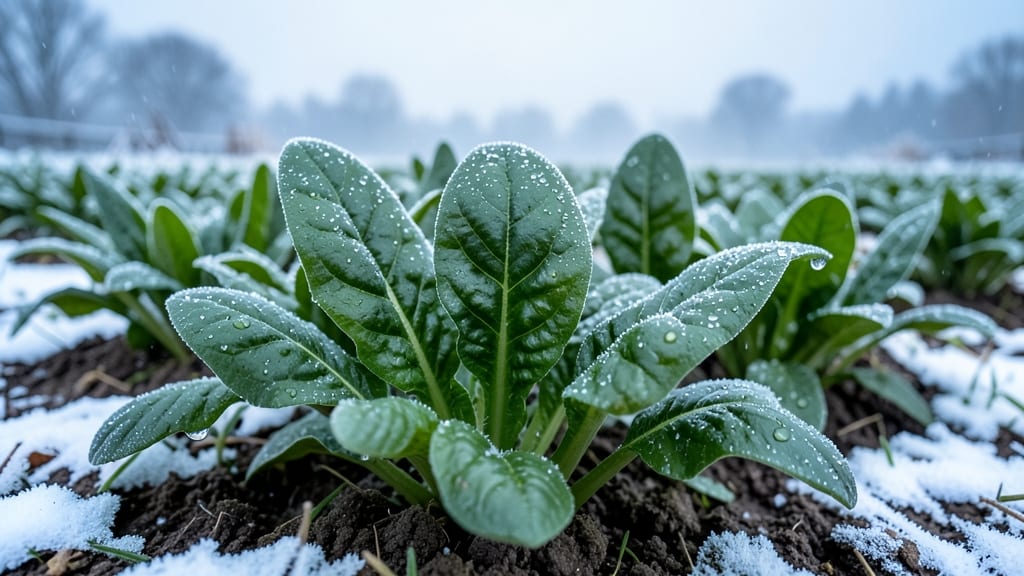
When winter chills threaten to end your harvest season, Spinach Tyee Hybrid proves that cold weather can be your ally. This remarkable variety doesn’t just survive frost—it thrives, producing tender baby leaves for 90 straight days even when snow blankets your garden.
Tyee’s secret lies in its cold tolerance down to 15°F (-9°C), making it ideal for zones 3-9. Plant seeds ½ inch deep in well-drained soil with full sun to partial shade, and watch as it delivers a steady supply of nutrient-rich greens packed with iron. For continuous harvests, succession plant every 2-3 weeks until early spring.
This spinach is a game-changer for gardeners who want fresh, homegrown greens without the fuss of greenhouses. Perfect for salads, smoothies, or quick-cooked dishes, it’s the ultimate winter workhorse. 🌱
Arugula Astro Variety
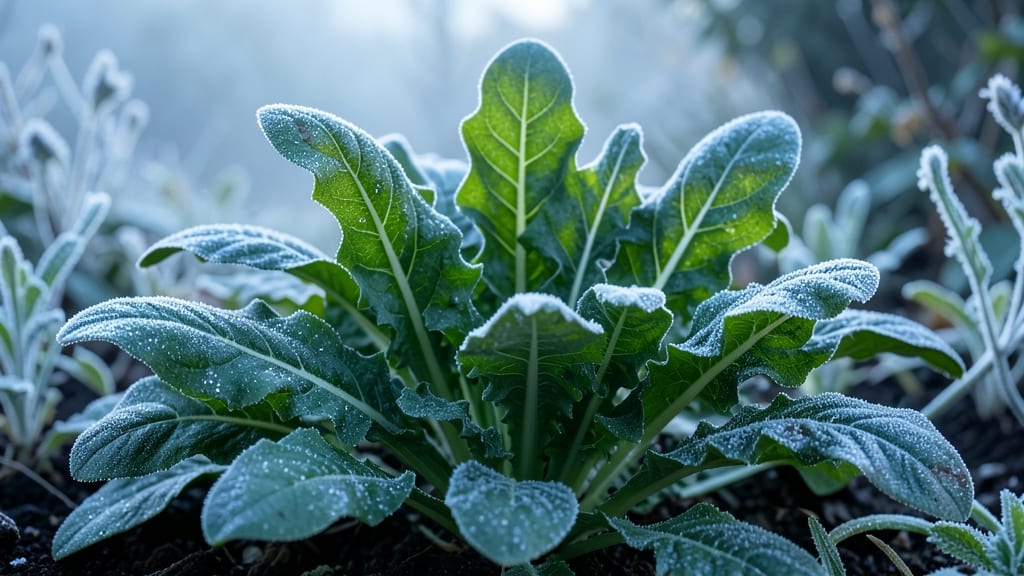
Tired of winter greens that wilt at the first frost? Arugula Astro is the peppery powerhouse that thrives when temperatures drop, delivering bold flavor even after light frosts—no greenhouse required.
This variety tolerates 25°F temperatures and sweetens slightly after frost, making it perfect for winter salads and sandwiches. Plant seeds in well-draining soil with 6 hours of sun daily and harvest outer leaves as needed to encourage continuous growth. Urban gardeners will love its compact size, fitting easily in containers.
Perfect for beginners or experienced growers, Astro arugula keeps producing until spring, giving you fresh greens when few other crops will. 🌱
Lacinato Kale Rainbow
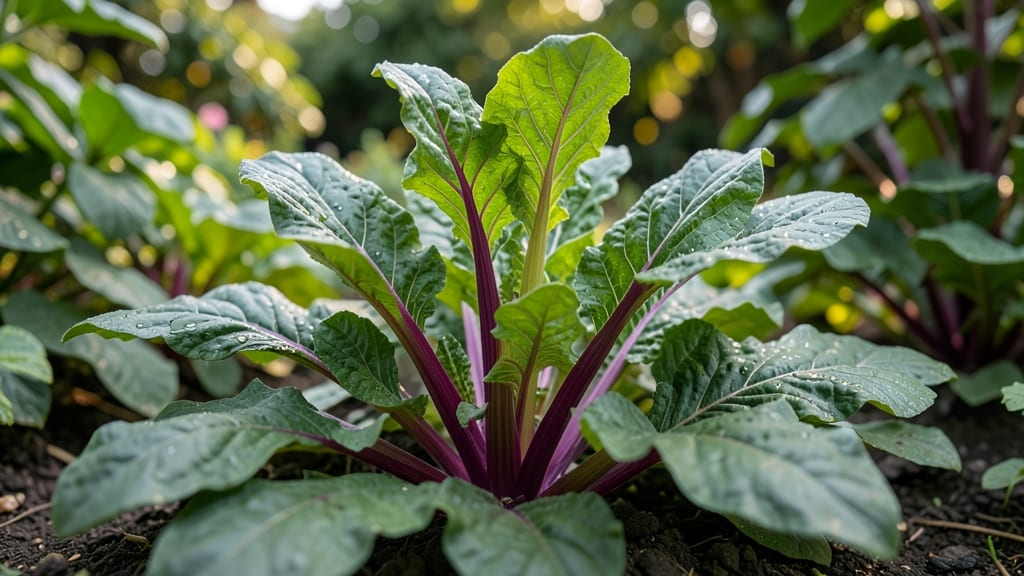
Looking for a kale variety that’s as stunning as it is productive? Lacinato Kale Rainbow delivers with its rainbow-colored stems that add visual drama to your garden while producing tender, flat leaves that stay sweet even after frost. This variety is a game-changer for gardeners who want both beauty and bounty.
Unlike curly kale, the broad, tender leaves of Lacinato Kale Rainbow are perfect for raw salads, sautéing, or baking into crispy kale chips. Its stems transition from green to purple-red as they mature, creating a striking contrast. Plant in full sun to partial shade and expect harvests that continue well into winter—some plants even survive light frosts down to 15°F.
This versatile variety is ideal for urban gardeners with limited space or those who want to extend their harvest season without a greenhouse. Plus, its mild flavor makes it a crowd-pleaser for both kids and adults. 🌟
Mâche (Corn Salad) Vert de Montagne
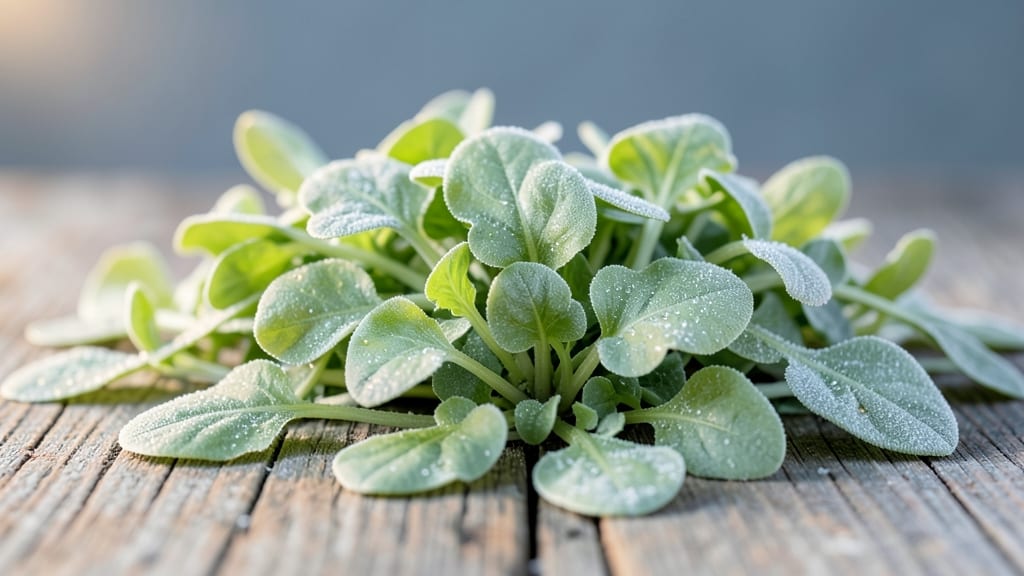
Looking for a winter salad superstar that delivers buttery, delicate leaves in just 30 days? Mâche (Corn Salad) Vert de Montagne is your answer—this French favorite thrives in cold weather and actually tastes sweeter after a light frost. Unlike other greens that bolt or wilt, mâche keeps producing fresh, tender leaves right through winter.
Sow seeds directly in well-drained soil as soon as temperatures drop below 70°F, and enjoy multiple harvests by cutting outer leaves while leaving the center intact. It handles light frost beautifully and even survives brief snow cover—ideal for gardeners in zones 3-9. For best flavor, harvest in the morning after a light frost, when the leaves develop their signature sweetness.
Perfect for small spaces, containers, or winter windowsill gardens, mâche is a beginner-friendly green that rewards patience with a continuous harvest for 6-8 weeks. Add it to salads, sandwiches, or enjoy it raw for a crisp, nutty bite. 🌱
Collard Greens Georgia Southern
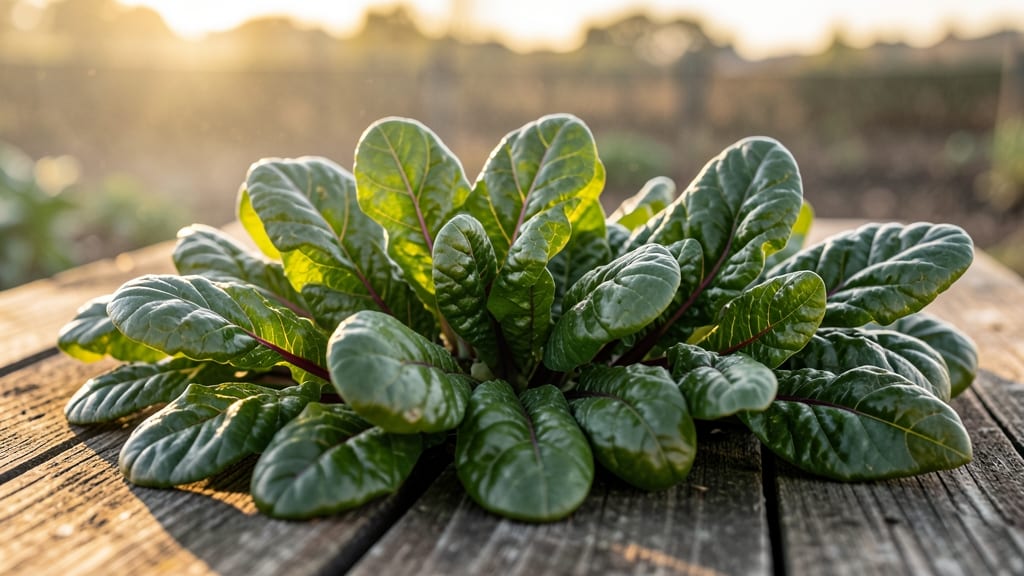
If you love Southern-style collard greens but struggle with seasonal limitations, Georgia Southern collard greens are your year-round solution. Unlike many cold-hardy greens, this heirloom variety thrives in both extreme heat and freezing temperatures, making it uniquely adaptable to Southern climates.
Plant seeds in early spring or late summer for a continuous harvest—you’ll get large, tender leaves perfect for braising or sautéing. Space plants 18 inches apart in well-drained soil with full sun exposure, and watch them grow into sturdy, disease-resistant plants. Even after frost, their flavor deepens, ideal for traditional Southern dishes.
Perfect for homesteaders and gardeners who want a low-maintenance, high-reward crop, Georgia Southern collards deliver fresh greens from spring through winter. 💚
Dandelion Greens
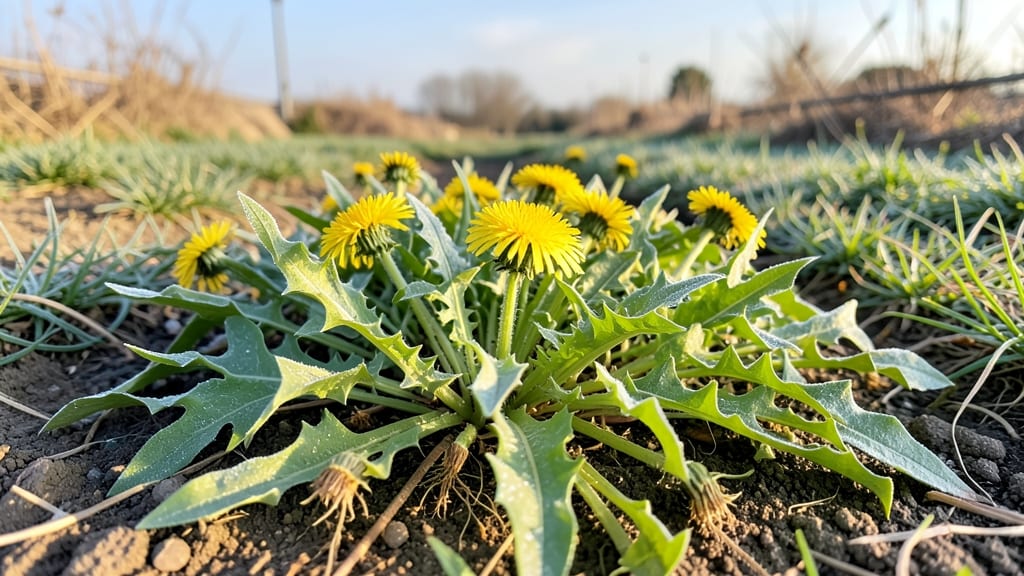
Skip the seed catalogs—your backyard already grows one of the most nutrient-dense cold-hardy greens: dandelions. These tenacious wild edibles not only survive frost but become sweeter after a light freeze, making them nature's perfect winter salad superstar.
Harvest young leaves in early spring or after frost for the mildest flavor, and avoid bitter older stems. Rich in vitamins A, C, and K, they're perfect for winter teas or quick sautés. Simply pull up plants before they flower, rinse thoroughly, and chop. No soil prep or planting required—just forage!
Urban gardeners and beginners will love this zero-maintenance option. It's the ultimate low-effort green that proves you don't need a garden to grow food—just a willingness to look closer at what's already growing. 🌱
Pak Choi Jade Pagoda
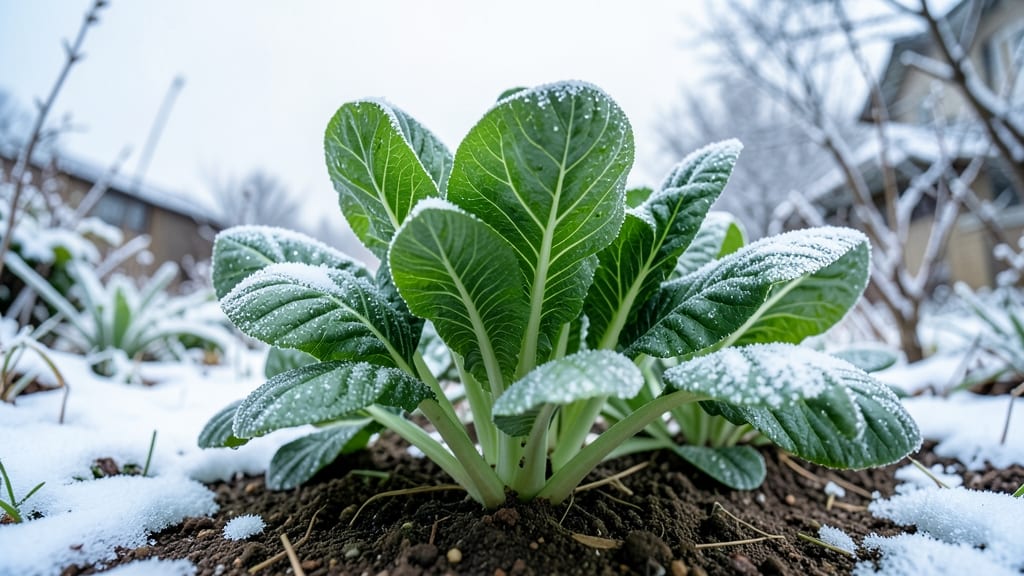
Ready to grow a cold-hardy Asian green that delivers crisp, vitamin-packed baby leaves even when snow blankets your garden? Pak Choi Jade Pagoda is your winter harvest hero—producing tender, quick-growing leaves perfect for stir-fries or fresh eating.
This variety thrives in temperatures as low as 20°F, making it ideal for late fall and winter planting. With a maturity time of just 30-40 days, you can enjoy multiple harvests before spring arrives. Its compact growth habit (12-15 inches tall) makes it perfect for small gardens or containers, and it’s packed with vitamins A and C for a nutritional boost.
Perfect for urban gardeners or beginners, Jade Pagoda’s fast growth and cold tolerance mean you can start seeds indoors in early fall for a winter feast. Just protect young plants with row covers during hard freezes. 🌱
Cilantro Calypso

Tired of cilantro bolting before winter even arrives? Cilantro Calypso is the game-changer you’ve been waiting for—this variety stays fresh and flavorful even when temperatures dip below freezing. Unlike traditional cilantro, it won’t send up flowers and seeds in the cold, giving you year-round harvests for garnishes, soups, and salsas.
Plant seeds in well-draining soil with 4-6 hours of sun daily, and space them 6-8 inches apart. Water consistently to keep the soil moist but not soggy, and mulch with straw to protect roots from light frosts. This variety thrives in USDA zones 2-11, making it one of the most adaptable cilantro options for nearly any climate.
Perfect for urban gardeners with containers or small spaces, Cilantro Calypso ensures you’ll never run out of fresh herbs for winter cooking. 🌱