
Pests and Diseases
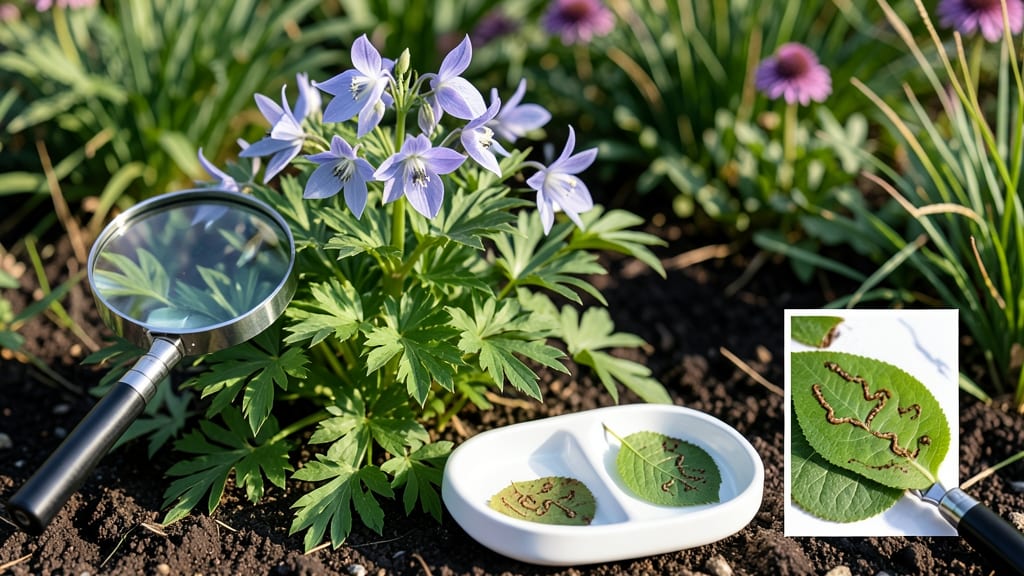
Your columbine leaves are turning crispy and brown from leaf miners—those tiny, sneaky pests that chew through foliage like a caterpillar in a salad bar. 🌿 I’ve battled them too, and the good news?
You can rescue your plants with organic sprays and a few smart tricks before the damage gets worse. The culprits are usually the larvae of small moths, which tunnel through leaves, leaving behind telltale blisters and webbing.
The damage might look irreversible, but early action—like neem oil sprays or insecticidal soap—can stop the spread and help your columbine bounce back with fresh growth. You’ll see improvement within 1-2 weeks if you catch it soon, and the plants often recover fully with proper care.
The key is acting fast before the miners move on to new leaves, turning your once-vibrant blooms into a sad, skeleton-like mess. This method works for all columbine varieties, whether they’re in containers or garden beds. Let’s get those leaves looking lush again!
Root Causes of Leaf Damage
Understanding why these tiny pests target your columbines starts with their biology and your garden’s environment. Here’s a breakdown of the key factors that invite leaf miners into your plants—and how they thrive once they arrive.
The damage you see isn’t random—it’s the work of leaf miner larvae, the offspring of small flies (often Phytomyza species). These larvae hatch in spring or early summer and immediately begin tunneling between leaf layers, feeding on plant tissue.
Their behavior is driven by: - High humidity: Moisture softens leaves, making them easier to penetrate and consume. - Warm soil temperatures: Ideal for adult flies to emerge and lay eggs (60–80°F is prime time). - Tender new growth: Young, succulent leaves are their preferred buffet.
Why it matters: If you spot serpentine tunnels or brown, crispy patches on leaves, you’re likely seeing the aftermath of larvae that hatched just days prior.
Healthy columbines are resilient, but stress makes them vulnerable.
Leaf miners exploit plants weakened by: - Overwatering or drought: Both disrupt nutrient uptake, making leaves less able to fight off pests. - Nutrient deficiencies: Low nitrogen or potassium weakens cell walls, inviting larvae to burrow in. - Physical damage: Pruning wounds or hail scars create entry points for flies to deposit eggs.
Pro tip: 🌡️ Test your soil—if pH is off (too acidic or alkaline), your plants can’t defend themselves as effectively.
Not all columbines are equally appealing to leaf miners.
These pests favor: - Thick, fleshy leaves: Varieties like Aquilegia canadensis (wild columbine) are high-risk due to their soft tissue. - Slow-growing species: Plants that don’t outpace larval feeding become easy targets. - Shaded or sheltered spots: Dark, humid microclimates (like under trees) mimic the larvae’s natural habitat.
Avoid the trap: If your garden has dense, shaded beds, consider pruning nearby trees or adding airflow to deter flies.
Leaf miners don’t attack year-round—their lifecycle is tightly linked to seasonal cues:
- Spring emergence: Adult flies appear when soil warms, often March–May in most climates.
- Peak egg-laying: Humid afternoons (after rain or irrigation) trigger flies to oviposit on undersides of leaves.
- Summer feeding frenzy: Larvae grow rapidly in June–August, causing visible damage just as your plants should be thriving.
Watch for: 🔍 Newly hatched larvae (tiny, white, and worm-like) on the bottom of leaves—this is your first warning sign.
Some causes are unavoidable but can be mitigated:
- Wildlife corridors: Nearby meadows or forests may harbor fly populations that migrate to your garden.
- Wind patterns: Flies can be carried miles on breezes, especially in open landscapes.
- Climate shifts: Warmer winters can extend the fly’s active season, leading to two generations per year instead of one.
Solution: 🌿 Plant trap crops like nasturtiums or marigolds to lure flies away from your columbines.
Quick Fixes for Wrinkled, Damaged Leaves
When tiny larvae turn your vibrant columbine foliage into a skeletonized mess, acting fast is key. The good news? You can reverse the damage and protect your plants with a mix of organic sprays, cultural tweaks, and preventative habits.
Below, we break down the most effective solutions—cause by cause—so you can tackle the problem at its source.
The first line of defense? Stop the spread. Larvae tunnel through leaves, making them crispy and unsalvageable. Here’s how to clean up:
- 🍳 Snip and Toss: Use clean pruners to cut off heavily damaged leaves (look for white, serpentine trails or brown, dried patches).
Dispose of them in a sealed trash bag—do not compost—to prevent reinfestation. - 👨🍳 Wash Healthy Leaves: If some leaves show early signs (tiny dots or slight browning), rinse them with soapy water (1 tsp mild dish soap per gallon of water) to dislodge eggs or larvae.
Spray the undersides too—larvae love hiding there! - ⏰ Timing Matters: Do this in the early morning or late afternoon to avoid stressing the plant in hot sun.
Chemical pesticides can harm beneficial insects, but organic options target leaf miners without collateral damage. Try these DIY or store-bought fixes:
🔪 Neem Oil Spray (Best for All Stages)
Neem oil disrupts larvae feeding and egg-laying while being pet- and bee-friendly. How to use: 1. Mix 1 tbsp neem oil + 1 tsp mild soap in 1 quart of water.
- Spray thoroughly on both leaf sides, especially undersides.
- Reapply every 5–7 days until new growth appears (usually 2–3 weeks). ✨ Pro Tip: Add a few drops of horticultural oil for extra stickiness—larvae won’t stand a chance!
🥘 Kaolin Clay (Physical Barrier)
This white, chalky clay coats leaves, making them unappetizing to larvae and blocking sunlight (which they need to thrive). How to use: 1. Mix 2 tbsp kaolin clay + 1 tsp soap in 1 gallon of water.
- Spray leaves until dusty (avoid flowers to protect pollinators).
- Reapply after rain or every 2 weeks.
🌡️ Beneficial Nematodes (Underground Help)
For prevention, introduce Steinernema feltiae nematodes to the soil. These microscopic worms seek out and kill leaf miner larvae in the pupal stage. How to use: 1.
Water the soil 1–2 days before application. 2. Apply nematodes in the evening (they die in UV light). 3. Water lightly after to help them move into the soil.
Leaf miners thrive in stressed or overcrowded plants. Adjust your care routine to make your columbines less inviting:
- 💡 Improve Airflow: Space plants 12–18 inches apart and prune nearby foliage to reduce humidity (larvae love damp, shaded areas). - 🎯 Feed the Right Way: Over-fertilizing (especially with high nitrogen) makes plants soft and tasty.
Use a balanced 10-10-10 or organic compost instead. - 🔄 Rotate Plantings: If you grow columbines yearly, move their location each season to break the leaf miner life cycle. - 🍂 Clean Up Debris: Remove fallen leaves and plant waste from the base of plants—larvae pupate in the soil over winter.
Once you’ve rescued your plants, keep them miner-free with these habits:
| Prevention Step | How to Do It |
|---|---|
| 🌱 Plant Resistant Varieties | Choose Aquilegia ‘Nana’, ‘Crimson Star’, or ‘Black Barlow’—they’re less appealing to miners. |
| 🕷️ Encourage Predators | Attract ladybugs, lacewings, and parasitic wasps with dill, fennel, or marigolds nearby. |
| 🌧️ Water at the Base | Avoid wetting leaves to deter egg-laying. Use drip irrigation instead of overhead sprinklers. |
| 📅 Monitor Early | Check new growth weekly for tiny white eggs or early tunnels. Act fast! |
Final Thought: Leaf miners are a nuisance, but with consistent organic sprays, better plant care, and a little vigilance, your columbines will bounce back stronger. Start with removal and neem oil, then layer in cultural fixes—your garden will thank you! 🌿✨
Frequently asked questions
What do columbine leaf miner tunnels look like?
The damage appears as white, serpentine trails between leaf layers, often with brown, crispy patches where larvae have fed. Look closely—you may spot tiny white larvae or their shed skins along the tunnels. Early signs include small, irregular brown spots that expand over 5-7 days.
Will my columbine plant recover from leaf miner damage?
Yes! With prompt action, plants often regrow healthy leaves within 2-3 weeks. Remove heavily damaged foliage, apply neem oil, and improve airflow. The key is stopping new larvae—once they’re gone, your columbine will focus energy on fresh growth. Severe cases may need pruning to encourage new shoots.
How do I prevent leaf miners from coming back next year?
Start with fall cleanup: Remove all plant debris where larvae pupate. Rotate planting locations yearly, improve drainage, and plant trap crops like nasturtiums. Apply kaolin clay spray in early spring before flies emerge. Beneficial nematodes in soil also provide long-term protection.
Are chemical pesticides safe for columbines?
Most chemical pesticides can harm beneficial insects and may leave residues on edible plants. For columbines, organic options like neem oil or insecticidal soap are safer. If you must use chemicals, choose pyrethrin-based sprays (derived from chrysanthemums) and apply only when bees aren't active. Always follow label instructions precisely.
Can I save a columbine with 90% leaf damage?
It depends on the root system's health. If the stems are still firm and you can see green buds at the base, prune back all damaged growth and focus on recovery care. For severe cases, consider propagating from healthy stems. If the entire plant looks dead, it may need replacement—but start fresh with resistant varieties next time.