
Pests and Diseases
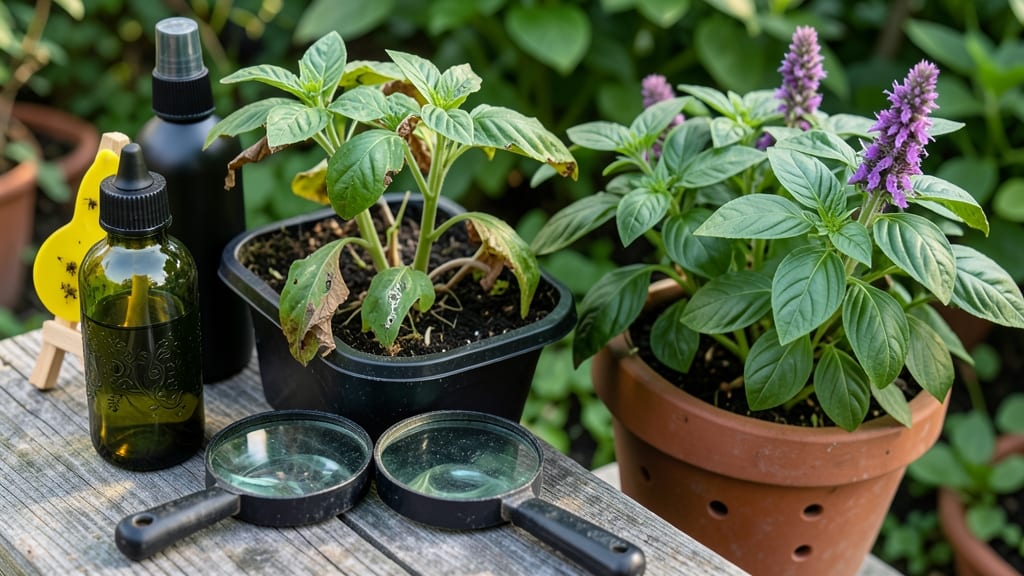
Controlling leaf miners is essential to save your prized foliage from becoming a skeleton show—those telltale white squiggles mean it's time to act. 🌿 I've battled these pests in my basil and beets, and while they're frustrating, organic sprays can restore your plants to healthy, vibrant growth without harsh chemicals.
The key is catching them early, before the damage spreads to every leaf.
These tiny maggots tunnel through leaves, leaving behind winding trails that stunt photosynthesis. The damage starts small—maybe one leaf here or there—but if ignored, your entire plant can look like Swiss cheese. I learned the hard way that waiting until the problem is obvious makes treatment much harder.
The good news? A few targeted sprays can turn things around in just a couple of weeks.
You'll see results fast with the right approach: neem oil sprays, insecticidal soap, or even a simple homemade garlic solution. The goal is to smother the larvae before they pupate, and within 10-14 days, new growth emerges clean and strong.
Your plants won't just survive—they'll thrive, with fuller leaves and stronger stems than before the infestation.
This works for tomatoes, peppers, herbs, and even houseplants like hibiscus. The same principles apply whether you're dealing with a small container garden or a full backyard plot. Let's get those leaves back to their best.
The Hidden Triggers Behind Leaf Miners
Leaf miners aren’t just random pests—they thrive because of specific conditions that make your plants irresistible to them. Understanding these triggers is the first step to stopping them in their tracks. Here’s why these tiny, destructive larvae show up in your garden or home plants.
Leaf miners (like Liriomyza species or serpentine leaf miners) target plants that are already struggling. When plants are stressed, their natural defenses weaken, making them easier prey. Here’s how it happens:
- Nutrient Deficiencies 🌱 Plants lacking key nutrients (especially nitrogen, phosphorus, or potassium) produce thinner, weaker leaves—perfect for miners to burrow into. A simple soil test can reveal imbalances before pests arrive.
- Overwatering or Underwatering 💧 Both extremes stress plants. Overwatered soil leads to root rot and soft leaves, while drought weakens foliage. Miners exploit these conditions by tunneling into tender, waterlogged or dehydrated tissue.
- Poor Air Circulation 🌬️ Dense foliage or crowded plants trap humidity, creating a cozy environment for miners. Without airflow, leaves stay damp longer, accelerating larval activity.
Pro Tip: 💡 Rotate plants seasonally to improve airflow and space them according to their mature size. Healthy spacing = fewer miner hotspots!
Leaf miners don’t just appear—they’re drawn to specific climates that suit their life cycle. Here’s what makes your garden a miner’s paradise:
- Warm Temperatures 🔥 Most leaf miners thrive in 60–85°F (15–30°C) ranges. If your growing season extends into these temperatures, miners will multiply rapidly. Cool nights slow them down, but heatwaves? That’s their party time.
- High Humidity 🌧️ Miners prefer moist environments. Greenhouses, shaded areas, or regions with frequent rain create the perfect breeding ground. Even indoor plants near bathrooms or kitchens (with steamy air) can attract them.
- Seasonal Peaks ⏳ Miners often surge in spring and summer, when new growth is tender and abundant. Overwintering adults emerge as temperatures rise, laying eggs on fresh leaves.
Pro Tip: ✨ Monitor humidity with a hygrometer and use fans or dehumidifiers in greenhouses to keep levels below 60%. Dry air = less miner activity!
Sometimes, we accidentally create the perfect conditions for leaf miners without realizing it. Here’s how:
- Bringing Infested Plants Indoors 🌿 Purchasing or propagating plants from nurseries, farmers' markets, or online can introduce miners unknowingly. Always quarantine new plants for 2–4 weeks and inspect leaves thoroughly.
- Compost or Mulch from Unknown Sources 🌱 Leaf miners can hitch a ride in compost or mulch contaminated with pupae. Use sterilized compost or source mulch from reputable suppliers.
- Ignoring Early Signs 👀 Miners start small—tiny white specks (eggs) or serpentine trails (larvae). By the time you see brown, skeletonized leaves, the infestation is often severe. Catch them early by inspecting undersides of leaves weekly.
Pro Tip: 🔥 Shake plants outdoors over a white sheet before bringing them inside. If you spot tiny maggots or eggs, treat immediately!
Not all plants are equal in the eyes of leaf miners. Some are magnets, while others are rarely targeted. Here’s why certain plants get hit harder:
- Tender, Succulent Leaves 🍃 Miners love plants with soft, thin leaves (e.g., basil, spinach, beans, or citrus). These provide easy access for larvae to tunnel without resistance.
- Fast-Growing Species 🌱 Plants that produce rapid new growth (like tomatoes or peppers) give miners a buffet of fresh leaves to colonize before you notice.
- Specific Plant Families 🌿 Some miners specialize in certain families:
- Serpentine leaf miners favor solanaceous plants (tomatoes, peppers, eggplants).
- Chrysanthemum leaf miners target Asteraceae (chrysanthemums, dahlias, artichokes).
Pro Tip: 🎯 Rotate crops annually to disrupt miner life cycles. If you’ve had miners in tomatoes, avoid planting nightshades in the same spot next year!
Miners don’t just attack visible leaves—they exploit hidden niches where you might miss them:
- Undersides of Leaves 🍃 Most eggs and early larvae hide on the lower leaf surfaces, out of plain sight. Flip leaves regularly to spot white eggs or tiny white maggots.
- Greenhouse Structures 🏠 Greenhouses trap heat and humidity, accelerating miner life cycles. Check frames, benches, and soil for pupae (small, white, rice-like cocoons).
- Potted Plants Near Windows 🪟 Indoor miners often start near sunny windows, where leaves bake slightly—weakening defenses. Move pots away from direct heat sources.
Pro Tip: 🌡️ Use yellow sticky traps near plants to monitor adult fly activity. If you’re catching flies, miners are likely nearby!
Quick Fixes for Leaf Miner Damage
Leaf miners may seem like a stubborn pest, but with the right approach, you can restore your plants to their former glory—without toxic chemicals. Below are targeted solutions based on the root cause of your leaf miner problem, from immediate fixes to long-term prevention.
Cause: Existing mines provide shelter and food for larvae. Fix:
- Handpick and destroy heavily damaged leaves daily (wear gloves!). Drop them into a sealed bag or soapy water to kill larvae.
- Prune entire branches if >50% of leaves are affected—this stops the cycle faster than spot-treating.
- Pro tip: 💡 Use sharp scissors (not fingers!) to avoid spreading frass (larval poop) to healthy leaves.
Cause: Eggs and young larvae are vulnerable to surface treatments. Fix: Choose one of these DIY sprays (rotate weekly to prevent resistance):
| Spray | How to Make It | How to Apply | Best For |
|---|---|---|---|
| Neem Oil Spray | 1 tbsp neem oil + 1 tsp mild soap + 1 quart water | Spray top/bottom of leaves at dusk | All life stages (eggs, larvae) |
| Insecticidal Soap | 2 tbsp liquid soap + 1 quart water | Spray directly on mines (avoid flowers) | Young larvae (under 1/4") |
| Kaolin Clay Mix | 2 tbsp clay + 1 tsp soap + 1 gallon water | Dust lightly on leaves (like talcum powder) | Eggs & adult flies |
| Garlic Pepper Spray | 1 chopped garlic bulb + 1 tbsp cayenne + 1 quart water (steep 24 hrs) | Strain and spray every 3 days | Repels adult flies |
⏰ Timing matters:
- Neem oil works best every 5–7 days (it breaks down quickly).
- Soap sprays should be applied when mines are tiny (larvae >1/4" are harder to kill).
- Reapply after rain—organic sprays wash off easily!
Cause: Lack of natural predators allows leaf miners to thrive. Fix: Introduce these allies to your garden:
- Parasitic Wasps (Diglyphus isaea or Chrysocharis parksi): Lay eggs inside leaf miner larvae, killing them from within.
- Where to buy: Online (e.g., [Gardeners.com](https://www.gardeners.com)) or local organic nurseries.
- How to release: Open containers near infested plants at dawn/dusk (they’re shy!).
- Ladybugs & Lacewings: Adults eat eggs; larvae devour small caterpillars.
- Pro tip: 🌡️ Release them in cool, shady spots—they avoid direct sun.
- Birds: Attract wrens, chickadees, or purple martins with birdhouses—they snack on adult flies.
✨ Boost their success:
- Plant companion flowers nearby (e.g., dill, fennel, marigolds) to feed adult predators.
- Avoid broad-spectrum pesticides (even organic ones like pyrethrin)—they kill beneficials too!
Cause: Repeat infestations mean the environment still supports leaf miners. Fix:
- Yellow Sticky Traps 🎯
- Hang yellow cards coated with petroleum jelly near plants to catch adult flies before they lay eggs.
- Replace every 2 weeks or when 80% covered.
- Row Covers 🛡️
- Use fine mesh (0.6mm) over young plants to block flies entirely.
- Secure edges with soil or bricks—no gaps!
- Healthy Soil = Strong Plants 💪
- Leaf miners target stressed plants. Boost defenses with:
- Compost tea (weekly foliar spray).
- Balanced fertilizer (too much nitrogen = soft, tasty leaves).
- Mulch (retains moisture, reduces stress).
- Leaf miners target stressed plants. Boost defenses with:
- Crop Rotation 🌱
- If growing tomatoes, peppers, or beans yearly, rotate families to starve pests of familiar hosts.
Cause: Severe infestations where sprays aren’t enough. Fix:
- Plastic Tenting: Cover plants with clear plastic wrap (secured with clips) for 3–5 days. Traps heat and suffocates larvae.
- Diatomaceous Earth (DE): Sprinkle food-grade DE on soil around plants—it dehydrates crawling larvae (reapply after rain).
- Caution: Avoid breathing DE dust; apply on dry, calm days.
Final Reminder: 🎯 Act fast—leaf miners double in size every 3–5 days. Combine removal + sprays + predators for the best results. With consistency, your plants will bounce back without a single chemical spray!
Frequently asked questions about managing leaf miners
How do I know if my plant has leaf miners and not just regular insect damage?
Look for serpentine white trails inside leaves—these are the mines created by larvae feeding. Unlike spider mites (which cause stippling) or aphids (which cluster on stems), leaf miners leave clear, winding tunnels that are visible when you hold the leaf up to light. Check the undersides of leaves first, as eggs and early larvae often hide there.
Can I save a plant that's already heavily damaged by leaf miners?
Yes, but act fast! Prune away 80% of damaged leaves (use clean scissors) and focus treatments on the remaining healthy growth. For severe cases, neem oil every 5 days or parasitic wasps can help. If the plant is a non-essential ornamental, consider replacing it—some damage is irreversible, but new growth can recover with proper care.
Why do my organic sprays stop working after a few weeks?
Leaf miners develop resistance quickly, so rotate sprays every 7–10 days. Mix neem oil one week, insecticidal soap the next, and add kaolin clay the following. Also, reapply after rain—organic solutions wash off easily. For stubborn cases, combine sprays with physical removal (handpick damaged leaves) and predator insects like ladybugs.
Are leaf miners dangerous to humans or pets?
No, leaf miners are plant pests only—they don’t bite, sting, or transmit diseases to humans/pets. However, their frass (poop) can irritate skin if you handle infested leaves without gloves. Always wear gloves when pruning and dispose of damaged foliage in sealed bags to prevent spreading eggs or larvae.
How can I prevent leaf miners in my greenhouse?
Start with yellow sticky traps to catch adult flies before they lay eggs. Use fine mesh row covers (0.6mm) over young plants and maintain good airflow (fans or vents) to reduce humidity. Apply kaolin clay as a preventative dusting every 2 weeks, and introduce parasitic wasps for long-term control. Monitor soil moisture—overwatering stresses plants and attracts miners.