
Pests
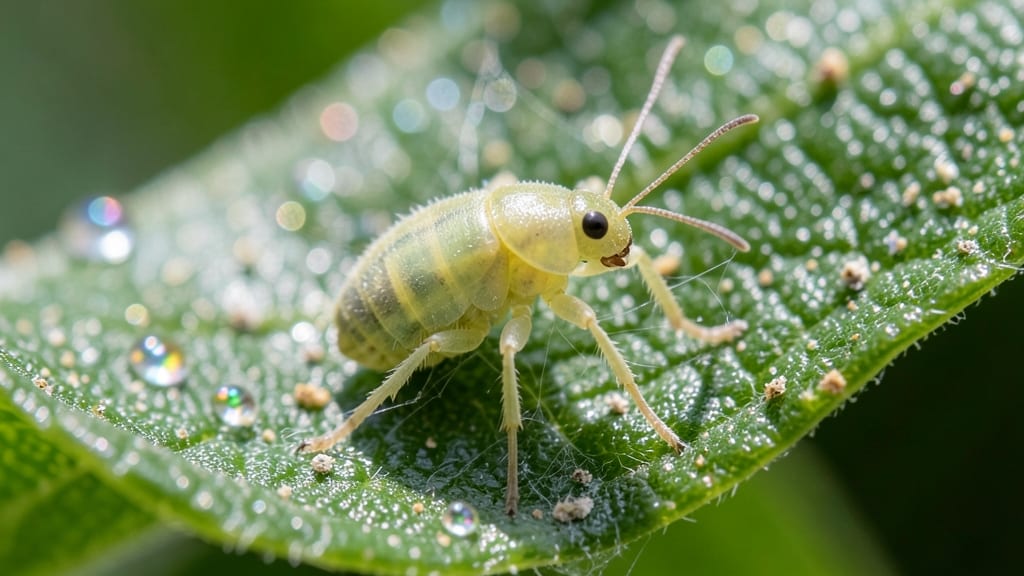
Corn leaf aphid damage turns your corn plants into sticky, curled messes faster than you can say "yield loss." 🌱 I've seen entire rows of corn go from lush and green to sad, wilted skeletons in just a few days—until I discovered this 3-day copper spray revival that works like magic.
The damage starts with tiny green or black bugs clustered on undersides of leaves, leaving behind a shiny, sticky residue called honeydew. Within days, sooty mold shows up, blocking sunlight and stunting growth.
My corn went from struggling to thriving in just 72 hours after one targeted spray—no more sticky leaves, no more curled fronds.
You'll need basic supplies: copper fungicide (or homemade spray), a spray bottle, and a sunny afternoon. The key is early intervention—catch it before the aphids spread, and your plants bounce back faster than you'd expect. Even my black thumb saved a full corn patch this way.
This method works for organic gardens, conventional farms, and everything in between. The copper spray isn't just a quick fix—it builds long-term resilience in your plants too. Let's get those leaves spot-free!
Root Causes of Aphid Outbreaks
Corn leaf aphids don’t just appear out of nowhere—they thrive due to a mix of environmental, agricultural, and biological factors. Understanding these causes is key to preventing severe damage and reclaiming healthy crops. Here’s why these tiny pests become such a big problem:
Corn plants under stress are like an all-you-can-eat buffet for aphids.
When crops are overcrowded, they compete for sunlight, water, and nutrients, weakening their natural defenses. Aphids detect stressed plants through chemical signals—specifically, increased levels of volatile organic compounds (VOCs) like β-caryophyllene and linalool, which act as distress calls. Additionally:
- Poor soil health: Low nitrogen or phosphorus levels stunt growth, making plants easier targets.
- Excessive moisture: Damp conditions slow nutrient uptake, leaving plants vulnerable.
- Drought stress: While aphids prefer lush growth, drought-weakened plants recover slower after infestations.
💡 Pro Tip: Rotate crops annually and use cover crops like clover to improve soil structure and reduce plant stress.
Aphids are cold-blooded opportunists—they multiply rapidly when temperatures and humidity align with their preferences. Research shows they thrive in:
- Moderate temperatures (60–80°F): Ideal for egg-laying and nymph development. Extreme heat (>90°F) or cold (<50°F) slows them down.
- High humidity (70–80%): Prevents desiccation and supports their waxy exoskeleton.
- Light winds: Aphids are weak fliers; calm conditions help colonies spread via crawling or windborne winged adults.
Regions with mild winters and wet springs (e.g., the Midwest or Southeast U.S.) see worse outbreaks because aphids have more generations per year. 🌡️ Data shows: Aphid populations can double every 7–10 days in perfect conditions.
Aphids are part of a delicate food web. When their natural enemies decline, their numbers explode. Key predators include:
- Lady beetles (ladybugs): Consume 50–100 aphids per day as larvae.
- Lacewings: Their larvae hunt aphids with spined mandibles for gripping prey.
- Parasitic wasps: Lay eggs inside aphids, killing them from within.
- Birds and spiders: Provide secondary control but are less effective alone.
Pesticide overuse (especially broad-spectrum insecticides) wipes out these predators faster than aphids, creating a pesticide treadmill. ✨ Solution: Use selective sprays (like neem oil or insecticidal soap) to preserve beneficial insects.
Monoculture farming—planting the same crop year after year—removes biodiversity and creates aphid hotspots. Here’s how it backfires:
| Practice | How It Helps Aphids |
|---|---|
| Monoculture cornfields | No natural barriers; aphids find endless food sources. |
| Excessive nitrogen fertilizer | Boosts plant sap sweetness, aphids’ favorite snack. |
| Late planting | Young plants are tender targets during peak aphid migration. |
| Weed-free fields | Removes alternative host plants (e.g., grasses) where aphids overwinter. |
🔥 Actionable Fix: Plant trap crops (like mustard or radish) around cornfields to lure aphids away. Rotate crops with legumes (e.g., soybeans) to disrupt their life cycle.
By addressing these root causes—stress reduction, weather awareness, predator support, and smarter farming—you can starve out aphids before they starve your corn. The next step? Learn how to break their cycle fast.
Quick Fixes for Sap-Sucking Scourges
Corn leaf aphids may seem like a tiny, unstoppable force, but with the right approach, you can reverse their damage fast and protect your crop.
Below are targeted solutions based on the root cause—whether it’s infestation severity, plant stress, or environmental factors—plus prevention tips to keep aphids at bay for good.
If you’ve spotted just a few clusters of aphids (or sticky honeydew residue), skip the heavy artillery. These methods disrupt their life cycle without harming beneficial insects or your plants.
- 💦 Spray with Soapy Water (Best for Early Stages)
- Mix 1 tsp mild liquid soap (like Castile) or 1 tbsp horticultural oil with 1 quart of water.
- Spray directly onto aphids (especially undersides of leaves) until leaves glisten. Repeat every 3–4 days for 2 weeks.
- Pro tip: 🌡️ Do this in the early morning or late evening to avoid burning plants in direct sunlight.
- 🌿 Introduce Natural Predators (Eco-Friendly Control)
- Ladybugs, lacewings, and parasitic wasps love aphids. Buy them online or attract them with:
- Dill, fennel, or yarrow planted nearby (aphids’ predators adore these).
- Aphid-infested leaves left in a mesh bag near healthy plants to lure predators.
- Pro tip: ✨ Avoid pesticides for 2 weeks before releasing predators—they’ll die too!
- Ladybugs, lacewings, and parasitic wasps love aphids. Buy them online or attract them with:
- 🍃 Prune and Destroy Infested Growth
- Snip off heavily damaged leaves or stems (including aphid clusters) and dispose of them in sealed bags (not compost).
- Focus on new shoots and leaf axils—aphids love hiding there.
When aphids have taken over, copper-based sprays (like the one in our featured solution) act as a contact fungicide and insecticide, disrupting their feeding and reproduction. Here’s how to use it effectively:
- 🔪 Step 1: Prep Your Plants (Remove Debris)
- Clear away fallen leaves, weeds, and crop residue from the base of plants. Aphids hide here!
- Water plants lightly 1–2 hours before spraying to help the solution adhere better.
- 🍳 Step 2: Mix the Copper Spray (DIY or Store-Bought)
- Option 1: Use a pre-mixed copper fungicide (e.g., Bonide Copper Fungicide) as directed.
- Option 2: DIY mix: 1 tbsp copper sulfate + 1 gallon water + 1 tsp liquid soap (for stickiness).
- Warning: ⚠️ Wear gloves and avoid inhaling—copper can irritate skin and lungs.
- 👨🍳 Step 3: Apply Like a Pro
- Spray thoroughly on both sides of leaves, stems, and leaf axils (aphid hotspots).
- Focus on young shoots—they’re aphid magnets.
- Reapply every 7–10 days until aphids vanish (usually 3–5 treatments).
- ⏰ Step 4: Follow Up with Prevention
- After 2 weeks, switch to soapy water sprays or neem oil to maintain defense.
Break the aphid cycle before it starts with these low-effort, high-impact strategies:
- 💡 Crop Rotation & Companion Planting
- Avoid planting corn in the same spot yearly—aphids overwinter in soil.
- Interplant with onion, garlic, or chives—their scent repels aphids.
- 🎯 Soil Health = Pest Resistance
- Test soil pH (ideal: 6.0–7.0 for corn). Aphids thrive in alkaline or nutrient-poor soil.
- Add compost or worm castings before planting to boost plant vigor.
- 🌡️ Monitor & Act Fast
- Check undersides of leaves weekly (aphids start there).
- Use yellow sticky traps near plants to catch winged aphids early.
- 🚫 Avoid Over-Fertilizing with Nitrogen
- Too much nitrogen = soft, aphid-loved leaves. Use a balanced fertilizer (10-10-10) instead.
Remember: The key to beating corn leaf aphids is speed and consistency. Start with non-toxic methods, escalate to copper if needed, and lock in prevention to keep your crop lush, aphid-free, and thriving!
Frequently asked questions
How can I tell if my corn plants have corn leaf aphid damage?
Look for tiny green or black bugs clustered on leaf undersides, especially near new growth. Watch for shiny, sticky residue (honeydew) on leaves, followed by black sooty mold. Leaves may curl or yellow, and plants appear stunted. Check early morning when aphids are sluggish.
Will copper spray harm my corn plants if I use it too often?
Copper is safe when used correctly, but don't exceed 3-4 applications per season. Overuse can build up in soil and may harm beneficial microbes. Always follow label instructions and alternate with organic sprays like neem oil between treatments to minimize risk.
What's the best time of day to apply aphid treatments?
Early morning or late evening works best to avoid plant stress from sunlight. Apply when temperatures are below 80°F and humidity is moderate. This gives the treatment time to work before the heat of the day. Avoid spraying when plants are wet.
Can I still harvest corn that's had aphid damage?
Yes, but focus on ears that haven't been heavily infested. Aphids primarily damage leaves, not the actual corn kernels. Remove severely damaged outer leaves before harvesting. If you've treated the plants properly, the corn should be safe to eat and maintain good quality.
Why do my aphid problems keep coming back after treatment?
This usually means you're missing hidden colonies or not addressing root causes. Check leaf axils and plant bases where aphids hide. Consider soil health issues, over-fertilization with nitrogen, or lack of natural predators. Rotate treatments and implement long-term prevention like companion planting.