
Pests and Diseases
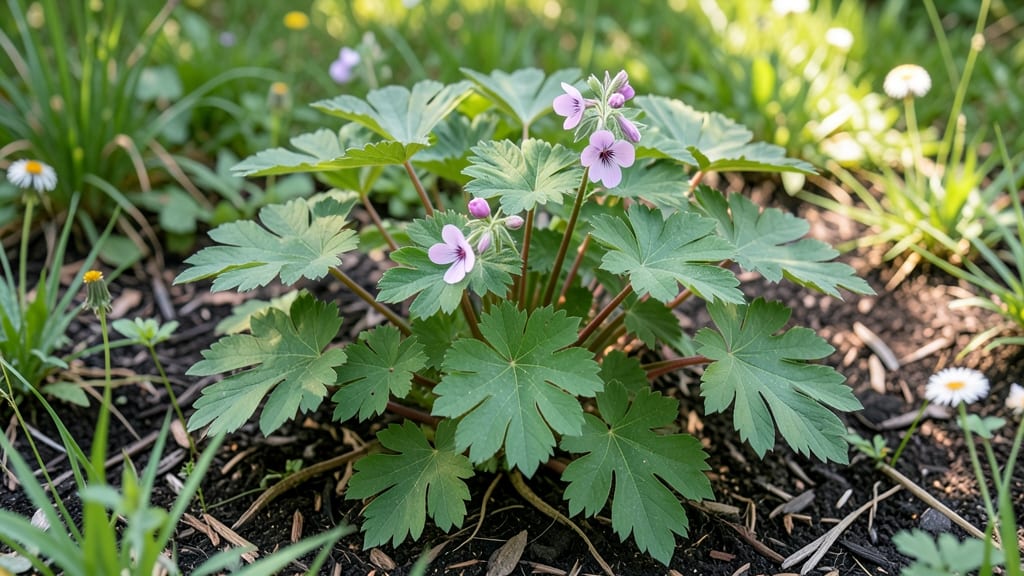
The velvety cranesbill geranium leaf can bounce back from rust and mildew with just a copper spray and a little patience. 🌿 I’ve saved my most prized geraniums from rust and mildew using this simple, non-toxic method—no harsh chemicals, just a few ingredients and a spray bottle.
The key is acting fast when you spot those ugly brown spots creeping in. These leaves aren’t just pretty—they’re tough, with their lobed, velvety texture and deep green hues that make any garden pop. But even the hardiest geraniums need help when fungal spores strike.
The copper spray works by creating an invisible shield, stopping the spread before it ruins your plants. You’ll see new growth within 2-3 weeks, with leaves that look fresh and disease-free. The best part?
This method keeps working season after season, so you won’t need to repeat it unless pests or weather bring new trouble. Works for all cranesbill varieties, from the classic ‘Johnson’s Blue’ to the bold ‘Rozanne.’ Let’s get those leaves looking their best again—naturally.
📚 In This Guide
- What you need
- Instructions
- Tips and common mistakes
- Wrapping up and next steps
What you need
- ● Copper fungicide spray: 2–4 tablespoons of copper sulfate pentahydrate (or a pre-mixed copper fungicide like Bordeaux mixture or Copper Soap). Check the label for concentration—aim for 0.5–2% copper.
- ● Water: 1 gallon (3.8 liters) of lukewarm, distilled, or rainwater (chlorinated tap water can harm plants).
- ● Spray bottle or garden sprayer: A 1–2 gallon pump sprayer (for large plants) or a 16–32 oz. handheld sprayer (for smaller containers). Clean it thoroughly before use!
- ● Protective gear: Nitrile or rubber gloves (copper can irritate skin)
- ● Long sleeves and closed-toe shoes
- ○ Safety goggles (optional but recommended)
- ● Pruning shears: Sterilized with rubbing alcohol or a 10% bleach solution to remove infected leaves.
- ● Neem oil (1 tsp): Mix with copper spray for added antifungal and insecticidal benefits.
- ● Dish soap (¼ tsp): A mild, plant-safe soap (like Castile soap) helps the spray stick to leaves.
- ● Plastic sheeting: Lay down to protect surrounding plants or soil from overspray.
- ● pH test strips: Ensure your water is neutral (pH 6.0–7.0)—copper works best in this range.
- ● Compost or mulch: For post-treatment soil health (copper can build up over time).
How to revive cranesbill geranium leaves with copper spray
Here's the method I trust to bring back lush, disease-free foliage—no harsh chemicals required.
🌿 Step 1: Inspect and Prepare the Plant
Start by examining each leaf closely. Look for black spots, brown patches, or yellowing—these are your targets. Cranesbill geraniums often suffer from fungal issues like powdery mildew or leaf spot, which copper spray treats effectively. Use clean, sharp scissors to trim away any severely damaged leaves at the base. This prevents the fungus from spreading further.
Remove any fallen leaves or debris from around the plant. Fungal spores love hiding in organic matter, so keeping the area clean is half the battle. I like to work on a dry, sunny day—this gives the plant a chance to dry completely before spraying, which helps the copper adhere better.
💧 Step 2: Mix and Apply the Copper Spray
Combine 1 tablespoon of copper fungicide (like copper sulfate or copper hydroxide) with 1 gallon of water in a clean spray bottle or pump sprayer. Shake well to ensure the copper is fully dissolved. The solution should look slightly cloudy but not gritty—if it’s gritty, strain it through a fine mesh to avoid clogging your sprayer.
Test the spray on a small, inconspicuous area of the plant first. Wait 10-15 minutes to check for any adverse reactions like browning or wilting. Once satisfied, spray the undersides of leaves thoroughly—this is where fungal spores often hide. Apply until the leaves glisten with moisture, but avoid oversaturating the soil.
☀️ Step 3: Monitor and Repeat for Full Revival
After spraying, place the plant in a spot with bright, indirect light for 24-48 hours. Direct sunlight can cause the copper to dry too quickly, reducing its effectiveness. Keep the soil moist but not soggy—waterlogged roots weaken the plant’s ability to recover.
Repeat the copper spray treatment every 7-10 days for 3-4 weeks, or until new growth appears. You’ll know it’s working when you see fresh green leaves emerging from the center of the plant and the old spots fading. If the problem persists, consider adjusting watering habits—geraniums hate wet feet.
✂️ Step 4: Maintain Spotless Leaves Long-Term
Once the leaves are revived, focus on prevention. Water the plant at the base in the morning to allow foliage to dry quickly. Avoid overhead watering, which spreads fungal spores. I also recommend pruning the plant lightly after treatment to improve airflow—this keeps the center from getting too crowded and humid.
Add a balanced, water-soluble fertilizer every 4-6 weeks during the growing season to strengthen the plant’s natural defenses. A healthy geranium is far less likely to succumb to leaf spot. With consistent care, your cranesbill geranium will bounce back with vibrant, spotless foliage in no time.
Tips & tricks for perfect copper spray revival
These simple but powerful tricks will help you revive your cranesbill geraniums with confidence and consistency.
Inspection Precision: When examining leaves in Step 1, focus on the leaf undersides first—this is where fungal spores often hide. Use a magnifying glass if needed to spot early signs of black spots or powdery mildew. The sooner you catch these, the easier the treatment will be. I've seen cases where plants looked fine on top but had severe infestations underneath!
Solution Clarity: For Step 2, if your copper solution looks gritty after mixing, strain it through a fine mesh or even a clean coffee filter. This prevents clogging your sprayer and ensures an even application. The solution should be cloudy but not gritty—think of it like diluted milk rather than muddy water.
Timing for Success: The 10-15 minute test period in Step 2 is crucial—don't skip it! Some geranium varieties are more sensitive to copper than others. If you see any browning or wilting during this test, dilute your solution further with a little more water. This small step prevents potential damage to your plant.
Light Management: During the 24-48 hour recovery period in Step 3, avoid placing your plant in direct sunlight. While geraniums love light, the copper needs time to work without evaporating too quickly. A north-facing window or shaded patio spot works perfectly. Think "bright but gentle" rather than "full sun exposure."
Pro Tips for Cranesbill Geranium Leaf
- These simple but powerful tricks will help you revive your cranesbill geraniums with confidence and consistency.
- Inspection Precision: When examining leaves in Step 1, focus on the leaf undersides first—this is where fungal spores often hide.
- Solution Clarity: For Step 2, if your copper solution looks gritty after mixing, strain it through a fine mesh or even a clean coffee filter.
Frequently asked questions
Got questions about treating cranesbill geranium leaf spots with copper spray? Here are some common ones—and their answers!
Can I use copper spray on cranesbill geranium leaves if they’re already severely spotted?
While copper spray can help prevent further spread, severely damaged leaves may not recover. Prune affected foliage first to improve airflow, then apply the spray. For advanced cases, combine it with fungicides for better results. Act fast!
How often should I reapply copper spray to geraniums?
Reapply copper spray every 7–14 days during wet or humid conditions, or after heavy rain. For preventive care, monthly sprays in spring and fall work well. Always follow label instructions—overuse can harm plants!
Is copper spray safe for edible geraniums or near pets?
Copper sprays are not approved for edible plants. For pets, keep them away until the spray dries (usually 24 hours). Opt for organic alternatives like neem oil if safety is a concern. When in doubt, test on a small area first!
What’s a natural alternative to copper spray for geranium leaf spots?
Try a baking soda spray (1 tsp baking soda + 1 quart water + a drop of dish soap) or neem oil (1 tbsp per quart of water). Both are gentle but may require more frequent applications. Always monitor for improvements!
Will copper spray kill beneficial insects like ladybugs?
Yes, copper can harm beneficial insects. Apply sprays early in the morning or late evening when pollinators are least active. For extra safety, spot-treat only affected areas instead of full coverage.
Wrapping up and next steps
Reviving your cranesbill geraniums with copper spray isn’t just about saving struggling leaves—it’s a powerful, natural defense against rust and other fungal foes. 🌿 With the right materials, timing, and technique, you’ve got everything you need to turn those browned edges into lush, vibrant foliage again. Your plants (and future garden visitors) will thank you!
Ready to see the difference? Start with one plant this week—monitor its progress, and soon, your entire garden could be thriving with copper-sprayed confidence. Happy gardening! 🌱