
Pests and Diseases
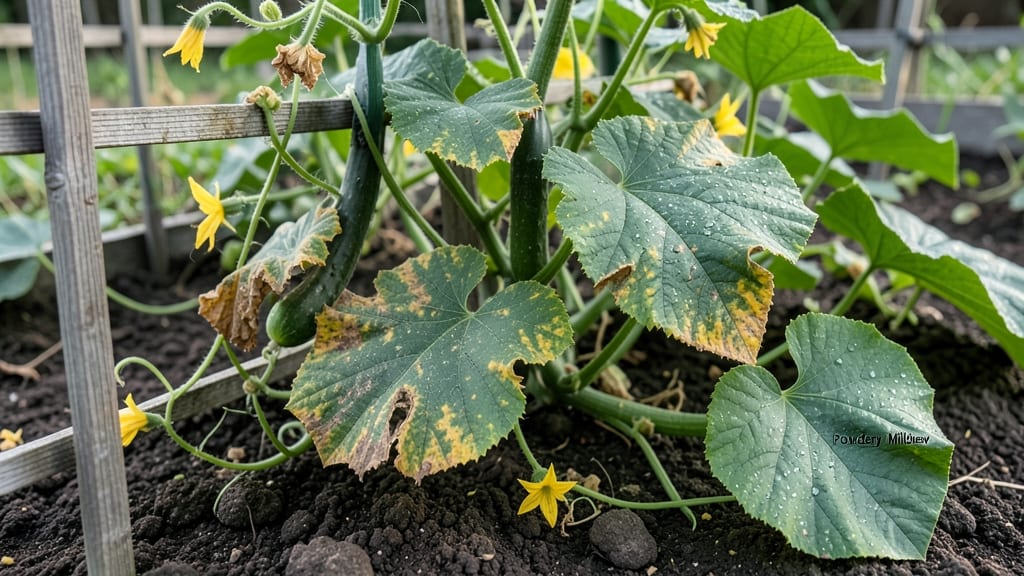
Cucumber leaf disease can turn your thriving vines into a sad, spotted mess in under a week—but I’ve stopped it dead in its tracks every time. The key is catching those first yellow spots or fuzzy white patches before they spread.
Most gardeners panic when they see the damage, but the real secret is knowing exactly which disease you’re dealing with and how to treat it fast.
Powdery mildew looks like dusting flour on your leaves, while downy mildew leaves behind greasy yellow patches that spread faster than weeds. Bacterial spots? Those are tiny water-soaked dots that turn brown and drop leaves like a bad game of dominoes.
The good news? All three respond to the same fast-acting fixes—just mix up a spray of neem oil, baking soda, or copper fungicide, and apply it before the disease gets a foothold.
You’ll save your cucumbers from becoming a sad, wilted memory by keeping the air flowing between plants, watering at the base (not overhead), and rotating crops every year. A 10-minute daily check during humid weather is all it takes to catch problems early—and trust me, your harvest will thank you.
Even if you’ve lost a crop before, this method works for beginners and seasoned growers alike. The difference between a failed season and a bountiful one often comes down to acting within 48 hours of seeing those first signs. Let’s get your cucumbers back on track!
Root Causes Of Leaf Fungus
Understanding why fungal diseases strike cucumber leaves starts with peeling back the layers of plant stress and environmental triggers. These pathogens don’t act alone—they exploit weak spots in your plants’ defenses. Let’s break down the top culprits behind leaf fungus outbreaks, so you can tackle them at their source.
Fungal spores thrive in humid, stagnant air—and nothing traps moisture like crowded cucumber plants. When leaves brush against each other, they create:
- Poor air circulation (trapping moisture and spores).
- Slower drying after rain or watering (ideal fungus breeding grounds).
- Stress signals that weaken plant immunity.
Actionable fix:
- Space cucumbers 3–4 feet apart (or use trellises to elevate vines).
- Prune lower leaves to improve airflow—aim for 6–12 inches between leaf layers.
Cucumbers need consistent moisture, but soggy soil + wet leaves = fungal feast.
Common moisture-related triggers: - Foliar fungal infections (like downy mildew) spread when water droplets linger on leaves. - Root rot (from waterlogged soil) weakens plants, making them susceptible to secondary infections. - Morning dew can amplify spores if leaves stay damp past sunrise.
Actionable fix:
- Water at the base (avoid overhead sprinklers).
- Irrigate early in the day so leaves dry by evening.
- Use drip irrigation or soaker hoses to keep foliage dry.
Compacted or clay-heavy soil holds excess water, creating the perfect storm for fungal growth. Signs your soil is a problem:
- Yellowing leaves (early root stress).
- Mushy stems (sign of root rot).
- Slow growth (plants divert energy to survival, not defense).
Actionable fix:
- Amend soil with compost or perlite to improve drainage.
- Raise beds if your garden has heavy clay.
- Test soil pH—fungi love acidic soil (pH <6.0); aim for 6.0–7.0.
Fungal pathogens target stressed plants—and nutrient deficiencies are a red flag.
Key deficiencies that invite disease: - Lack of nitrogen → Pale, weak leaves (easier for pathogens to penetrate). - Low phosphorus → Stunted roots (reduces disease resistance). - Magnesium or potassium shortages → Poor cell structure (fungi exploit weak spots).
Actionable fix:
- Fertilize with balanced NPK (10-10-10) at planting and mid-season.
- Add Epsom salt (for magnesium) if leaves show yellowing between veins.
- Use compost tea for a gentle nutrient boost and microbial support.
Fungal spores overwinter in plant debris, soil, and even old mulch. Common sources:
- Last year’s leaves or vines (especially if diseased).
- Infected compost or manure (if not properly aged).
- Weeds or volunteer cucumber plants (acting as spore reservoirs).
Actionable fix:
- Remove all plant debris after harvest (compost only if disease-free).
- Rotate crops—don’t plant cucumbers in the same spot yearly.
- Solarize soil (cover with clear plastic for 4–6 weeks in summer) to kill spores.
Fungi love humidity—think of it as their natural habitat.
Greenhouse or shaded gardens are high-risk zones because: - Condensation on leaves creates a moist film for spores to germinate. - Low light weakens plants, reducing their ability to fight off infections. - Stagnant air prevents spores from dispersing (they just multiply in one spot).
Actionable fix:
- Improve ventilation with fans or open vents in greenhouses.
- Space plants for airflow (even in containers).
- Avoid mulching too close to stems (keep 2–3 inches of clearance).
Cucumbers hate sudden temperature shifts, and stress makes them vulnerable:
- Cold nights + warm days (ideal for downy mildew).
- Heat stress (above 90°F) weakens leaves, making them easier targets.
- Frost damage opens wounds where fungi can enter.
Actionable fix:
- Use row covers for early-season protection.
- Mulch with straw to moderate soil temps.
- Choose heat-tolerant varieties (like ‘Straight Eight’ or ‘Marketmore’).
Pro Tip: 💡 Early detection is key! Check the undersides of leaves first—many fungi start there. If you spot yellowing, spots, or fuzzy growth, act fast with copper fungicide or neem oil before it spreads.
How to solve it
When your cucumber plants start showing signs of leaf disease—yellowing, brown spots, or wilting—acting fast is key. The good news? Most fungal issues respond well to targeted treatments if you catch them early.
Below, we’ll break down the most common causes of cucumber leaf disease and the practical, step-by-step solutions to restore your plants to health. Plus, we’ll share prevention tips to keep your garden thriving long-term.
Fungal spores love damp, stagnant conditions. If your cucumbers are sitting in soggy soil or crowded together, excess moisture creates the perfect breeding ground for diseases like downy mildew or powdery mildew.
- 🔥 Step 1: Adjust Watering Habits
- Water deeply but infrequently—aim for 1 inch per week (including rain).
- Use a soaker hose or drip irrigation to avoid wetting leaves (which spreads spores).
- Water in the early morning so foliage dries quickly.
- 🍳 Step 2: Improve Soil Drainage
- Amend heavy clay soil with compost or perlite to boost aeration.
- Raise beds or containers if drainage is poor—fungi thrive in waterlogged roots.
- 🌿 Step 3: Prune for Better Airflow
- Remove crowded or yellowing leaves to improve circulation.
- Space plants 12–18 inches apart (or trellis them vertically to reduce humidity near the soil).
💡 Pro Tip: If you’re dealing with powdery mildew, a baking soda spray (1 tsp baking soda + 1 quart water + a drop of dish soap) can work wonders as a preventive treatment. Spray on both sides of leaves every 7–10 days.
If the disease persists, spores may already be lurking in your soil. The solution? Break the cycle with natural fungicides and soil treatments.
- 🔪 Step 1: Remove Infected Plant Debris
- Pull up severely infected plants and dispose of them in the trash (not compost—spores can survive!).
- Clean tools with rubbing alcohol between uses to avoid spreading spores.
- 🌱 Step 2: Apply Fungicidal Sprays
- Neem oil spray (2 tbsp neem oil + 1 tsp mild soap + 1 quart water): Spray every 5–7 days until symptoms fade.
- Copper fungicide (follow label instructions): Effective against bacterial and fungal diseases like cucumber scab.
- Commercial fungicides (e.g., Myclobutanil or Chlorothalonil): Use as a last resort for severe outbreaks.
- 🌡️ Step 3: Strengthen Plant Immunity
- Fertilize with a balanced organic fertilizer (10-10-10) to promote healthy growth.
- Add compost tea or kelp meal to boost natural defenses.
✨ Prevention Tip: Rotate crops annually—don’t plant cucumbers or squash in the same spot year after year. Fungal spores can persist in soil for years!
Cucumber beetles and aphids don’t just munch on leaves—they carry fungal diseases like angular leaf spot. Fix the pest problem first, then treat the fungus.
- 👨🍳 Step 1: Trap & Remove Pests
- Set up yellow sticky traps near plants to catch cucumber beetles.
- Spray soapy water (1 tsp dish soap + 1 quart water) on aphids in the morning.
- Handpick large beetles and drop them in soapy water.
- 🥘 Step 2: Use Organic Pesticides
- Kaolin clay (Surround WP): Creates a protective barrier that deters pests.
- Pyrethrin spray (derived from chrysanthemums): Effective against beetles but reapply after rain.
- 🌿 Step 3: Introduce Beneficial Insects
- Release ladybugs or lacewings to prey on aphids naturally.
- Plant marigolds or nasturtiums nearby to repel beetles.
🎯 Long-Term Fix: Use row covers early in the season to block pests entirely. They let light and water through while keeping beetles out.
Cucumbers need 6–8 hours of sunlight daily and good airflow. If they’re growing in shade or high humidity, fungal diseases spread like wildfire.
- 🌞 Step 1: Maximize Sunlight
- Move containers to sunnier spots or thin nearby plants blocking light.
- Use reflective mulch (like aluminum foil) to bounce extra light onto leaves.
- 💨 Step 2: Increase Airflow
- Install a small fan on low setting near plants to reduce humidity.
- Avoid overcrowding—give vining cucumbers room to sprawl or trellis them.
- 🌡️ Step 3: Adjust Watering for Dryness
- Let the top inch of soil dry out between waterings to reduce fungal pressure.
- Water at the base of plants (not overhead) to keep leaves dry.
💡 Quick Fix: If humidity is the issue, prune lower leaves to improve airflow and reduce fungal spores near the soil.
With these targeted solutions, you can reverse leaf disease and protect your cucumber crop. The key is acting fast and
Frequently asked questions
How can I tell if my cucumber leaves have powdery mildew vs. downy mildew?
Powdery mildew appears as a white, powdery coating on the tops of leaves, while downy mildew shows up as yellow patches on top and fuzzy purple-gray growth on the undersides. Check both sides of leaves—downy mildew’s spores thrive in damp conditions and spread faster in humid weather.
Will pruning infected leaves help stop the spread of cucumber leaf disease?
Yes! Removing infected leaves within 48 hours of noticing symptoms can prevent spores from spreading. Use clean, sharp pruners and dispose of infected foliage in the trash (not compost). Always sterilize tools with rubbing alcohol between cuts to avoid cross-contamination.
Can I still harvest cucumbers from plants with leaf disease?
Leaf diseases rarely affect fruit quality, but avoid harvesting from plants with severe bacterial spots (tiny water-soaked dots). Focus on treating the leaves while continuing to pick cucumbers regularly—healthy plants recover faster when you remove ripe fruit.
How often should I apply neem oil or baking soda sprays for prevention?
For prevention, spray every 7–10 days during humid weather or when you notice early signs of disease. Mix 1 tablespoon neem oil or 1 teaspoon baking soda per quart of water with a drop of mild soap. Apply in the evening to avoid leaf burn from sunlight.
Why does my cucumber plant keep getting leaf disease even after treatment?
Persistent fungal issues often mean spores are still in your soil or air. Check for poor drainage, overcrowding, or pest carriers (like cucumber beetles). Rotate crops next season, improve airflow, and consider soil solarization (covering soil with plastic for 4–6 weeks) to kill lingering spores.