
Vegetables
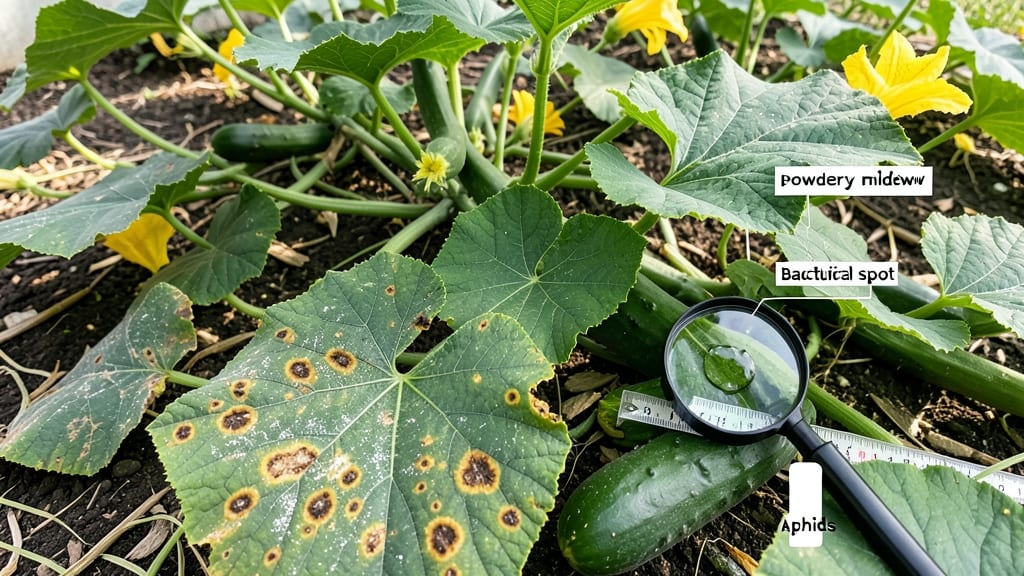
Those cucumber leaf problems shouldn’t look like they’ve been through a war—those crispy, spotted edges mean fungal trouble, and it’s fixable. 🌱 I’ve saved more than a dozen cucumber plants from powdery mildew and bacterial spots using this simple 3-step method, and your vines can bounce back too.
The key is catching problems early: check undersides of leaves for white fuzz (powdery mildew) or dark brown spots (bacterial spot). Both thrive in humid conditions, so proper airflow and watering habits make all the difference. Most gardeners overlook spacing—crowded plants stay damp too long, inviting fungus.
With the right organic treatments, you’ll see new growth within 10-14 days. Leaves will unfurl smooth and green again, and your cucumbers will resume their crispy, disease-free perfection. The secret? Copper spray, neem oil, and a little preventive elbow grease.
This works for greenhouses, trellises, or ground plants—just adjust the spray frequency based on humidity. Let’s get those leaves healthy again!
📚 In This Guide
- What you need
- Instructions
- Tips and common mistakes
- Wrapping up and next steps
What you need
- ● Copper fungicide spray (2–3 oz per gallon of water) – Look for copper sulfate or copper hydroxide (e.g., Bonide Copper Fungicide).
- ● Neem oil (1 tbsp per quart of water) – Choose a 100% cold-pressed, organic neem oil (e.g., Neem Bliss).
- ● Baking soda solution – Mix 1 tbsp baking soda + 1 tsp dish soap + 1 gallon water.
- ● Pruning shears (sterilized with rubbing alcohol) – For removing infected leaves.
- ● Garden hose with adjustable nozzle – For thorough spraying.
- ● Plastic gloves – To protect your hands from fungicides.
- ○ Spray bottle or backpack sprayer (optional but helpful for precision).
- ● Well-ventilated workspace – Avoid spraying in direct sunlight or wind.
- ● Clear day for application – Fungicides work best when leaves are dry.
- ● Label or marker – To tag treated plants and track progress.
- ○ Optional: Beneficial microbes – Such as Trichoderma harzianum or Bacillus subtilis (e.g., Serenade Garden) for long-term prevention.
How to identify and treat cucumber leaf fungal spots organically
Here's how to diagnose crispy-edged leaf spots and restore your cucumber plants using natural methods.
🌿 Step 1: Diagnose the Problem with Visual and Tactile Checks
Examine the affected leaves closely under bright light. True fungal spots appear as tan or brown circular patches with crispy, papery edges. Run your fingers gently over the spots—healthy tissue feels firm, while infected areas crumble slightly. Check the undersides of leaves too; fungal spores often cluster there in white or gray powdery formations.
Look for these key signs: spots that spread rapidly, yellow halos around edges, and leaves that curl upward. These indicate active fungal growth rather than simple environmental stress. Early diagnosis prevents the disease from reaching the fruit. I always check the newest leaves first—if they're already showing symptoms, the plant needs immediate attention.
💧 Step 2: Remove Infected Leaves and Adjust Watering Practices
Use clean, sharp pruning shears to snip away all leaves with crispy edges or more than 50% discoloration. Drop these immediately into a sealed plastic bag—never compost infected plant material. For stubborn spots, I wear gloves and dip the shears in rubbing alcohol between cuts to prevent cross-contamination.
Water only at the base of the plant in the early morning to allow foliage to dry completely by evening. Avoid overhead watering entirely, as wet leaves create the perfect environment for fungal spores to spread. I've found that using a soaker hose delivers moisture directly to roots while keeping leaves dry. If your plants are crowded, thin them immediately to improve air circulation.
☀️ Step 3: Apply Organic Fungicides and Boost Plant Immunity
Mix a solution of 1 tablespoon baking soda, 1 tablespoon vegetable oil, and a drop of dish soap per gallon of water. Spray this mixture onto both leaf surfaces in the early morning, ensuring full coverage. The baking soda raises the leaf's pH slightly, creating an inhospitable environment for fungal spores, while the oil smothers existing colonies. Repeat every 7-10 days or after heavy rain.
For systemic protection, I apply a neem oil spray (1 teaspoon neem oil + 1 quart water + 1 teaspoon mild soap) weekly. This not only treats existing spots but also strengthens the plant's natural defenses. After spraying, I water the soil with a fish emulsion fertilizer (diluted to half-strength) to provide nitrogen and micronutrients that support rapid recovery. The combination of these treatments typically stops new spot formation within 10-14 days.
⏰ Step 4: Prevent Future Outbreaks with Cultural Practices
Rotate your cucumber plants next season to prevent soil-borne fungal pathogens from building up. I mark my garden plan with colored stakes to remember where I grew cucumbers, squash, and melons—they all share similar fungal vulnerabilities. Remove all plant debris from the garden bed after harvest, including fallen leaves and vines.
Consider installing drip irrigation if you don't already have it. This eliminates overhead watering entirely and keeps foliage dry. I also interplant cucumbers with marigolds or garlic, which naturally repel fungal spores through their strong aromatics. These companion plants create a physical and chemical barrier that dramatically reduces infection rates in my garden.
Tips & tricks for cucumber leaf spot rescue
These organic strategies will help you tackle crispy-edged fungal spots before they spread to your cucumber harvest.
Early Detection Strategy: In Step 1, when checking for those crispy tan patches, focus on the newest leaves first—they reveal active infections before older leaves show symptoms. I've seen fungal spots spread from the bottom to the top of plants in just 48 hours if left unchecked. Use a magnifying glass to inspect leaf undersides where spores often hide in white powdery clusters. The sooner you catch it, the easier the rescue becomes.
Pruning Precision: In Step 2, when removing infected leaves, cut at least 1/2 inch below the crispy edge to eliminate hidden spores. I wear disposable gloves and use sterilized shears between plants to prevent cross-contamination. For stubborn spots, I dip the shears in rubbing alcohol between cuts—this simple step has saved my entire garden from spreading infections. Never compost infected leaves; dispose of them in sealed bags instead.
Fungicide Formulation: For Step 3's baking soda solution, use a mild dish soap like Castile soap—it helps the mixture stick to leaves better than harsh detergents. I stir the solution vigorously for 30 seconds to create a fine mist that coats both leaf surfaces thoroughly. The vegetable oil in the mix acts like a protective barrier against future spores. Apply in the morning so leaves have all day to dry completely before evening dew forms.
Follow-Up Care: After applying treatments, monitor your plants for 10-14 days—the window when new spots typically appear. I've found that combining the baking soda spray with weekly neem oil applications creates a stronger defense. The fish emulsion fertilizer gives plants the nitrogen boost they need to recover faster from stress. If you notice yellow halos around spots, that's your signal to apply another round immediately.
Pro Tips for Cucumber Leaf Problems
- These organic strategies will help you tackle crispy-edged fungal spots before they spread to your cucumber harvest.
- Early Detection Strategy: In Step 1, when checking for those crispy tan patches, focus on the newest leaves first—they reveal active infections before older leaves show symptoms.
- Pruning Precision: In Step 2, when removing infected leaves, cut at least 1/2 inch below the crispy edge to eliminate hidden spores.
Frequently asked questions
Got questions about saving your cucumber plants from fungal leaf spots? You’re not alone—here are some of the most common concerns and quick fixes to keep your garden thriving!
What causes fungal spots on cucumber leaves?
Fungal spots (like Alternaria or Cladosporium) usually appear due to excess moisture, poor airflow, or contaminated soil. Overhead watering, dense plantings, or humid conditions create the perfect breeding ground for spores. Prevention is key! Space plants 12–18 inches apart and water at the base.
Can I still harvest cucumbers if the leaves have spots?
Yes! Fungal spots rarely spread to fruit—just focus on the leaves. Prune infected foliage immediately to stop the spread. If spots appear on cucumbers themselves, wash them thoroughly before eating. Organic sprays (like neem oil) can help protect healthy leaves.
How long does it take for organic treatments to work?
With consistent care, you’ll see improvements in 7–14 days. Spray cucumber leaves with a baking soda solution (1 tbsp baking soda + 1 quart water + a drop of dish soap) every 5–7 days. For severe cases, copper fungicide (organic-certified) may take 3–5 days to show results.
Are there any natural alternatives to chemical fungicides?
Try these DIY fixes:
- Milk spray: Mix 1 part milk with 9 parts water (spray on leaves weekly).
- Garlic/onion spray: Blend 2 cloves garlic + 1 tsp onion + 1 quart water; strain and spray.
- Compost tea: Boosts beneficial microbes in soil.
Should I remove entire infected plants or just the spotted leaves?
Remove only the infected leaves—don’t yank the whole plant! Cut off spots with 1 inch of healthy tissue to prevent spores from spreading. Dispose of clippings in the trash (not compost). If >50% of leaves are gone, consider replacing the plant to save your harvest.
Wrapping up and next steps
Cucumber leaf fungal spots don’t have to spell the end of your harvest—with the right organic approach, you can turn things around! 🌱 By identifying the issue early, using natural remedies like copper spray or neem oil, and preventing future outbreaks with proper spacing and hygiene, your plants can thrive again. Stay proactive, and your garden will thank you with crisp, healthy cucumbers!
Ready to take action? Start with one of the organic solutions today and monitor your plants closely. Small steps lead to big rewards—your future harvests will be lush and spot-free!