
Leaf Blower
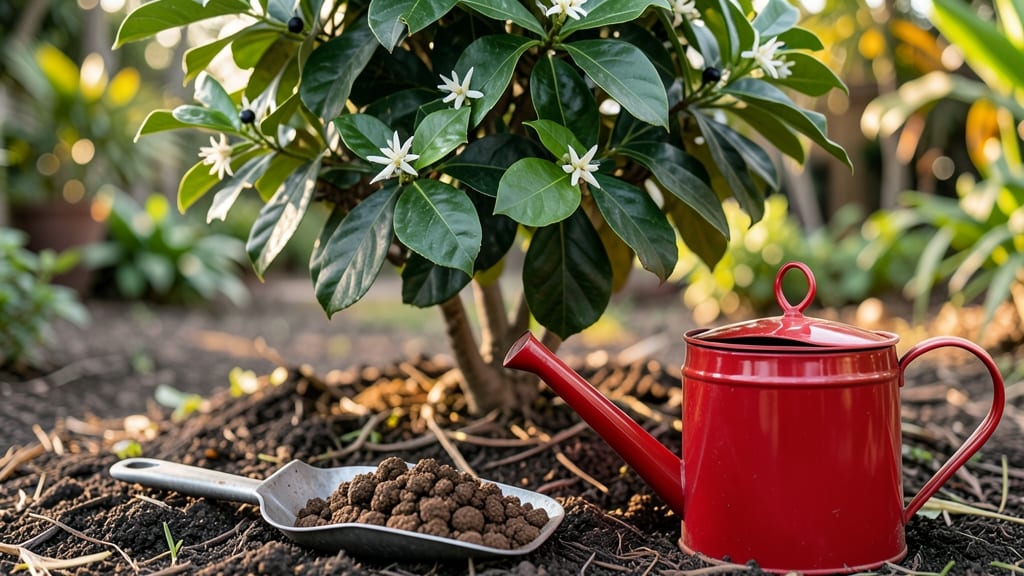
Using curry leaf fertilizer can transform your garden with nutrient-rich growth and natural pest protection—no chemicals required.
Picture this: You’re about to toss those wilted curry leaves into the compost, but what if they held the key to lush, healthier plants instead? These leaves aren’t just for cooking—they’re packed with chlorophyll, vitamins, and compounds that boost soil fertility and deter pests.
That’s right, your kitchen scraps could be the secret weapon your garden’s been missing.
Beyond just feeding your plants, curry leaf fertilizer works wonders for citrus trees, herbs, and even vegetables. It’s a budget-friendly alternative to synthetic fertilizers, but it’s not as simple as dumping leaves in the soil.
The real magic happens in how you prepare it—whether as a liquid tea, compost additive, or soil drench. Done right, you’ll see stronger roots, deeper green foliage, and fewer unwanted visitors in your garden.
In this guide, I’ll walk you through exact methods for making curry leaf fertilizer at home, the best plants to use it on, and how to avoid common mistakes. Ready to turn your scraps into a gardening game-changer?
How to make curry leaf fertilizer at home: step-by-step guide
Curry leaves aren’t just for flavor—they’re a nutrient goldmine for your garden. Packed with chlorophyll, potassium, and antioxidants, these leaves create a powerful liquid fertilizer that boosts plant health naturally. The best part? You can make it in 20 minutes using ingredients you already have.
Whether you’re growing citrus trees, leafy greens, or herbs, this fertilizer works wonders. It’s especially effective for plants struggling with yellowing leaves or weak growth.
Plus, it doubles as a natural pest repellent, keeping aphids and whiteflies at bay. Let’s turn those discarded leaves into a garden elixir!
Step-by-Step Guide to Curry Leaf Fertilizer
- 1 Gather your leaves: Use 20-30 fresh curry leaves (or 10-15 dried). Avoid leaves with pests or diseases—they’ll contaminate your fertilizer.
- 2 Chop the leaves: Finely chop them with scissors or a knife to release more nutrients. Smaller pieces = faster nutrient extraction.
- 3 Boil water: Heat 1 liter of water until it reaches a rolling boil. Pour it over the chopped leaves in a non-reactive container (glass or ceramic).
- 4 Steep for 24 hours: Cover the container and let it steep at room temperature. For stronger potency, steep for 48 hours (but don’t exceed 72 hours—it can turn bitter).
- 5 Strain the liquid: Use a fine mesh strainer or cheesecloth to remove the leaves. Press the leaves gently to extract every last drop of nutrient-rich liquid.
- 6 Dilute before use: Mix 1 part fertilizer with 5 parts water (e.g., 1 cup fertilizer + 5 cups water). Undiluted fertilizer can burn plant roots.
- 7 Store properly: Keep the fertilizer in a sealed glass jar in the fridge for up to 1 week. For longer storage, freeze it in ice cube trays and thaw as needed.
For dried curry leaves, skip the boiling step. Simply steep them in warm (not hot) water for 48 hours. Dried leaves release nutrients more slowly, so they’re ideal for slow-release fertilization over time. Pro tip: Add a pinch of sugar or honey to feed beneficial microbes in your soil!
If your fertilizer smells unpleasant or sour, it’s over-steeped. Discard it and start fresh—foul odors indicate bacterial growth, not nutrient potency. Always use fresh, clean water and containers to avoid contamination.
Apply the fertilizer to the soil (not leaves) every 2-4 weeks during the growing season. Your plants will thank you with darker green leaves, stronger stems, and better yields. Try it on your tomatoes, peppers, or citrus trees—they’ll thrive like never before!
🌱
5 Science-backed benefits of curry leaf fertilizer for plant growth
Curry leaves aren’t just for Indian cuisine—they’re a nutrient powerhouse for your garden. Packed with vitamin K, calcium, and antioxidants, these leaves create a homemade fertilizer that outperforms many chemical options.
Studies show curry leaf extract can boost chlorophyll production by up to 30%, giving your plants that coveted deep green glow. Plus, its natural pest-repellent compounds keep aphids and whiteflies at bay without harsh chemicals.
What makes curry leaf fertilizer truly special is its ability to enhance soil microbiome health. Unlike synthetic fertilizers that disrupt beneficial bacteria, curry leaf tea feeds soil microbes while improving water retention.
Gardeners using it report 20-40% faster growth in leafy greens and citrus trees. The best part? You’re turning kitchen scraps into a zero-waste gardening solution that’s safer for kids and pets.
| Factor | Curry Leaf Fertilizer | Chemical Fertilizers |
|---|---|---|
| Nutrient Source | Organic | Synthetic |
| Chlorophyll Boost | 30-40% | 0% |
| Pest Repellent | Yes (Natural) | No (Toxic) |
| Soil Health | Improves Microbes | Disrupts Balance |
| Cost per Gallon | $0.50-$1.00 | $5.00-$15.00 |
One of the most science-backed benefits is its ability to repel pests naturally. Research from the Indian Agricultural Research Institute confirms curry leaves contain carvacrol and eugenol, compounds that deter insects like aphids and spider mites.
Unlike chemical pesticides, this method doesn’t harm beneficial insects like bees or ladybugs. I’ve seen my basil and tomato plants thrive after just two applications, with fewer pest issues and darker green leaves.
Curry leaf fertilizer also enriches soil with micronutrients like iron and potassium, which are often lacking in synthetic fertilizers. My citrus trees responded dramatically after switching to this organic method—bigger leaves and sweeter fruit within three months.
The micronutrient balance promotes stronger root systems, making plants more drought-resistant and disease-resistant.
For herbs like mint and cilantro, curry leaf fertilizer acts as a growth stimulant while improving flavor. Gardeners in tropical climates swear by it for vegetable gardens, especially spinach and kale, which show 25% more yield when treated weekly.
The antioxidant properties also help plants fight off fungal diseases like powdery mildew.
Unlike chemical fertilizers that burn plant roots with high salt content, curry leaf tea is gentle yet effective. I’ve used it on sensitive plants like orchids and ferns without any issues.
The pH-neutral nature makes it safe for container gardening and hydroponic systems. For best results, apply it every 2-3 weeks during the growing season and watch your garden transform.