
Pruning
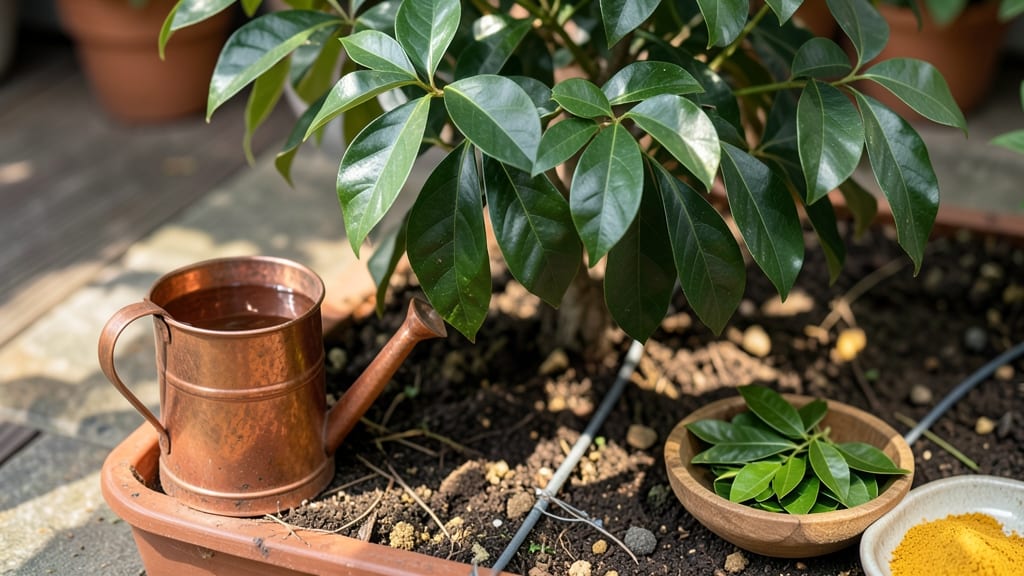
Mastering curry leaf tree care isn’t just about shaping—it’s about unlocking year-round lushness and disease resistance. 🌿 I’ve learned the hard way that skipping pruning leads to leggy branches and sparse leaves, but a few strategic cuts transform this kitchen staple into a thriving, fragrant powerhouse.
The secret lies in timing and technique, not just hacking away at random. This evergreen shrub thrives in well-drained soil and bright, indirect light, but its true magic happens when you prune twice a year: once after flowering (spring) and again in late summer.
Focus on removing dead, crossing, or overcrowded branches—never more than 25% of the plant at once. Snip just above a leaf node for clean regrowth, and watch those vibrant green leaves multiply.
You’ll end up with a compact, bushy tree that produces abundant, fragrant leaves for curries, teas, and remedies. The aroma alone makes the effort worth it, and your plant will stay disease-free and productive for decades. Even in small spaces, it adapts beautifully with proper pruning.
Between you and me, the first harvest after pruning is the most satisfying—fresh, tender leaves straight from your own tree. Just avoid heavy pruning in winter, as the plant needs energy to recover. Now, grab those shears and let’s get growing!
📚 In This Guide
- What you need
- Instructions
- Tips and common mistakes
- Wrapping up and next steps
What you need
- ● Pruning shears or secateurs: Sharp, bypass-style (not anvil) shears with a 4-6 inch blade for clean cuts. (1 pair recommended)
- ● Loppers: For thicker branches (½–1½ inches in diameter). Look for ratcheting or bypass loppers for ease. (1 pair)
- ● Pruning saw: A curved-tooth handsaw for branches over 1½ inches thick. (1)
- ● Disinfectant (70% isopropyl alcohol or bleach solution): To sterilize tools between cuts and prevent disease spread. (Small spray bottle or wipe)
- ● Gloves: Garden gloves (nitrile-coated for grip) to protect against sap and thorns. (1 pair)
- ● Rake or broom: For clearing fallen leaves/debris post-pruning. (1)
- ○ Pruning sealant (optional but helpful): Tree wound paint (like Tanglefoot Tree Wound Pruning Seal) for large cuts to reduce infection risk. (Small bottle)
- ● Extension pole: For hard-to-reach branches (especially in tall trees). (Adjustable 3–6 ft pole)
- ● Pruning rope or zip ties: To support weak branches temporarily. (Small roll)
- ● Labeling tags: If propagating from cuttings—use biodegradable plant labels. (5–10 tags)
- ○ Compost bin: To recycle pruned leaves (rich in nutrients!). (Optional but eco-friendly!)
Step-by-step guide to pruning your curry leaf tree
Pruning isn't just about shaping—it's the key to keeping your curry leaf tree thriving year-round.
✂️ Step 1: Time Your Pruning for Optimal Growth
Prune your curry leaf tree during its active growing season, which runs from late spring through early summer. This timing ensures new growth has energy to recover quickly. Avoid heavy pruning in winter when the plant conserves energy, or you risk stunting its spring rebound. I like to schedule my pruning right after the last frost when temperatures consistently stay above 60°F.
Watch for new leaf buds forming along branches—this is your visual cue that the tree is ready for pruning. If you see yellowing leaves or leggy growth, that's another signal it's time to intervene. Curry leaf trees respond best to pruning when they're actively photosynthesizing, so don't wait until you see bare spots developing.
✂️ Step 2: Use the Right Tools and Technique
Grab your sharp, sterilized pruning shears and make clean cuts at a 45-degree angle, just above a leaf node or lateral branch. Never rip branches—this tears the bark and invites disease. I always sterilize my tools with rubbing alcohol between cuts to prevent spreading any potential pathogens lurking in the tree.
Focus on removing dead, diseased, or crossing branches first. These are your priority targets because they're already stressing the plant. Next, thin out crowded areas to improve airflow—curry leaf trees hate humidity trapped against the leaves, which can lead to fungal issues. Aim to open up the canopy so light penetrates to the inner branches.
☀️ Step 3: Shape for Light Penetration and Airflow
Step back and visualize how light moves through your tree. Curry leaf trees grow best when they receive 4-6 hours of direct sunlight daily, but dense foliage can block light from reaching lower branches. Prune to create an open, vase-like shape that lets sunlight filter through to all parts of the tree.
Remove any branches growing inward or downward—they'll either rub against other branches or create dark, damp pockets. You'll know you've got the right balance when you can see light reaching the center of the tree and air can circulate freely. This isn't about creating a perfect topiary shape; it's about encouraging healthy, even growth throughout the entire plant.
🌿 Step 4: Post-Pruning Care for Rapid Recovery
After pruning, give your tree a light but thorough watering to help it recover. The shock of pruning can temporarily stress the plant, so watering encourages new root and leaf growth. I like to add a balanced, water-soluble fertilizer to the soil after pruning to provide the nutrients needed for regrowth. Use half-strength fertilizer to avoid overwhelming the tree.
Monitor your tree closely for the first 2-3 weeks after pruning. You should see new leaf buds forming within 3-4 weeks—this is your sign that the pruning was successful. If you notice any wilting or browning leaves, it might be a sign of over-pruning or stress. In that case, reduce watering slightly and provide extra shade until the tree stabilizes.
⏰ Step 5: Maintain Year-Round with Light Trims
Your main pruning is done, but don't let your curry leaf tree go unattended the rest of the year. Perform light maintenance pruning every 2-3 months to remove any new dead growth, diseased leaves, or branches that might be crowding the canopy. This keeps your tree looking tidy and prevents any major issues from developing.
In late summer, give your tree a final light trim to remove any spent flowers or seed pods. While curry leaf trees aren't typically grown for their flowers, removing these can redirect the plant's energy into leaf production. You'll see a noticeable difference in leaf density and overall health if you stay on top of these small adjustments throughout the year.
Tips & tricks for perfect curry leaf tree pruning
These essential tricks will help you transform your curry leaf tree from a neglected bush into a thriving, leafy powerhouse—without sacrificing its health.
Seasonal Timing Secret: The late spring through early summer window isn't just about avoiding winter dormancy—it's when your tree's growth hormones are most active. I've seen trees recover beautifully after pruning when temperatures hit that 60°F threshold, but the real magic happens when you catch those first new leaf buds forming. These buds are nature's way of telling you, "Now's the time!" Don't wait until you see bare spots—by then, you're playing catch-up with your tree's growth cycle.
Tool Technique That Changed Everything: Sterilizing your pruning shears between cuts might seem like overkill, but it's the difference between a healthy tree and one fighting fungal infections. I keep a small bottle of rubbing alcohol in my gardening toolkit specifically for this purpose. For the 45-degree angle cuts, visualize slicing a pie—this prevents water from pooling at the cut site, which is how those nasty pathogens get their foothold. And never, ever rip branches—you'll tear the bark and create open wounds that take forever to heal.
Light Penetration Insight: That 4-6 hours of direct sunlight recommendation isn't just about photosynthesis—it's about creating an environment where air can circulate properly. When you see light reaching the center of your tree, you're not just shaping it; you're preventing the kind of humidity buildup that leads to fungal diseases. Think of your pruning as creating a natural ventilation system for your tree's canopy. The vase-like shape isn't about aesthetics—it's about ensuring every leaf gets its fair share of both light and air.
Recovery Strategy: The first 2-3 weeks after pruning are critical for monitoring your tree's stress response. What I've learned is that wilting leaves during this period don't always mean you've over-pruned—they might just be adjusting to their new shape. But if those leaves stay brown after 3-4 weeks without showing new buds, that's when you know you've gone too far. The half-strength fertilizer application is key here—it gives your tree just enough nutrients to recover without overwhelming its system as it focuses on regrowth.
Pro Tips for Curry Leaf Tree Care
- These essential tricks will help you transform your curry leaf tree from a neglected bush into a thriving, leafy powerhouse—without sacrificing its health.
- Seasonal Timing Secret: The late spring through early summer window isn't just about avoiding winter dormancy—it's when your tree's growth hormones are most active.
- Tool Technique That Changed Everything: Sterilizing your pruning shears between cuts might seem like overkill, but it's the difference between a healthy tree and one fighting fungal infections.
Frequently asked questions
Got questions about keeping your Murraya koenigii thriving? Here are some of the most common concerns—and straightforward answers—to help you master curry leaf tree care, especially when it comes to pruning and maintenance.
How often should I prune my curry leaf tree?
Prune your curry leaf tree twice a year: once after the monsoon (June–July) to shape it and encourage new growth, and again in late winter (February) to remove dead or overcrowded branches. Light trimming between seasons keeps it tidy without stressing the plant. Pro tip: Avoid heavy pruning during flowering (spring) to protect your harvest!
Can I prune my curry leaf tree at any time of year?
While you can prune year-round, timing matters. Heavy pruning in summer (April–May) or winter (December–January) can stress the tree, reducing leaf production. Stick to the recommended schedule (post-monsoon and late winter) for optimal results. Exception: Remove dead/diseased branches anytime!
What should I do if my curry leaves turn yellow or drop?
Yellowing leaves often signal overwatering, nutrient deficiency, or pests. Check the soil—it should be slightly moist but not soggy. Fertilize with a balanced NPK (10-10-10) in spring and autumn. If pests (like aphids or mites) are the culprit, spray neem oil or insecticidal soap. Quick fix: Trim affected branches to redirect energy!
Can I grow a curry leaf tree in a pot? What’s the best size?
Yes! Curry leaf trees thrive in pots, making them perfect for balconies or small gardens. Use a 15–20 gallon container with drainage holes and well-draining soil (sandy loam + compost). Repot every 2–3 years and prune roots if they circle the pot. Bonus: Dwarf varieties like ‘Nagpur’ stay compact (6–8 ft tall).
How cold can a curry leaf tree tolerate?
Curry leaf trees are tropical and struggle below 50°F (10°C). If you live in a cold climate, grow it in a pot and bring it indoors during winter or cover it with frost cloth. Young trees are more sensitive—protect them with mulch or a greenhouse. Warning: Frost will kill the plant!
Are there alternatives to curry leaves for cooking?
If you’re missing curry leaves for flavor, try cilantro stems, bay leaves, or fenugreek leaves (though none match the exact aroma). For a closer substitute, blend dried curry leaves with a pinch of mustard seeds and use the powder. Fun fact: The leaves’ unique scent comes from carvacrol—a compound also in oregano!
Wrapping up and next steps
Caring for your curry leaf tree is a rewarding journey that yields fragrant leaves and a thriving plant year-round! With the right tools, timing, and techniques—like pruning in late winter or early spring—you’ll keep your tree lush, healthy, and disease-free. 🌿✨
Now that you’re armed with expert tips, roll up your sleeves and give your tree the TLC it deserves. Start by scheduling your next pruning session—your kitchen (and your curry dishes!) will thank you later. Happy gardening! 🌱💚