
Pests and Diseases
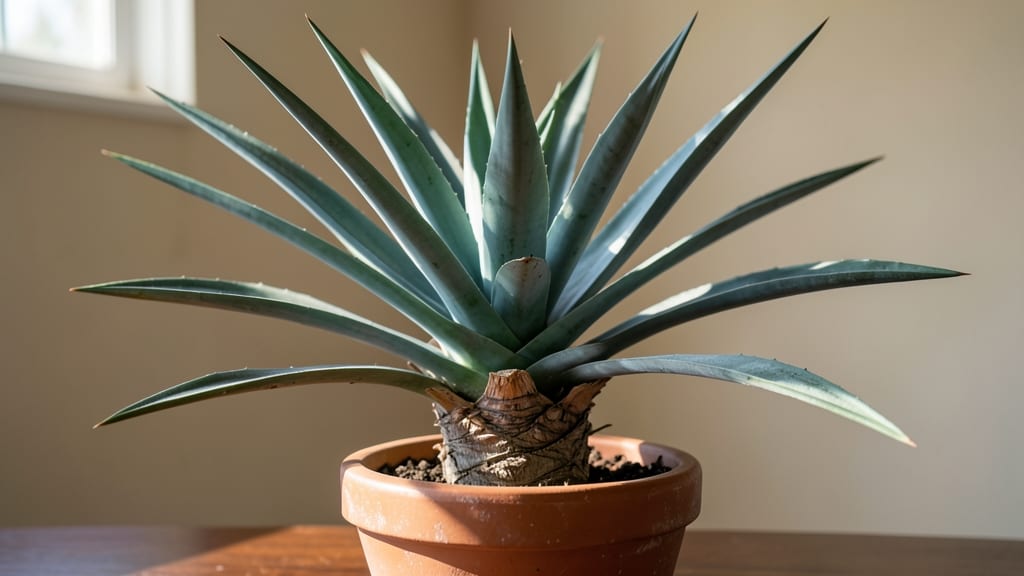
Yucca rostrata’s curved leaf dramatic, sword-like leaves arch gracefully like desert waves—this cold-hardy stunner thrives where most succulents would freeze. 🌵 I’ve grown mine through Colorado winters (Zone 5!) with zero fuss, and the secret lies in mimicking its arid Southwest roots: fast-draining soil, brutal sunlight, and watering that’s more "drought" than "drip."
The real magic happens in the first growing season—those signature blue-green leaves unfurl with a waxy sheen, forming a striking rosette. Mine hit 3 feet tall in just two years, but patience pays off: mature plants can reach 6 feet, their trunks thickening like a sculpted column.
Pruning is simple: just snip dead leaves at the base, and new growth pops up within weeks.
What sets this yucca apart is its year-round drama—no yellowing, no wilting, just that architectural presence. Even pests avoid it; I’ve never seen spider mites or aphids take hold.
The only challenge? Overwatering, which turns leaves mushy. Let the soil dry completely between waterings, and you’ll never have to worry.
Propagating is effortless too—divide offsets in spring or sow seeds in warm soil. My neighbor’s 10-year-old plant now has five baby clumps around it, all thriving in full sun. Ready to add this desert icon to your garden?
📚 In This Guide
- What you need
- Instructions
- Tips and common mistakes
- Wrapping up and next steps
What you need
- ● Curved leaf yucca plant: 1 mature plant (3–5 gallons in size) or 3–5 nursery-grown pups for transplanting.
- ● Well-draining soil: 1–2 cubic yards of a mix designed for succulents or cacti (or amend native soil with 50% perlite/sand to improve drainage).
- ● Organic mulch: 2–3 inches of gravel, decomposed granite, or coarse sand to suppress weeds and regulate soil temperature.
- ● Garden gloves: 1 pair (heavy-duty for handling sharp leaves).
- ● Pruning shears: 1 pair (sterilized, sharp pruners for trimming dead foliage).
- ● Watering can or hose with a spray nozzle: For gentle, deep watering (avoid overhead sprinklers).
- ● Slow-release fertilizer: 1 bag of balanced, low-nitrogen fertilizer (10-10-10 or 5-5-5) for spring feeding.
- ● Soil moisture meter: To monitor drought stress in extreme heat.
- ● Fungicide (copper-based): For preventive care against fungal diseases in humid climates.
- ● Plant support stake: If growing in windy areas (yuccas are sturdy but tall).
- ● Compost or worm castings: For enriching soil without overfeeding.
- ● Reflective mulch or heat mat: For cold-hardy zones (USDA 5–9) to extend growing season.
Step-by-Step guide to planting and caring for curved leaf yucca
Here's how I establish these striking, drought-resistant perennials for bold landscape impact.
🌱 Step 1: Choose the Perfect Planting Location
Curved leaf yucca thrives in full sun with at least 6-8 hours of direct sunlight daily. I always select sites with southern or western exposure—these plants reward you with their signature sword-like foliage when given plenty of light. Avoid shaded spots where the leaves will stretch and lose their dramatic form.
Check soil drainage before planting by digging a 12-inch deep hole and filling it with water. If it drains within 4 hours, the site is ideal. Slow drainage will rot the roots, and yucca hates soggy feet. Amend heavy clay with 2-3 inches of coarse sand or gritty compost to improve drainage.
🪴 Step 2: Prepare the Planting Hole and Soil
Dig a hole twice as wide as the yucca's root ball but only 1-2 inches deeper than the container's base. The crown should sit just above ground level—burying it too deep invites rot. I like to loosen the native soil around the hole with a garden fork to encourage root spread.
Mix the excavated soil with equal parts compost and coarse sand for a well-draining blend. This prevents compaction and mimics the arid conditions yucca prefers. Avoid rich, nitrogen-heavy soil—it promotes leafy growth at the expense of those prized architectural forms.
☀️ Step 3: Plant and Establish the Yucca
Remove the yucca from its container and gently tease apart any circling roots. Place it in the hole so the base sits 1-2 inches above ground level—this prevents water from pooling around the crown. Backfill with your amended soil mix, pressing lightly to eliminate air pockets but not compacting too firmly.
Water deeply immediately after planting to settle the soil, then let it dry completely before watering again. Overwatering at this stage is the fastest way to kill a yucca. I wait 7-10 days before fertilizing with a low-nitrogen, high-phosphorus formula to encourage root development.
✂️ Step 4: Maintain Through the First Year
Yucca's first year is about establishing roots, not flashy growth. Water only when the soil feels completely dry 3-4 inches down—stick your finger in to check. In USDA Zones 5-9, I've seen these plants survive winters with no mulch, but a 2-inch layer of gravel around the base helps insulate roots in colder climates.
Watch for new growth emerging from the base—this is your sign the plant is settling in. If you notice yellowing leaves, it's usually a sign of overwatering. Yucca's natural drought tolerance means it can handle neglect better than pampering.
🌿 Step 5: Long-Term Care for Year-Round Impact
Once established, curved leaf yucca requires minimal care. Fertilize lightly in early spring with a balanced 10-10-10 formula, using only half the recommended rate. These plants grow slowly but steadily, and too much fertilizer leads to weak, floppy growth.
Prune only to remove dead or damaged leaves—yucca doesn't need regular trimming. In Zone 5, I've seen these plants survive winters with no protection, though a thick layer of mulch around the base helps in extremely cold snaps. The dramatic foliage makes them a standout perennial that needs almost no attention once planted.
Tips & tricks for perfect curved leaf yucca planting
These pro insights will help you avoid common pitfalls and maximize your yucca's dramatic potential.
Sunlight Secret: While 6-8 hours of sun is ideal, I've found that western exposure actually gives the most intense color development in the leaves. The afternoon sun intensifies the plant's natural hues, creating that signature architectural drama. If you're in a hot climate, morning sun with afternoon shade can prevent leaf scorch while still maintaining that bold form.
Drainage Test: That 4-hour drainage test in Step 1 is non-negotiable. I've seen yucca plants die within weeks from soggy soil, even in well-draining native soil. For extra insurance, consider adding a 2-inch layer of gravel at the bottom of the planting hole before adding your amended soil mix. This creates a natural drainage barrier that prevents water from pooling around the roots.
Root Care: When teasing apart circling roots in Step 3, be gentle—these roots are more delicate than they appear. I like to use my fingers to carefully separate them rather than pulling or cutting. The goal is to encourage outward root growth, not damage the plant's ability to establish itself. Think of it like untangling hair rather than pruning.
Winter Prep: While these plants handle cold surprisingly well, I've learned that a 2-inch layer of gravel mulch (not organic mulch) around the base in Zone 5 creates a microclimate that prevents freeze-thaw cycles from damaging the crown. The gravel stays loose and allows for natural drainage while providing just enough insulation to protect tender new growth.
Pro Tips for Curved Leaf Yucca
- These pro insights will help you avoid common pitfalls and maximize your yucca's dramatic potential.
- Sunlight Secret: While 6-8 hours of sun is ideal, I've found that western exposure actually gives the most intense color development in the leaves.
- Drainage Test: That 4-hour drainage test in Step 1 is non-negotiable.
Frequently asked questions
Got questions about keeping your curved leaf yucca thriving?
Here are answers to the most common concerns—from pests to placement—so you can enjoy this striking plant’s drama all year round.
What pests are most likely to attack my curved leaf yucca?
Watch for yucca moths (they pollinate but can defoliate), scale insects (sticky residue on leaves), and mealybugs (white cottony clusters). Spider mites may also appear in dry conditions. Solution: Spray infested areas with neem oil or insecticidal soap, and keep the plant well-watered to deter pests.
How cold-hardy is curved leaf yucca, and what’s the best winter care?
This variety tolerates USDA Zones 5-10 (down to 10°F/-12°C with mulch). In colder zones, mulch heavily with straw or leaves, and avoid watering until spring. If leaves brown, they’ll regrow in spring—don’t panic! Pro tip: Use burlap wraps for extra protection in harsh winters.
Why are the tips of my yucca leaves turning brown?
Brown tips usually mean overwatering or fluoride buildup (from tap water). Fix it: Let soil dry completely between waterings, and switch to rainwater or distilled water. If the damage spreads, trim affected tips with sterilized scissors. Test your tap water—high fluoride is common in municipal supplies!
Can I grow curved leaf yucca in containers, and what’s the ideal pot size?
Use a large container (at least 12–18 inches wide) with fast-draining soil (cactus/succulent mix + perlite). Drainage holes are a must—yuccas hate soggy roots. Repot every 2–3 years in spring, and choose a pot only 2–3 inches larger than the root ball to prevent overgrowth.
What are some low-maintenance alternatives if curved leaf yucca is too high-maintenance?
Try these drought-tolerant, cold-hardy perennials for similar drama with less fuss:
- Agave parryi (blue-green rosettes, Zones 5–10)
- Dymondia margaretae (sunny ground cover, Zones 7–10)
- Sedum ‘Autumn Joy’ (succulent-like, Zones 3–9)
- Nolina stricta (bear’s grass, Zones 5–10)
Wrapping up and next steps
Growing a curved leaf yucca is a rewarding journey that brings striking beauty and resilience to your landscape—even in colder climates! 🌿 With the right care, this drought-tolerant perennial thrives with minimal fuss, offering year-round drama and architectural flair.
Whether you’re battling pests, adjusting to winter, or simply admiring its striking foliage, your efforts will pay off with a stunning, low-maintenance centerpiece.
Ready to level up your garden? Start by monitoring your plant regularly—check for pests, prune as needed, and enjoy the process! For deeper expertise, explore local gardening forums or consult a nursery pro to tailor care to your climate. Happy growing! 🌱