
Planting
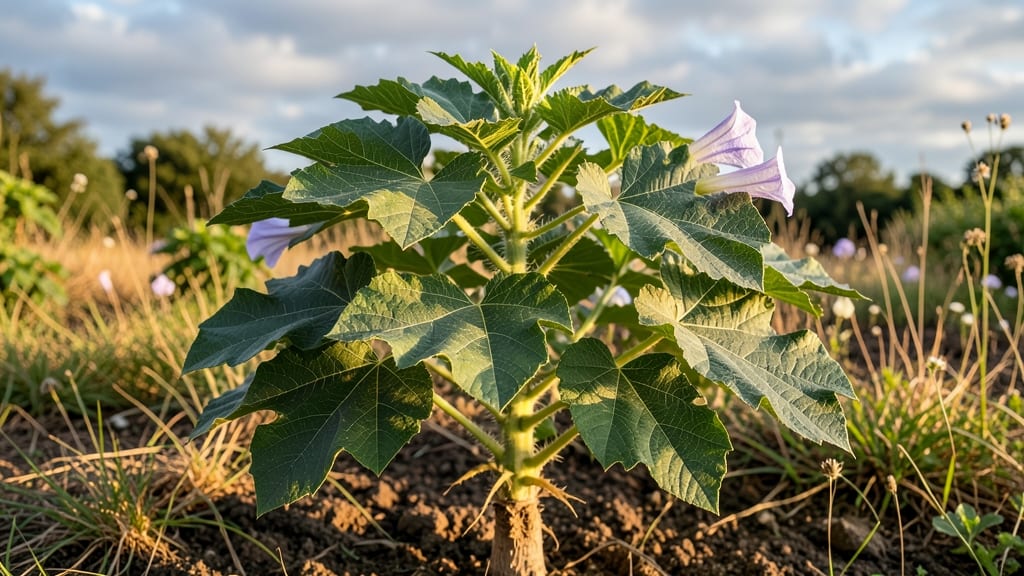
Recognizing the datura plant leaf is your first step to growing these moonflower beauties—those deep green, lobed leaves are unmistakable once you know what to look for. 🌿 I’ve spent years growing datura, and those distinctive, slightly fuzzy leaves are the plant’s calling card, telling you it’s thriving (or not) long before the iconic purple blooms appear.
The shape alone—a broad base tapering into pointed lobes—sets them apart from any other garden plant.
Healthy datura leaves should be bright green, crisp, and slightly velvety to the touch, not yellowed or spotted. I’ve learned that discoloration or holes usually mean pests (like aphids) or overwatering—both easy fixes once you spot the early signs.
The leaves grow in alternating patterns along the stem, creating that signature jagged silhouette that makes datura instantly recognizable in any garden bed.
Here’s the secret: leaf condition predicts blooms. If your leaves stay lush and vibrant, you’re on track for those dramatic trumpet-shaped flowers by midsummer. Even the smallest changes—like curling edges or brown spots—tell you to adjust water or sunlight immediately.
Datura leaves are tough, but they’ll reward you with stunning blooms when you pay attention to their subtle signals.
Use those leaves for propagation too—simply pinch off healthy stems with leaves and root them in water. It’s that easy, and soon you’ll have a whole new generation of these striking plants.
The key is patience; datura grows fast once it gets started, but those leaves are your early warning system for success.
📚 In This Guide
- What you need
- Instructions
- Tips and common mistakes
- Wrapping up and next steps
What you need
- ● Datura seeds: 10–20 seeds (fresh or stored properly in a cool, dry place). Pro tip: 💡 Some gardeners prefer pre-sprouted seeds for faster germination.
- ● Well-draining potting mix: 1–2 gallons (pre-mixed cactus/succulent soil or a blend of 60% potting soil, 30% perlite, and 10% sand).
- ● Containers: 1–2 small pots (4–6 inches deep) with drainage holes or a seed tray with individual cells.
- ● Grow lights or sunny windowsill: 6+ hours of direct sunlight daily (or a full-spectrum LED grow light for indoor setups).
- ● Watering can or spray bottle: With a fine mist setting for gentle hydration.
- ○ Fertilizer (optional but recommended): Balanced liquid fertilizer (10-10-10 or 20-20-20), diluted to half-strength.
- ● OR Slow-release granules (5–10g per pot) for long-term nourishment.
- ● Gloves: Heavy-duty gardening gloves (to avoid skin contact with toxic sap).
- ● Trowel or small shovel: For transplanting seedlings.
- ● Pruning shears: Sharp and sterilized (for trimming dead leaves or shaping the plant).
- ○ pH testing kit (optional): To ensure soil pH is between 6.0–7.5 (ideal for Datura).
- ○ Mulch (optional): 1–2 inches of organic mulch (e.g., straw or wood chips) to retain moisture and suppress weeds.
- ○ Safety goggles (optional): If working in a dusty environment or near dry plant matter (which can irritate lungs).
Step-by-Step instructions for cultivating datura plants
Here's how to grow these mesmerizing yet dangerous plants safely and successfully.
🌱 Step 1: Select and Prepare the Right Location
Datura thrives in full sun with at least 6-8 hours of direct light daily. Choose a spot sheltered from strong winds—their tall, delicate stems can snap easily. I always plant mine against a south-facing fence where they'll get afternoon sun without exposure to harsh afternoon breezes.
These plants prefer well-draining soil with a slightly alkaline pH between 7.0-8.0. Amend heavy clay soil with 2-3 inches of compost and a handful of perlite to improve drainage. The roots are sensitive to waterlogging, so raised beds work beautifully if your native soil stays soggy.
🌱 Step 2: Start Seeds Indoors for Best Results
Datura seeds germinate best when started indoors 8-10 weeks before your last frost date. Fill seed trays with a sterile seed-starting mix and plant seeds ¼ inch deep, spacing them 1 inch apart. Keep the soil consistently moist but never soggy—datura seeds rot easily if overwatered.
Place the trays in a warm spot (70-75°F) with bright light. A seedling heat mat helps speed germination, which typically occurs in 10-20 days. Once seedlings develop their first true leaves, thin to the strongest plant per cell. Handle seeds and seedlings with gloves—all parts are toxic and can cause skin irritation.
☀️ Step 3: Harden Off and Transplant Carefully
Begin hardening off seedlings 2 weeks before transplanting by placing them outside in a sheltered spot for 1-2 hours daily, gradually increasing exposure. Watch for leggy growth—a sign they need more light. If stems stretch excessively, move them to a south-facing window or under grow lights for 14-16 hours daily until transplanting.
Transplant seedlings 12-18 inches apart in a location with plenty of space—they can grow 4-6 feet tall and spread 3-4 feet wide. Bury the stem slightly deeper than it was in the pot to encourage stronger root development. Water deeply at transplanting to settle the soil around roots, but avoid wetting the leaves to prevent fungal issues.
💧 Step 4: Maintain Water and Fertility Without Overdoing It
Datura plants are drought-tolerant once established, but young plants need consistent moisture during their first growing season. Water deeply once a week, providing 1-2 inches of water per week. Let the top 1-2 inches of soil dry out between waterings to prevent root rot.
Fertilize lightly with a balanced, water-soluble fertilizer (10-10-10) every 4-6 weeks during the growing season. Too much nitrogen produces lush foliage at the expense of blooms. I always stop fertilizing 6-8 weeks before first frost to allow plants to harden off naturally.
✂️ Step 5: Deadhead and Prune for Healthier Growth
Remove spent blooms by pinching off the flower stem just above the next set of leaves. This encourages continuous flowering throughout the season. I also prune leggy stems back by ⅓ in early summer to promote bushier growth and prevent the plant from toppling over.
Wear gloves and long sleeves when handling datura—all parts are toxic, including the sap. If you notice yellowing leaves, it’s often a sign of overwatering or nutrient deficiency. Adjust care accordingly: reduce watering or apply a balanced fertilizer. In fall, cut back plants to 6 inches tall before first frost to promote healthier regrowth next season.
Tips & tricks for cultivating datura plants
These hard-won insights will help you coax the most dramatic blooms from your datura while avoiding the most common pitfalls. Between us, I've watched these plants go from leggy failures to showstopping giants—here's what makes the difference.
Light Strategy: The 6-8 hours of direct sunlight in Step 1 is non-negotiable, but here's the trick: position your plants where they get morning sun and afternoon shade if you live in a hot climate. I've seen datura leaves scorch in intense afternoon rays, which weakens the plant and reduces flowering. A sheer curtain can diffuse harsh light without blocking the essential sunlight.
Germination Hack: That 10-20 day germination window can feel like forever, but here's what nobody tells you—pre-soaking seeds in warm water for 24 hours before planting cuts that time nearly in half. Use a heat mat set to 75°F for consistent warmth, and cover trays with plastic wrap to maintain humidity. Just remember to remove the wrap once you see sprouts to prevent mold.
Transplanting Technique: When you bury that stem deeper than the pot in Step 3, you're not just encouraging roots—you're creating a stronger base. I like to make a small trench around the stem as I plant, then gently pack soil into it. This creates a natural support system that prevents the top-heavy plants from flopping over later. Use a stake for extra insurance with particularly tall varieties.
Fertility Fine-Tuning: The 10-10-10 fertilizer recommendation is spot-on, but timing matters more than you'd think. I've found datura responds best to fertilizer when applied right after a deep watering. The roots need to be hydrated to absorb nutrients efficiently. And here's a pro move: switch to a low-phosphorus fertilizer (like 5-2-5) once flowering begins to prevent excessive foliage at the expense of those stunning blooms.
Pro Tips for Datura Plant Leaf
- These hard-won insights will help you coax the most dramatic blooms from your datura while avoiding the most common pitfalls.
- Light Strategy: The 6-8 hours of direct sunlight in Step 1 is non-negotiable, but here's the trick: position your plants where they get morning sun and afternoon shade if you live in a hot climate.
- Germination Hack: That 10-20 day germination window can feel like forever, but here's what nobody tells you—pre-soaking seeds in warm water for 24 hours before planting cuts that time nearly in half.
Frequently asked questions
Got questions about growing datura plants?
Here are some of the most common ones—and their answers—to help you navigate this striking but tricky plant with confidence!
Is it legal to grow datura plants where I live?
Datura’s legality varies by location. While it’s legal in many areas, some states or countries restrict its cultivation due to its psychoactive properties. Always check your local laws before planting. When in doubt, consult a gardening forum or your state’s agricultural department for clarity.
How long does it take for datura leaves to grow?
Datura leaves emerge quickly—typically within 2–4 weeks after planting seeds. However, full maturity (with those iconic large, fragrant leaves) takes about 60–90 days in warm climates. Patience is key, especially if you’re growing from seed!
Can I propagate datura from cuttings instead of seeds?
Yes, but it’s trickier than seeds! Datura can be rooted from stem cuttings (4–6 inches long) in water or soil with rooting hormone. Success rates are lower than with seeds, and the plant may take 3–6 weeks to establish roots. For beginners, seeds are the safer bet.
What do I do if my datura plant looks sick or wilted?
Datura is hardy but can suffer from powdery mildew (white dust on leaves) or aphids. Improve airflow, avoid overhead watering, and spray with neem oil if needed. Overwatering is a common killer—let soil dry between waterings. Yellowing leaves? Check for nutrient deficiencies (try a balanced fertilizer).
Are datura leaves safe to touch or handle?
All parts of datura are toxic—including leaves!
Handling them can cause skin irritation, and ingestion is extremely dangerous. Wear gloves when pruning, and never consume any part of the plant. Keep it away from pets and children. If accidental exposure occurs, seek medical help immediately.
Wrapping up and next steps
The datura plant leaf is a mesmerizing yet powerful addition to your garden, but its beauty comes with responsibility. Remember to handle it with care—always wear gloves, keep it away from pets and children, and research local regulations before planting.
With the right conditions and precautions, you’ll be rewarded with stunning, ethereal blooms that turn heads (and maybe even inspire your next artistic project!).
Ready to dive in? Start small—grow a single datura plant in a controlled space to observe its growth and effects firsthand. Happy gardening! 🌿✨