
Pests and Diseases
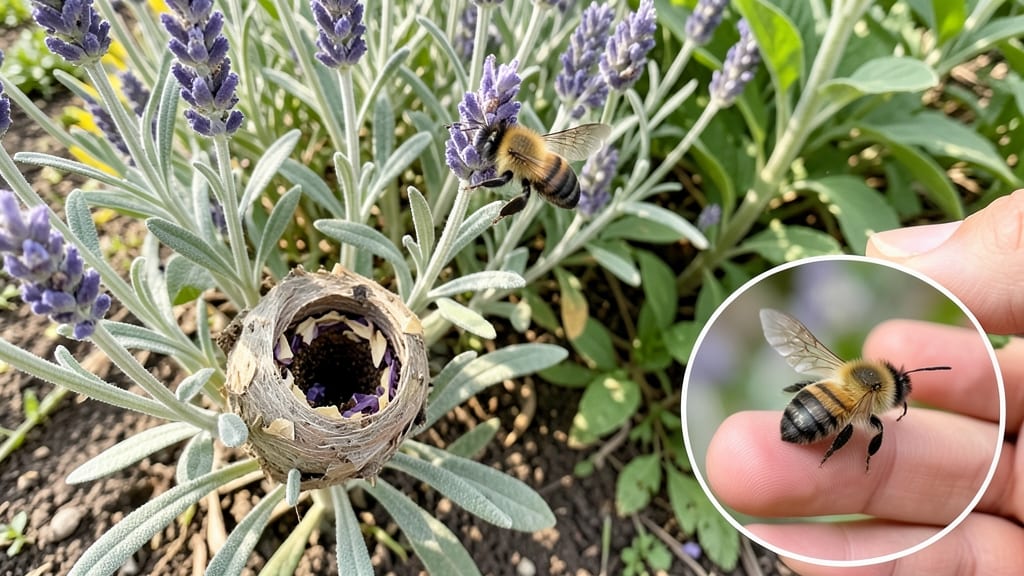
Leaf cutter bees do sting, but their defense is rarely aggressive and far less painful than honeybees or wasps. They only sting when directly handled or threatened, delivering a mild, fleeting sting with minimal swelling or reaction.
Leaf cutter bees aren't known for their aggression—their stingers are actually smooth and barbless, meaning they can't pierce thick skin like honeybees. 🌿 When they do sting, it's more like a quick pinch than a painful attack, and most people barely notice it.
Unlike wasps, they won't chase you or swarm if you accidentally disturb their nest. Their defensive behavior is purely self-preservation, and they'd much rather fly away than engage.
What makes them unique is their role as garden allies—they're incredible pollinators that rarely bother humans unless provoked. If you're working near their nests, simply avoid sudden movements and let them go about their business.
Their sting is so mild that even children can handle them safely with basic precautions, making them one of the most docile bee species for pollinator-friendly gardens.
💡 In This Article
- Leaf Cutter Bee Sting Mechanics and Pain Levels
- Safely Handling Leaf Cutter Bees in Gardens
Leaf cutter bee sting mechanics and pain levels
Leaf cutter bees possess a unique biological advantage in their defense mechanism: their stingers are completely smooth and barbless. Unlike honeybees, which lose their stinger and die after stinging, these bees can sting multiple times without harm to themselves.
Their venom contains a cocktail of compounds—primarily melittin and phospholipase A2—but in much lower concentrations than honeybee venom, making their sting feel more like a tiny pinch than a painful attack. 🔥
The pain level is often compared to a bee sting from a bumblebee or a mild fire ant bite, but without the lingering discomfort.
Studies show that their sting delivers venom at a pressure of about 0.5 milligrams per minute, far less than honeybees (which can reach 1-2 milligrams per minute).
This minimal force means the sting rarely breaks skin, and even when it does, the reaction is typically just a small red mark that fades within hours. Unlike wasps, which release venom continuously, leaf cutter bees deliver a single, quick dose.
What truly sets them apart is their temperament. Leaf cutter bees are not territorial like honeybees or aggressive like yellowjackets. They only sting when physically threatened or handled, such as when someone tries to crush their nest or grab them.
Their primary behavior is to fly away at the first sign of danger. This docile nature makes them ideal pollinators for gardens—they focus on collecting plant material for their nests rather than engaging in defensive posturing. 🌿
For context, imagine the difference between a honeybee's sting (which can cause swelling, pain, and even allergic reactions) and the sensation of a tiny needle prick. Leaf cutter bees fall somewhere between a mosquito bite and a bee sting in terms of discomfort, but with none of the drama.
Their stingers are also too delicate to penetrate thick clothing or gloves, adding another layer of safety for gardeners who accidentally disturb their nests.
Even their nesting habits contribute to their non-aggressive reputation. Leaf cutter bees often build their nests in pre-existing cavities like hollow stems or man-made structures, rather than creating large, exposed hives like honeybees. This makes them less likely to be encountered by humans, reducing the chances of accidental provocation.
Their nests are also much smaller, typically housing only 5-10 bees, compared to honeybee colonies with thousands of individuals.
If you've ever been stung by a leaf cutter bee, you might recall a brief, almost imperceptible sensation—like a fleeting tap on the skin.
Unlike the sharp, burning pain of a wasp sting or the throbbing ache of a honeybee sting, their defense feels more like a gentle reminder to respect their space. This mild reaction is why entomologists and gardeners alike consider them one of the safest bee species to have around. 💫