
Planting
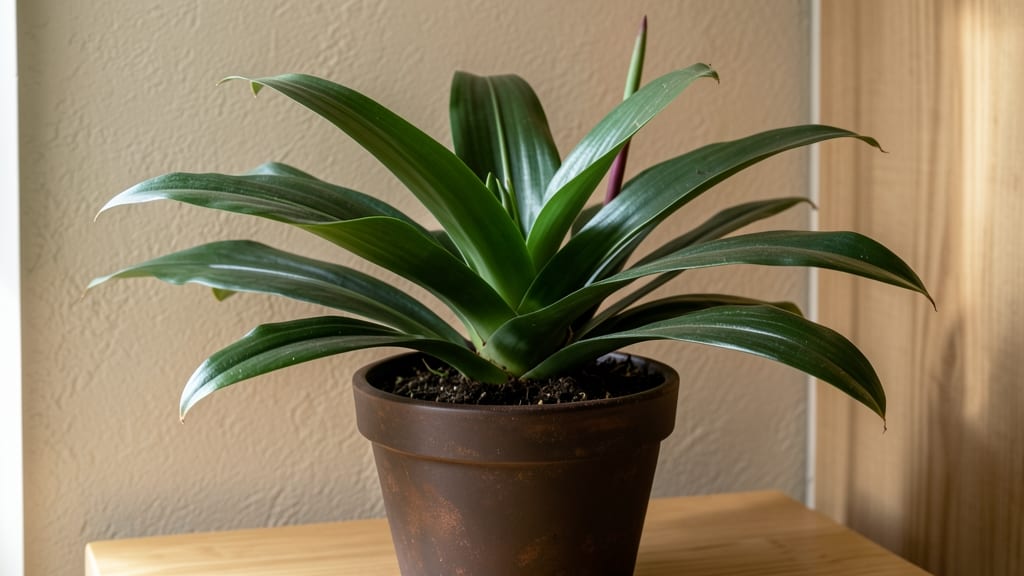
Fast propagation is the secret to multiplying your dog leaf plant collection without waiting years. 🌱 These hardy perennatives—native to North America—spread effortlessly from cuttings, whether you root them in water or straight into soil.
The key lies in timing and a few simple tricks that turn floppy stems into sturdy new plants in just a few weeks.
Dog leaf plants thrive in full sun to partial shade and tolerate poor soil, making them perfect for wildflower gardens or naturalized landscapes. Their slender, willow-like leaves and clusters of small white flowers attract pollinators while providing winter interest with their persistent seed pods.
For best results, take cuttings in early summer when growth is vigorous and roots form quickly.
You’ll end up with lush, established plants ready for transplanting in about 4-6 weeks, whether you root them in water or soil. The water method lets you watch roots develop—it’s satisfyingly easy to track progress—while soil propagation works faster for impatient gardeners.
Either way, these plants spread aggressively once established, so plan for their growth habit.
Use them as a low-maintenance border plant, in meadow-style gardens, or even as a living screen. Just be aware they’re toxic to pets if ingested, so keep them away from curious dogs (and kids). With their drought tolerance and wildlife benefits, they’re a gardener’s dream—once you get the propagation right.
📚 In This Guide
- What you need
- Instructions
- Tips and common mistakes
- Wrapping up and next steps
What you need
- ● Dog leaf plant cuttings: Healthy stem cuttings (4–6 inches long) with at least 2–3 leaves and a node (where roots will grow). Aim for 3–5 cuttings per propagation attempt.
- ● Sharp pruning shears or scissors: Sterilized to prevent disease (1 pair).
- ○ Rooting hormone (optional but recommended): A powder or gel to encourage root growth (1 small bottle).
- ● Water propagation: Clean, room-temperature water (1–2 cups per container).
- ● Small glass or jar (8–12 oz, 1 per cutting).
- ● Soil propagation: Well-draining potting mix (1 bag, 1–2 gallons). Mix with perlite or vermiculite (1 part perlite to 3 parts soil) for aeration.
- ● Small pots or seed trays (3–4 inches in diameter, 1 per cutting).
- ● Spray bottle: For misting cuttings (1 small bottle).
- ● Plastic wrap or humidity dome: To retain moisture (1 sheet or dome).
- ○ Clear plastic bag (optional): For creating a mini greenhouse effect (1–2 bags).
- ● Labeling tags: To track cuttings (1 pack).
- ● Bright, indirect light source: A sunny windowsill or grow light (1–2 feet away).
Step-by-Step instructions for propagating dog leaf plant
Here's how to multiply your dog leaf plant quickly—whether you prefer water or soil methods.
🌱 Step 1: Select Healthy Stems for Propagation
Choose stems that are at least 4-6 inches long with 2-3 leaf nodes—these are the small bumps where roots and leaves grow. Avoid stems with yellowing or damaged leaves, as they won’t root well. I like to pick stems that have already grown new leaves, since they’ve proven their vigor. Use clean, sharp scissors to cut just below a node at a 45-degree angle—this increases surface area for root growth.
If your plant has long, leggy stems, you can still use them, but trim off the top leaves to reduce water loss. The fewer leaves the stem has, the more energy it can focus on root development. Place the cuttings in a lukewarm water or moist soil immediately to prevent wilting.
💧 Step 2: Root in Water (Fastest Method)
Fill a clean glass or jar with room-temperature water—cold water can shock the stem, while warm water encourages faster root growth. Submerge the cut end of the stem 1-2 inches deep, ensuring the nodes are underwater. Change the water every 3-4 days to prevent bacterial growth and keep it fresh. Place the container in bright, indirect light—direct sun can overheat the water and stress the cutting.
You’ll see tiny white roots emerge in 1-2 weeks, but be patient if it takes longer. Once roots reach 1-2 inches, they’re ready to transplant. I like to wait until the roots are at least half an inch long before moving them to soil, as this reduces transplant shock. Avoid overcrowding in the water container—each cutting needs its own space to thrive.
🌿 Step 3: Root Directly in Soil (More Stable Method)
Fill a small pot with well-draining potting mix—dog leaf plants hate soggy roots, so avoid heavy garden soil. Moisten the mix until it’s damp but not dripping. Dip the cut end of the stem in rooting hormone (optional but helpful for faster growth), then insert it 1-2 inches deep into the soil. Gently press the soil around the stem to secure it without compacting it too tightly.
Cover the pot with a clear plastic bag or humidity dome to retain moisture, which speeds up rooting. Place it in bright, indirect light—avoid direct sun until roots establish, which usually takes 2-4 weeks. Check the soil daily and mist lightly if it feels dry. Once new leaves appear, the cutting has successfully rooted and can be treated as a mature plant.
⏰ Step 4: Transition Rooted Cuttings to Full Growth
If you rooted in water, transplant the cutting into a pot with well-draining soil and water lightly to settle the roots. Keep the soil consistently moist but not waterlogged for the first 2 weeks—this helps the plant adjust. If you rooted directly in soil, continue caring for it as you would a mature dog leaf plant, fertilizing lightly every 4-6 weeks once it’s established.
Watch for new growth as your signal that the cutting has fully adapted. You’ll notice fresh leaves emerging within 3-4 weeks of transplanting. At this point, you can repot into a larger container if needed—dog leaf plants thrive when slightly root-bound, but they appreciate extra space to grow.
Tips & tricks for fast dog leaf plant propagation
These simple tricks will help you multiply your dog leaf plant quickly and successfully—whether you're rooting in water or soil.
Cutting Precision Matters: When selecting stems in Step 1, make that 45-degree cut just below a node with clean scissors. I've found that using a razor blade sterilized with rubbing alcohol gives you even cleaner cuts than regular scissors. The larger surface area from the angled cut helps roots form faster, which is especially important if you're working with leggy stems. Don't skip this detail—it makes all the difference in root development speed.
Water Quality Tip: For the water propagation method in Step 2, use filtered or distilled water if possible. Tap water often contains chlorine and other chemicals that can inhibit root growth. If you must use tap water, let it sit out uncovered for 24 hours before using to allow chlorine to evaporate. Changing the water every 3-4 days as instructed helps prevent bacterial growth, but clean water is your first line of defense against problems.
Light Positioning: That bright, indirect light mentioned in Steps 2 and 3 is crucial—place your propagation containers near an east-facing window where they'll get gentle morning sunlight. If you're using artificial light, position grow lights about 6-12 inches above the cuttings for 12-14 hours per day. Too little light slows root growth, while too much direct sun can scorch tender new leaves. I've had cuttings fail completely when placed in direct midday sun.
Soil Preparation: In Step 3, don't just use any potting mix—opt for a blend specifically formulated for succulents or cacti. These mixes drain exceptionally well and prevent the soggy roots that dog leaf plants despise. You can also add perlite or coarse sand to regular potting mix (about 20% by volume) to improve drainage. The key is keeping the soil consistently moist but never waterlogged during the rooting process.
Pro Tips for Dog Leaf Plant
- These simple tricks will help you multiply your dog leaf plant quickly and successfully—whether you're rooting in water or soil.
- Cutting Precision Matters: When selecting stems in Step 1, make that 45-degree cut just below a node with clean scissors.
- Water Quality Tip: For the water propagation method in Step 2, use filtered or distilled water if possible.
Frequently asked questions
Got questions about growing and propagating your dog leaf plant? You’re not alone!
Here are some of the most common concerns—plus quick, practical answers to keep your plant thriving.
Can I propagate a dog leaf plant in water or soil?
Both methods work! Propagation in water is faster and lets you watch roots grow, but it requires transferring to soil later. Propagation in soil is more stable and mimics natural conditions. For best results, use a well-draining mix and keep humidity high during the process.
How long does it take for dog leaf plant cuttings to root?
In water, roots typically appear in 2–4 weeks, depending on temperature and light. In soil, it may take 3–6 weeks for roots to establish. Be patient—keep cuttings in a warm, bright spot (but avoid direct sun) and mist them daily to speed up rooting.
What’s the best water or soil mix for propagation?
For water propagation, use room-temperature, filtered water and change it every 3–5 days to prevent bacteria. For soil propagation, mix 50% peat or coconut coir with 50% perlite or sand to ensure drainage. A light rooting hormone can also boost success rates!
Why are my dog leaf plant cuttings rotting?
Rotting usually means too much moisture or poor airflow. If using water, ensure the cutting stays above the waterline (only the nodes should touch). In soil, avoid overwatering—let the top inch dry out between waterings. Trim any mushy stems and replant in fresh, dry mix to save the cutting.
Can I grow a dog leaf plant from a single leaf?
Yes, but it’s trickier! Remove a healthy leaf, let the cut end callus for a day, then place it on damp soil or sphagnum moss. Cover with a plastic bag to trap humidity. Roots may take 6–8 weeks to form—be patient, and keep the environment warm and humid. Success isn’t guaranteed, but it’s a fun experiment!
Wrapping up and next steps
Growing a dog leaf plant is a rewarding journey—whether you’re propagating in water or soil, the key is patience and consistency! 🌱 With just a few simple steps and the right care, you’ll soon enjoy lush, vibrant foliage that brightens any space.
Now that you’re armed with tips and answers to common questions, why not take the next step?
Ready to expand your green thumb? Try propagating a few cuttings today, or share your progress with fellow plant lovers online. Every little effort brings you closer to a thriving, leafy paradise! 🌿