
Pests and Diseases
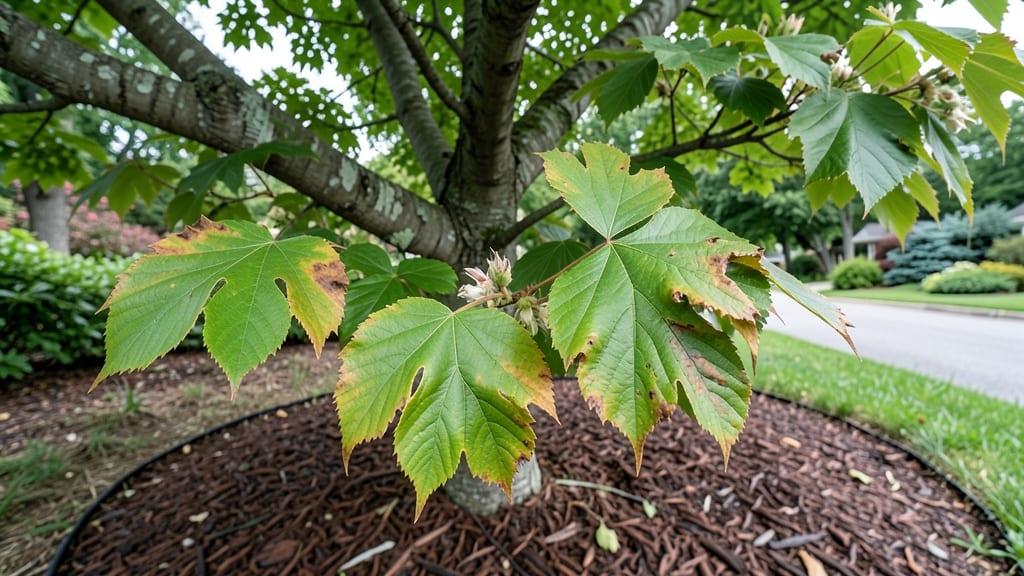
Your dogwood’s crispy brown edges are screaming for help—this copper spray is the game-changer. 🌿 I’ve watched leaf scorch turn vibrant foliage into sad, brittle messes, but copper fungicide stops the fungal spread dead in its tracks when applied correctly.
The problem isn’t just ugly leaves—it’s how fast the disease spreads. Fungal spores love wet leaves and stagnant air, turning your prized tree into a leaf-shedding disaster. Copper spray disrupts that cycle, but timing matters: apply it at the first sign of brown spots, before the fungus takes over.
You’ll see new growth emerge within weeks, with leaves staying soft and green instead of crisping at the edges. The key is consistency—spray every 10-14 days during wet seasons, and your dogwood will bounce back stronger than ever. Works for all dogwood varieties, from flowering to ironwood types.
Here’s exactly how to do it right—no more sad, scorched branches.
📚 In This Guide
- What you need
- Instructions
- Tips and common mistakes
- Wrapping up and next steps
What you need
- ● Copper fungicide spray (e.g., Copper Sulfate or Copper Hydroxide): Quantity: 2–4 lbs per 100 gallons of water (follow label instructions for exact ratios).
- ● Specification: USDA-approved for organic gardening (e.g., Bonide Copper Fungicide).
- ● Hose-end sprayer or backpack sprayer (5–10 gallon capacity).
- ● Protective gear: Nitrile gloves (waterproof, 1 pair).
- ● Long-sleeved shirt and pants (to avoid skin contact).
- ● Safety goggles (for splashes).
- ● Pruners or shears (sterilized with 70% isopropyl alcohol).
- ● Plastic sheeting or tarp (6’x8’ or larger, to cover soil and nearby plants).
- ○ Pressure washer (optional, for deep cleaning tools between uses).
- ● pH test kit (to check soil pH; ideal range for copper fungicide: 5.0–6.5).
- ● Ladder or extension pole (if your dogwood is tall; 8–12 ft recommended).
- ○ Fan or exhaust vent (optional, to speed drying post-treatment).
- ● Label or marker (to tag treated areas and track application dates).
- ● Choose a calm, overcast day (wind can spread spores; avoid midday heat).
- ● Remove heavily infected leaves (bag and dispose of them in the trash not compost).
- ● Water the tree 24 hours before spraying (hydrated leaves absorb fungicide better).
- ● Check local pesticide regulations (some areas restrict copper use near water sources).
How to treat dogwood leaf scorch with copper spray
Here's the straightforward method I've used to revive dogwoods showing those ugly brown, scorched leaves.
🌿 Step 1: Confirm It's Leaf Scorch and Assess Damage
First, check that you're dealing with leaf scorch—not powdery mildew or another issue. Leaf scorch appears as crispy, brown edges on leaves while the veins stay green. This fungal disease thrives in hot, dry weather, so you'll often see it on mature dogwoods in late summer when humidity drops.
Examine the tree closely. If you see small, dark spots on the undersides of leaves (the fungal fruiting bodies), that confirms leaf scorch. Don't treat if you spot powdery white residue—that's mildew and needs a different approach. Healthy leaves should have firm edges; scorch starts with just the leaf margins turning brown first.
💧 Step 2: Water Deeply Before Applying Treatment
Water the base of the tree thoroughly 24 hours before applying copper spray. This ensures the roots are hydrated and the soil isn't dry. Aim for 1-2 inches of water spread over the root zone. You'll know it's enough when water runs out the drainage holes if your dogwood is in a pot, or when the top 6 inches of soil feel moist.
Morning is the best time to water. This gives leaves time to dry overnight before treatment, reducing the risk of copper burn. Avoid watering right before a rainstorm—wet leaves make copper spray less effective and can wash it away before it works.
✂️ Step 3: Prune Out Severely Damaged Leaves and Branches
Use clean, sharp pruners to remove any leaves showing more than 50% browning or branches with multiple affected leaves. Cut back to the nearest healthy growth. This prevents the fungus from spreading further. I always sterilize my pruners with rubbing alcohol between cuts to avoid cross-contamination.
Don't prune on a rainy day—the wet conditions can spread spores. Bag and dispose of the pruned material immediately in the trash (not compost). You'll see a noticeable difference in the tree's appearance right after pruning, even before applying the copper spray.
🌱 Step 4: Mix and Apply Copper Fungicide Correctly
Use a ready-to-use copper fungicide (like copper hydroxide or copper sulfate) following label instructions. I prefer liquid formulations because they're easier to apply evenly. Mix in a clean sprayer with 1 gallon of water per 2 tablespoons of concentrate. Shake well before each use to ensure even distribution.
Apply the spray in the early morning when temperatures are below 85°F and no rain is forecasted for 24 hours. Spray until leaves are uniformly wet on both sides, focusing on the undersides where spores develop. I like to start at the top of the tree and work my way down to ensure full coverage.
☀️ Step 5: Schedule Follow-Up Applications and Monitor Progress
Reapply the copper spray every 7-10 days for a total of 3-4 treatments. This consistent schedule breaks the fungus's life cycle. You'll notice new leaves emerging without brown edges after the second treatment—this is your sign the spray is working.
Keep an eye out for new scorch symptoms. If you see them reappearing, increase applications to every 5-7 days and consider adding a layer of 2-3 inches of mulch around the base to retain moisture. Healthy dogwoods should show fresh, green growth within 3-4 weeks of starting treatment.
Tips & tricks for reviving dogwoods with copper spray
These little details make all the difference when fighting leaf scorch—don't skip them!
Diagnosis Tip: In Step 1, when checking for those tiny dark spots on leaf undersides, use a magnifying glass if needed. The fungal fruiting bodies are often smaller than you'd expect—sometimes just pinprick-sized. I've caught scorch early by noticing these spots before the brown edges even appeared. This early detection saves you from treating a full-blown infection.
Watering Strategy: The 24-hour watering window before treatment is non-negotiable. I've learned this the hard way—applying copper to thirsty trees leads to poor absorption. For potted dogwoods, let water drain completely before spraying to prevent copper runoff. In-ground trees? Dig a small hole near the trunk to check moisture—soil should feel damp but not soggy at 6 inches down.
Pruning Precision: When removing leaves in Step 3, focus on the most severely damaged ones first. I use a pair of small scissors for individual leaves and pruners for branches. The key is cutting back to healthy growth—don't leave stubs that can harbor spores. After pruning, I always give the tree a quick rinse with clean water to wash away any lingering spores from the cuts.
Application Technique: For Step 4, work in the shade if possible—direct sunlight can cause copper to dry too quickly on leaves. I like to use a handheld sprayer with a fine mist nozzle to reach the undersides thoroughly. A pro move: Add a few drops of dish soap to your sprayer (not the copper mix) to help the solution adhere better to the leaves. Just 1/4 teaspoon per gallon of water works perfectly.
Pro Tips for Dogwood Leaf Scorch
- These little details make all the difference when fighting leaf scorch—don't skip them!
- Diagnosis Tip: In Step 1, when checking for those tiny dark spots on leaf undersides, use a magnifying glass if needed.
- Watering Strategy: The 24-hour watering window before treatment is non-negotiable.
Frequently asked questions
What causes dogwood leaf scorch, and how do I tell it apart from other diseases?
Dogwood leaf scorch is caused by the Discosia fungus, thriving in hot, humid conditions. Look for brown, scorch-like patches on leaves (often starting at the edges) and black fruiting bodies on stems. Unlike powdery mildew or anthracnose, it doesn’t leave a white powdery coating or sunken lesions—just crispy, dead-looking foliage.
When is the best time to treat dogwood leaf scorch for maximum effectiveness?
Act fast! Apply copper fungicide at the first sign of symptoms (early to mid-summer) and reapply every 7–14 days during wet or humid spells. For prevention, treat in late winter or early spring (before buds swell) to build a protective barrier. Pro tip: Evening applications reduce leaf burn risk.
Can I use homemade remedies, or do I need copper spray?
While baking soda sprays (1 tbsp baking soda + 1 gallon water + a drop of dish soap) or neem oil may help mild cases, they’re not as effective as copper fungicides for leaf scorch. Copper directly targets the fungus, but for severe infections, combine copper with proper pruning (remove affected leaves/stems) and improve air circulation around the tree.
Will my dogwood tree recover if I treat it now, or is it already too late?
If caught early, yes! Prune out infected leaves/stems immediately (sterilize tools with rubbing alcohol) and apply copper spray. The tree may shed scorch-affected leaves but can regrow healthy foliage. However, if 50%+ of leaves are severely damaged, recovery may be slower—focus on next year’s prevention (e.g., mulching, watering at the base).
Does rain wash away copper spray, and how often should I reapply?
Rain can reduce copper’s effectiveness, so reapply within 24–48 hours after heavy downpours. For consistent protection, follow a 7–14 day schedule during peak fungal activity (summer). Use a sticker/spreader (like horticultural oil) to help it adhere better. Think of it like sunscreen—reapply to stay ahead of the fungus!
Wrapping up and next steps
Dogwood leaf scorch doesn’t have to be a death sentence for your trees—with the right copper-based treatment and proactive care, you can restore their health and beauty! 🌿 Remember, early action is key, so don’t wait for symptoms to worsen.
Start by inspecting your trees regularly, pruning affected branches, and applying copper spray at the first sign of trouble.
Ready to take action? Grab your supplies, follow the steps, and give your dogwoods the fighting chance they deserve! Your green thumbs—and your trees—will thank you. 🌟