
Pests and Diseases
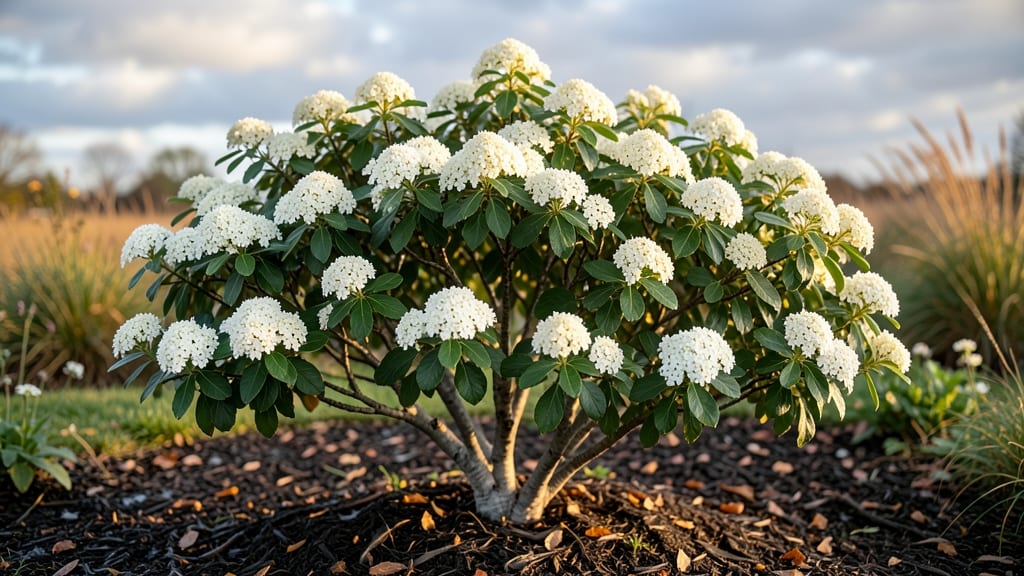
The doublefile viburnum leaf transforms into a stunning coppery display when sprayed with copper fungicide—my secret weapon against unsightly fungal spots. 🌿 This ornamental shrub (Viburnum plicatum 'Tomentosum') starts with glossy, deep green leaves that shift to brilliant copper hues in fall, but fungal diseases can ruin that show.
The copper spray not only prevents spots but also enhances the foliage’s natural beauty year-round.
Growing this shrub is easier than you think—it thrives in full sun to partial shade and tolerates most well-drained soils. Water deeply once a week during dry spells, but avoid soggy roots.
Prune in late winter to shape the plant and encourage dense, layered growth. The doublefile habit (two rows of branches) creates a stunning architectural look that’s perfect for hedges or specimen planting.
With proper care, your doublefile viburnum will reward you with fragrant spring blooms and vibrant fall color. The copper spray keeps leaves disease-free, so you’ll enjoy that coppery glow without the brown spots. Plus, it’s deer-resistant, making it a low-maintenance star for any landscape.
This shrub handles winter well in zones 4-8, so it’s a reliable choice for most climates. For best results, apply copper spray in early spring and again after rain. Your neighbors will ask how you keep your shrubs looking so healthy—and now you’ve got the secret!
📚 In This Guide
- What you need
- Instructions
- Tips and common mistakes
- Wrapping up and next steps
What you need
- ● Copper fungicide spray: 1 quart (32 oz) of ready-to-use copper fungicide (e.g., Bonide Copper Fungicide or Dyna-Gro Copper Fungicide)
- ● OR 1 lb of copper sulfate (for mixing with water)
- ● Garden sprayer: 1 hose-end sprayer (for large trees) OR 1 handheld pump sprayer (32 oz capacity, for targeted treatment)
- ● Protective gear: 1 pair of nitrile gloves (chemical-resistant)
- ● 1 long-sleeved shirt and long pants (to minimize skin exposure)
- ● 1 safety goggles (to protect eyes from spray)
- ● Pruning tools: 1 pair of sterilized pruning shears (for removing severely infected leaves)
- ● 1 small bottle of rubbing alcohol (70% or higher) (to sterilize tools between cuts)
- ● Water source: Access to a hose with a fine mist nozzle (for rinsing tools and rinsing the plant post-treatment, if needed)
- ● Natural alternatives: 1 quart of neem oil spray (mix 1 tbsp neem oil + 1 tsp mild soap + 1 quart water)
- ● 1 tbsp of baking soda (for a DIY fungicide mix: 1 tbsp baking soda + 1 quart water + a few drops of dish soap)
- ● Enhancements: 1 ladder or step stool (for reaching higher branches safely)
- ● 1 weatherproof marker (to label treated plants and track progress)
Step-by-Step instructions for treating doublefile viburnum fungal spots
Here's how I tackle fungal spots on doublefile viburnum leaves—no harsh chemicals, just effective copper spray defense.
🌿 Step 1: Assess and Prepare the Plant for Treatment
Start by examining the leaves for dark brown or black spots with yellow halos—classic fungal symptoms. Remove heavily infected leaves by hand and drop them into a sealed plastic bag (never compost them—this spreads spores). Doublefile viburnum is prized for its arching branches and glossy foliage, so don't over-prune; focus on only the worst-affected leaves.
Water the plant thoroughly the evening before treatment. Wet leaves absorb copper spray more evenly, and treating when the plant is hydrated reduces stress. Avoid wetting the foliage directly with a hose—soak the soil instead. This ensures the plant is ready for the copper treatment without shock.
💧 Step 2: Mix and Apply the Copper Spray Solution
Use a commercial copper fungicide (like copper sulfate or copper hydroxide) at the labeled rate—typically 1-2 tablespoons per gallon of water. I prefer a ready-to-use spray bottle for precision. Shake well before each use, as copper particles settle quickly. The key here is coverage: you want a fine mist that coats both the upper and lower leaf surfaces.
Apply the spray in the early morning on a calm, dry day. This prevents the copper from drying too quickly and ensures even distribution. Hold the spray bottle 12-18 inches away from the foliage and move steadily from the bottom up. Lightly mist the branches too—fungal spores often hide in crevices. Avoid spraying when temperatures exceed 85°F, as copper can burn leaves in direct sunlight.
☀️ Step 3: Schedule Follow-Up Applications for Prevention
Fungal spots thrive in damp conditions, so repeat the copper spray every 7-10 days until new growth appears. I mark my calendar with a reminder—consistency is critical. After the third application, switch to a preventative schedule: once every 2-3 weeks during the growing season, or whenever you notice high humidity or rainfall.
Here's the thing—copper works best when applied before fungal spores take hold. If you catch the problem early, you'll see new leaves emerging free of spots within 2-3 weeks. If the plant is heavily infected, combine the copper spray with improved air circulation—thin out overcrowded branches to let sunlight and air reach the center of the plant.
✂️ Step 4: Maintain Plant Health to Prevent Recurrence
Doublefile viburnum is naturally resilient, but fungal spots often return if underlying conditions aren't addressed. After treatment, focus on soil health: amend the soil with compost or organic matter to improve drainage. Viburnums prefer moist but well-drained soil—water deeply once a week unless rainfall provides sufficient moisture, and always water at the base to avoid wetting the leaves.
Prune the plant in late winter or early spring to remove any remaining infected branches. Sterilize your pruners with rubbing alcohol between cuts to prevent spreading spores. A light application of mulch around the base helps regulate soil temperature and retain moisture, further reducing fungal stress. With these steps, your doublefile viburnum should bounce back with vibrant, healthy foliage.
Tips & tricks for treating doublefile viburnum fungal spots
These targeted strategies will help you restore your doublefile viburnum's signature glossy foliage while preventing future outbreaks.
Timing for Optimal Absorption: The evening-before watering in Step 1 isn't just about hydration—it's about creating the perfect canvas for copper adhesion. Wet leaves absorb the fungicide more evenly, but the real secret is in the timing: watering in the evening allows excess moisture to evaporate overnight, leaving the leaves just damp enough for maximum copper uptake without promoting fungal growth. Think of it as prepping your plant's skin for treatment.
Application Technique That Makes All the Difference: When applying the copper spray in Step 2, I've found that using a spray bottle with a fine mist setting creates a more even coating than a coarse spray. The key is to work in sections—start at the bottom and move upward—to ensure you don't miss any hidden spores on the undersides of leaves. I also recommend wearing gloves, as copper can irritate skin, and a long-sleeved shirt to protect your arms from potential staining.
Environmental Conditions to Watch: The 85°F temperature limit mentioned for application isn't arbitrary—copper becomes phytotoxic (leaf-burning) when temperatures climb above this threshold. Early morning applications give you the best chance of staying within this safe range while also allowing the copper to dry slowly, which enhances its effectiveness. If you must treat later in the day, choose a shady spot under the plant's canopy where temperatures are cooler.
Preventative Maintenance After Treatment: The 7-10 day follow-up schedule in Step 3 is crucial, but what's often overlooked is the importance of monitoring weather patterns. After your third application, switch to a 2-3 week schedule—but if you notice prolonged rainy periods or high humidity (which you can track through local weather forecasts), move back to the more frequent schedule. Fungal spores don't take vacations, and neither should your preventative measures.
Pro Tips for Doublefile Viburnum Leaf
- These targeted strategies will help you restore your doublefile viburnum's signature glossy foliage while preventing future outbreaks.
- Timing for Optimal Absorption: The evening-before watering in Step 1 isn't just about hydration—it's about creating the perfect canvas for copper adhesion.
- Application Technique That Makes All the Difference: When applying the copper spray in Step 2, I've found that using a spray bottle with a fine mist setting creates a more even coating than a coarse spray.
Frequently asked questions
Got questions about using doublefile viburnum leaf to combat fungal spots with copper spray? You’re not alone! Here are some common concerns and straightforward answers to help you tackle the job like a pro.
Why use doublefile viburnum leaf specifically for copper spray?
The doublefile viburnum (Viburnum plicatum) has dense, glossy foliage that makes it an ideal candidate for copper fungicide applications. Its broad leaves provide ample surface area for even coverage, while its upright growth habit keeps the spray contained—minimizing drift and maximizing effectiveness against fungal spots like anthracnose or leaf spot.
When is the best time to apply copper spray to doublefile viburnum?
Apply copper spray early spring (before buds swell) or late fall (after leaf drop) for preventive care. If treating active fungal spots, do it on a cool, overcast day to avoid leaf burn. Avoid spraying when rain is forecasted within 24 hours, as moisture can reduce efficacy.
Is copper spray safe for doublefile viburnum, or will it harm the plant?
Copper fungicides are generally safe when used correctly. However, overuse or applying it during hot, sunny weather can cause leaf scorch. Stick to the recommended dose (e.g., 1–2 lbs of copper per 100 gallons of water) and apply in the evening to reduce risk. Always test a small area first!
Can I use alternatives like neem oil or baking soda instead of copper spray?
Yes! For mild fungal issues, organic options like neem oil (1 tsp per quart of water + surfactant) or a baking soda spray (1 tbsp baking soda + 1 tsp oil + 1 gallon water) can work. However, copper is more effective for severe or persistent fungal spots. Rotate treatments to prevent resistance.
What should I do if my doublefile viburnum’s leaves turn brown after spraying?
Brown or crispy leaves after copper spray usually signal overapplication or heat stress. Prune affected leaves immediately, and water deeply to help the plant recover. For future sprays, dilute the mixture slightly or apply in cooler conditions. If damage is severe, flush the soil with water to reduce copper buildup.
Pro Tip:
For even coverage, use a hose-end sprayer and apply copper spray until the leaves are wet but not dripping. Add a surfactant (like dish soap) to help the solution stick—just avoid using dawn dish soap, as it can harm plants.
Wrapping up and next steps
Protecting your Doublefile Viburnum from fungal spots doesn’t have to be a battle—just a strategic, copper-powered defense! 🌿 With the right copper spray mix and timing, you can keep those leaves lush and healthy while giving pesky diseases the boot.
Remember, consistency is key, and early action prevents bigger headaches later.
Ready to take charge of your viburnum’s health? Grab your copper spray, roll up your sleeves, and give your plant the care it deserves. Next up: Monitor your viburnum’s progress and adjust treatments as needed—because happy plants make happy gardeners! 🌟