
Leaf Blower
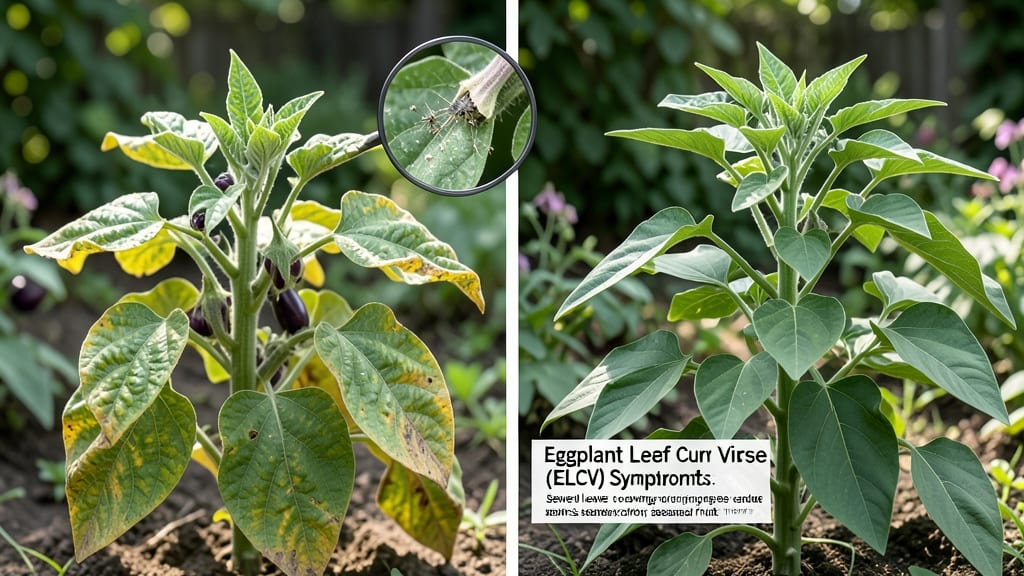
Eggplant leaf curl virus turns your healthy plants into stunted, twisted messes overnight. 🌿 I’ve watched this stubborn virus ruin entire crops—until I discovered how neem oil could help foliage bounce back faster than I expected.
Whiteflies spread the virus like garden gossip, but the damage starts with curled leaves, yellowing stems, and plants that refuse to grow. Neem oil isn’t a cure—it’s a shield that strengthens leaves while you remove infected plants.
The key is acting fast before the virus spreads to your tomatoes or peppers.
Within 2-3 weeks of treatment, new growth stays firm and green, and whiteflies vanish. You’ll still lose the worst-infected plants, but your remaining eggplants will recover enough to produce fruit. The secret? Spraying every 5 days and cleaning up debris where bugs hide.
Works best in warm climates where whiteflies thrive, but even cooler zones see results. Here’s how to turn the tide on this viral troublemaker—before it ruins your harvest.
Root Causes Of Plant Decline
Eggplant leaf curl virus (ELCV) isn’t just a random attack—it thrives due to specific biological and environmental triggers. Understanding these causes helps gardeners and farmers take preventive action before outbreaks spiral. Below are the key factors that fuel this destructive virus.
The primary culprit behind ELCV spread is the Bemisia tabaci whitefly. These tiny, sap-sucking insects don’t just weaken plants—they transmit the virus while feeding. Here’s how it works:
- Mechanical transmission: Whiteflies inject viral particles into plant cells as they pierce leaves to feed.
- Circular spread: Infected whiteflies move from plant to plant, creating a chain reaction in gardens or fields.
- Greenhouse risk: Greenhouses with poor ventilation trap whiteflies, accelerating outbreaks.
Actionable tip: 🔥 Monitor for whiteflies—look for sticky honeydew residue on leaves or tiny white specks on undersides. Use yellow sticky traps to catch them early.
ELCV thrives in hot, arid environments (ideal for whiteflies too!). Here’s why:
- Whitefly reproduction: Temperatures above 77°F (25°C) boost whitefly populations, increasing virus transmission.
- Plant stress: Drought-stressed eggplants have weaker defenses, making them more susceptible to infection.
- Regional hotspots: Areas like the Mediterranean, South Asia, and parts of the U.S. South see frequent outbreaks.
Pro tip: 🌡️ Mulch soil to retain moisture and reduce stress. Avoid overhead watering, which attracts whiteflies.
Healthy plants resist viruses better. ELCV exploits plants that are already compromised by:
- Nutrient deficiencies: Low nitrogen or phosphorus weakens foliage, making it easier for viruses to infiltrate.
- Poor sanitation: Old crop debris harboring whiteflies or viruses can reinfect new plants.
- Overcrowding: Dense plantings reduce airflow, trapping whiteflies and spreading the virus faster.
Key move: 💡 Rotate crops annually and remove infected plants immediately to break the cycle.
By tackling these root causes—whiteflies, climate, and plant health—growers can dramatically reduce ELCV’s impact. The next step? Learn how neem oil and other defenses fight back.
Quick Fixes for Leaf Curl Recovery
When your eggplant plants show signs of leaf curl, acting fast is key to saving your harvest. The good news? Many solutions are simple, cost-effective, and rooted in natural defense strategies.
Below, we’ve mapped out practical fixes based on the most common causes—so you can tackle the problem at its source while preventing future outbreaks.
Cause: Severe viral spread or uncontrollable symptoms. Fix:
- 🔪 Snip and toss any plants with severe curling, yellowing, or stunted growth. Do not compost them—bag and discard to prevent virus transmission.
- 🌿 Focus on healthy plants first. If only a few leaves are affected, prune only the infected parts (use sterilized shears!).
- 🚫 Quarantine new plants for 2–3 weeks before introducing them to your garden to avoid hidden infections.
Pro Tip: 💡 Wear gloves and disinfect tools with 70% rubbing alcohol between cuts to stop cross-contamination.
Cause: Weakened plants vulnerable to viral attacks (often worsened by stress, pests, or poor nutrition). Fix:
- 🍳 Mix a neem oil spray: Combine 1 tbsp neem oil + 1 tsp mild dish soap + 1 quart water. Shake well and spray both sides of leaves at dawn or dusk (avoid direct sunlight).
- 🌡️ Repeat every 5–7 days for 2–3 weeks. Neem doesn’t cure viruses but strengthens cell walls, making plants less susceptible to secondary infections.
- 🌱 Pair with compost tea: Brew a fish emulsion or compost tea (1:10 ratio) to feed beneficial microbes in the soil, improving plant resilience.
Pro Tip: ✨ Add a pinch of baking soda (1 tsp per quart) to your neem spray for extra fungal/bacterial defense—just rinse leaves after 24 hours to avoid leaf burn.
Cause: These sap-sucking pests spread the virus from plant to plant. Fix:
- 🕵️♂️ Scout daily: Check undersides of leaves for tiny whiteflies or sticky honeydew trails (aphid poop).
- 🌿 Natural traps: Hang yellow sticky cards near plants to catch adults. Replace weekly.
- 💦 Blast with water: Use a strong hose spray (early morning) to knock off pests. Repeat 2–3x/week.
- 🐝 Introduce predators: Release ladybugs or lacewings (buy online or from garden centers) to eat whiteflies naturally.
Pro Tip: 🎯 Spray leaves with soapy water (1 tsp castile soap per quart) if pests are light. For heavy infestations, try kaolin clay (Food Grade) as a protective barrier.
Cause: Poor garden hygiene or environmental stress. Fix:
- 🚿 Clean your tools and hands after handling infected plants. Use bleach solution (1:10 ratio) to sanitize pots, trellises, and tools.
- 🌡️ Avoid overhead watering: Wet leaves attract pests. Use drip irrigation or water at the base.
- 🌱 Rotate crops: Don’t plant eggplants (or tomatoes/peppers) in the same spot for 3+ years—viruses linger in soil.
- 🌿 Strengthen soil health: Add mulch (straw or grass clippings) to retain moisture and reduce stress. Test soil pH (aim for 6.0–6.8 for eggplants).
Pro Tip: 🔥 Plant marigolds or basil nearby—their strong scents repel whiteflies and improve air circulation, reducing humidity (a virus-loving condition).
Final Note: While neem oil and pest control won’t reverse a viral infection, they minimize damage and protect your remaining plants. For severe cases, consider replacing affected plants and focusing energy on prevention for next season. 🌱
Frequently asked questions
Can neem oil actually cure eggplant leaf curl virus?
Neem oil won't cure the virus itself, but it strengthens plant defenses by boosting cell walls and repelling whiteflies—the virus's main carriers. Applied every 5-7 days, it helps new growth stay healthy while you remove infected plants. Think of it as a shield, not a cure.
How do I know if my eggplant has leaf curl virus vs. just heat stress?
Leaf curl virus causes permanent curling with yellowing veins, while heat stress shows temporary wilting that recovers at night. Check for whiteflies (tiny white specks) on leaf undersides—if present, it's likely viral. Also, viral symptoms appear on new growth first.
Should I remove all infected plants or just the worst ones?
Remove all infected plants immediately—even mild cases spread quickly. Bag them and discard (don't compost) to prevent reinfection. Focus on saving healthy plants by isolating them and using neem oil sprays. The virus can survive in soil for years, so sanitation is critical.
Will my other nightshades (tomatoes/peppers) get infected too?
Yes, eggplant leaf curl virus affects all nightshades—tomatoes, peppers, and potatoes. Remove infected eggplants ASAP to protect nearby plants. Whiteflies spread the virus easily, so monitor all susceptible crops closely during outbreaks.
Can I still harvest fruit from infected plants?
No—fruit from infected plants may carry the virus and shouldn't be eaten. Focus on saving healthy plants for future harvests. The virus weakens plants so much that any fruit produced will be small and poor-quality. It's better to remove infected plants entirely.