
Leaf Blower
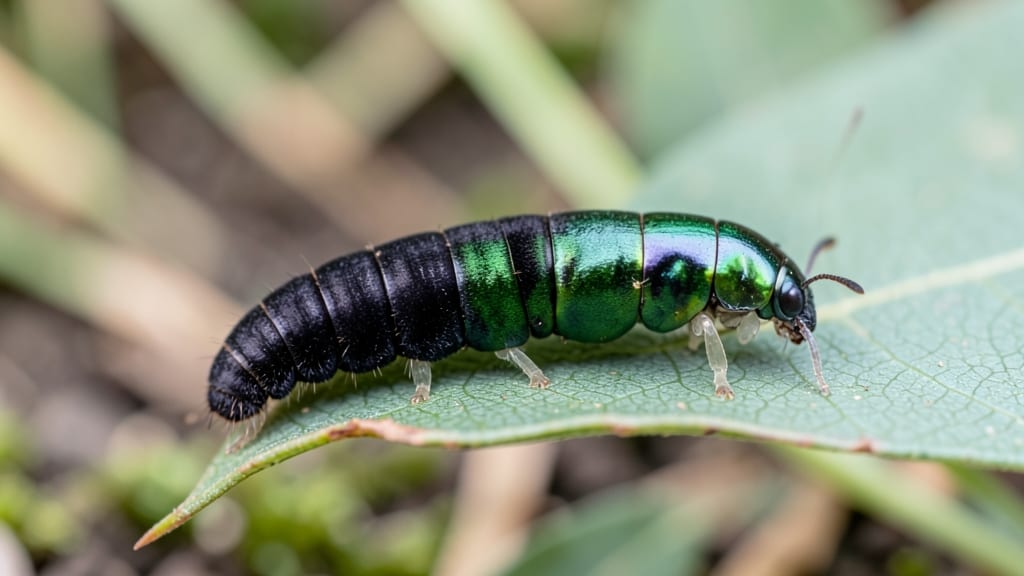
Those tiny black-and-yellow striped larvae devouring your eucalyptus leaves aren't just an eyesore—they can defoliate a tree in weeks. 🌿 I've battled eucalyptus leaf beetle larvae on my own trees, and what I learned changes everything about how I protect my plants.
The key isn't harsh chemicals but targeted organic interventions that work faster than you'd expect.
You'll spot them first as skeletonized leaves—chewed edges with green veins still intact. The larvae hide on undersides or drop to the ground when disturbed, making them hard to catch. Most gardeners panic and reach for pesticides, but that's exactly what attracts more beetles.
Instead, we focus on three simple steps that disrupt their life cycle without harming pollinators or beneficial insects.
Within 2-3 weeks of consistent action, you'll see fresh green growth returning as the larvae population collapses. The trees recover faster than you'd imagine, and the method works just as well on potted eucalyptus as it does on mature specimens.
No more watching your prized trees turn into leafy skeletons overnight.
This approach works in all climates where eucalyptus grows—coastal, inland, or container gardens. The secret lies in timing your interventions with the beetles' life stages. Let's get those trees back to their lush, fragrant best without the chemical cleanup.
Root Causes Of Infestation
Understanding why eucalyptus leaf beetle larvae (or Chrysophana confluens) target your trees is the first step to preventing them. These pests don’t just appear out of nowhere—they’re drawn by specific conditions that make your eucalyptus a prime buffet. Let’s break down the key reasons behind their arrival and persistence.
Eucalyptus trees under stress—whether from drought, poor soil, or overcrowding—emit chemical signals that attract leaf beetle larvae. These pests thrive on weakened trees because they’re easier to colonize.
Why it happens:
- Nutrient Deficiency: Trees lacking nitrogen, phosphorus, or potassium produce softer, more palatable leaves.
- Water Stress: Drought-stressed eucalyptus release volatile organic compounds (VOCs) that act like a dinner bell to beetles.
- Competition: Overcrowded trees compete for resources, making them more vulnerable to pest attacks.
Actionable fix:
- Prune branches to improve airflow and reduce stress.
- Test soil and amend with organic compost or slow-release fertilizers.
- Water deeply but infrequently to encourage deep root growth.
Eucalyptus leaf beetle larvae love warm, humid environments—perfect conditions for rapid reproduction. If your region experiences:
- Mild winters (larvae survive and multiply year-round).
- High humidity (keeps eggs and larvae moist).
- Long growing seasons (more time to feed and reproduce).
Why it happens:
- Temperature Range: Larvae thrive between 60–85°F (15–30°C)—ideal for most coastal and subtropical eucalyptus-growing areas.
- Rainfall Patterns: Frequent rain keeps eggs hydrated and speeds up larval development.
Actionable fix:
- Monitor weather patterns and treat early if larvae appear before peak humidity.
- Use shade cloth in extreme heat to reduce stress on trees.
- Plant windbreaks to disrupt beetle flight paths.
While eucalyptus leaf beetle larvae have natural predators (like birds, parasitic wasps, and fungal pathogens), human interventions—such as pesticides or habitat destruction—can disrupt this balance.
Why it happens:
- Pesticide Overuse: Broad-spectrum insecticides kill beneficial predators faster than they kill beetles, creating a vacuum.
- Monoculture Planting: Large stands of eucalyptus with no biodiversity reduce predator diversity.
- Urbanization: Loss of native shrubs and grasses removes hiding spots for predator species.
Actionable fix:
- Introduce beneficial nematodes (Steinernema carpocapsae) to target larvae without harming predators.
- Plant native companion plants (e.g., acacias, wattles) to attract predator species.
- Avoid chemical sprays; opt for neem oil or kaolin clay as safer alternatives.
Eucalyptus leaf beetles are native to Australia but have spread globally via international plant trade and firewood transport.
Once established, they spread rapidly through: - Wind dispersal (adult beetles fly up to 1 mile). - Hitchhiking on vehicles (eggs on firewood, nursery stock). - Bird migration (accidental transport of larvae).
Why it happens:
- Globalization: Eucalyptus is widely planted for timber and ornamentals, creating new habitats.
- Climate Change: Warmer winters expand their range into previously unsuitable areas.
- Lack of Quarantine: Some regions fail to inspect imported plant material thoroughly.
Actionable fix:
- Inspect new plants before bringing them home—look for eggs or larvae on leaves.
- Report sightings to local agricultural extensions to track outbreaks.
- Avoid moving firewood—buy locally to prevent accidental spread.
Beetle eggs and larvae often hide in:
- Fallen leaves and bark (providing shelter and moisture).
- Wood chips or mulch (acting as micro-habitats).
- Pruned branches left on the ground (a buffet for emerging larvae).
Why it happens:
- Organic Debris: Decaying plant matter retains moisture, extending larval survival.
- Lack of Cleanup: Prunings left near trees become breeding grounds.
Actionable fix:
- Remove all plant debris within 50 feet of eucalyptus trees.
- Chop prunings and compost them away from the tree line.
- Use wood chips sparingly—opt for inorganic mulch (gravel, rubber) if infestations are severe.
Eucalyptus leaf beetle larvae don’t choose trees randomly—they’re drawn by stress, climate, habitat, and human activity. By addressing these root causes, you can make your trees less appealing and disrupt the beetles’ life cycle before they become a full-blown infestation. Prevention starts with understanding their triggers.
Beat Back Leaf Beetle Larvae Naturally
Now that you understand why eucalyptus leaf beetle larvae are wreaking havoc on your trees, it’s time to take action—without resorting to harsh chemicals. Below are targeted, organic solutions tailored to the root causes of infestations, from early detection to long-term prevention.
Each fix is designed to be easy, effective, and eco-friendly, so you can restore your trees without harming the environment.
If you’ve spotted skeletonized leaves or tiny black larvae (about 1/4 inch long) on your eucalyptus, act fast!
- 👨🍳 Handpick Larvae & Eggs
- Wear gloves and inspect leaves daily (especially undersides).
- Drop larvae into soapy water (1 tbsp dish soap per gallon) to kill them instantly.
- Check tree bark crevices—larvae hide there during the day.
- Pro Tip: 💡 Use a flashlight at dusk when larvae are most active.
- 🍳 Prune & Destroy Infested Foliage
- Cut off heavily damaged leaves and burn or bag them (do not compost).
- Focus on new growth, where larvae love to feed.
- Warning: ⚠️ Do not compost infested leaves—this spreads eggs!
Sometimes, nature’s own tools work best.
- 🔥 Solarization (For Small Trees)
- Cover potted eucalyptus or young saplings with clear plastic sheeting for 3–5 days in full sun.
- Traps heat, killing larvae and eggs without chemicals.
- Best for: 🌡️ Spring or early summer when temps rise above 90°F.
- 🛡️ Physical Barriers (For Established Trees)
- Wrap tree trunks with floating row covers or fine mesh netting (1/4 inch or smaller).
- Secure tightly to prevent adult beetles from laying eggs.
- Pro Tip: ✨ Combine with sticky traps (yellow or blue) to catch adults.
When larvae are too numerous to handpick, plant-based sprays can save the day.
| Solution | How to Use | Best Time to Apply |
|---|---|---|
| Neem Oil Spray | Mix 1 tbsp neem oil + 1 tsp mild soap per quart of water. Spray top & bottom of leaves. | Evening (avoid direct sun) |
| Kaolin Clay Spray | Suspend 2 tbsp kaolin clay in water, strain, and spray. Creates a physical barrier. | Morning or late afternoon |
| Garlic & Chili Pepper Spray | Blend 5 garlic cloves + 1 tbsp cayenne + 1 quart water. Strain and spray. | Weekly (reapply after rain) |
| Beauveria Bassiana (Fungal Spray) | Apply organic fungus that infects beetle larvae. Follow label rates. | Early morning (humid conditions) |
⚠️ Warning: Always test sprays on a small leaf area first to avoid damage.
Once your tree is healthy, keep it that way with these low-maintenance habits.
- 🌿 Encourage Beneficial Insects
- Plant nearby flowers (like dill, fennel, or marigolds) to attract ladybugs and parasitic wasps, which eat beetle larvae.
- Avoid broad-spectrum pesticides—they kill good bugs too.
- 💪 Strengthen Tree Health
- Water deeply but infrequently (eucalyptus hate soggy roots).
- Fertilize with compost in early spring to boost leaf toughness.
- Prune in late winter to remove weak branches (larvae target stressed wood).
- 🗓️ Seasonal Maintenance Schedule
- Spring: Apply neem oil after new growth appears.
- Summer: Handpick larvae weekly and check for eggs.
- Fall/Winter: Remove all fallen leaves and mulch around the base to deter overwintering.
- 🔥 Act in stages: Start with handpicking, then sprays, then barriers if needed.
- 🌡️ Monitor temps: Larvae slow down in cold weather—use this to your advantage.
- 📅 Stay consistent: Reapply organic sprays every 7–10 days until larvae disappear.
- 🌿 Think long-term: A healthy tree is the best defense—don’t neglect soil and water needs.
By following these step-by-step, organic methods, you’ll not only eliminate eucalyptus leaf beetle larvae but also protect your trees for years to come—without a single chemical in sight! 🌳💚
Frequently asked questions
How do I know if those tiny black-and-yellow striped larvae are actually eucalyptus leaf beetle larvae?
Look for 1/4-inch black larvae with yellow stripes on the undersides of eucalyptus leaves. They leave behind skeletonized leaves (chewed edges with green veins) and often drop to the ground when disturbed. Adult beetles are small, metallic blue-green with black spots.
Will neem oil really kill eucalyptus leaf beetle larvae, or just slow them down?
Neem oil disrupts larvae's feeding and growth hormones, often killing them within 3-5 days when applied correctly. For best results, mix 1 tbsp neem oil + 1 tsp mild soap per quart of water and spray both leaf surfaces in the evening (avoid direct sun). Reapply every 7-10 days until larvae disappear.
Can I use diatomaceous earth on my eucalyptus trees to control these larvae?
Food-grade diatomaceous earth can work, but it requires dry conditions and frequent reapplication (every 3-5 days after rain). Sprinkle lightly on leaves and soil around the base, focusing on larvae hotspots. Avoid overapplying—it can damage beneficial insects and dry out leaf surfaces.
What's the best time of year to treat for eucalyptus leaf beetle larvae?
Start treatments in early spring when new growth appears, and larvae become most active. Continue through summer, with special focus after rain (humidity speeds up their life cycle). In fall, concentrate on removing all plant debris to prevent overwintering. Cold winter months (below 50°F) naturally slow larval activity.
Will my eucalyptus tree recover if I've already lost most of its leaves?
Yes! Eucalyptus are remarkably resilient. Once you eliminate the larvae, new growth will emerge from buds along the branches. Focus on removing all remaining larvae, pruning severely damaged branches, and boosting tree health with proper watering and fertilization. Within 4-6 weeks, you should see significant regrowth.