
Planting
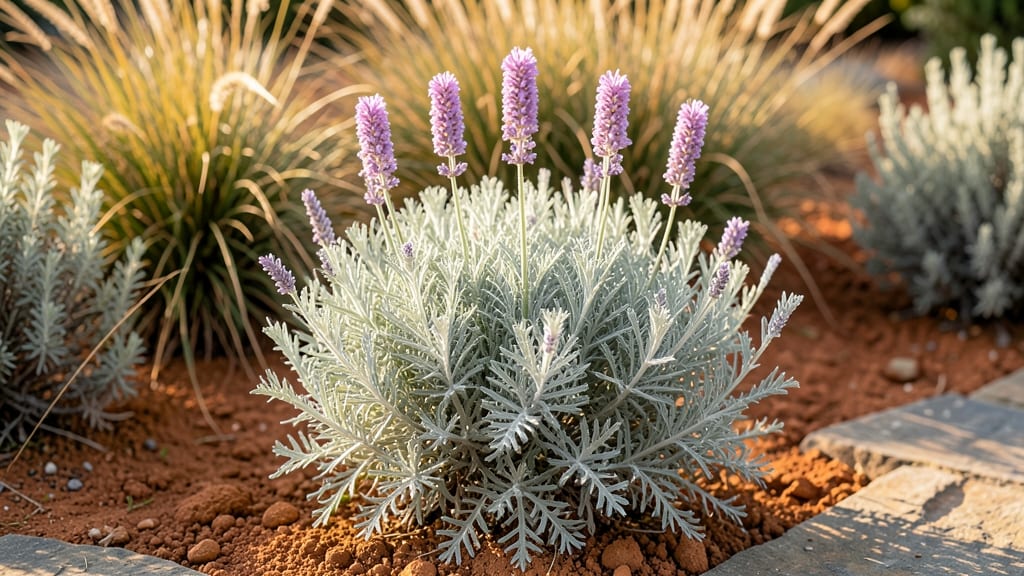
Fern leaf lavender thrives where most lavenders fail—down to Zone 5—with that signature piney fragrance and unique fern-like foliage. 🌿 I planted mine last spring after years of struggling with tender varieties, and now it’s the star of my cold-climate garden, blooming from early summer through frost.
The secret isn’t just hardiness; it’s the right balance of sun, soil, and pruning that keeps it lush and productive.
Start with well-draining soil—sandy loam or amended garden beds work best—and full sun for at least 6 hours daily. Water deeply but infrequently; overwatering is the #1 killer of lavender.
Once established, this plant is practically drought-proof, but young plants need consistent moisture. I mulch lightly with gravel to prevent soil compaction, which keeps roots happy and the fragrance strong.
By mid-summer, your fern leaf lavender will reward you with vibrant purple blooms that attract bees and hummingbirds. Prune lightly after flowering to maintain shape, and avoid cutting into old wood—this plant blooms on new growth.
The foliage alone emits that signature lavender scent when brushed, making it a sensory garden must-have.
Perfect for borders, containers, or even as a low-maintenance ground cover. If your plant gets leggy, it’s just asking for more sun or a light trim. The key is patience—once established, it thrives for 10+ years with minimal effort. Let’s get yours growing!
📚 In This Guide
- What you need
- Instructions
- Tips and common mistakes
- Wrapping up and next steps
What you need
- ● Fern leaf lavender plants: 1–3 nursery-grown plants (choose healthy, well-established specimens with vibrant green foliage).
- ● Well-draining potting mix: 2–3 gallons (for containers) or amend garden soil with compost and perlite (ratio: 60% soil, 30% compost, 10% perlite/sand).
- ● Garden bed or container: For in-ground planting: A sunny spot (6+ hours of sunlight) with loose, rocky soil (pH 6.5–7.5).
- ● For containers: A 12–18-inch pot with drainage holes (terracotta or fabric pots work best).
- ● Pruning shears: Sharp, clean pair (sterilize with rubbing alcohol before use).
- ● Mulch: 1–2 inches of gravel or wood chips (to retain heat and deter weeds).
- ● Watering can or hose with a gentle spray nozzle: For deep but infrequent watering.
- ● Slow-release fertilizer: A balanced 10-10-10 or lavender-specific fertilizer (apply sparingly in early spring).
- ● Drip irrigation system: For automated, low-stress watering (especially in hot climates).
- ● Plant supports: Small stakes or cages (if your lavender grows tall and leggy).
- ● Gloves: To protect hands during pruning (lavender oil can be irritating to some).
- ● Harvesting scissors: For cleanly cutting stems (leave at least ⅓ of the plant intact).
Step-by-Step guide to growing a thriving fern leaf lavender plant
Here’s how to cultivate this cold-hardy, fragrant perennial with lush foliage and year-round blooms—no green thumb required.
🌱 Step 1: Select the Perfect Planting Site
Fern leaf lavender thrives in full sun—at least 6-8 hours daily—but tolerates partial shade in hotter climates. Choose a spot with well-draining soil, as soggy roots cause root rot. If your soil is heavy clay, amend it with 2-3 inches of coarse sand or gravel mixed into the top 12 inches of soil.
I always test drainage by digging a 6-inch hole, filling it with water, and checking if it drains within 30 minutes. If water pools, raise the planting area with a mound of soil or plant in a large container with drainage holes. Fern leaf lavender also handles wind well, making it ideal for exposed sites.
🪴 Step 2: Plant at the Right Depth and Spacing
Dig a hole twice as wide as the root ball but only as deep as the container’s height. Gently remove the plant from its pot, loosen the roots if they’re circling, and place it so the top of the root ball sits level with the soil surface. Fern leaf lavender grows 18-24 inches tall and wide, so space plants 24-36 inches apart for optimal airflow and growth.
Backfill the hole with native soil, pressing lightly to eliminate air pockets. Water deeply to settle the soil and remove any mulch within 6 inches of the stem—lavender hates smothered crowns. A 2-inch layer of gravel around the base improves drainage and deters weeds.
☀️ Step 3: Water Deeply but Infrequently
Fern leaf lavender is drought-tolerant once established, so water deeply once a week during the first growing season, allowing the soil to dry completely between waterings. Overwatering leads to weak stems and fungal issues. After the first year, water only when the soil feels bone-dry 2 inches below the surface—this encourages deep root growth.
Mulch lightly with 1 inch of gravel or coarse sand (never organic mulch) to conserve moisture and regulate soil temperature. In winter, a thin layer of straw protects roots from freeze-thaw cycles, but avoid piling it against the stems to prevent rot.
✂️ Step 4: Prune for Bushiness and Blooms
Prune right after flowering (late spring to early summer) to shape the plant and encourage dense growth. Cut back one-third of the current season’s growth using clean, sharp shears, making cuts just above a set of leaves. Avoid heavy pruning in fall—this reduces winter hardiness.
Remove any dead or diseased stems immediately to prevent spread. Fern leaf lavender blooms on new wood, so don’t wait until late summer to prune—you’ll miss the next year’s flowers. Shear lightly in early spring to tidy up, but avoid cutting into old wood.
🌿 Step 5: Maintain Year-Round for Fragrant Beauty
Fertilize lightly in early spring with a balanced, slow-release fertilizer (10-10-10) at half the recommended rate. Fern leaf lavender is sensitive to excess nitrogen, which promotes leafy growth at the expense of flowers. Skip fertilizer in the second year if the plant looks healthy.
Harvest flowers by snipping stems just above a leaf node to prolong blooming. Dry bundles upside-down in a dark, well-ventilated space for potpourri or culinary uses. In winter, a light dusting of soil over the crown protects against temperature swings, but avoid burying the plant entirely.
Tips & tricks for perfect fern leaf lavender plant growth
These simple yet game-changing strategies will help you cultivate a thriving fern leaf lavender plant that blooms beautifully year after year.
Soil Preparation Secret: Before planting, mix in 1 part perlite or pumice to 3 parts native soil for even better drainage than the recommended 2-3 inches of sand. This creates air pockets that prevent waterlogging, which is especially important if your site has even slightly heavy soil. I’ve seen lavender plants struggle in clay soil even after amending—this extra step makes all the difference.
Planting Depth Check: When placing your fern leaf lavender in the hole, use a small stick or ruler to verify the top of the root ball sits exactly level with the surrounding soil. I’ve made the mistake of planting too deep, which can suffocate the plant, and too shallow, which exposes roots to drying winds. Aim for that perfect flush position where the soil meets the plant.
Watering Wisdom: The "bone-dry 2 inches" test in Step 3 is your best friend—stick a finger into the soil to feel for dryness rather than relying on a schedule. I’ve found that morning watering (before 10am) reduces evaporation and fungal risks. Also, water at the base rather than overhead to keep those fragrant leaves dry and disease-free.
Pruning Precision: When you’re cutting back one-third of the current season’s growth in Step 4, make your cuts at a 45-degree angle just above a leaf node. This angled cut prevents water from pooling on the stem, which reduces rot risk. I always sanitize my shears with rubbing alcohol between cuts to prevent spreading any potential pathogens from diseased stems.
Pro Tips for Fern Leaf Lavender Plant
- These simple yet game-changing strategies will help you cultivate a thriving fern leaf lavender plant that blooms beautifully year after year.
- Soil Preparation Secret: Before planting, mix in 1 part perlite or pumice to 3 parts native soil for even better drainage than the recommended 2-3 inches of sand.
- Planting Depth Check: When placing your fern leaf lavender in the hole, use a small stick or ruler to verify the top of the root ball sits exactly level with the surrounding soil.
Frequently asked questions
Got questions about growing fern leaf lavender? You’re not alone!
Here are answers to the most common queries to help you nurture this fragrant, cold-hardy beauty with confidence.
Is fern leaf lavender really cold-hardy? How cold can it tolerate?
Fern leaf lavender (Lavandula stoechas) thrives in USDA zones 7–10 and can handle light frosts down to 15–20°F (-9 to -7°C). For colder climates (zones 5–6), plant it in a protected spot like near a south-facing wall or mulch heavily in winter. Pro tip: Avoid soggy soil—drainage is key to winter survival!
How often should I water fern leaf lavender, and how do I know it’s thirsty?
Fern leaf lavender is drought-tolerant once established (after 1–2 years). Water deeply but infrequently—about once a week in summer (or when the top 1–2 inches of soil feel dry). Signs of thirst: Wilting leaves or a dull gray-green hue. Overwatering is worse than underwatering—yellowing leaves or mold mean you’re overdoing it!
Can I grow fern leaf lavender in containers? What’s the best pot size?
Yes! Containers are perfect for fern leaf lavender, especially in colder zones. Use a pot at least 12–18 inches wide and deep with drainage holes to prevent root rot. Choose a terracotta or fabric pot for better airflow. Move pots indoors (or to a garage) if temps drop below 20°F (-7°C). Bonus: Container lavender blooms earlier in spring!
Why aren’t my fern leaf lavender flowers opening? Is it dying?
Don’t panic! Over-fertilizing (especially with high-nitrogen feed) or too much shade can stunt blooms. Ensure your plant gets 6+ hours of sun daily and minimal fertilizer—fern leaf lavender prefers lean, well-draining soil. Deadheading spent blooms encourages more flowers. If leaves turn brown, check for pests (aphids, spider mites) or fungus (like powdery mildew).
What’s a good alternative if fern leaf lavender doesn’t thrive in my climate?
If your zone is too cold (<30°F/-1°C) or too humid, try these lavender alternatives:
- English Lavender (Lavandula angustifolia): Hardier (zones 5–9), classic fragrance, and loves full sun.
- Spanish Lavender (Lavandula stoechas ‘Sawyers’): A hardier cultivar of fern leaf lavender (zones 6–10).
- Grosso Lavender (Lavandula x intermedia): Larger, bushier, and zone 5–9 friendly.
- Dwarf Lavender (Lavandula angustifolia ‘Hidcote’): Compact and great for containers (zones 5–9).
Pro tip: If humidity is the issue, plant lavender near rosemary or thyme—they share similar care needs!
Wrapping up and next steps
The fern leaf lavender plant is a cold-hardy, fragrant perennial that brings beauty and charm to gardens year-round with its delicate blooms and silvery foliage. Whether you're a seasoned gardener or just starting out, its low-maintenance nature and versatility make it a fantastic addition to your outdoor space.
Ready to bring a touch of elegance to your garden? Grab your supplies, follow the steps, and enjoy the soothing scent and stunning looks of fern leaf lavender in no time! 🌿✨