
Pests and Diseases
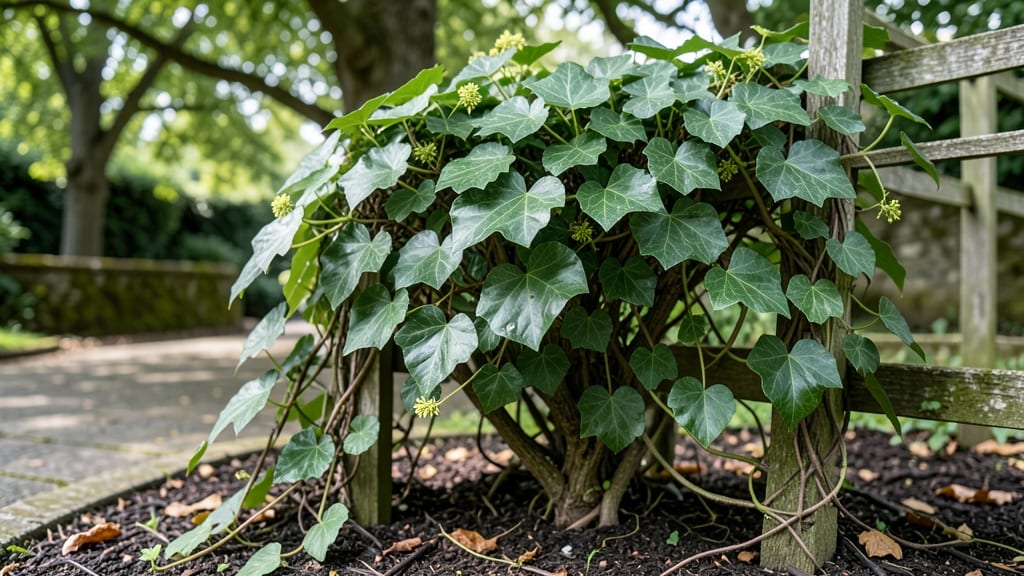
Growing five-leaf ivy means glossy, disease-resistant foliage that thrives year-round with minimal fuss. ✨ I’ve watched mine climb trellises and spill over pots for years—it’s the plant that just keeps going, even when I forget to water it.
The secret lies in its adaptability: whether you’re tucking it into a shady corner or training it up a fence, this cold-hardy perennial rewards patience with lush, vibrant growth.
This plant loves partial shade but tolerates full sun if kept moist, making it perfect for under trees or north-facing walls. Well-draining soil—even poor quality—works, though richer soil produces faster growth. Water when the top inch feels dry, but avoid soggy roots, which can lead to root rot.
Pruning isn’t just for shaping; cutting back leggy stems in early spring encourages bushier, fuller growth.
By summer, your ivy will be a thriving green curtain, resistant to pests like spider mites and diseases that plague other plants. The five-lobed leaves stay glossy and vibrant even in winter, adding year-round interest. With just a few cuttings, you can propagate new plants—free, easy, and foolproof.
Whether you’re a beginner or a seasoned gardener, five-leaf ivy is the low-maintenance workhorse of the garden. It’s drought-tolerant once established, handles urban pollution, and even improves air quality. Let’s get yours growing strong!
📚 In This Guide
- What you need
- Instructions
- Tips and common mistakes
- Wrapping up and next steps
What you need
- ● Five-leaf ivy plants: 1–3 healthy nursery-grown plants (choose disease-resistant varieties like 'Glacier' or 'Little Diamond').
- ● Well-draining soil: A mix of 60% topsoil, 30% compost, and 10% perlite or sand (for containers or poor soil).
- ● Organic mulch: 2–3 inches of shredded bark, wood chips, or pine needles to retain moisture and suppress weeds.
- ● Fertilizer: A balanced, slow-release granular fertilizer (10-10-10 or 20-20-20) or organic options like composted manure or worm castings.
- ● Watering can or hose: With a gentle spray nozzle for hydration without damaging leaves.
- ● Gloves and pruning shears: Sharp, sterilized shears (disinfect with rubbing alcohol) for trimming.
- ○ Support structures (optional): Trellis, fence, or arbor for climbing varieties.
- ● Containers (10–15 gallons per plant) with drainage holes for potted growth.
- ● Soil pH tester: Five-leaf ivy thrives in slightly acidic to neutral soil (pH 6.0–7.5).
- ● Moss poles or coconut coir: For humidity-loving varieties in containers.
- ● Fungicide (preventative): Copper-based spray for fungal disease-prone areas.
- ● Slow-release plant spikes: For nutrients in containers.
Step-by-Step instructions for cultivating five leaf ivy
This cold-hardy perennial thrives with minimal fuss once you nail these key steps—glossy leaves and all.
🌱 Step 1: Select and Prepare Planting Sites
Five leaf ivy (*Hedera helix 'Five Leaf') flourishes in partial shade to full sun but tolerates deep shade in hot climates. Choose locations with well-draining soil—it despises soggy roots. I always test soil moisture by squeezing a handful; if it forms a tight ball, amend with compost or perlite to improve drainage.
For ground cover, space plants 3-4 feet apart to allow foliage to fill in completely. If using as a climbing vine, install trellises or let it scramble naturally over rocks or fences. The key is giving it room to spread—crowded plants develop sparse, leggy growth.
☀️ Step 2: Plant at the Right Time and Depth
Plant in early spring or fall when temperatures are mild but not extreme. Dig holes twice as wide as the root ball but only as deep—the top of the root ball should sit flush with soil level. Five leaf ivy has shallow roots, so burying too deep suffocates the crown.
Water deeply immediately after planting to settle the soil and eliminate air pockets. I like to add a 1-inch layer of mulch around the base (but not touching the stem) to retain moisture and regulate soil temperature. This step is critical—skipping mulch leads to soil crusting that stunts root growth.
💧 Step 3: Water Deeply and Establish a Routine
Water once weekly during the first growing season, delivering 1-1.5 gallons per plant to encourage deep rooting. You'll know you're watering correctly when the soil feels moist 4 inches down—stick your finger in to check. Overwatering is the fastest way to invite root rot in this otherwise hardy plant.
Once established (after 6-8 weeks), reduce watering to every 2-3 weeks, unless your area experiences prolonged drought. Five leaf ivy's thick leaves store moisture, so it thrives on neglect once roots are deep. Yellowing leaves usually signal overwatering, not underwatering.
✂️ Step 4: Prune for Density and Control Spread
Prune in late winter or early spring before new growth begins. Remove 1/3 of the oldest stems at ground level to encourage bushier, denser foliage. I also trim back any leggy growth that stretches toward sunlight—this redirects energy to leaf production rather than stem elongation.
For ground cover, keep plants 3-4 feet apart by occasionally cutting back the longest runners. If using as a climbing vine, prune new growth by 1/3 in spring to maintain a compact shape. Always use clean, sharp pruners to avoid tearing stems and inviting disease.
🌿 Step 5: Fertilize Lightly for Vibrant Growth
Apply a balanced, slow-release fertilizer (10-10-10) in early spring at half the recommended rate. Five leaf ivy doesn't need much—too much nitrogen produces lush stems but sparse leaves. I scatter granules around the drip line (not the base) and water deeply to activate them.
Skip fall fertilization entirely. The plant enters a natural dormancy period, and feeding at this time encourages tender new growth that won't survive winter. Instead, focus on removing fallen leaves to prevent fungal diseases from taking hold in damp debris.
Tips & tricks for perfect five leaf ivy cultivation
Mastering this cold-hardy beauty comes down to a few strategic moves that make all the difference between sparse growth and lush, glossy foliage.
Soil Preparation Secret: Before planting, I always mix in 50% compost and 50% native soil to create the ideal loose, airy medium. Five leaf ivy's roots need that perfect balance—too much native soil compacts and restricts growth, while pure compost can wash away nutrients. Test your amended soil by squeezing it: it should hold shape but crumble easily between fingers. This texture prevents the dreaded soil crusting that chokes young roots.
Planting Depth Technique: The shallow root system of five leaf ivy demands precision in Step 2. When you're planting, use a level or stick to mark the original soil line on the root ball before removing it from the pot. This becomes your guide—bury only until that line sits flush with the surrounding soil. I've seen many gardeners bury these too deep, which suffocates the crown and leads to stunted growth. Think of it like planting a tree: just enough to cover the roots, no more.
Watering Wisdom: During that critical first growing season, I swear by the "finger test" in Step 3. After your weekly watering, stick your finger 4 inches deep—this is where the roots will establish. The soil should feel moist but not soggy. If it's dry at this depth, water again. If it's still damp after 24 hours, you're overdoing it. Yellowing leaves? That's almost always overwatering, not thirst. The plant's thick leaves store moisture like little water tanks once roots are deep.
Pruning Pro Tip: When you're pruning in late winter (Step 4), look for stems that are woody and hollow—these are the oldest ones you should remove. I always cut these back to the ground level, which might seem drastic, but it triggers bushier regrowth from the base. For climbing varieties, never prune more than one-third of the new growth in spring, or you'll sacrifice next year's vigor. And here's a trick: use a pair of clean, sharp pruners and wipe them with rubbing alcohol between cuts to prevent spreading any potential diseases hiding in the stems.
Pro Tips for Five Leaf Ivy
- Mastering this cold-hardy beauty comes down to a few strategic moves that make all the difference between sparse growth and lush, glossy foliage.
- Soil Preparation Secret: Before planting, I always mix in 50% compost and 50% native soil to create the ideal loose, airy medium.
- Planting Depth Technique: The shallow root system of five leaf ivy demands precision in Step 2.
Frequently asked questions
Got questions about growing or caring for five-leaf ivy (Hedera helix 'Five Leaf')? You’re not alone—this cold-hardy beauty is a favorite, but it does come with a few quirks! Here are answers to the most common queries to help you keep your plant thriving.
Is five-leaf ivy toxic to pets?
Yes, it’s mildly toxic to cats and dogs if ingested. The plant contains saponins, which can cause drooling, vomiting, or diarrhea if chewed. Keep it out of reach of pets or opt for pet-safe alternatives like Boston ivy or English ivy varieties labeled non-toxic.
How cold-hardy is five-leaf ivy, really?
This variety is Zone 4-9 hardy, meaning it survives winters as low as -30°F (-34°C). However, young plants may need winter protection (like mulch or burlap wraps) in harsh climates. Established vines handle frost beautifully—just avoid planting in exposed, windy spots.
What pests should I watch for, and how do I treat them?
Five-leaf ivy is disease-resistant, but pests like aphids, spider mites, or scale can still appear. Blast off aphids with a hose or use neem oil for mites. For scale, scrape them off with a plastic scraper and apply insecticidal soap. Prune heavily infested areas to prevent spread.
Can I grow five-leaf ivy indoors?
While it’s an outdoor staple, you can grow it indoors near a bright, indirect-light window (east or north-facing). Keep humidity high (mist leaves or use a pebble tray) and prune aggressively to control its sprawling habit. Expect slower growth—it’s happier outside!
How long does it take to establish?
Five-leaf ivy grows moderately fast—about 12–24 inches per year under ideal conditions. Roots establish within 1–2 seasons, but full coverage on a trellis or wall may take 3–5 years. Patience pays off with its lush, evergreen beauty!
Pro Tip:
If your five-leaf ivy’s leaves turn yellow, it’s often a sign of overwatering or poor drainage. Let the soil dry slightly between waterings, and amend heavy clay soil with compost to improve aeration.
Wrapping up and next steps
Growing five-leaf ivy is a rewarding journey—its glossy, cold-hardy leaves and disease-resistant nature make it a standout choice for any garden. Whether you're battling pests, improving soil, or simply admiring its resilience, this plant thrives with minimal fuss. 🌿
Ready to level up your green space? Start by selecting a spot with the right conditions, then monitor your ivy regularly for early signs of trouble. With patience and care, your five-leaf ivy will flourish, adding beauty and durability to your landscape for years to come!
Next step: Grab your gloves and get planting—your garden deserves this easy-care champion. 🌱