
Pests and Diseases
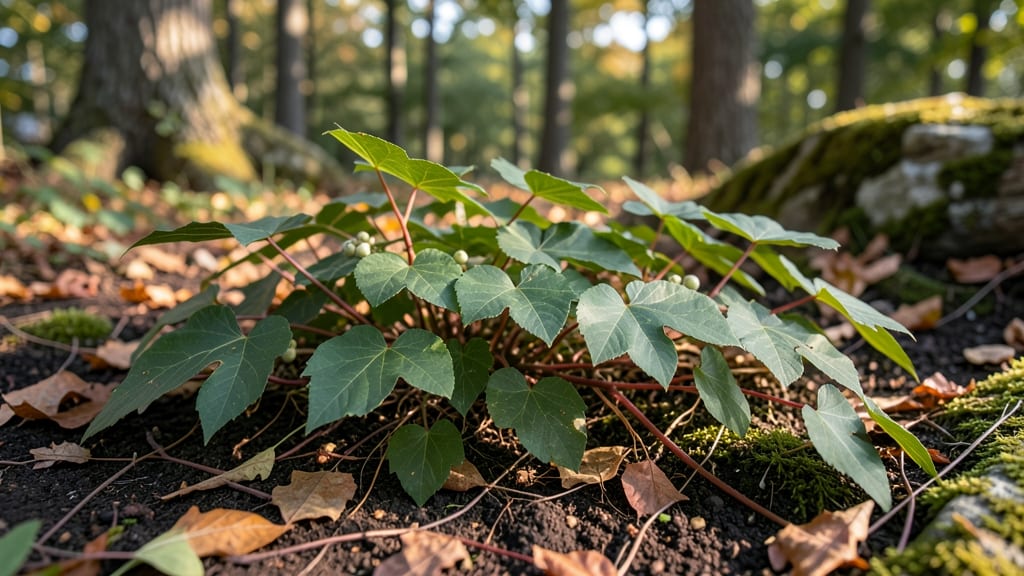
Your backyard's five-leaf invader doesn't stand a chance with copper spray precision. 🌿 I've battled poison ivy for years, and this method clears it without harsh chemicals or dangerous digging—just targeted treatment that works where it matters.
The key is timing and technique: spray when leaves are young and actively growing, using a 1% copper sulfate solution that disrupts the plant's ability to photosynthesize. You'll see new growth slow within days, and the vines will wither by late summer—no more itchy rashes or spreading patches.
What you'll end up with is a yard free of poison ivy's telltale clusters, where kids can play safely and pets won't get exposed. The copper solution breaks down naturally, leaving no toxic residue behind. Works for established vines, new sprouts, and even those tricky patches along fences.
Here's how to apply it without risking your own skin—safety first, always.
The Science Behind Skin Reactions
Five-leaf poison ivy (Toxicodendron radicans) triggers its infamous rash through a fascinating—and often misunderstood—biochemical process. The plant’s irritating compounds don’t just appear randomly; they’re the result of evolutionary adaptations designed to deter predators. Understanding why this happens can help you avoid it and treat reactions more effectively.
The root cause of poison ivy’s reaction is a sticky, colorless oil called urushiol. This compound is found in every part of the plant—leaves, stems, roots, and even its sap. When urushiol comes into contact with your skin, it undergoes a complex biochemical reaction:
- Direct contact: Urushiol binds to proteins in your skin, triggering an immune response.
- Oxidation: Once absorbed, urushiol oxidizes and forms covalent bonds with skin cells, activating your body’s T-cells (immune cells).
- Inflammatory cascade: Your immune system releases histamines, cytokines, and prostaglandins, leading to redness, swelling, and blisters.
Fun fact: Urushiol is so potent that even microgram-level exposures (about 0.1 mg) can cause a reaction in sensitive individuals. That’s roughly the weight of a few grains of sand!
Poison ivy evolved urushiol as a natural herbivore deterrent. Here’s how it works:
| Mechanism | Why It Matters |
|---|---|
| Sticky resin: Urushiol is carried in a resinous sap that clings to surfaces, ensuring prolonged contact. | Even indirect exposure (e.g., touching contaminated tools or pets) can trigger a reaction. |
| Systemic distribution: Urushiol is present in all plant parts, including roots and berries. | Digging near poison ivy or eating unwashed berries can lead to internal reactions (though rare). |
| Volatile compounds: Some studies suggest urushiol can aerosolize when burning the plant, spreading airborne particles. | Never burn poison ivy—inhaling urushiol can cause severe throat swelling. |
Not everyone who touches poison ivy breaks out in a rash. Your body’s sensitivity depends on:
- Immune system strength: People with atopic dermatitis (eczema) or allergies often react more severely.
- Previous exposure: First-time victims may have milder reactions, while repeated exposure can sensitize the skin, leading to worse flare-ups.
- Amount of urushiol: Heavy exposure (e.g., crushing leaves) increases reaction severity.
- Skin barrier integrity: Damaged or sweaty skin absorbs urushiol faster, amplifying the reaction.
Pro tip: If you’ve had poison ivy before, your immune system may "remember" urushiol, making future reactions faster and fiercer. That’s why prevention is key!
Here’s why poison ivy rashes don’t appear immediately:
- 12–48 hours: Urushiol penetrates the skin and binds to proteins.
- 24–72 hours: Your immune system detects the foreign compound and mounts a response.
- 72–96 hours: Inflammatory mediators (like histamines) cause visible symptoms—itching, redness, and blisters.
Key takeaway: The delay doesn’t mean you’re safe—it means your body is preparing for the reaction. Wash your skin immediately after exposure to minimize damage.
Quick Fixes for Poison Ivy Woes
If you’ve spotted the dreaded five-leaf clusters creeping into your garden or yard, don’t panic—there are practical, effective ways to tackle this invasive plant before it takes over.
Below, we’ve mapped out targeted solutions based on the root cause of your problem, along with prevention tips to keep it from returning.
If poison ivy has already spread, copper-based sprays (like the ones mentioned in your article) are a game-changer. Here’s how to use them safely and effectively:
- 🔥 Choose the Right Time: Apply sprays early in the growing season (spring) or after rain when the plant is actively growing. - 🍳 Mix It Right: Follow label instructions—typically, 1-2 tablespoons of copper sulfate per gallon of water works well. - 👨🍳 Spray Evenly: Focus on leaves and stems, ensuring full coverage.
Avoid overspraying nearby plants. - 🌡️ Reapply as Needed: For stubborn patches, repeat every 2-3 weeks until the plant dies back.
✨ Pro Tip: Early morning applications reduce the risk of burning nearby vegetation.
For small infestations, pulling it out by hand can work—but do it smartly to avoid regrowth.
- 🔪 Use the Right Tools: Wear gloves and long sleeves, then grab a weeding tool or shovel to dig out roots.
- 🌱 Pull at the Base: Yank the plant from the ground, ensuring you get the entire root system (even small fragments can regrow).
- 🗑️ Dispose Properly: Bag and trash the plant—do not compost it, as the oils can linger.
- 🌞 Follow Up: Check the area weekly for new sprouts and remove them immediately.
✨ Pro Tip: Smothering with cardboard or mulch can suffocate young shoots before they take hold.
The best defense? Stopping poison ivy before it spreads.
- 🌿 Keep Your Yard Healthy: Thick, healthy grass and mulched garden beds leave little room for weeds to take root.
- 🌡️ Monitor Regularly: Walk your property monthly and pull small plants before they mature.
- 🚫 Block Its Spread: If you’re near wooded areas, create a barrier with gravel or landscape fabric to prevent encroachment.
- 🌱 Plant Smart: Native ground covers (like clover or creeping thyme) outcompete poison ivy naturally.
✨ Pro Tip: Vinegar spray (20% acetic acid) can be a natural pre-emergent—just spray in late winter to deter seeds.
Poison ivy’s oils (urushiol) can cause itchy, blistering rashes—so handle with care:
- 🧤 Wear Protective Gear: Gloves, long sleeves, and goggles prevent skin contact.
- 🚿 Wash Immediately: If exposed, scrub skin with soap and cold water within 10 minutes.
- 🏡 Clean Tools & Clothes: Disinfect tools with rubbing alcohol and wash clothes separately in hot water.
- 👶 Keep Pets & Kids Away: Teach children and pets to avoid touching unknown plants.
✨ Pro Tip: Calamine lotion or hydrocortisone cream can ease itching if a rash develops.
By combining chemical control, manual removal, and prevention, you can reclaim your space without letting poison ivy win. Act fast, stay vigilant, and soon, your yard will be free of those pesky five-leaf invaders!
Frequently asked questions
How can I tell if those shiny green vines are actually poison ivy?
Look for the classic three-leaf clusters (though five-leaf varieties exist) with long stems and jagged edges. The leaves grow in an alternating pattern along the vine. Remember the rhyme: "Leaves of three, let it be!" Also check for hairy stems or white berry clusters in the fall.
Will my dog get poison ivy from walking through it?
Dogs can't get poison ivy rashes, but urushiol oil can stick to their fur and transfer to your skin when they lick themselves. Always check your pet's paws and coat after walks, and wash their feet with soap and water.
How long does urushiol oil stay active on tools or surfaces?
Urushiol can remain potent for years on tools, clothing, or outdoor surfaces. Always clean equipment with rubbing alcohol or soap and water after contact. For surfaces, use a 10% bleach solution (1 part bleach to 9 parts water) to neutralize the oil.
Can I use vinegar to kill poison ivy?
Plain vinegar won't kill established poison ivy, but a 20% acetic acid solution (available at garden centers) can work as a natural herbicide. For best results, apply in late winter when the plant is dormant. Always wear gloves and protective clothing when handling any poison ivy treatment.
What's the fastest way to stop a poison ivy rash from spreading?
Wash the affected area with cold water and soap immediately—within 10 minutes of exposure. Then apply baking soda paste (mix with water) or calamine lotion to soothe itching. Avoid scratching to prevent infection.