
Plants
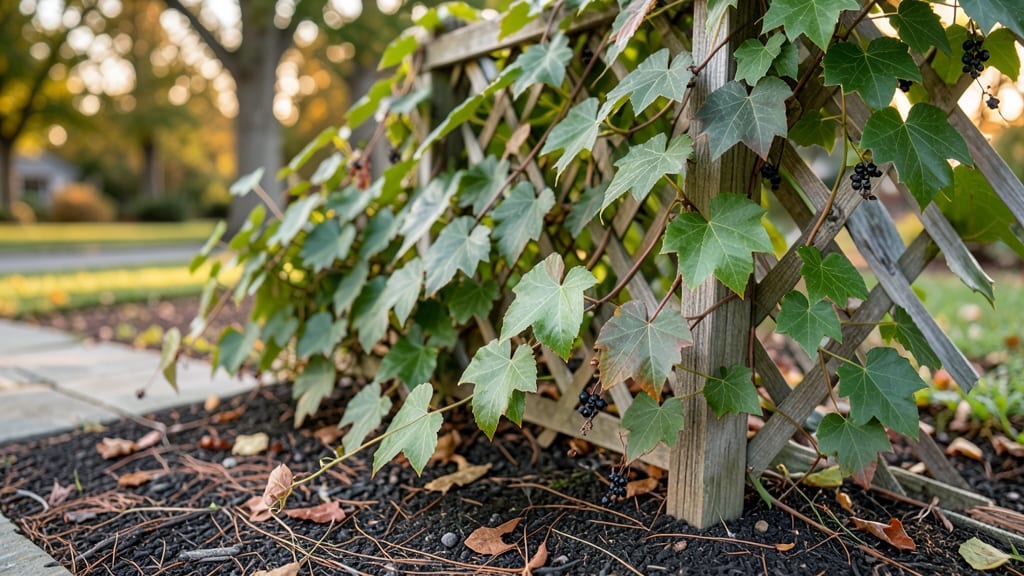
Growing five-leaf vines (Parthenocissus quinquefolia) turns any wall into a living masterpiece. 🌿 These cold-hardy climbers thrive in zones 3-9, turning bare spaces into lush green canopies with minimal effort.
I planted mine last spring, and by summer, they were already climbing my fence like a natural trellis—no wires or supports needed. The secret to their success? Full sun to partial shade and well-draining soil. They handle everything from rocky slopes to urban sidewalks, making them the ultimate low-maintenance vine.
Just water them regularly the first year, and they’ll establish deep roots that keep them going through droughts and winters alike. By fall, you’ll see those iconic five-leaf clusters turning brilliant red or orange, creating a show that lasts until frost.
Prune in late winter to shape them, and they’ll bounce back with even more vigor. These vines aren’t just pretty—they’re tough, adaptable, and perfect for beginners.
Whether you’re covering a chain-link fence, dressing up a brick wall, or adding shade to a patio, five-leaf vines deliver year-round interest with almost no fuss. Let’s get yours growing!
📚 In This Guide
- What you need
- Instructions
- Tips and common mistakes
- Wrapping up and next steps
What you need
- ● Five-leaf vine plants: 1–3 nursery-grown vines (6–12 inches tall, potted) or
- ● 50–100 seeds (if starting from scratch—germination can be slow!)
- ● Soil: Well-draining, slightly acidic to neutral pH (6.0–7.5). Mix in 2–3 parts topsoil + 1 part compost.
- ○ Fertilizer (optional but helpful): Balanced granular fertilizer (10-10-10) or slow-release organic option (e.g., worm castings).
- ● Dosage: ½ cup per planting hole (sprinkle around roots).
- ● Garden tools: Trowel or shovel (for digging)
- ● Pruners (sterilized, sharp)
- ● Garden gloves (to protect hands from thorns!)
- ○ Support structures (optional but recommended): Trellis, arbor, or fence (at least 6–8 feet tall for climbing).
- ● Twine or soft ties (to secure vines initially).
- ● Watering supplies: Hose with nozzle or watering can (1–2 gallons per plant during dry spells).
- ● Mulch (2–3 inches of shredded bark or wood chips to retain moisture).
- ● Sunlight: Partial shade to full sun (6+ hours/day). Avoid harsh afternoon sun in hot climates.
- ● Climate zone: USDA Zones 3–9 (cold-hardy but thrives in temperate regions).
- ● Space: Minimum 6–10 feet apart (vines spread aggressively!).
- ● Patience: Seeds take 2–3 years to mature; nursery plants show faster results.
Step-by-Step instructions for planting and caring for five-leaf vines
Here's how to establish these striking perennials for bold, seasonal interest that thrives in your climate.
🌱 Step 1: Choose the Perfect Planting Location
Five-leaf vines adore partial shade—think dappled sunlight or morning sun with afternoon shade. I always look for spots where the soil stays consistently moist but not soggy, like near a foundation or under mature trees. Mark a 4-foot diameter circle where you'll plant, as these vines spread aggressively over time.
Test your soil's moisture by digging a 6-inch deep hole—if water pools at the bottom, amend with 2 inches of compost to improve drainage. The ideal spot gives them 4-6 hours of filtered light daily, which prevents leaf scorch in hot summers. I plant mine near my patio so I can enjoy their dramatic foliage up close.
🪴 Step 2: Prepare the Soil and Plant Bare-Root Crowns
Loosen the soil in your marked circle to a depth of 12 inches, breaking up any compacted layers. Mix in 3-4 cups of 5-10-5 fertilizer per plant to give them a nutrient boost right away. Five-leaf vines have shallow roots, so focus on creating a loose, airy bed rather than deep digging.
Position the bare-root crown 1-2 inches below soil level—this prevents rot while encouraging strong root growth. Space plants 3-4 feet apart to allow their vines to spread naturally. Backfill with soil, gently firming it around the roots to eliminate air pockets. Water immediately after planting to settle the soil and remove any air gaps.
☀️ Step 3: Water and Mulch for Season-Long Success
Keep the soil evenly moist for the first 4-6 weeks after planting—this is critical for root establishment. Water deeply 2-3 times per week, aiming for 1 inch of moisture per week. You'll know you're doing it right when the top 2 inches of soil feel damp but not soggy. Overwatering leads to root rot, while underwatering causes leaf scorch.
Apply a 3-inch layer of mulch (like shredded bark or wood chips) around each plant, keeping it 2 inches away from the stem. This conserves moisture, regulates soil temperature, and suppresses weeds. Refresh the mulch annually in early spring—it breaks down faster than you'd expect, especially in hot climates.
✂️ Step 4: Prune for Shape and Seasonal Interest
In early spring, trim back any dead or damaged growth to 2 inches above the ground. This encourages fresh, vigorous growth and prevents disease from lingering in old foliage. I use clean, sharp pruners to make 45-degree cuts just above a leaf node—this promotes branching and thicker vines.
Throughout the growing season, remove any yellowed or diseased leaves immediately. In late fall, cut back the foliage by half to reduce winter damage. The vines will regrow quickly in spring, and you'll be rewarded with lush, healthy growth. This pruning keeps your plants looking tidy while maintaining their cold-hardy nature.
⏰ Step 5: Winter Care for Year-Round Beauty
Five-leaf vines are cold-hardy, but heavy snow or ice can damage their structure. In areas with harsh winters, apply a 2-inch layer of mulch in late fall to insulate the roots. I also tie the vines loosely to stakes if they're prone to flopping under snow weight—this prevents breakage without restricting growth.
In early spring, remove the mulch and check for any winter damage. Prune out any blackened or mushy stems immediately. These vines bounce back quickly, so don't worry if they look a little ragged after winter. With proper care, they'll reward you with year-round interest, from their spring foliage to their autumn color changes and even winter seed heads.
Tips & tricks for perfect five-leaf vine planting
Took me a while to figure these out, so here's how I ensure my five-leaf vines thrive from day one.
Location Intelligence: The 4-6 hours of filtered light in Step 1 is non-negotiable. I've learned the hard way—planting them in full sun causes leaf scorch, while too much shade stunts their growth. Look for that perfect dappled light spot where they'll get morning sun but afternoon shade. If you're unsure, observe your garden throughout the day before choosing a location.
Soil Prep Secret: Don't skip the 12-inch soil loosening in Step 2—five-leaf vines have shallow roots that need air and moisture. I use a broadfork to aerate the soil without disturbing the roots too much. If your soil is particularly compacted, consider adding a bit of perlite to improve drainage while maintaining that moisture retention they love.
Pruning Precision: When you're doing that early spring trim to 2 inches above ground in Step 4, make sure you're cutting at a 45-degree angle just above a leaf node. I've seen so many people cut straight across, which leads to stubby growth. That angled cut helps water run off and promotes new shoots to grow from the node below. It's a small detail that makes a big difference in how bushy your plants become.
Winter Protection Strategy: That 2-inch layer of mulch in Step 5 isn't just for show—it's insulation. I've had vines survive -20°F winters with proper mulching, but I've also seen them freeze back to the ground when skipped. In particularly harsh climates, consider adding a layer of straw on top of your regular mulch for extra protection. Just remember to remove it in early spring before new growth appears.
Pro Tips for Five Leaf Vines
- Took me a while to figure these out, so here's how I ensure my five-leaf vines thrive from day one.
- Location Intelligence: The 4-6 hours of filtered light in Step 1 is non-negotiable.
- Soil Prep Secret: Don't skip the 12-inch soil loosening in Step 2—five-leaf vines have shallow roots that need air and moisture.
Frequently asked questions
Got questions about growing and caring for five-leaf vines (Parthenocissus quinquefolia)? You’re not alone! Here are some of the most common queries—plus quick answers to keep your vine thriving year-round.
How fast do five-leaf vines grow, and how big can they get?
Five-leaf vines are fast growers—expect 30–50 feet per year in ideal conditions! With proper support (like a trellis or fence), they can reach 50–70 feet tall and spread 20–30 feet wide. In cooler climates, growth slows but they still make steady progress. Pro tip: Prune in late winter to manage size and encourage bushier growth.
Are five-leaf vines truly cold-hardy? What zones do they tolerate?
These vines are USDA zones 3–9 hardy and handle frost, snow, and even mild ice without flinching. They lose leaves in winter but regrow vibrantly in spring. In Zone 3 or colder, plant near south-facing walls for extra winter sun protection.
Do five-leaf vines need a trellis, or can they climb anything?
While they’ll cling to rough surfaces (like brick or wood) using tiny aerial roots, a trellis or arbor gives them structure and prevents messy sprawl. For fences or smooth walls, add twine or mesh as a starter guide. Avoid glass or metal—these vines need texture to grip!
What pests or diseases should I watch for with five-leaf vines?
These vines are low-maintenance, but keep an eye out for:
- Spider mites (dry conditions): Spray leaves with water or use neem oil.
- Scale insects: Wipe off with soapy water or prune infested branches.
- Powdery mildew (humid climates): Improve airflow and avoid overhead watering.
Yellowing leaves? Usually just seasonal stress—fertilize lightly in spring if needed.
When (and how) should I prune five-leaf vines for best results?
Prune in late winter or early spring (before new growth) to:
- Shape the vine and remove dead/diseased branches.
- Encourage thicker foliage by trimming back 1/3 of the previous year’s growth.
- Avoid heavy pruning in fall—it stresses the plant before winter.
Pro tip: Wear gloves—these vines have mildly irritating sap for some folks!
Wrapping up and next steps
Growing five-leaf vines is a rewarding journey that brings vibrant color and texture to your garden year-round—even in colder climates! 🌿 With the right location, soil prep, and a little patience, these cold-hardy perennials will thrive and spread, offering stunning foliage and minimal fuss.
Whether you're a seasoned gardener or just starting out, their resilience makes them a standout choice for any landscape.
Ready to transform your outdoor space? Start by planting your vines this season—whether in containers, along fences, or as ground cover. Watch them flourish and share your progress with fellow plant lovers! 🌸