
Planting
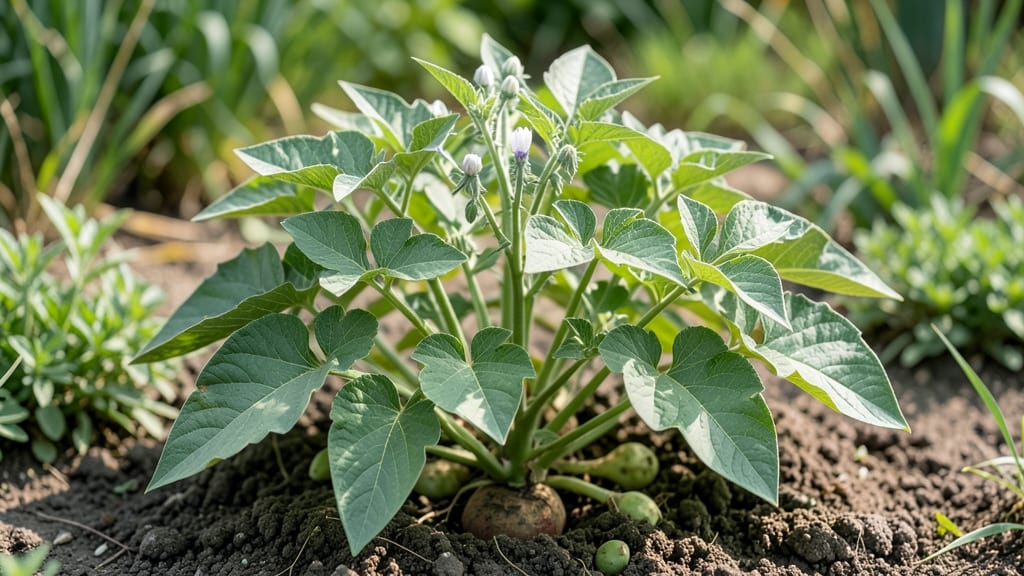
That five-point leaf plant spreading across your shelf isn’t just pretty—it’s the fastest way to grow new plants with almost no effort. 🌱 I’ve propagated mine in water and soil, and within three weeks, I had fresh cuttings ready to plant.
The secret lies in its simple care routine and how quickly it roots. This plant’s signature five-lobed leaves (like a tiny maple) set it apart from similar plants like pothos or philodendron.
The real magic happens when you snip a stem—those nodes sprout roots in water faster than most houseplants, and they adapt just as easily to soil. No fancy equipment needed, just a glass of water or a small pot.
By the end of six weeks, you’ll have a fuller plant and new babies to share. The leaves stay glossy, the growth stays steady, and even beginners can’t kill it. That’s the kind of low-maintenance plant that actually thrives with minimal care.
Works equally well in water or soil, making it perfect for shelves, hanging baskets, or even as a trailing plant. Here’s how to keep the momentum going once you start propagating!
Rooting Struggles Explained
Understanding why your five-point leaf plant (also known as Pothos or Epipremnum aureum) refuses to thrive—or worse, fails to propagate—often comes down to a few key environmental and biological factors. Let’s break down the science behind the most common causes, so you can troubleshoot like a pro.
The most frequent culprit for failed propagation in water is improper moisture balance. Five-point leaf plants are tropical vines, meaning they thrive in consistent humidity but can’t tolerate soggy conditions.
- Too Much Water: - Root Rot Risk 🧫: When stems sit in stagnant water for too long, anaerobic bacteria (like Pythium) feast on the soft, new roots, causing them to turn mushy and black.
This happens within 3–5 days if water isn’t refreshed. - Oxygen Deprivation 💨: Roots need oxygen to grow. Stagnant water displaces oxygen, suffocating the plant.
Think of it like drowning—your cutting can’t breathe! - Actionable Fix: Change the water every 3–5 days and add a drop of hydrogen peroxide (3%) to keep it fresh and oxygenated.
- Too Little Water: - Desiccation Stress 🌞: If the cutting dries out, the delicate nodes (where roots form) harden and die before roots can establish.
This is especially true in low-humidity environments (under 40%). - Actionable Fix: Use room-temperature distilled water (chlorine-free) and keep the jar in bright, indirect light (not direct sun, which evaporates water faster).
Five-point leaf plants are warm-weather babies and hate sudden changes. Cold drafts or poor airflow can stall root growth or trigger stress responses.
- Cold Stress ❄️:
- Temperatures below 60°F (15°C) slow metabolism, halting root development. If your home gets chilly at night, the cutting may go dormant.
- Actionable Fix: Keep cuttings in a warm spot (70–80°F / 21–27°C), away from AC vents or drafty windows.
- Stagnant Air 🌀:
- Poor airflow traps ethylene gas (a plant hormone that signals decay), which can rot cuttings before roots form.
- Actionable Fix: Place a small fan on low speed near the jar (but not blowing directly on the cutting) to improve circulation.
Light is the energy source for root growth, but too much or too little throws the process off balance.
- Insufficient Light 🌑: - Without enough light, the cutting can’t photosynthesize, leading to weak, leggy stems and failed rooting.
Think of it as a plant trying to grow in a closet—it just won’t happen. - Actionable Fix: Place the jar in bright, indirect light (e.g., near an east-facing window). If natural light is lacking, supplement with a grow light 6–8 inches away for 12 hours/day.
- Direct Sunburn 🔥: - Harsh sunlight (especially south/west-facing windows) cooks the leaves, causing them to crisp or yellow.
The plant diverts energy to repairing damage instead of growing roots. - Actionable Fix: Use sheer curtains to diffuse light or move the cutting to a spot with dappled shade.
While five-point leaf plants don’t need fertilizer to root, impure water can introduce harmful chemicals or microbes.
- Chlorine & Fluoride 🚫:
- Tap water contains chlorine (disinfectant) and fluoride, which can burn tender roots or inhibit growth.
- Actionable Fix: Use filtered, distilled, or rainwater. If using tap water, let it sit out for 24 hours to off-gas chlorine.
- Mineral Buildup 🪨:
- Hard water (high in calcium/magnesium) leaves white deposits on roots, clogging pores and preventing oxygen absorption.
- Actionable Fix: Rinse the jar with dechlorinated water weekly to prevent buildup.
If propagating in soil, the wrong medium can smother roots or lack the microbes needed for growth.
- Too Dense Soil 🏗️:
- Heavy, clay-based mixes don’t drain well, leading to waterlogged roots. Five-point leaf plants prefer airy, chunky soil to encourage root spread.
- Actionable Fix: Use a 50/50 mix of perlite and peat moss (or coconut coir) to improve aeration.
- Sterile Soil 🧪:
- Potting mixes often lack beneficial fungi and bacteria that help roots establish. Without these microbes, cuttings may struggle to anchor.
- Actionable Fix: Add a handful of worm castings or mycorrhizal fungi to the soil to boost microbial activity.
Even healthy cuttings can fail if invisible threats are present.
- Fungal Infections 🍄:
- Fuzzy gray/white mold on stems or roots? That’s powdery mildew or root rot fungus. These thrive in high humidity without airflow.
- Actionable Fix: Prune infected areas with sterilized scissors, then treat with neem oil spray (1 tsp per cup of water).
- Pythium & Phytophthora 🦠:
- These waterborne pathogens cause sudden wilting and black, mushy roots. They spread fast in warm, stagnant water.
- Actionable Fix: Discard infected cuttings immediately. Sterilize containers with 1 part bleach to 10 parts water, then rinse well.
Sometimes, the issue isn’t environmental—it’s biological.
- Dormant Nodes 🌱: - Five-point leaf plants only root from nodes (the bumps on the stem). If your cutting lacks nodes (e.g., a leaf-only cutting), it won’t produce roots. - Actionable Fix: Always include at least one node when taking cuttings.
For leaf-only cuttings, try air layering (a different propagation method).
- Ethylene Gas Buildup 💨:
- Fruits (like apples or bananas) emit ethylene, a gas that accelerates aging and can prevent rooting.
- Actionable Fix: Keep cuttings away from ripening fruits and ensure the propagation area is well-ventilated.
Pro Tip: 💡 Test your setup! Place a cutting in water or soil and monitor daily. If roots don’t appear in 2–4 weeks, revisit these factors—you’re likely missing one key detail.
Quick Fixes for Common Growing Woes
Reviving your five-point leaf plant (or Pilea peperomioides, as plant parents call it) is easier than you think—even if it’s looking a little worse for wear. Below, we’ve mapped out the most common issues and practical, step-by-step solutions to get your plant thriving again.
Plus, we’ll share pro tips to keep it healthy long-term.
Why it happens: Soggy soil or a pot without drainage holes can lead to root rot, causing leaves to turn yellow and mushy.
How to fix it:
- 🔥 Assess the roots: Gently remove the plant from its pot and inspect the roots. Healthy roots are firm and white; rotten roots are brown, slimy, and smell foul.
- 🍳 Trim the damage: Snip off any black or mushy roots with clean scissors. Avoid cutting healthy roots—less is more!
- 👨🍳 Repot in fresh soil: Use a well-draining potting mix (think cactus or succulent soil) and a pot with drainage holes. If your current pot has no holes, upgrade it!
- 🥘 Water lightly: Let the top 1–2 inches of soil dry out before watering again. Stick your finger in the soil—if it’s damp, wait.
Prevention tips:
- 💡 Use a moisture meter to avoid guesswork.
- ✨ Choose terracotta pots—they wick away excess moisture.
- 🌡️ Water only when needed: This plant prefers drought over soggy conditions.
Why it happens: Crispy brown edges are usually a cry for water or a dry environment. Central heating and indoor air can suck the moisture right out of your plant’s leaves.
How to fix it:
- 🔥 Check the soil: Stick your finger in the soil. If it’s bone-dry 1–2 inches down, it’s time to water.
- 🍳 Water thoroughly: Soak the soil until water runs out the drainage holes. Empty the saucer afterward to prevent soggy roots.
- 👨🍳 Boost humidity: Place the pot on a tray filled with pebbles and water (ensure the pot isn’t sitting in water). Alternatively, mist the leaves lightly 2–3 times a week.
- ⏰ Adjust your routine: Group plants together to create a mini humid microclimate, or use a humidifier nearby.
Prevention tips:
- 💡 Group plants in clusters to increase ambient humidity.
- 🎯 Avoid cold drafts from windows or AC vents.
- 🌡️ Use a pebble tray under the pot for consistent moisture.
Why it happens: Drooping can mean underwatering, overwatering, or even a sudden change in light. It’s your plant’s way of saying, “I’m not feeling well!”
How to fix it:
- 🔥 Check the soil: Press your finger into the soil. If it’s dry, water it. If it’s soggy, hold off and let it dry out.
- 🍳 Adjust light exposure: Move your plant to bright, indirect light (think east or north-facing windows). Avoid harsh direct sun, which can scorch leaves.
- 👨🍳 Prune if needed: If the drooping is severe, trim any severely wilted leaves to redirect energy to healthier growth.
- 🥘 Give it time: Sometimes, plants just need a day or two to perk up after a change. Be patient!
Prevention tips:
- 💡 Rotate the pot weekly to ensure even light exposure.
- ✨ Avoid drastic light changes—transition your plant slowly if moving it.
- 🌡️ Stick to a watering schedule based on soil moisture, not days.
Why it happens: These tiny critters love dry air and weak plants. Spider mites leave fine webbing, while mealybugs look like cottony clusters on stems or leaves.
How to fix it:
- 🔥 Isolate the plant: Keep it away from other houseplants to prevent spreading.
- 🍳 Wipe down leaves: Use a damp cloth or cotton swab dipped in soapy water (mild dish soap + water) to remove pests.
- 👨🍳 Spray with neem oil: Mix 1 tsp neem oil + 1 tsp mild soap + 1 quart water and spray affected areas. Repeat every 5–7 days for 2–3 weeks.
- 🔪 Prune heavily infested areas: Cut off severely damaged leaves and dispose of them in the trash (not compost).
Prevention tips:
- 💡 Inspect new plants before bringing them home.
- 🌡️ Keep humidity up—pests thrive in dry conditions.
- ✨ Quarantine new plants for a week or two.
Why it happens: If your plant isn’t growing new leaves or looks root-bound (roots circling the pot), it might need a bigger home or a nutrient boost.
How to fix it:
- 🔥 Check the roots: If roots are densely packed or poking out of drainage holes, it’s time to repot.
- 🍳 Upgrade the pot: Choose a container 1–2 inches larger in diameter with drainage holes.
- 👨🍳 Refresh the soil: Use fresh, well-draining potting mix and add a slow-release fertilizer (like osmocote) to the bottom of the pot.
- 🥘 Give it time: After repotting, avoid fertilizing for 4–6 weeks to let the roots recover.
Prevention tips:
- 💡 Repot every 1–2 years to prevent root bound conditions.
- 🎯 Use balanced fertilizer (like 10-10-10) every 2–3 months during growing season (spring/summer).
- 🌡️ Avoid over-fertilizing—too much can burn roots.
Frequently asked questions about five-point leaf plants
What's the best way to identify a five-point leaf plant?
Look for its signature five-lobed leaves that resemble tiny maple leaves. The plant typically grows as a trailing vine with glossy, rounded leaflets. Unlike pothos (which has heart-shaped leaves), this plant's leaves have distinct finger-like points. Check the leaf arrangement too—it grows in whorls around the stem.
Can I propagate five-point leaf plants in water?
This plant thrives in water propagation. Simply cut a stem below a node (the bump where leaves grow), place it in fresh water, and change the water every 3-5 days. Roots should appear in 2-3 weeks. Once roots are 2-3 inches long, transplant to soil.
How often should I water my five-point leaf plant?
Let the top 1-2 inches of soil dry out between waterings. In spring/summer, water every 7-10 days, while winter watering can stretch to every 3-4 weeks. Overwatering is the biggest risk—always use pots with drainage holes.
What light conditions does this plant prefer?
Bright, indirect light is ideal. East or north-facing windows work best. Avoid harsh direct sun which can scorch leaves. If natural light is limited, supplement with a grow light 6-8 inches away for 12 hours/day. Low light causes leggy growth and fewer leaves.
Why are my five-point leaf plant's leaves turning yellow?
Yellow leaves usually indicate overwatering or poor drainage. Check for soggy soil and repot if needed with fresh, well-draining mix. Also verify your pot has drainage holes. Brown edges suggest underwatering or low humidity—try misting leaves or placing a pebble tray under the pot.