
Shrubs
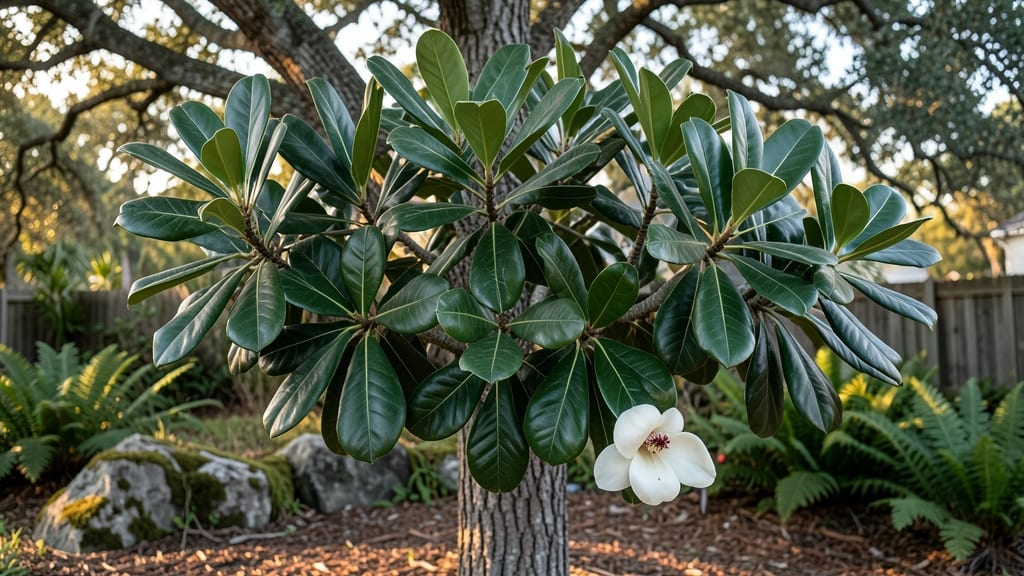
Your Florida broadleaf shrubs’ crispy edges aren’t a lost cause—copper spray can bring them back to life. 🌿 I’ve nursed back more than a few scorched shrubs in our humid summers, and the secret lies in timing, concentration, and a little patience.
The edges turn crispy from fungal infections like leaf spot or scale insects thriving in Florida’s heat and humidity, but copper spray disrupts that cycle.
You’ll need copper fungicide (like liquid copper or tribasic copper sulfate), a sprayer, and a calm afternoon—this isn’t a quick fix, but it works. Apply when leaves are dry, focusing on the undersides where fungal spores hide.
Reapply every 10-14 days until new growth appears, and always wear gloves to avoid skin irritation.
The payoff? Lush, green foliage within 3-4 weeks, with shrubs that bounce back stronger than before. The crispy edges will fade, and your plants will start pushing out fresh leaves—proof that even Florida’s toughest shrubs can recover with the right care.
For best results, combine this with proper watering (deep but infrequent) and pruning out damaged leaves. Scale insects? Scrape them off first. Humidity’s a challenge, but copper spray turns the tide—just don’t skip those follow-up applications.
📚 In This Guide
- What you need
- Instructions
- Tips and common mistakes
- Wrapping up and next steps
What you need
- ● Copper fungicide (organic or synthetic): 2 tablespoons (ensure it contains copper sulfate or copper hydroxide at a rate of 1-2 pounds per 100 gallons of water)
- ● Water: 1 gallon (preferably rainwater or distilled to avoid chlorine)
- ● Spray bottle or garden sprayer: A 2-3 gallon pump sprayer (for larger shrubs) or a 1-gallon handheld sprayer (for smaller ones)
- ● Protective gear: Gloves (nitrile or rubber)
- ● Long sleeves and pants
- ● Safety goggles
- ● Pruning shears: For trimming severely damaged leaves (sterilized with rubbing alcohol)
- ● Dish soap: ½ teaspoon (helps the spray stick better to leaves)
- ● Horticultural oil: 1 tablespoon (adds extra protection against pests)
- ● Neem oil: 1 teaspoon (natural fungicidal boost)
- ● Weatherproof tarp: To cover nearby plants or surfaces
- ● Ladder or step stool: For reaching taller shrubs safely
Step-by-Step instructions for reviving crispy-edged Florida broadleaf shrubs
Here’s how I nurse broadleaf shrubs back to health when those telltale brown edges appear.
🌿 Step 1: Diagnose the Problem Before Treating
First, confirm the issue isn’t environmental. Crispy edges often signal underwatering, but if the soil stays damp and edges still brown, it’s likely salt buildup or fungal stress from Florida’s humidity. Check the soil 1 inch below the surface—if it’s dry, water deeply until it’s moist but not soggy.
If the soil feels consistently damp, the problem is usually salt or copper deficiency. Florida’s clay soil and frequent rain can leach nutrients, leaving shrubs thirsty for micronutrients. Here’s the thing—don’t guess. Wait until late afternoon when leaves are fully hydrated, then gently pinch a small leaf. If it crumbles easily, the edges are dead and need trimming. If it resists, the plant is just stressed.
💧 Step 2: Flush the Soil and Adjust Watering
Fill a watering can with room-temperature water and slowly pour it over the root zone until water runs out the drainage holes. This flushes out accumulated salts and excess chemicals. Repeat this process twice weekly for 2 weeks—you’ll see new growth within 7-10 days if the problem was salt-related.
After flushing, switch to a deep-watering schedule. Instead of light daily watering, soak the soil until it’s 6 inches deep and moist. Let the top 2 inches dry out between waterings to encourage deep root growth. Overwatering in Florida’s heat is just as damaging as underwatering—watch for yellowing leaves, which signal overwatering.
✂️ Step 3: Prune Dead Edges and Stimulate New Growth
Use clean, sharp pruning shears to trim away only the brown, crispy edges. Cut at a 45-degree angle just above a healthy leaf node—this prevents water from pooling and causing rot. Avoid cutting into green tissue, as this stresses the plant further. Dispose of the trimmings immediately to prevent fungal spread.
Once you’ve pruned, apply a balanced fertilizer (like 6-6-6) to the soil around the base. Focus on micronutrients like copper and iron, which are often lacking in Florida’s sandy soils. Water the fertilizer in immediately to prevent root burn. You’ll notice new, vibrant growth within 3-4 weeks if the plant’s root system is still healthy.
🌱 Step 4: Apply Copper Spray for Prevention
Mix a copper fungicide spray (follow label rates) in a spray bottle. Apply it early in the morning on a calm day to avoid leaf burn. Focus on the undersides of leaves, where fungal spores often hide. Reapply every 2-3 weeks during Florida’s rainy season to keep fungal stress at bay.
Copper isn’t just for fungi—it also helps prevent nutrient deficiencies that cause crispy edges. If you notice new growth still developing brown edges after a month, the issue might be iron chlorosis. In that case, switch to an iron chelate spray and apply it directly to the soil. Monitor the plant closely, as copper sprays can be harsh if overused—always follow the label instructions.
☀️ Step 5: Adjust Light and Mulch for Long-Term Health
Florida broadleaf shrubs thrive in partial shade, especially during the hottest afternoons. If your shrub is in full sun, provide afternoon shade with a lightweight shade cloth or by planting taller shrubs nearby. You’ll see less stress and fewer crispy edges within 2-3 weeks of adjusting the light.
Add a 2-inch layer of organic mulch (like pine bark or shredded leaves) around the base of the shrub, keeping it 6 inches away from the trunk. Mulch retains moisture, regulates soil temperature, and slowly releases nutrients as it breaks down. Replenish the mulch every 6 months to maintain its effectiveness. This single step drastically reduces watering needs and keeps roots consistently moist.
Tips & tricks for reviving Florida broadleaf shrubs
Here's what nobody tells you about saving those crispy-edged Florida broadleaf shrubs—these are the details that make all the difference.
Diagnostic Timing: The late afternoon leaf pinch test in Step 1 is your best friend. I learned this the hard way after pruning healthy leaves that were just temporarily stressed. Wait until leaves are fully hydrated—this gives you the most accurate reading about whether those edges are truly dead or just thirsty. If the leaf crumbles easily, you're ready for pruning. If it springs back, hold off on cutting anything yet.
Flush Frequency: During those critical two weeks of flushing in Step 2, I recommend doing it on alternating days rather than strictly twice weekly. Florida's unpredictable rain can mess with your schedule, and consistency is key. Just make sure you're always using room-temperature water—cold water can shock the roots and set back your progress.
Pruning Precision: When you're making those 45-degree cuts in Step 3, here's a pro move: dip your pruning shears in rubbing alcohol between cuts. This prevents cross-contamination of any potential fungal spores. Also, avoid cutting into green tissue—it's tempting to get aggressive, but those green edges are still photosynthesizing and can recover with proper care.
Copper Application: For the copper spray in Step 4, I've found that adding a few drops of dish soap to your spray bottle helps it adhere better to the leaf surfaces. Just use a mild, plant-safe soap—this ensures the copper reaches where it needs to go without clogging your sprayer. And remember, early morning application prevents leaf burn from the sun's intensity later in the day.
Pro Tips for Florida Broad Leaf
- Here's what nobody tells you about saving those crispy-edged Florida broadleaf shrubs—these are the details that make all the difference.
- Diagnostic Timing: The late afternoon leaf pinch test in Step 1 is your best friend.
- Flush Frequency: During those critical two weeks of flushing in Step 2, I recommend doing it on alternating days rather than strictly twice weekly.
Frequently asked questions
What causes the brown, crispy edges on my Florida broadleaf shrubs?
The most likely culprits are fungal diseases like anthracnose or leaf spot, often worsened by humid Florida summers. Overwatering, poor air circulation, or stress from heat can also trigger browning. Copper spray acts as a preventative shield against these issues by disrupting fungal spores.
How soon after applying copper spray will I see results?
Results vary, but you may notice slowed spread of browning within 7–10 days. For existing damage, copper spray won’t reverse it but will stop further spread and promote healthier new growth. Consistency is key—reapply every 2–4 weeks during peak fungal seasons (spring/fall in Florida).
Can I use copper spray if my shrubs are already severely damaged?
While copper spray won’t revive dead leaves, it’s still worth applying to prevent further damage and support recovery. Pair it with pruning dead foliage and improving airflow (e.g., thinning dense branches). For advanced cases, consider fungicide blends or consulting a local Florida-friendly nursery for tailored advice.
Is copper spray safe for Florida’s hot, humid climate?
Yes! Copper spray is non-toxic to plants when used correctly and heat-tolerant. However, apply it early morning or late afternoon to avoid leaf burn from direct sun. Avoid spraying if rain is forecasted within 24 hours—it can wash off before working. Always dilute properly (follow label instructions) for best results.
Are there natural alternatives to copper spray for Florida broadleaf shrubs?
Try these eco-friendly swaps:
- Neem oil: Natural fungicide and insect repellent (mix 1 tbsp neem oil + 1 tsp mild soap per gallon of water).
- Baking soda spray: 1 tsp baking soda + 1 quart water + a drop of soap (test on a small leaf first!).
- Compost tea: Boosts plant immunity with beneficial microbes.
- Pruning for airflow: Thinning shrubs reduces humidity buildup, a fungal trigger.
For severe cases, copper spray remains the most reliable solution, but these methods can complement your care routine.
Wrapping up and next steps
Reviving your Florida broad leaf shrub with copper spray is totally doable—even if those crispy edges have you worried! 🌿 With the right mix of preventive care, early treatment, and a little patience, your shrub can bounce back to its vibrant best.
Remember, consistency is key, so keep an eye on those leaves and act fast at the first sign of trouble.
Ready to give your shrub the TLC it deserves? Start by inspecting your plants weekly and apply your copper spray treatment as a proactive measure. Before you know it, your Florida broad leaf will be thriving, and you’ll be the proud gardener in the neighborhood! 🌟