
Propagation
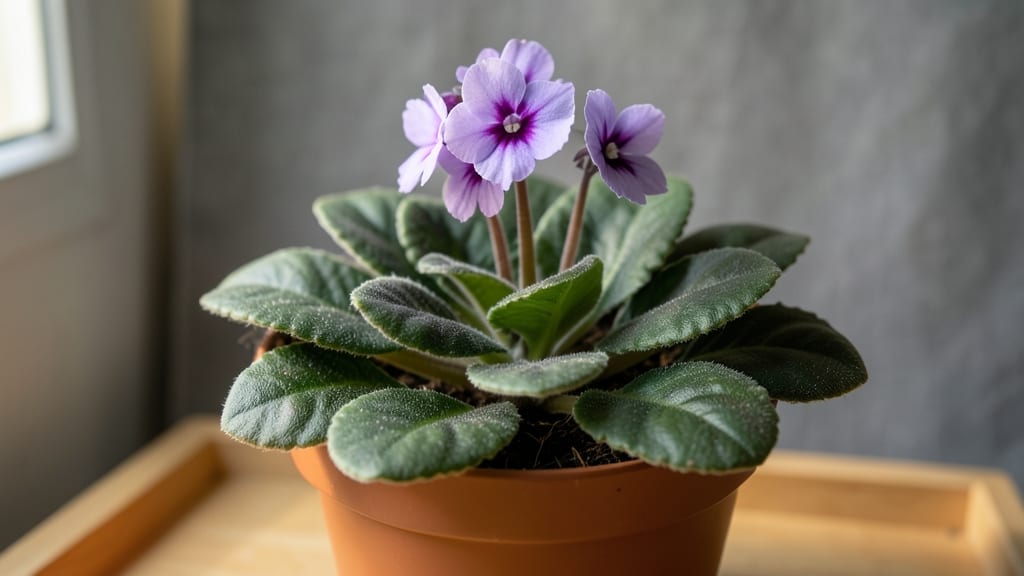
Propagating flowers from a single leaf sounds like magic, but I’ve done it with succulents, African violets, and coleus—and you can too. 🌱 The secret isn’t luck; it’s understanding how leaves store energy and grow roots before becoming full plants.
Start with healthy leaves, the right cutting technique, and patience, and you’ll watch tiny roots sprout in just 2-4 weeks. You’ll need sharp scissors (or a knife), clean water or well-draining soil, and a clear container to track progress.
Some plants, like jade or snake plant, thrive in water, while others—like begonia—prefer soil right away. The key is keeping the leaf’s base moist but not soggy, and placing it where it gets bright, indirect light.
Once roots appear, you’ll transplant the new plantlet into soil and watch it grow into a full-size flower. The first blooms might take months, but the thrill of seeing a tiny cutting turn into a thriving plant? That’s the real reward.
Mistakes happen—like overwatering or using old leaves—but even those teach you what works next time. Works for succulents, houseplants, and even some herbs. Let’s get those leaves growing!
📚 In This Guide
- What you need
- Instructions
- Tips and common mistakes
- Wrapping up and next steps
What you need
- ● Healthy leaf cuttings: 3–5 mature, disease-free leaves with at least 1-inch stems (choose from plants like African violets, fittonia, or begonia).
- ● Sharp scissors or pruning shears: Sterilized to prevent contamination (alcohol wipe recommended).
- ● Water propagation: Clear glass or jar (8–12 oz, tall enough to submerge stems).
- ● Room-temperature water (filtered or distilled preferred).
- ● Soil propagation: Well-draining potting mix (cactus/succulent blend or perlite + peat moss).
- ● Small pots (2–3 inches wide) with drainage holes.
- ○ Rooting hormone (optional but helpful): Powder or gel to boost root growth.
- ● Humidity dome or plastic bag: Creates a greenhouse effect for faster rooting.
- ● Grow lights or sunny windowsill: 6+ hours of indirect light daily.
- ● Spray bottle: For misting soil to maintain moisture.
- ● Labels & markers: Track progress and plant types!
Step-by-Step instructions for propagating flowers from leaves
This foolproof method works for nearly any leaf-propagating plant—just follow these simple steps.
🌱 Step 1: Select and Prepare Healthy Leaves
Pick leaves from healthy, disease-free stems—look for mature but still flexible growth. The best candidates have strong veins and no blemishes. I like to choose leaves with at least 3-4 inches of stem attached; longer stems give better stability during rooting.
Use clean, sharp scissors or pruning shears to make a diagonal cut just below a leaf node (where veins meet the stem). This angled cut increases surface area for water uptake. Avoid crushing the stem—squeeze gently to check for crispness. If it feels mushy, the leaf won't root properly.
💧 Step 2: Choose Your Propagation Medium
You have two reliable options: water or soil. For water propagation, fill a clean glass with room-temperature tap water (chlorine-free if possible). Place the stemmed leaf in so only the cut end sits submerged—never let leaves touch the water. Change the water every 3-4 days to prevent bacterial growth.
For soil propagation, use a lightweight potting mix (like a 50/50 blend of perlite and peat moss). Dip the cut end in rooting hormone powder to boost success rates. Insert the stem 1 inch deep into the mix, then gently firm the soil around it. Keep the mix lightly moist—never soggy.
☀️ Step 3: Provide Ideal Growing Conditions
Place your propagation setup in bright, indirect light—think east-facing window or under a grow light. Direct sun can scorch tender leaves, while too little light slows root growth. You'll know the light is right when leaves stay vibrant but don't show sunburn spots.
Maintain 65-75°F temperatures and 60-70% humidity. A clear plastic bag over the soil setup creates a mini greenhouse effect—just remove it daily for 10 minutes to prevent mold. Roots typically form in 2-6 weeks, depending on the plant type and conditions.
🌿 Step 4: Monitor and Transplant When Ready
Check for root growth by gently tugging the stem—if you feel resistance, roots have formed. For water propagation, roots should be 1-2 inches long before transplanting. For soil propagation, new growth at the leaf base signals success. I always wait until roots are at least ½ inch long to minimize transplant shock.
When transplanting, handle roots carefully—water-propagated cuttings may need a quick dip in rooting hormone before moving to soil. Plant at the same depth as before and water lightly. Keep the new plant in indirect light for 1 week to help it adjust before introducing it to normal growing conditions.
Tips & tricks for perfect leaf propagation
Here's what nobody tells you about making leaf propagation foolproof—these little details make all the difference between success and disappointment.
Leaf Selection is Everything: The health of your starting leaf determines everything. Look for leaves that are slightly younger than fully mature but still firm—older leaves can be too tough to root. I've found that leaves with 3-4 inches of stem and at least 3 prominent veins tend to root most reliably. Avoid leaves with yellowing or brown spots, even if they look otherwise healthy, as these can harbor hidden diseases that'll sabotage your propagation.
Cutting Technique Matters More Than You Think: That diagonal cut in Step 1 isn't just for looks—it creates more surface area for water uptake and prevents the stem from sealing off too quickly. Use clean scissors and make the cut just below a leaf node where veins meet the stem. Here's my secret: after cutting, immediately run the stem under cool water for 10 seconds to shock it slightly. This helps prevent premature sealing and keeps the cut fresh for longer.
Water Quality and Timing: When propagating in water, use only room-temperature tap water that's been sitting out for at least an hour to let chlorine dissipate. I've ruined multiple batches by using cold water straight from the faucet—it shocks the stem. And remember those 3-4 days between water changes? Set a reminder! Stagnant water breeds bacteria that can rot your cuttings before roots even form.
Light Balance is Critical: That indirect light in Step 3 is non-negotiable. I learned this the hard way when my first batch of pothos leaves turned crispy from too much direct sun. Place your cuttings where they get bright but diffused light—think north-facing window or under fluorescent lights. You'll know it's perfect when the leaves stay vibrant green without developing yellow or brown patches. A simple trick: if you can see your handprint on the leaf when held up to the light source, it's too strong.
Pro Tips for Flower From Leaf
- Here's what nobody tells you about making leaf propagation foolproof—these little details make all the difference between success and disappointment.
- Leaf Selection is Everything: The health of your starting leaf determines everything.
- Cutting Technique Matters More Than You Think: That diagonal cut in Step 1 isn't just for looks—it creates more surface area for water uptake and prevents the stem from sealing off too quickly.
Frequently asked questions
Got questions about growing a flower from a leaf? You’re not alone! Here are some of the most common concerns—and straightforward answers—to help you succeed.
Can ANY leaf grow into a flower?
Not all leaves can do this! Only plants that reproduce vegetatively (like African violets, peace lilies, or snake plants) can grow roots and eventually bloom from a single leaf. Check if your plant is on the list before trying!
How long does it take for a leaf to grow roots?
Timing varies, but most leaves show roots in 2–6 weeks when placed in water. Once roots are 1–2 inches long, transplant to soil. Patience is key—some slow growers (like monstera) take longer!
Should I use water or soil for rooting?
Both work! Water lets you monitor root growth, but soil (moist but not soggy) mimics natural conditions. For beginners, water is easier—just change it every 3–5 days to prevent bacteria. Try both methods to see what suits your leaf!
Why isn’t my leaf growing roots?
Common culprits: old leaves (use healthy, mature ones), contaminated water (sterilize with hydrogen peroxide if needed), or lack of humidity. Try covering the jar with plastic wrap or placing it in a bright, humid spot (like a bathroom).
Will the new plant actually bloom?
Yes—but it takes time! Leaf-propagated plants often focus on root/leaf growth first. Flowers may appear in 6–12 months (or longer for tropical plants). Keep conditions ideal (light, warmth, patience) to encourage blooming.
Wrapping up and next steps
Mastering the flower from leaf propagation technique is a rewarding way to expand your plant collection without breaking the bank! Whether you opt for water or soil, the key is patience and consistency—soon, you’ll be watching roots sprout and new blooms emerge. 🌱✨
Ready to take the next step? Start with just one healthy leaf and experiment with different setups. Share your progress or ask questions in gardening communities—every expert was once a beginner!