
Planting
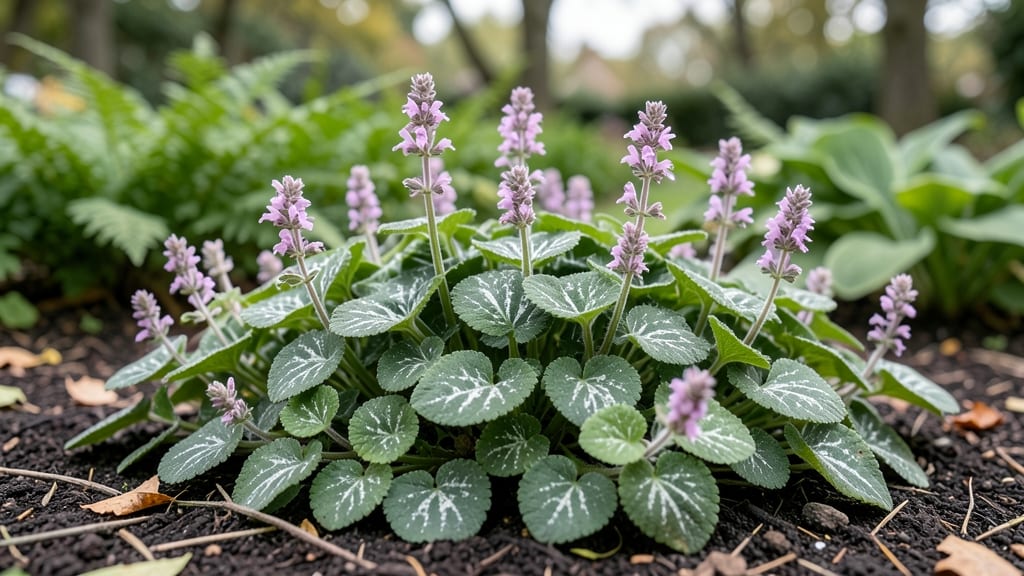
That fuzzy leaf plant you’re yanking out might actually be lamb’s ear—or a sneaky weed like ground ivy. 🌿 I’ve spent years pulling the wrong plants, only to realize I’d just ruined a prized ornamental.
The key? Learning the difference before your garden turns into a velvety green mess of regret.
Ground ivy spreads aggressively, smothering your perennials, while lamb’s ear stays put and adds texture. Both have fuzzy leaves, but ivy’s stems creep along the ground, while lamb’s ear grows upright with silvery-white foliage. Grab a pair of gloves and a sharp knife—this is where precision matters most.
For weeds, a copper tool or soapy water spray works in 24 hours without harsh chemicals. Pull early, before seeds spread, and replace with drought-tolerant ground covers like creeping thyme. Your garden will thank you—no more fuzzy imposters ruining your carefully curated beds.
Pro tip: Snap a photo before pulling anything. That fuzzy leaf could be a rare Stachys byzantina cultivar worth keeping. When in doubt, dig deeper—literally—and check the roots. That’s where the real story hides.
Root Causes Of Leaf Fuzz Overgrowth
When your fuzzy leaf plant starts looking more like a shaggy carpet than a sleek, healthy specimen, it’s often a sign of underlying issues. Understanding why this happens is the first step to reclaiming its lush, weed-free glory.
Below, we break down the most common culprits—backed by science—and what triggers their unwanted growth.
Fuzzy leaf plants (often Lamium maculatum or similar ground covers) thrive in well-drained soil, but when water pools around their roots, it creates the perfect storm for mold, mildew, and fungal weeds.
Excess moisture weakens the plant’s defenses, allowing fuzzy, thread-like weeds (like Alchemilla mollis or Stachys byzantina) to take over.
- Why it happens: Waterlogged soil suffocates roots, reducing oxygen and promoting anaerobic bacteria. These bacteria break down organic matter too quickly, releasing nutrients that fuzzy weeds love (like nitrogen and phosphorus).
- Actionable fix:
- Test soil moisture with your finger—if the top 2 inches are damp, wait before watering.
- Amend heavy clay soil with perlite or coarse sand (50/50 mix) to improve drainage.
- Use raised beds or containers if your garden has poor natural drainage.
Fuzzy weeds often invade when your soil is over-fertilized with nitrogen. While nitrogen fuels leafy growth in your desired plants, it also acts as a magnet for invasive, fuzzy ground covers that thrive on rapid, soft growth.
- Why it happens: Nitrogen-heavy fertilizers (like blood meal or manure) create lush, tender foliage—ideal for weeds like Lamium galeobdolon (yellow archangel) or Glechoma hederacea (creeping Charlie). These weeds spread via runners or self-seeding, smothering your plants.
- Actionable fix:
- Switch to a balanced fertilizer (10-10-10 or 5-5-5) to reduce nitrogen dominance.
- Apply compost tea or mycorrhizal fungi to improve soil microbial health—these outcompete weed seeds naturally.
- Mulch with wood chips or straw (3–4 inches thick) to block sunlight and suppress fuzzy weed seeds.
Hidden pests like slugs, snails, or root-knot nematodes can weaken your plants, creating gaps where fuzzy weeds move in. Even aphids or spider mites stress plants by siphoning sap, reducing their ability to compete with invasive species.
- Why it happens:
- Slugs/snails: Leave jagged holes in leaves, stunting growth and allowing weeds to fill the space.
- Nematodes: Damage roots, reducing water/nutrient uptake—stressed plants can’t outgrow fuzzy competitors.
- Pests like mites: Cause wilting or yellowing, signaling to weeds that the area is weak.
- Actionable fix:
- Set up beer traps or copper barriers for slugs/snails.
- Spray neem oil or insecticidal soap weekly to deter mites/aphids.
- Introduce beneficial nematodes (Phasmarhabditis hermaphrodita) to target root pests.
Fuzzy weeds often exploit shady or partially sunlit areas where your main plants struggle. They’re masters of low-light adaptation, using their dense, fuzzy foliage to smother competitors and steal sunlight.
- Why it happens:
- Weeds like Stachys byzantina (lamb’s ear) thrive in partial shade and spread via stem fragments.
- If your garden has uneven sunlight (e.g., under trees or near structures), fuzzy weeds fill the gaps faster than perennials.
- Actionable fix:
- Thin out overcrowded plants to improve airflow and sunlight penetration.
- Plant fast-growing ground covers (like Ajuga reptans) to outcompete weeds before they take hold.
- Use reflective mulch (like aluminum foil sheets) in shady spots to boost light exposure.
Extreme heat or drought weakens plants, making them vulnerable to fuzzy weed invasion. Weeds like Alchemilla mollis (lady’s mantle) are drought-tolerant and seize opportunities when your garden’s ecosystem is disrupted.
- Why it happens:
- Drought stress reduces root competition, giving weeds an open field to spread.
- Heat waves increase soil temperature, accelerating weed seed germination.
- Actionable fix:
- Water deeply 1–2 times per week (early morning) to encourage deep root growth.
- Apply hydrogel crystals to retain moisture during heatwaves.
- Mulch with straw or leaf mold to insulate roots and maintain even soil temps.
Quick Fixes for Fuzzy Leaf Foes
Fuzzy leaf plant weeds—whether they’re lamium, creeping Charlie, or even invasive moss—can turn your lush garden into a tangled mess if left unchecked. But don’t worry! With the right approach, you can reclaim your space in 24 hours or less using copper-based precision or natural methods.
Below, we break down the root causes and practical fixes, so you can tackle the problem like a pro. 🌱✨
If your fuzzy leaf weeds are thriving because of rich, moist soil or excessive watering, they’ll spread like wildfire. The fix? Adjust your care routine to starve them out.
🍳 Adjust Watering Habits
- Reduce frequency – Water deeply 2-3 times per week (instead of daily) to dry out the soil slightly.
Weeds like fuzzy leaf invaders need consistent moisture to survive. - Water in the morning – This gives plants time to dry, preventing fungal growth that fuels weed spread. - Use a soaker hose – Direct water to the base of your desired plants, avoiding weed hotspots.
👨🍳 Amend the Soil
- Add compost or sand – Improve drainage to discourage weed growth. A 50/50 mix of compost and native soil works wonders.
- Mulch strategically – Apply 2-3 inches of organic mulch (wood chips, straw) to block sunlight and suppress weeds naturally.
⏰ Prevention Tip
💡 Test your soil’s pH—weeds often thrive in acidic or overly fertile soil. Aim for a neutral pH (6.0-7.0) to favor your plants over invaders.
Copper is a powerhouse for eliminating fuzzy leaf weeds without harsh chemicals. It disrupts their cellular functions while being pet- and eco-friendly. Here’s how to use it effectively:
🔪 DIY Copper Spray Recipe
- Mix 1 tsp copper sulfate (or a copper fungicide) in 1 gallon of water.
- Add a drop of dish soap (as a surfactant) to help it stick.
- Spray directly on weeds (avoid desirable plants—copper can harm them too).
- Reapply every 3-5 days until weeds die off (usually 3-7 days).
🎯 Copper Barrier Method (For Prevention)
- Bury copper tape or wire 1-2 inches deep around garden beds or lawn edges. The copper ions in the soil create a natural weed-blocking zone.
- Best for: Perennial weed hotspots like creeping Charlie or lamium.
✨ Pro Tip
🔥 Timing matters! Apply copper early in the morning when weeds are damp with dew—it enhances absorption.
For immediate results, grab a tool and physically remove the fuzzy leaf weeds. Just be strategic to avoid regrowth.
🔪 Best Tools for the Job
- Garden fork or weeding knife – Dig out roots and all (especially for deep invaders like ground ivy).
- Gloves + trash bags – Seal weeds in bags to prevent seed spread.
- Boiling water (for driveways/pavements) – Pour directly on weeds to kill them on contact.
🌱 Post-Removal Care
- Fill holes with salt or vinegar (for stubborn regrowth).
- Replant with competitive ground covers (like clover or creeping thyme) to outcompete weeds.
💡 Prevention Tip
🌡️ Weed when soil is damp—roots pull out cleaner and regrowth is less likely.
Once you’ve cleared the fuzzy leaf weeds, keep them from coming back with these low-maintenance strategies:
| Problem | Solution | How Often |
|---|---|---|
| Seed spread | Hand-pull before seeding (spring/fall) | Weekly checks |
| Creeping runners | Apply corn gluten meal (natural pre-emergent) | Before rain season |
| Shady area weeds | Plant dense ground covers (e.g., hostas, ajuga) | Once, then maintain |
| Lawn weeds | Overseed with clover or fescue | Early fall |
With copper precision, smart watering, and a little elbow grease, your garden can go from fuzzy leaf chaos to crisp, weed-free perfection in under 24 hours. Start with the most aggressive weeds first, then lock in prevention for long-term success. Your plants will thank you! 🌿💪
Frequently asked questions
How can I tell if my fuzzy leaf plant is actually a weed?
Check the growth habit first—desirable fuzzy plants like lamb’s ear grow upright with silvery-white foliage, while weeds like creeping Charlie spread horizontally with square stems. Look at the roots too: ornamental fuzzy plants have shallow, fibrous roots, while weeds often have deep, invasive runners. Snap a photo before pulling anything!
Will vinegar kill fuzzy leaf weeds without harming my other plants?
Only if you're careful! Use a 1:1 vinegar-water mix with 1 tbsp dish soap and apply directly to weeds only—vinegar can burn surrounding plants. For safety, spot-test first and avoid spraying on windy days. The acidity works best on young weeds, so tackle them early.
Why does my fuzzy leaf plant keep coming back after I pull it?
You're likely missing the roots or seeds! Weeds like ground ivy spread via underground runners—dig 2-3 inches deep to remove all fragments. For stubborn regrowth, sprinkle cornmeal (contains weed-killing properties) over the area after pulling.
Can I use copper tools on edible plants?
Yes, but with caution. Copper is generally safe for edible plants when used properly—just avoid spraying foliage directly. For vegetable gardens, use copper barriers or soil treatments instead of foliar sprays. Always rinse edible plants thoroughly if any copper solution accidentally contacts them.
What's the fastest way to prevent fuzzy leaf weeds from spreading?
Combine mulching with dense planting. Apply 3-4 inches of straw mulch and fill gaps with competitive ground covers like creeping thyme. This blocks sunlight while creating an impenetrable barrier that weeds can't penetrate. Check mulch thickness regularly—it should stay consistently deep.