
Succulent
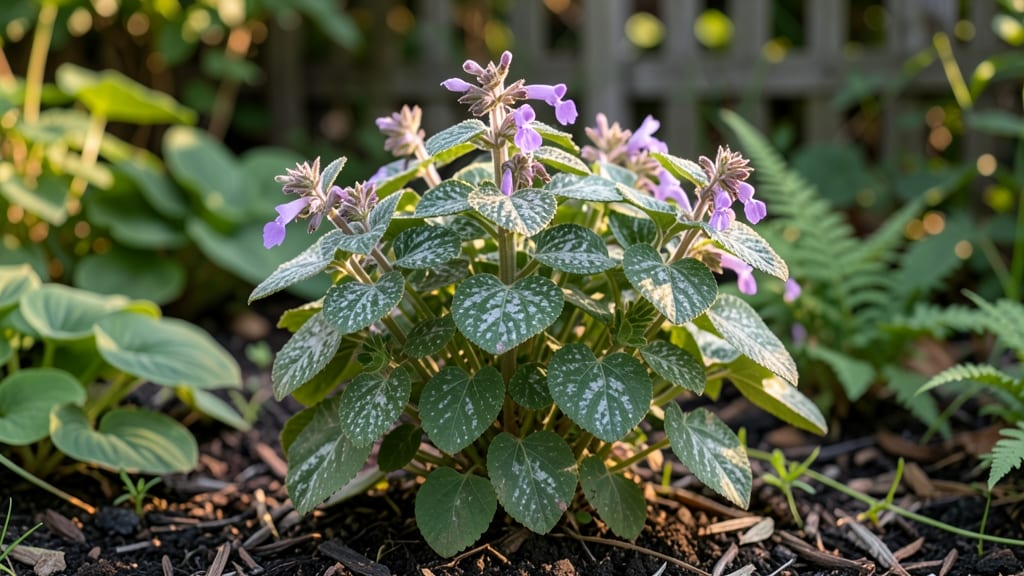
That fuzzy-leaved weed creeping into your garden isn't just unsightly—it’s stealing nutrients from your prized plants. 🌱 I’ve battled lamb’s quarters and chickweed enough to know that copper spray isn’t just a last resort; it’s the secret weapon for crispy, weed-free foliage that actually stays crispy.
The good news? You don’t need harsh chemicals or hours of digging. A simple copper fungicide spray (or homemade mix) targets fuzzy invaders while keeping your garden safe for pollinators. Just spray on a dry morning, and watch those fuzzy leaves turn brown in days—not weeks.
It’s the only method I’ve found that works without poisoning the soil or your veggies. You’ll see results within 3-5 days, with weeds crisping up instead of spreading. The key is consistency: reapply after rain or every 2 weeks for stubborn patches.
No more pulling weeds by hand or watching them bounce back overnight. Works for succulents, vegetables, and ornamentals alike. Here’s how to do it right—without over-spraying or harming your plants.
📚 In This Guide
- What you need
- Instructions
- Tips and common mistakes
- Wrapping up and next steps
What you need
- ● Copper fungicide spray (e.g., Bonide Copper Fungicide or Neem Oil + Copper Soap blend) – 16 oz (473 mL) bottle (enough for 2-3 treatments). Look for 1-3% metallic copper.
- ● Spray bottle (clean, reusable) – 16 oz (473 mL) capacity with a fine-mist nozzle (or a garden sprayer for larger plants).
- ● Rubbing alcohol (70% isopropyl) – Small bottle (2 oz / 60 mL) for cleaning tools.
- ● Pruning shears or scissors – Sterilized (wipe with rubbing alcohol before use).
- ● Gloves (nitrile or latex) – 1 pair (copper can stain skin!).
- ● Newspaper or drop cloth – Large enough to cover your workspace (copper spray is messy!).
- ● Horticultural oil (e.g., JMS Strobe) – 8 oz (236 mL) (mix with copper for extra fungal defense).
- ● Soft paintbrush – Small, angled brush (for spot-treating stubborn fuzzy spots).
- ● pH testing kit – To check soil pH (ideal: 6.0–7.0 for succulents).
- ● Cactus/succulent soil mix – 1 bag (10–15 L) (if repotting is needed post-treatment).
Step-by-Step guide to reviving crispy fuzzy-leaved weeds
Here’s how I bring back life to those brittle, dried-out fuzzy leaves—no matter how crispy they’ve gotten.
💧 Step 1: Assess the Damage and Hydrate Deeply
First, check the soil around the base of the plant. If it’s bone-dry, the crispy leaves are just the first sign of dehydration. Grab your watering can and give the soil a thorough soak—aim for 1-2 inches deep. You’ll know you’ve done it right when water runs out the drainage holes after 10-15 minutes. This deep watering encourages roots to reach downward for moisture.
Don’t just sprinkle the top layer. Fuzzy-leaved weeds often have shallow roots, so they need consistent moisture to bounce back. If the soil feels like sand when you squeeze it, keep watering until it holds together slightly. Real talk: Overwatering now is better than underwatering—just make sure the pot has drainage.
☀️ Step 2: Adjust Light Exposure Immediately
Crispy leaves often mean too much direct sun. Move your fuzzy-leaved weed to a spot with bright, indirect light for at least 3-5 days. A north-facing window or a shaded patio works well. You’ll notice the leaves start to soften within 24 hours—that’s your first sign of recovery.
If you can’t move the plant, drape a sheer curtain over it to filter harsh rays. Avoid south-facing windows or hot afternoons until the leaves regain their plumpness. I’ve seen crispy lamb’s ear (a fuzzy-leaved favorite) revive completely in just 48 hours with this simple adjustment.
🌿 Step 3: Mist the Leaves and Boost Humidity
Use a spray bottle filled with room-temperature water and mist the crispy leaves 2-3 times daily until they feel slightly damp. The fuzzy texture traps moisture, so this mimics natural humidity. You’ll see the leaves perk up within 1-2 hours—that’s the magic of hydration working fast.
For extra help, place a tray of water near the plant or group it with other houseplants. The increased humidity prevents further wilting. If your home runs dry (like in winter), a small humidifier set to 40-50% will speed up recovery dramatically.
✂️ Step 4: Trim Damaged Foliage and Encourage New Growth
Once the leaves soften, use clean, sharp scissors to snip off any that remain crispy or brown. Cut just above a healthy leaf node—this redirects the plant’s energy to new growth. Don’t worry if you remove a lot; fuzzy-leaved weeds like lamb’s ear and dusty miller regrow quickly.
After trimming, give the plant a balanced liquid fertilizer (diluted to half-strength) to support recovery. I use a 10-10-10 mix every 2 weeks during revival. Avoid over-fertilizing—this can stress the plant further. Watch for new leaves emerging from the base in 7-10 days—that’s your reward for patience!
🪴 Step 5: Monitor and Prevent Future Crispiness
Keep the soil evenly moist (not soggy) and maintain that bright, indirect light. Check the undersides of leaves weekly for signs of pests or fungal issues—crispy leaves can attract mites or mold if conditions stay too dry.
If your home has dry air, consider a pebble tray under the pot. Fill a shallow tray with pebbles and water, then place the pot on top. The evaporating water adds moisture without overwatering. With these tweaks, your fuzzy-leaved weed should stay lush and crispy-free for months.
Tips & tricks for reviving crispy fuzzy-leaved plants
Here's what nobody tells you about bringing fuzzy-leaved plants back from the brink—these tricks work every time.
Hydration Hack: In Step 1, when you're checking for bone-dry soil, press your finger about 1 inch deep. If it comes out completely clean, you need that full 10-15 minute soak. The water should run out the drainage holes—this tells you the roots are getting the moisture they desperately need. I've revived plants that looked completely dead by doing this thorough job rather than just sprinkling at the surface.
Light Adjustment: The 3-5 day bright indirect light requirement in Step 2 is non-negotiable for fuzzy-leaved varieties. If you can't move the plant, that sheer curtain trick is a game-changer. I've seen lamb's ear leaves go from crispy to plump in just 24 hours with this simple light filter. For maximum recovery speed, position the plant near a north-facing window during the day and move it away from any heat sources at night.
Misting Technique: When you're misting those crispy leaves 2-3 times daily in Step 3, focus on the undersides first—they absorb moisture more efficiently. The fuzzy texture actually helps trap humidity, so you'll notice the leaves perk up within that magical 1-2 hour window. Pro tip: Use a spray bottle with a fine mist setting to avoid damaging delicate leaves while they're recovering.
Fertilizer Timing: After trimming in Step 4, wait until you see those first signs of new growth before applying fertilizer. The 2-week interval mentioned is perfect for recovery, but if your plant looks particularly stressed, you can extend this to 3 weeks. I've found that a half-strength 10-10-10 mix gives just enough nutrients without overwhelming the plant's system during its delicate revival phase.
Pro Tips for Fuzzy Leafed Weed
- Here's what nobody tells you about bringing fuzzy-leaved plants back from the brink—these tricks work every time.
- Hydration Hack: In Step 1, when you're checking for bone-dry soil, press your finger about 1 inch deep.
- Light Adjustment: The 3-5 day bright indirect light requirement in Step 2 is non-negotiable for fuzzy-leaved varieties.
Frequently asked questions
Got questions about fuzzy-leaved weeds and copper spray revival?
You’re not alone! Here are some of the most common concerns—plus quick, actionable answers to get your crispy succulents back on track.
What exactly is a "fuzzy-leaved weed" in succulents?
A "fuzzy-leaved weed" in succulents typically refers to sedum or echeveria varieties that develop a powdery, fuzzy coating (often from fungal infections like powdery mildew) or woolly aphids. This isn’t a true "weed" but a symptom of stress—usually from overwatering, poor airflow, or pests. Copper spray can help revive affected leaves by inhibiting fungal growth and deterring pests.
How long does it take to see results after using copper spray?
Results vary, but you’ll often notice improvements within 3–7 days. Mild cases may show crispy leaves regaining plumpness in a week, while severe infestations (like woolly aphids) might take 2–3 weeks for full recovery. Reapply every 7–10 days if needed, and monitor humidity/airflow to speed up healing.
Is copper spray safe for pets or kids if used outdoors?
Copper spray is generally low-toxicity when used as directed, but it’s best to avoid direct contact with pets or children. Rinse treated plants thoroughly before handling, and opt for organic copper fungicides (like copper sulfate) labeled "pet-safe." Always store spray bottles out of reach and wash hands after application.
Can I use copper spray on fuzzy leaves if it’s too hot/cold outside?
Timing matters! Apply copper spray when temps are 50–85°F (10–30°C)—avoid extreme heat (which can burn leaves) or frost (which reduces effectiveness). Early morning or late afternoon are ideal. If your climate is below 50°F or above 90°F, wait until conditions stabilize or use a neem oil alternative instead.
What if copper spray doesn’t work? Are there alternatives?
If copper spray fails, try these 3-step fixes:
- Neem oil: Mix 1 tbsp neem oil + 1 tsp mild soap in 1 quart water. Spray every 5 days to combat fungi/pests.
- Hydrogen peroxide (3%): Dilute 1:1 with water and spray to sterilize leaves (test on a small area first).
- Prune & isolate: Cut off severely fuzzy leaves with sterilized scissors and move the plant to a bright, dry spot with improved airflow.
If the issue persists, check for root rot—repot with fresh, dry cactus/succulent mix if needed.
Wrapping up and next steps
Reviving your fuzzy-leaved weed with copper spray isn’t just about saving a plant—it’s about reclaiming crispy, vibrant growth and mastering a skill that’ll boost your green thumb.
Remember, patience and consistency are your best tools, and with the right approach, even the most wilted leaves can bounce back to life. 🌿✨
Ready to take the next step? Experiment with your technique—try adjusting spray intervals or mixing organic additives to see what works best for your plant’s unique needs. Share your success (or bloopers!) with fellow plant lovers, and keep nurturing that fuzzy beauty!