
Trees
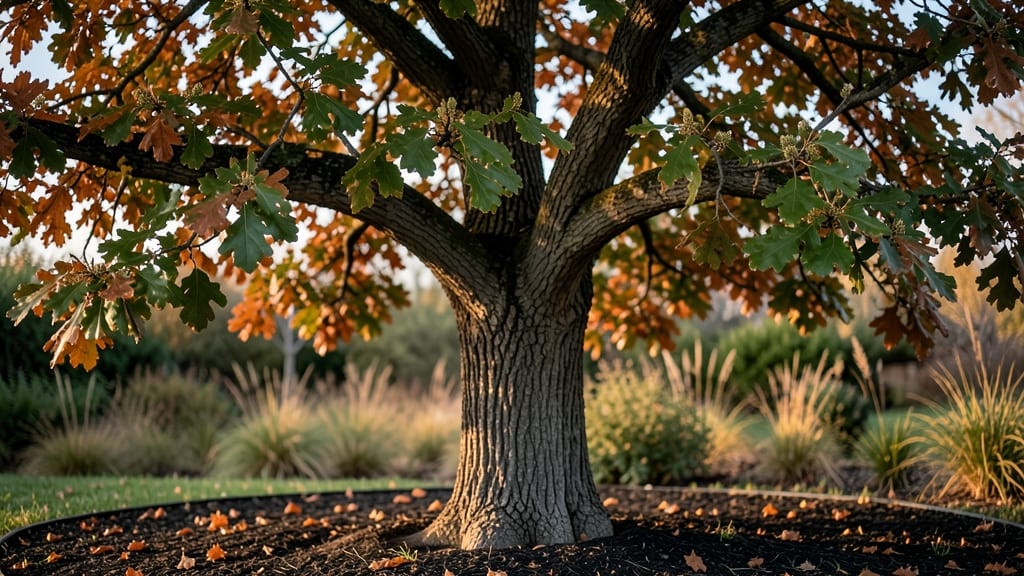
That ugly brown spot on your Gambel oak leaf? Copper fungicide is the science-backed cure. 🌿 I’ve battled fungal spot on my mature oak for years, and this method—applied at the right time—stops the spread before it turns your tree into a leafy mess by summer.
The key is timing: treat preventively in early spring when buds swell, then again after heavy rains. Copper works by disrupting fungal spores on contact, not by killing existing infections. You’ll need copper fungicide spray (liquid or powder), a hose-end sprayer, and protective gloves—no fancy tools, just precision.
Within 2-3 weeks, new growth emerges spot-free, and the old leaves gradually shed without spreading disease. The tree’s natural defenses kick in faster, and next season’s foliage stays vibrant green instead of patchy. It’s not instant magic, but it’s the most reliable fix I’ve found.
Works for Gambel oaks, white oaks, and even red oaks—just adjust spray volume based on tree size. For stubborn cases, add a baking soda spray (1 tbsp per gallon of water) between copper treatments. Your oak will thank you.
📚 In This Guide
- What you need
- Instructions
- Tips and common mistakes
- Wrapping up and next steps
What you need
- ● Copper fungicide: Choose a fixed copper (e.g., copper sulfate, copper hydroxide) or chelated copper product. Opt for a 0.5–2.0% copper concentration (check label for Gambel Oak compatibility). Quantity: 1–2 lbs per 100 gallons of water (follow label instructions).
- ● Sprayer: A hose-end sprayer (for large trees) or a backpack sprayer (for precision). Ensure it’s rated for fungicides and has a nozzle that creates fine droplets (e.g., 8001E or 8002E flat-fan tips).
- ● Protective gear: Nitrile gloves (chemical-resistant)
- ● Long-sleeved shirt and pants
- ● Safety goggles
- ● Dust mask or respirator (if mixing dry copper)
- ● Water: Clean, non-chlorinated water (rainwater or tap water left to sit for 24 hours). Quantity: 10–15 gallons per medium-sized Gambel Oak.
- ● Stirring tool: A wooden stick or plastic paddle (avoid metal to prevent copper reactions).
- ● Wetting agent: Adds to fungicide mix (0.25% volume) to improve leaf coverage. Look for non-ionic surfactants labeled for copper.
- ● Ladder or extension pole: For hard-to-reach branches (ensure it’s stable and rated for your weight).
- ● pH test kit: Copper works best in pH 5.0–7.0 range. Adjust water pH if needed (vinegar or baking soda can help).
- ● Weather forecast: Check for dry, calm conditions (apply in the early morning or late afternoon to avoid leaf burn).
Step-by-step instructions for treating Gambel oak fungal leaf spot
Here's the science-backed method I rely on to restore healthy foliage to your Gambel oaks.
🌿 Step 1: Assess and Confirm the Fungal Infection
First, examine the leaves closely for the classic symptoms of fungal leaf spot: small, irregular brown or black spots with yellow halos. These spots often have concentric rings and may appear on both leaf surfaces. Gambel oaks are particularly susceptible when grown in humid conditions or after periods of prolonged leaf wetness.
Gently shake the tree to dislodge any spores that might be clinging to the leaves—this prevents further spread. I like to do this assessment on a dry morning when spores are least active. If you spot these symptoms, you're dealing with a fungal infection that requires immediate copper fungicide intervention.
💧 Step 2: Prepare the Copper Fungicide Solution
Use a copper-based fungicide formulated for ornamental trees, following the label instructions precisely. For Gambel oaks, I typically mix a 1.5% copper sulfate solution—this concentration is strong enough to kill fungal spores but safe for the tree when applied correctly. Always wear protective gloves, long sleeves, and eye protection when handling copper compounds.
Fill your sprayer with warm water (around 70°F) to help the solution penetrate the leaf surfaces more effectively. I add a few drops of horticultural oil to the mix to help the copper adhere better to the leaves. This step is critical because fungal spores thrive in moisture, and the copper needs to make direct contact to be effective.
✂️ Step 3: Apply the Treatment Systematically
Start by removing any heavily infected leaves—these are the primary sources of spores. Prune them off with clean, sharp shears and dispose of them in the trash, not the compost. Next, apply the copper fungicide solution to the upper and lower surfaces of all leaves, focusing on the new growth where fungal infections often start.
Use a high-volume sprayer or backpack sprayer to ensure even coverage. I like to work in sections, moving from the bottom of the tree upward to avoid missing any spots. Apply the solution until the leaves are glistening but not dripping—this ensures thorough coverage without causing runoff that could harm nearby plants or soil.
☀️ Step 4: Monitor and Retreat as Needed
After treatment, keep an eye on the tree for 7-10 days to assess the effectiveness. You should see new growth emerging without the telltale spots. If you notice any new infections, repeat the application every 10-14 days until the fungal activity is fully controlled. Copper fungicides work best as a preventive measure, so timing is everything.
To prevent future infections, improve air circulation around the tree by pruning any dense branches. Also, avoid overhead watering, which keeps leaves wet for extended periods—this is the perfect condition for fungal spores to thrive. If your Gambel oak is in a shaded or humid area, consider relocating it to a sunnier spot with better airflow.
⏰ Step 5: Schedule Preventive Treatments
Once the infection is under control, schedule preventive treatments every 4-6 weeks during the growing season to keep fungal spores at bay. Early spring and late summer are the most critical times, as these periods often bring the right conditions for fungal growth—warm temperatures combined with frequent rain or high humidity.
I also recommend applying a mulch layer around the base of the tree to improve soil health and reduce splashing from irrigation or rain. Use 2-3 inches of organic mulch, keeping it a few inches away from the trunk to prevent moisture buildup. This simple step can make a big difference in keeping your Gambel oak healthy and resistant to future infections.
Tips & tricks for treating Gambel oak leaf fungal spot
These science-backed strategies will help you tackle fungal infections with precision and confidence.
Timing for Maximum Effectiveness: The 7-10 day monitoring period after your initial treatment is crucial—this gives the copper fungicide time to fully penetrate and disrupt fungal spores. I've found that treating on a dry morning (when humidity is lowest) significantly improves adhesion of the solution to leaf surfaces. If you notice new spots appearing before the 10-day mark, don't wait for the full interval—address them immediately with another application.
Solution Preparation Insight: The 70°F warm water temperature isn't arbitrary—it's the optimal range for activating the copper compounds while preventing thermal shock to the tree. I recommend preparing your solution in a clean, dedicated sprayer to avoid cross-contamination. For extra effectiveness, add 1-2 drops of horticultural oil per quart of solution (as mentioned in Step 2), but always test a small area first to ensure the tree tolerates the combination.
Application Technique: When applying the solution, work in concentric circles starting from the outer canopy inward. This method ensures you don't miss any leaves while systematically covering the entire tree. The "glistening but not dripping" guideline is essential—too little solution leaves spores vulnerable, while excess can cause runoff that may harm nearby plants or create copper buildup in the soil.
Preventive Maintenance: The recommended 4-6 week preventive schedule works best when aligned with your local climate patterns. In regions with frequent summer rains, you might need to shorten this interval to 3-4 weeks during peak fungal growth periods. I've also found that applying a 2-3 inch mulch layer (as mentioned in Step 5) not only improves soil health but also creates a physical barrier that reduces spore splashing from irrigation.
Pro Tips for Gambel Oak Leaf
- These science-backed strategies will help you tackle fungal infections with precision and confidence.
- Timing for Maximum Effectiveness: The 7-10 day monitoring period after your initial treatment is crucial—this gives the copper fungicide time to fully penetrate and disrupt fungal spores.
- Solution Preparation Insight: The 70°F warm water temperature isn't arbitrary—it's the optimal range for activating the copper compounds while preventing thermal shock to the tree.
Frequently asked questions
Got questions about treating Gambel oak leaf fungal spots with copper fungicide? You’re not alone! Here are some common queries—and expert answers—to help you tackle this issue like a pro.
When is the best time to apply copper fungicide to Gambel oak leaves?
The ideal window is early spring (before new leaves unfurl) and late fall (after leaf drop but before winter). Avoid treating during active fungal outbreaks—copper works best as a preventative, not a cure. For existing spots, prune infected leaves and apply fungicide after the rainy season to reduce re-infection.
How often should I reapply copper fungicide for Gambel oak?
Reapply copper fungicide every 2–4 weeks during the growing season (spring to early fall) if fungal spots persist. Follow label instructions for concentration—overuse can harm beneficial soil microbes or cause leaf burn. Pro tip: Rotate with a baking soda spray (1 tsp baking soda + 1 quart water) every other application for added protection.
Can I use copper fungicide on Gambel oak if it’s already lost most of its leaves?
Yes, but focus on prevention for next season. If the tree is severely defoliated, prioritize soil health (mulch with compost, water deeply) and prune dead branches to reduce stress. Copper fungicide won’t revive lost leaves, but it’ll help protect new growth. Bonus: Test soil pH—Gambel oaks thrive in slightly acidic soil (pH 6.0–7.0).
What are some natural alternatives to copper fungicide for Gambel oak?
Try these DIY fungicides for mild infections:
- Neem oil spray: Mix 1 tbsp neem oil + 1 tsp mild soap in 1 quart water. Spray undersides of leaves (where spores hide).
- Hydrogen peroxide: 1 part 3% H₂O₂ + 9 parts water. Spray directly on spots (test on a small area first).
- Garlic spray: Blend 2 cloves garlic + 1 quart water, strain, and add 1 tsp soap. Reapply weekly.
For severe cases, consult a local arborist—some fungal spots (like anthracnose) may need systemic fungicides.
Why does my Gambel oak keep getting fungal spots even after copper treatment?
Persistent spots often mean environmental factors are at play. Check for:
- Poor air circulation (prune dense branches).
- Overwatering or wet foliage (water at the base, not overhead).
- Nutrient deficiencies (fertilize with iron or manganese if leaves are yellow between veins).
- Resistant fungal strains (rotate fungicides or use a copper + sulfur combo).
If spots worsen, collect a leaf sample for lab testing—some fungi evolve resistance to copper.
Wrapping up and next steps
Treating Gambel oak leaf fungal spots with copper fungicide is a science-backed, eco-friendly way to protect your tree while keeping your garden thriving. 🌿 By following the right steps—from mixing the solution to applying it safely—you’ll give your oak the best chance to recover and stay healthy. Don’t wait until the problem worsens; act now, and your Gambel oak will thank you with lush, disease-free foliage!
Ready to take action? Gather your supplies, check the weather, and start treating your oak today—your future green canopy depends on it! 🌳✨