
Aphids
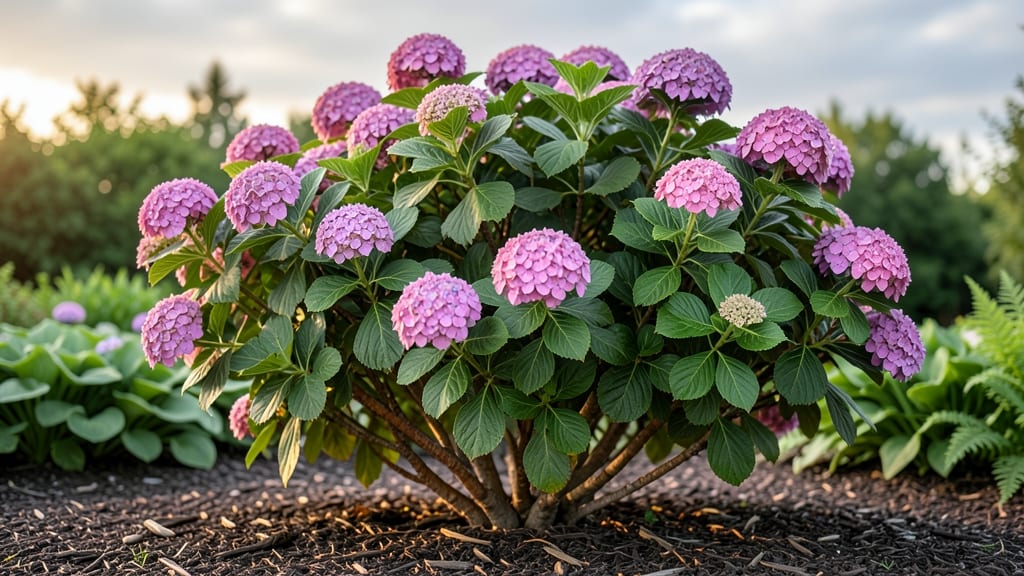
"Gatsby Gal" Oakleaf hydrangea delivers bold foliage that steals the show from spring through winter frost. 🌿 I fell for this cultivar the first time I saw its deep burgundy leaves in December—proof that hydrangeas aren’t just summer flowers. This cold-hardy beauty thrives where others falter, giving you year-round texture with minimal fuss. The secret starts with planting in part shade (morning sun, afternoon shade) and rich, moist soil—think woodland garden conditions. It handles zones 5-9, making it one of the toughest hydrangeas for northern gardens. Just avoid soggy soil, and you’ll get larger-than-life blooms that last from summer into fall. Once established, it’s nearly maintenance-free—water deeply when dry, fertilize lightly in spring, and prune only to shape (never to control blooms). The real magic? Those oak-shaped leaves turn crimson and gold in autumn, then stay leathery and decorative through winter. Even your winter garden will get compliments. For pest resistance, this one’s a winner—aphids rarely bother it, and deer usually leave it alone. The only challenge? Overly aggressive pruning (which kills next year’s blooms). Let it grow wild if you want maximum drama!
📚 In This Guide
- What you need
- Instructions
- Tips and common mistakes
- Wrapping up and next steps
What you need
- ● Gatsby Gal Oakleaf Hydrangea plant – 1 mature specimen (3-5 gallons in container) or bare-root plant (check local nurseries for cold-hardy varieties).
- ● Well-draining soil mix – 50% native soil + 50% compost or peat moss (pH 5.5–6.5).
- ● Organic mulch – 2–3 inches of shredded bark, pine needles, or wood chips to protect roots in winter.
- ● Slow-release fertilizer – Balanced 10-10-10 or acid-loving plant formula (e.g., Osmocote).
- ● Pruning shears – Sharp, bypass-style shears (sterilized with rubbing alcohol).
- ● Garden gloves – Heavy-duty nitrile gloves (aphids and thorns are no match!).
- ● Watering can or hose with nozzle – For deep, consistent hydration (1–1.5 gallons per watering).
- ● Sunlight assessment – Partial shade (4–6 hours of dappled sun daily).
- ○ Soil test kit – Optional but recommended to confirm pH and nutrient levels.
- ● Insecticidal soap or neem oil – For aphid outbreaks (keep on hand!).
- ● Staking system – 3–4 bamboo stakes + soft ties (if planting in windy areas).
- ○ Winter protection (optional for Zone 5–6) – Burlap wrap or frost cloth for young plants.
Step-by-Step instructions for planting and caring for Gatsby Gal oakleaf hydrangea
This cold-hardy stunner thrives with the right placement and care—here's how to set it up for showstopping foliage every season.
🪴 Step 1: Choose the Perfect Planting Location
Gatsby Gal Oakleaf Hydrangea craves full sun to partial shade—at least 6 hours of direct light daily for vibrant foliage, but afternoon shade in scorching climates prevents leaf scorch. I always scout the site first: look for areas where other shrubs thrive, as this variety mirrors their sunlight needs.
This hydrangea handles USDA zones 4-9, making it one of the hardiest in its class. Dig a hole twice as wide as the root ball but only as deep—planting too deep suffocates roots. Loosen the root ball gently if roots circle the container, encouraging outward growth. The reason we don't amend the native soil is that this hydrangea adapts beautifully to most conditions without fuss.
☀️ Step 2: Plant with Proper Spacing and Watering
Space plants 6-8 feet apart to allow mature canes to spread without crowding. Gatsby Gal grows 5-7 feet tall and wide, so give it room to become the focal point of your garden. Backfill the hole with native soil, tamping lightly to eliminate air pockets while avoiding compaction.
Water deeply right after planting—1-2 gallons per plant—to settle the soil and encourage root expansion. Mulch with 2-3 inches of organic mulch (like shredded bark) around the base, keeping it 3 inches away from the trunk to prevent rot. Here's the thing—mulch too close to the stem traps moisture and invites disease, but too far away defeats its purpose.
💧 Step 3: Establish a Consistent Watering Routine
First year is critical—keep soil evenly moist but not soggy. Water 2-3 times weekly until roots establish, checking by sticking your finger 2 inches deep—if it feels dry, water again. This hydrangea tolerates brief dry spells once established, but young plants wilt dramatically without consistent moisture.
I always water in the early morning to reduce evaporation and fungal risks. You'll notice the leaves perk up noticeably after a deep watering—that's your cue the plant is happy. Once roots spread beyond the root ball (usually by late summer), you can ease up to once weekly during dry spells, as this variety develops impressive drought tolerance.
✂️ Step 4: Prune for Shape and Seasonal Interest
Prune late winter to early spring (before buds swell) to shape the shrub and encourage strong new growth. Remove 1/3 of the oldest stems at ground level annually to rejuvenate the plant and prevent woody centers. I like to cut just above a outward-facing bud—this ensures branches grow outward rather than inward.
Summer pruning is optional but keeps the plant tidy. Snip back leggy growth by 1/3 after flowering to maintain shape. Never prune into old wood—Gatsby Gal blooms on new growth, so late cuts won't produce flowers. Watch for new leaves unfurling in spring—this is your signal to prune before they harden off.
🌿 Step 5: Feed and Maintain for Long-Term Health
Apply a balanced 10-10-10 fertilizer in early spring when new growth begins. I use 1/2 cup per plant spread evenly around the root zone, then water deeply to activate nutrients. This variety doesn't demand heavy feeding—over-fertilizing leads to weak stems and fewer blooms.
Monitor for pests like lacewings or spider mites, which occasionally target stressed plants. A strong jet of water usually dislodges them, but neem oil works for stubborn infestations. The real magic happens in fall: the foliage transforms from green to deep burgundy and orange, putting on a show that lasts until frost. Here's the trick—leave the leaves through winter for insulation and next year's blooms.
Tips & tricks for perfect Gatsby Gal oakleaf hydrangea planting
These game-changing insights will help you transform your garden into a year-round foliage showstopper with minimal fuss.
Site Selection Wisdom: When evaluating sunlight in Step 1, pay close attention to the sun's arc across your property. The 6 hours of direct light should be evenly distributed throughout the day—not just concentrated in morning or afternoon. I've seen Gatsby Gal thrive in spots that get morning sun and afternoon shade in hot climates, but avoid areas where afternoon sun would scorch leaves after they've warmed up.
Root Ball Preparation: Before planting, gently tease apart any roots circling the container in Step 1—this encourages outward growth rather than a root-bound mass. Confession: I skipped this step for years and wondered why my plants never reached their full potential. The difference between a struggling shrub and a showstopper often comes down to this single, seemingly insignificant step.
Watering Precision: The 2-3 times weekly watering guideline in Step 3 is a baseline, but your actual schedule depends on your soil type. Sandy soils dry out faster—check moisture every 2-3 days, while clay soils may only need watering every 5-7 days. The key is that 2-inch deep soil test—if it's dry at that depth, it's time to water. Here's what nobody tells you—overwatering is just as damaging as underwatering.
Pruning Timing: The late winter to early spring pruning window in Step 4 is crucial because it aligns with the plant's natural dormancy period. I've made the mistake of pruning too early when buds were still swollen, which resulted in fewer blooms. Watch for those first signs of new growth—tiny buds pushing through the bark—and prune just before they open. This ensures you're cutting back old wood while encouraging new, vibrant growth.
Pro Tips for Gatsby Gal Oakleaf Hydrangea
- These game-changing insights will help you transform your garden into a year-round foliage showstopper with minimal fuss.
- Site Selection Wisdom: When evaluating sunlight in Step 1, pay close attention to the sun's arc across your property.
- Root Ball Preparation: Before planting, gently tease apart any roots circling the container in Step 1—this encourages outward growth rather than a root-bound mass.
Frequently asked questions
How cold can the Gatsby Gal Oakleaf Hydrangea tolerate?
The Gatsby Gal is a cold-hardy variety, thriving in USDA Zones 4-9. It can handle temperatures as low as -20°F (-29°C) when properly established, making it ideal for northern climates. Just ensure it’s planted in well-draining soil and mulched in winter for extra protection.
When is the best time to prune Gatsby Gal Oakleaf Hydrangeas?
Prune in late winter or early spring (before new growth emerges) to shape the plant and remove dead wood. Avoid heavy pruning in fall, as it blooms on old wood. For dramatic foliage, trim lightly—this variety is prized for its year-round interest, not just flowers!
Are Gatsby Gal Oakleaf Hydrangeas prone to pests like aphids?
Yes, aphids can be an issue, but Gatsby Gal is more resistant than some varieties. Monitor for sticky residue (honeydew) or curled leaves. Spray with neem oil or insecticidal soap for mild infestations. Strong airflow and regular pruning help deter pests naturally.
Can I grow Gatsby Gal in containers, or is it better in the ground?
While it thrives in the ground, Gatsby Gal can grow in large containers (15+ gallons) with well-draining soil. Ensure the pot has drainage holes and move it to a sheltered spot in winter if in Zone 4. Container-grown plants may need more frequent watering and fertilizer.
What’s the secret to getting the best fall foliage colors?
For vibrant red-purple fall foliage, plant in full sun to partial shade and avoid over-fertilizing with nitrogen (which promotes leafy growth over color). Consistent moisture and balanced fertilizer (like 10-10-10) in early summer enhance fall drama.
Wrapping up and next steps
Transforming your garden with the Gatsby Gal Oakleaf Hydrangea is a rewarding journey—one that delivers stunning, cold-hardy drama from spring to winter! 🌿 Its lush foliage, vibrant blooms, and resilience make it a standout choice for any outdoor space.
Whether you're a seasoned gardener or just starting, this hydrangea promises year-round beauty with minimal fuss.
Ready to elevate your garden? Start by selecting the perfect spot—whether it’s a sunny border or a shaded corner—and gather your tools. Then, plant with confidence, knowing you’re bringing home a plant that thrives on care and rewards with breathtaking results. Happy gardening! 🌸