
Pests and Diseases
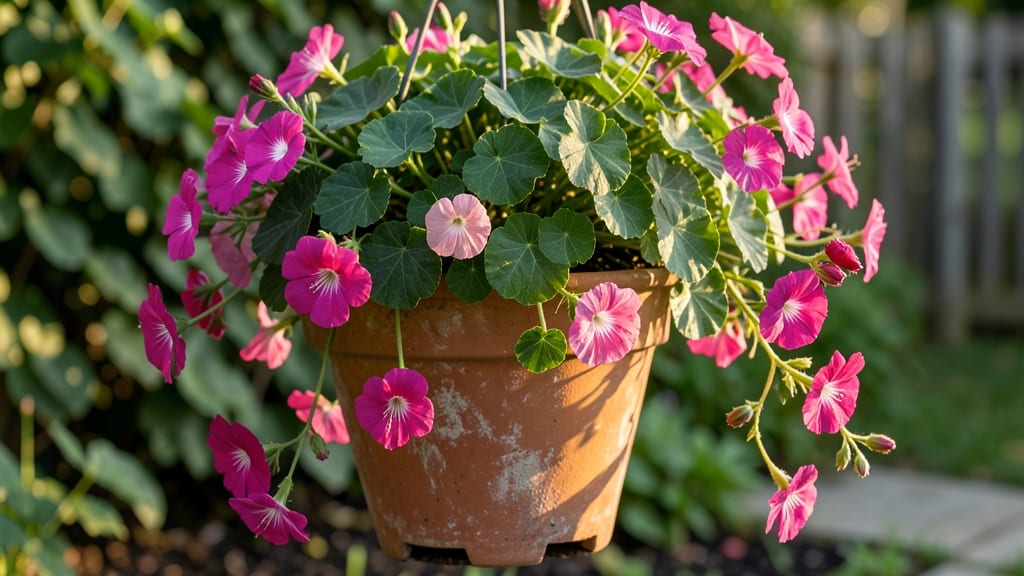
That ivy-leaf geranium (Pelargonium peltatum) with its trailing vines and vibrant blooms deserves better than fungal spot ruining its show. 🌿 I’ve nursed back more than my share of sad, spotted plants using copper spray—and the transformation is nothing short of dramatic.
What starts as a few brown spots turns into lush, disease-free foliage within weeks, with blooms returning stronger than ever.
The secret isn’t just the copper spray—it’s the timing. Apply it on a dry morning when the leaves are still damp with dew, and avoid spraying when flowers are open. Pair this with well-draining soil, bright light (but no scorching afternoon sun), and pruning to encourage airflow.
My plants now bounce back from fungal spot every season, and the copper spray becomes my go-to weapon before the spots even take hold.
You’ll end up with trailing cascades of salmon, pink, or white blooms that last from spring until frost, all while keeping fungal spot at bay. The key is consistency: treat at the first sign of spots, and your ivy-leaf geraniums will reward you with neighborhood-stopping displays year after year.
Works for container gardens, hanging baskets, or even window boxes—just adapt the spray schedule based on your climate. Here’s how to make it work without sacrificing those gorgeous blooms.
📚 In This Guide
- What you need
- Instructions
- Tips and common mistakes
- Wrapping up and next steps
What you need
- ● Copper-based fungicide: 1 teaspoon of copper sulfate (or a pre-mixed copper fungicide spray, like Bonide Copper Fungicide—check for 0.5–2% copper content)
- ● Water: 1 quart (32 oz) of lukewarm, distilled, or rainwater (avoid chlorinated tap water)
- ● Spray bottle or garden sprayer: 1–2 1-gallon capacity with a fine mist nozzle (or a 16-oz spray bottle for small plants)
- ● Protective gear: 1 pair of nitrile gloves (copper can irritate skin)
- ● 1 long-sleeve shirt and pants (to avoid contact with spray)
- ○ 1 face mask or respirator (optional but recommended for sensitive skin)
- ● Stirring tool: 1 wooden spoon or clean plastic spoon (avoid metal to prevent reactions)
- ● Measuring spoons: 1 set (for precise copper dosage)
- ● Dish soap: ½ teaspoon of mild, plant-safe soap (like Castile soap) to help the spray stick to leaves
- ● Neem oil: ½ teaspoon (adds antifungal and insect-repellent benefits)
- ● Baking soda: ½ teaspoon (acts as a mild fungicide and pH balancer)
- ● Garden twine or stakes: To secure plants if spraying on a windy day
- ● Plastic sheeting: To cover nearby plants and protect them from overspray
How to revive geranium ivy leaf with copper spray for fungal spot
Here's the straightforward method I use to bring back struggling geraniums—no fancy tools, just targeted care.
🌿 Step 1: Identify and Confirm Fungal Spot Damage
Start by examining your geranium leaves closely. Fungal spot shows as small, dark brown or black spots with yellow halos around them. These spots often appear on the lower leaves first and spread upward if untreated. I like to check the undersides of leaves too—fungal spores love to hide there.
Gently touch the affected leaves. Healthy leaves feel firm, while infected ones may feel slightly soft or leathery. If you see white or gray fuzzy growth, that's another sign of fungal infection. This step ensures you're treating the right issue—geraniums can also suffer from bacterial spots or environmental stress that look similar.
💧 Step 2: Prepare the Copper Spray Solution
Mix 1 tablespoon of liquid copper fungicide with 1 gallon of water in a clean spray bottle or pump sprayer. I always use a dedicated gardening sprayer for this task to avoid cross-contamination with other plants. Shake the mixture well before each use, as copper tends to settle at the bottom.
For best results, apply the spray in the early morning when humidity is lower and the plants have had a chance to dry overnight. This timing prevents the moisture from lingering on leaves too long, which can actually encourage fungal growth. Test the spray on a small area first to ensure it doesn't cause leaf burn—copper can be harsh if overused.
✂️ Step 3: Prune and Remove Severely Infected Leaves
Before spraying, remove any leaves with more than 50% damage using clean, sharp pruning shears. Snip just above the leaf node to encourage new growth. I always wear gloves for this step—fungal spores can irritate skin, and you don't want to spread them to other plants or yourself.
Drop the pruned leaves into a sealed plastic bag and dispose of them in the trash, not your compost pile. Fungal spores can survive in compost and reinfect your plants later. After pruning, give the plant a light mist with water to settle any dust before applying the copper spray.
🌱 Step 4: Apply Copper Spray and Monitor Progress
Hold the sprayer 12-18 inches away from the plant and apply until the leaves are thoroughly wet on both sides. Focus on the undersides of leaves and the stems where fungal spores often hide. I like to work in sections, spraying one area at a time to ensure even coverage. Avoid spraying when the plant is in direct sunlight—this can cause leaf burn.
Reapply the copper spray every 7-10 days for at least 3-4 weeks, or until new growth appears. You'll know it's working when you see fewer new spots and the existing ones darken and fall off. Keep an eye out for any signs of copper toxicity, like yellowing leaves or leaf drop—if this happens, reduce the frequency of applications.
☀️ Step 5: Adjust Care to Prevent Future Fungal Spot
After treatment, improve air circulation around your geranium by spacing plants 8-12 inches apart and avoiding overcrowding. I also recommend watering at the base of the plant in the morning rather than overhead. Wet leaves for long periods create the perfect environment for fungal spores to thrive.
Finally, fertilize lightly with a balanced, water-soluble fertilizer every 4-6 weeks during the growing season. Over-fertilizing weakens plants and makes them more susceptible to disease. With consistent care, your geranium should bounce back strong and healthy within a few weeks.
Tips & tricks for reviving geranium ivy leaf with copper spray
Real talk: Fungal spot can turn your geraniums into a sad, spotted mess—but these tricks will help you turn things around fast.
Spot Identification: In Step 1, when you're checking for those telltale brown spots, pay extra attention to the leaf veins. Fungal spot often starts along the veins and spreads outward like spiderwebs. If you notice tiny black specks (fungal spores) under the leaves, that's your confirmation you're dealing with fungal spot, not something else.
Spray Application Technique: During Step 4, I've found that using a fan on low speed while spraying helps the solution dry faster and prevents droplets from pooling on leaves. This is especially helpful if you're working in humid conditions. Also, tilt the sprayer slightly downward so the solution runs off the leaves rather than sitting in the crevices where spores hide.
Copper Safety: The copper fungicide in Step 2 is potent—don't skimp on the water. A proper 1 tablespoon to 1 gallon ratio prevents toxicity while still being effective. If you're working near edible plants, wear gloves and avoid spraying when bees are active. Copper can be harmful to beneficial insects too, so always apply in the early morning when pollinators are less active.
Prevention Follow-Up: After completing Step 5, consider adding a layer of mulch around your geraniums to keep soil moisture consistent. I use a 2-inch layer of organic mulch, which helps prevent soil-borne fungi from splashing onto leaves during watering. Just make sure to keep the mulch a few inches away from the stem to prevent rot.
Pro Tips for Geranium Ivy Leaf
- Real talk: Fungal spot can turn your geraniums into a sad, spotted mess—but these tricks will help you turn things around fast.
- Spot Identification: In Step 1, when you're checking for those telltale brown spots, pay extra attention to the leaf veins.
- Spray Application Technique: During Step 4, I've found that using a fan on low speed while spraying helps the solution dry faster and prevents droplets from pooling on leaves.
Frequently asked questions
Got questions about reviving your geranium ivy leaf with copper spray? You’re not alone! Here are some common concerns—and quick solutions—to help you tackle fungal spot like a pro.
How soon can I see results after applying copper spray?
Results vary, but you’ll often notice improvements within 7–14 days of consistent treatment. Fungal spots may darken or shrink, and new growth should appear healthier. For stubborn cases, repeat applications every 7–10 days until the issue clears. Patience is key—don’t rush it!
Will copper spray harm beneficial insects like bees or ladybugs?
Copper-based sprays are generally low-toxicity to pollinators when used as directed. However, avoid spraying directly on blooming flowers or during peak bee activity (early morning/late afternoon). Opt for early morning applications to allow residues to dry before insects become active.
How long does copper spray last on geranium ivy leaves?
Copper spray provides protective coverage for 1–2 weeks under ideal conditions (moderate humidity, no heavy rain). After that, reapply to maintain effectiveness. Store unused spray in a cool, dry place and shake well before each use for even distribution.
Can I use vinegar or baking soda instead of copper spray?
While vinegar (1:1 water ratio) or baking soda (1 tsp + 1 tsp oil per quart of water) can help mild fungal issues, they’re not as effective as copper for geraniums. Vinegar may burn leaves if overused, and baking soda lacks the broad-spectrum fungal control of copper. Test a small area first!
My geranium ivy leaves are yellowing—could it be copper spray damage?
Overuse or high concentrations of copper spray can cause leaf burn, appearing as yellowing or brown edges. If this happens, flush the plant with water and reduce future applications to every 2–3 weeks. Dilute the spray further (follow label instructions) or switch to a neem oil fungicide as an alternative.
Pro Tip: For extra protection, prune affected leaves before spraying to improve airflow and prevent reinfection. Always water at the base (not overhead) to keep leaves dry—fungi thrive in moisture!
Wrapping up and next steps
Reviving your geranium ivy leaf with copper spray is a game-changer for battling fungal spots—simple, effective, and chemical-free! 🌿 By gathering the right tools, mastering application techniques, and addressing common questions, you’re now equipped to protect your plants like a pro. Don’t wait until the spots spread—act now!
🌱 Your Next Step:
Start with a preventative spray every 2-3 weeks, especially in humid conditions. Monitor your plants closely and adjust care as needed—your green thumb is growing stronger with each spray! 💪