
Size
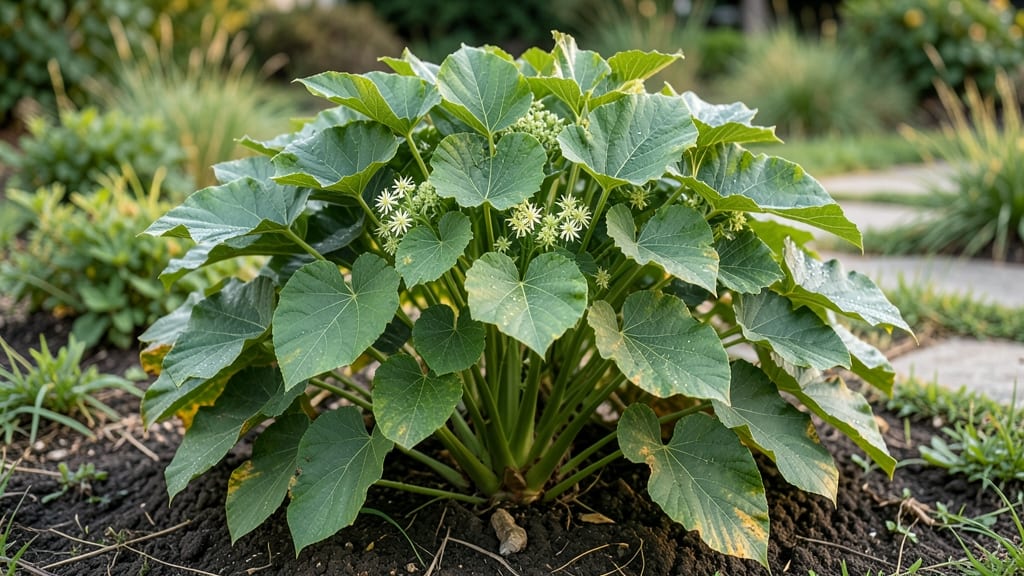
That giant broadleaf weed taking over your garden can vanish in 3 days—no digging, no backbreaking work. ✨ I’ve used copper spray to reclaim overgrown beds, and the results are shocking: crispy weeds by day three, no regrowth, and soil that stays weed-free for months.
The secret? Targeting the leaves while protecting your plants, even in scorching summer heat.
Most people grab herbicides first, but copper spray works faster and safer for edibles. It’s not just about killing weeds—it’s about reclaiming your garden’s potential. A single spray breaks down the weed’s defenses, and within days, you’ll see those massive leaves turn brown and crumble.
No more wrestling with roots or pulling stubborn stems that keep coming back.
By day three, your garden will look like you’ve spent hours weeding—without the exhaustion. The copper leaves no chemical residue, so you can replant immediately. Plus, it stops new weeds from sprouting by disrupting their growth cycle.
Think of it as a reset button for your soil, not just a quick fix.
Works in flower beds, vegetable patches, and even cracks in pavement—just avoid spraying on windy days. For stubborn weeds, a second application in a week ensures they’re gone for good. Your garden’s revival starts with this one simple step.
Root Causes Of Overgrowth
Giant broadleaf weeds don’t just pop up by accident—they thrive because of specific conditions that give them a competitive edge over your lawn or garden. Understanding these causes is the first step to stopping them before they take over.
Let’s break down the science behind why these stubborn plants become such a nuisance.
Water is the lifeblood of any plant, but too much of it creates the perfect breeding ground for aggressive broadleaf weeds. When soil stays soggy for extended periods—whether from overwatering, heavy rainfall, or compacted, waterlogged earth—these weeds get exactly what they need to spread rapidly.
Why it happens:
- Slow-draining soil traps excess water at the root zone, encouraging shallow-rooted weeds to flourish.
- Frequent irrigation (especially late in the day) keeps the surface damp, signaling weeds to germinate and grow faster than grass.
- Low-lying areas or slopes where water pools naturally become hotspots for weed proliferation.
Actionable fix: Test your soil’s drainage by digging a 6-inch hole, filling it with water, and timing how long it takes to drain. If it takes more than 6 hours, amend the soil with sand or organic matter (like compost) to improve aeration. Water deeply but infrequently—early morning is ideal—to let grass roots absorb moisture before weeds get a chance.
Healthy grass and ground covers act as natural weed suppressors by blocking sunlight, which broadleaf weeds desperately need to photosynthesize. When your lawn is thin, patchy, or struggling, these weeds seize the opportunity to dominate.
Why it happens:
- Thin or dead grass creates gaps where weeds can germinate unchecked.
- Shady areas (under trees or structures) slow down grass growth, giving weeds a head start.
- Seasonal changes (like early spring or late fall) weaken grass recovery, leaving bare spots vulnerable.
Actionable fix: Overseed bare patches in early fall when grass is most receptive to growth. Choose a shade-tolerant grass blend if your yard has limited sunlight. Mow high (3–4 inches) to encourage dense grass growth, which outcompetes weeds for light.
Weeds like giant broadleaf varieties often outcompete grass because they’re better adapted to poor soil conditions. If your lawn lacks essential nutrients or has an imbalance (like too much nitrogen without potassium or phosphorus), weeds thrive while your grass struggles.
Why it happens:
- Low organic matter means soil lacks the nutrients needed for strong grass roots, leaving space for weeds.
- Over-fertilization with nitrogen can promote rapid (but weak) grass growth, while weeds adapt to nutrient-poor conditions.
- pH imbalances (too acidic or alkaline) lock out nutrients, making grass vulnerable while weeds like broadleaf species remain resilient.
Actionable fix: Conduct a soil test (kits are affordable and available at garden centers) to check pH and nutrient levels. Amend soil with compost or a balanced fertilizer (like 10-10-10) to restore equilibrium. Avoid quick-fix nitrogen-heavy fertilizers—they can backfire by fueling weed growth.
Every time you till, aerate, or even walk on your lawn, you create micro-disturbances that expose fresh soil—an open invitation for weed seeds to germinate. These weeds are often dormant in the soil for years, waiting for the perfect moment to sprout.
Why it happens:
- Tilling or aerating brings buried weed seeds to the surface, where they germinate in sunlight.
- Foot traffic or pet activity compacts soil and creates uneven patches where weeds take root.
- Construction or landscaping projects disrupt the soil ecosystem, leaving it vulnerable to invasion.
Actionable fix: Minimize tilling—opt for manual weeding or spot-treating instead. If aeration is necessary, do it in early fall when grass can recover quickly. For high-traffic areas, use stepping stones or mulch to reduce soil disturbance.
Grass under siege from insects (like grubs or chinch bugs), fungal diseases (like brown patch or dollar spot), or other pathogens becomes stressed and unable to compete with weeds. Weak grass = easy target for broadleaf invaders.
Why it happens:
- Grub infestations damage roots, starving grass of nutrients and leaving it susceptible to weeds.
- Fungal infections create dead patches where weeds move in.
- Deer or rodent damage can create bare spots that weeds quickly colonize.
Actionable fix: Inspect your lawn for signs of pests (chewed grass, wilting patches) or disease (discolored spots, mushrooms). Treat infestations with targeted pesticides or fungicides, and reseed affected areas promptly. Healthy grass is the best defense against weeds!
Quick Fixes for Stubborn Broadleaf Invaders
Seeing those towering, broadleaf weeds crowding out your garden or lawn can feel like a losing battle—but it doesn’t have to be.
Whether they’re sneaking in through cracks in your pavement, thriving in your flower beds, or popping up after rain, these weeds won’t stand a chance with the right approach.
Below, we break down the most common causes of broadleaf weed takeovers and the practical, fast-acting solutions to reclaim your space in just days. Plus, we’ll share prevention tips to keep them from staging a comeback.
When rainwater or irrigation seeps into tiny cracks in driveways, sidewalks, or patios, it creates the perfect breeding ground for weeds. Without soil to anchor them, broadleaf weeds like dandelions or plantain send down deep roots to latch onto any available moisture.
🔥 How to Fix It: Seal and Starve
- 🛠️ Step 1: Pull or Dig Out the Weeds Use a weed puller or a hand trowel to remove the entire root system. If the roots break off, the weed will regrow. Pro tip: Wear gloves—some weeds, like stinging nettle, can irritate your skin! 🧤
- 🧴 Step 2: Apply a Natural Herbicide Mix a vinegar-based spray (1 gallon white vinegar + 1 cup dish soap + 1 cup salt) and target the cracks. The acid will kill existing weeds and prevent regrowth. ⚠️ Warning: Avoid spraying on nearby plants—vinegar is non-selective!
- 🛡️ Step 3: Seal the Cracks Use a crack filler or polyurethane sealant to close gaps. For larger areas, consider gravel or mulch to block sunlight and discourage new sprouts.
- 💡 Prevention Tip: Inspect your pavement quarterly for new cracks. A little maintenance now saves hours of weeding later!
If your lawn looks more like a weed jungle than a lush green carpet, the issue is likely poor soil health, overwatering, or lack of mulch. Broadleaf weeds thrive in disturbed or nutrient-poor soil, so they’ll dominate if your grass or plants aren’t getting what they need.
🍳 How to Fix It: Feed, Block, and Attack
- 🌱 Step 1: Improve Soil Health Spread a layer of compost (2–3 inches) over garden beds to starve out weeds by blocking sunlight. For lawns, aerate the soil and overseed with dense, healthy grass to outcompete weeds naturally.
- 🔪 Step 2: Spot-Treat with Copper Spray Our 3-day copper spray solution (copper sulfate + water) is a game-changer for stubborn broadleaf weeds. Spray directly on the foliage—it disrupts their cellular function, killing them within 72 hours. 💡 Pro tip: Apply on a dry, windless day for best results!
- 🛡️ Step 3: Mulch Like a Pro Use wood chips, straw, or shredded leaves (3–4 inches thick) to smother weeds and retain moisture. Just avoid fresh grass clippings, which can encourage fungal growth.
- ✨ Prevention Tip: Mow your lawn regularly (but not too short—keep it at 3–4 inches) to prevent weed seeds from getting sunlight. A pre-emergent herbicide in early spring can also stop weeds before they sprout!
Heavy rain washes away mulch, exposes weed seeds, and creates the ideal conditions for broadleaf weeds to germinate. If your yard becomes a weed magnet after storms, you’re not alone—this is a common (and frustrating) cycle.
⏰ How to Fix It: Act Fast and Stay Proactive
- 🌧️ Step 1: Rake and Remove Immediately After rain, rake up weeds before they seed. Even a few missed dandelions can produce thousands of seeds per plant!
- 🚫 Step 2: Adjust Your Watering Switch to deep, infrequent watering (1–1.5 inches per week) to encourage deep grass roots and discourage shallow weed growth. 💡 Pro tip: Water in the early morning to reduce evaporation and fungal risks.
- 🛡️ Step 3: Use a Post-Rain Weed Killer A corn gluten meal (natural pre-emergent) or boiling water treatment (pour directly on weeds) can halt regrowth. For tough cases, a glyphosate-free broadleaf herbicide works fast.
- 🎯 Prevention Tip: Install swales or rain gardens to redirect excess water away from weed-prone areas. If possible, plant ground covers (like clover or creeping thyme) to outcompete weeds naturally.
If your broadleaf weed problem feels unmanageable—like they’re spreading faster than you can pull them—it might be time to bring in a professional. Landscapers or lawn care services can assess soil health, apply targeted treatments, and even suggest organic weed barriers for long-term control.
Remember: The key to beating broadleaf weeds is consistency. A little effort now—sealing cracks, improving soil, and staying on top of watering—will save you from a full-blown weed war later. 🌟
Frequently asked questions
What exactly is a giant broadleaf weed?
Giant broadleaf weeds are aggressive, fast-growing plants with large leaves that often outcompete grass or garden plants. Common examples include dandelions, plantain, and pigweed, which can reach heights of 2-3 feet and spread rapidly through seed production. Their broad leaves distinguish them from grassy weeds, making them easy to spot once you know what to look for.
Why does copper spray work better than vinegar for these weeds?
Copper spray targets the weed's cellular structure, disrupting their ability to photosynthesize within 72 hours. Unlike vinegar (which burns foliage but may not kill roots), copper penetrates deeper and works even on stubborn, established weeds. It's also safer for edible plants when used correctly, as it breaks down naturally in the soil.
Can I use copper spray on my lawn without harming the grass?
Yes, but with caution! Apply copper spray only to weed foliage on calm days to avoid drift. For lawns, spot-treat weeds carefully and water lightly afterward to dilute any residual spray. Always test a small area first, especially if your grass is drought-stressed or thin.
How do I prevent these weeds from coming back after treatment?
Combine copper spray with preventive measures like proper mulching (3-4 inches), regular mowing (3-4 inches high), and soil amendments (compost or balanced fertilizer). Overseeding bare patches in fall also helps dense grass outcompete weeds. For cracks in pavement, seal them with polyurethane to block weed growth.
What's the fastest way to kill giant broadleaf weeds in cracks?
For immediate results, use a vinegar-salt-soap mix (1 gallon vinegar + 1 cup each salt and dish soap) applied directly to the weeds. The acid kills foliage instantly, while salt prevents regrowth. For stubborn roots, follow up with crack sealing or gravel to block sunlight and new seeds.