
Pruning
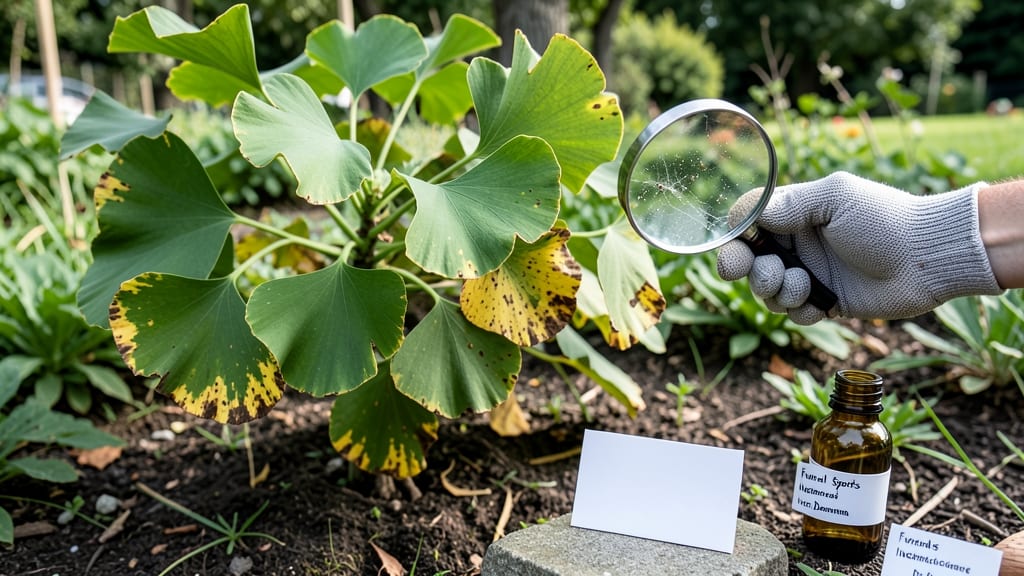
When ginkgo tree leaf problems turn your tree into a leafy fireworks display of brown spots, copper spray is the secret weapon. 🌿 I’ve watched these unsightly patches spread like wildfire—until I learned the science behind copper’s antifungal power.
The key? Spraying at the right time, with the right concentration, to stop the spread before it ruins your tree’s iconic fan-shaped leaves.
Most fungal spots start as tiny yellow dots that multiply into larger brown patches, especially after wet springs. The good news? Copper spray isn’t just a bandage—it prevents spores from germinating in the first place.
Think of it like armor for your ginkgo’s leaves, blocking the infection before it gets a foothold. And the best part? It’s safe for people and pets once dry.
You’ll see results within 2-3 weeks of treatment: new growth stays spot-free, and existing spots fade. The trick is consistency—apply it in early spring and again after heavy rains. For severe cases, combine it with pruning affected branches to improve airflow and sunlight penetration, which naturally deters fungus.
This method works for all ginkgo varieties, from dwarf ‘Princeton Sentry’ to towering ‘Autumn Gold.’ Even if your tree is already struggling, copper spray buys time for the roots to recover. Let’s get those leaves back to their signature golden glory.
Root causes of leaf issues
Understanding why ginkgo tree leaves develop problems starts with recognizing the tree’s unique biology and environmental stressors. Unlike most trees, ginkgos are ancient relics with limited natural defenses against modern threats. Here’s a breakdown of the key triggers behind leaf discoloration, spots, and decline—so you can address them effectively.
Ginkgo trees are particularly susceptible to fungal pathogens like Phyllosticta ginkgo (the primary cause of leaf spot) and Botrytis cinerea (gray mold).
These microbes thrive in: - High humidity (fungi spread via airborne spores in damp conditions). - Poor air circulation (dense foliage traps moisture, creating ideal fungal breeding grounds). - Wet leaves (overhead watering or rain can splash spores onto leaves, infecting them).
Why it happens: Fungi enter through stomata (tiny leaf pores) or wounds, then release toxins that cause brown or black spots with yellow halos. If left unchecked, defoliation occurs, weakening the tree’s immune response.
Ginkgos are hardy but still react to extreme conditions. Common triggers include:
- Temperature swings (sudden cold snaps or heatwaves disrupt photosynthesis).
- Drought stress (wilting leaves turn yellow/brown as the tree conserves water).
- Poor soil drainage (root rot from waterlogged soil blocks nutrient uptake).
Why it happens: Stress weakens the tree’s cuticle (the leaf’s protective waxy layer), making it vulnerable to secondary infections. For example, chlorosis (yellowing between veins) often signals iron or magnesium deficiency, worsened by alkaline soil or compacted roots.
Ginkgos need balanced nutrients to produce healthy leaves. Deficiencies in:
- Nitrogen (N) → Pale green/yellow leaves (oldest leaves first).
- Magnesium (Mg) → Interveinal yellowing (common in acidic soils).
- Iron (Fe) → Yellowing between veins (chlorosis), even in iron-rich soil if pH > 7.0.
Why it happens:
- Improper soil pH (ginkgos prefer 6.0–7.5; alkaline soil locks out iron/manganese).
- Over/under-fertilization (excess salt burns roots; lack of nutrients stunts growth).
- Competition (weeds or grass stealing nutrients from shallow ginkgo roots).
While ginkgos are pest-resistant, scale insects, spider mites, and Japanese beetles can still attack. Their damage:
- Saps nutrients (leaving stippled, curled, or discolored leaves).
- Weakens the tree (honeydew attracts sooty mold, further stressing foliage).
Why it happens: Pests target stressed trees first (drought, poor soil, or over-fertilization). For example, scale insects secrete a waxy shield, blocking sunlight and causing leaf drop.
- Mechanical injury (lawnmowers, string trimmers, or hail) tears leaves, creating entry points for pathogens.
- Aggressive pruning (cutting too late in the season or removing too much foliage) disrupts the tree’s energy balance.
Why it happens: Ginkgos heal slowly. Improper cuts (too close to branches) expose vulnerable tissue, while over-pruning reduces the tree’s ability to photosynthesize, leading to weak, yellowing leaves.
- Herbicide drift (glyphosate or broadleaf killers damage ginkgo foliage).
- Salt buildup (from de-icing salts or poor-quality water) causes leaf burn (brown edges/crusty deposits).
Why it happens: Ginkgos are sensitive to salts and chemicals—even residual herbicides in soil can leach into roots, causing necrotic (dead) leaf tissue.
Most leaf problems stem from one (or more) of these factors working together. The good news? Early intervention—like copper fungicides, proper watering, or soil testing—can reverse damage before it spreads. Stay tuned for our next section on diagnosing specific symptoms and science-backed fixes!
Fixing Ginkgo Tree Leaf Issues
Now that you’ve identified the root cause of your ginkgo tree’s leaf problems—whether it’s fungal spots, pests, or environmental stress—it’s time to take action! The good news? Most issues are treatable with the right approach.
Below, we’ll break down practical, step-by-step solutions tailored to the most common causes, plus prevention tips to keep your tree thriving long-term.
If your ginkgo leaves are dotted with unsightly brown or black spots (often from Phyllosticta or Cercospora fungi), copper-based fungicides are your best defense. Here’s how to tackle it:
🔥 Step 1: Prune Infected Leaves & Branches
- Remove severely damaged leaves (gloves recommended!) and dispose of them in the trash—not the compost pile.
- Trim back branches with heavy fungal growth to improve airflow and reduce humidity.
- Pro Tip: 💡 Sterilize your pruners with rubbing alcohol between cuts to prevent spreading spores.
🍳 Step 2: Apply Copper Fungicide
- When to spray: Early morning or late afternoon (avoid direct sunlight to prevent leaf burn).
- How to apply:
- Mix a copper fungicide (like copper sulfate or copper hydroxide) according to label instructions.
- Use a sprayer with a fine mist to coat both sides of the leaves and stems.
- Reapply every 7–14 days during wet or humid conditions.
- Pro Tip: 🌡️ If temperatures are above 85°F (29°C), wait to spray—copper can be toxic to leaves in extreme heat.
⏰ Step 3: Improve Tree Health
- Water at the base (not overhead) to keep foliage dry.
- Mulch around the trunk (2–3 inches deep) to regulate soil moisture.
- Fertilize lightly in early spring with a balanced, slow-release fertilizer (10-10-10) to boost immunity.
🛡️ Prevention for Next Season
- Plant ginkgo trees in full sun (at least 6 hours of sunlight daily).
- Space trees 30–50 feet apart for proper airflow.
- Avoid overhead watering during rainy seasons.
Pests like scale insects or spider mites suck sap, causing yellowing, curling, or sticky residue (honeydew). Here’s how to evict them:
👨🍳 Step 1: Blast Off Pests with Water
- For soft-bodied pests (like spider mites):
- Use a hose with a strong jet to dislodge them from leaves.
- Do this early in the morning for best results.
🔪 Step 2: Apply Horticultural Oil or Insecticidal Soap
- Best for: Scale, psyllids, and mites.
- How to use:
- Mix horticultural oil (like Neem oil or dormant oil) with water (follow label rates).
- Spray thoroughly, covering all leaf surfaces, including undersides.
- Reapply every 7–10 days until pests are gone.
- Pro Tip: 🎯 Test a small branch first—some trees may be sensitive to oils.
🌿 Step 3: Introduce Beneficial Insects (Optional but Effective)
- Ladybugs, lacewings, or parasitic wasps love eating spider mites and scale.
- Purchase them from a garden center and release them in the evening when they’re active.
🛡️ Prevention Tips
- Inspect trees regularly (especially after rain or wind storms).
- Remove weedy debris near the base—pests love hiding there.
- Avoid broad-spectrum pesticides (they kill beneficial insects too!).
If your ginkgo’s leaves are yellowing, crispy, or dropping prematurely, it’s likely due to heat stress, underwatering, or compacted soil.
💧 Step 1: Deep Watering & Mulching
- Water deeply 1–2 times per week (depending on climate) to encourage deep root growth.
- Mulch heavily (3–4 inches of wood chips or shredded bark) to retain moisture and cool roots.
- Pro Tip: 🌡️ Morning watering is best—it reduces evaporation and fungal risks.
🌱 Step 2: Improve Soil Drainage
- If your soil is clay-heavy or compacted, amend it with:
- Compost (1–2 inches mixed into the top 6 inches of soil).
- Sand or perlite (for sandy soils to improve aeration).
- Avoid over-fertilizing—ginkgos prefer moderate fertility.
🛡️ Prevention for Future Stress
- Plant in well-draining soil (ginkgos hate "wet feet").
- Choose a sunny spot (but provide afternoon shade in extreme heat zones).
- Monitor soil moisture—stick your finger 4 inches deep; if dry, it’s time to water.
| Problem | Fast Solution | Prevention |
|---|---|---|
| Yellowing Leaves | Flush soil with water (check for over/under-watering) | Test soil pH (ideal: 6.5–7.5) |
| Curling Leaves | Spray with Neem oil (for pests) or adjust watering | Prune for better airflow |
| Leaf Drop | Mulch + deep watering + check for pests | Avoid transplant shock (plant in fall) |
Final Thought: Most ginkgo leaf problems are manageable with a little TLC. Start with pruning, proper watering, and targeted treatments, then focus on long-term prevention. Your tree will bounce back—and with fewer spots and happier leaves! 🌿💚
Frequently asked questions
Why do ginkgo leaves develop brown spots even after pruning?
Fungal spores often linger on the tree or in the soil, so pruning alone won’t eliminate them. The brown spots you’re seeing likely come from Phyllosticta ginkgo, which thrives in damp conditions. Combine pruning with copper fungicide sprays (applied every 10-14 days) and improve airflow by thinning dense branches.
Can I use household vinegar as a substitute for copper fungicide?
While vinegar can help kill some fungi in high concentrations, it’s not a reliable or safe substitute for copper fungicide. Vinegar can burn leaves and disrupt soil pH. For ginkgo trees, stick to copper-based treatments (like copper sulfate) or baking soda mixes (1 tablespoon baking soda + 1 quart water + a drop of dish soap) for mild cases.
How do I tell if my ginkgo’s yellow leaves are from pests or nutrient deficiency?
Check for these clues: Pest damage often shows as curled leaves with sticky residue (honeydew) or tiny webs (spider mites), while nutrient deficiencies cause uniform yellowing between veins (chlorosis). Test your soil pH—if it’s above 7.0, iron deficiency is likely. For pests, look on leaf undersides with a magnifying glass.
Is it safe to plant ginkgo trees near sidewalks or driveways?
Ginkgos are tough but can suffer from root compaction and salt damage near driveways, especially in winter. Plant them at least 10 feet away from concrete surfaces, and use mulch (not gravel) to protect roots. Avoid de-icing salts—if necessary, flush the soil with water after snowmelt to dilute salt buildup.
How often should I fertilize a ginkgo tree with leaf problems?
Over-fertilizing stresses ginkgos further, so less is more. Apply a balanced, slow-release fertilizer (like 10-10-10) only in early spring—avoid fertilizing during active leaf problems. Focus first on fixing watering, drainage, and fungal issues before adding nutrients.