
Pests and Diseases
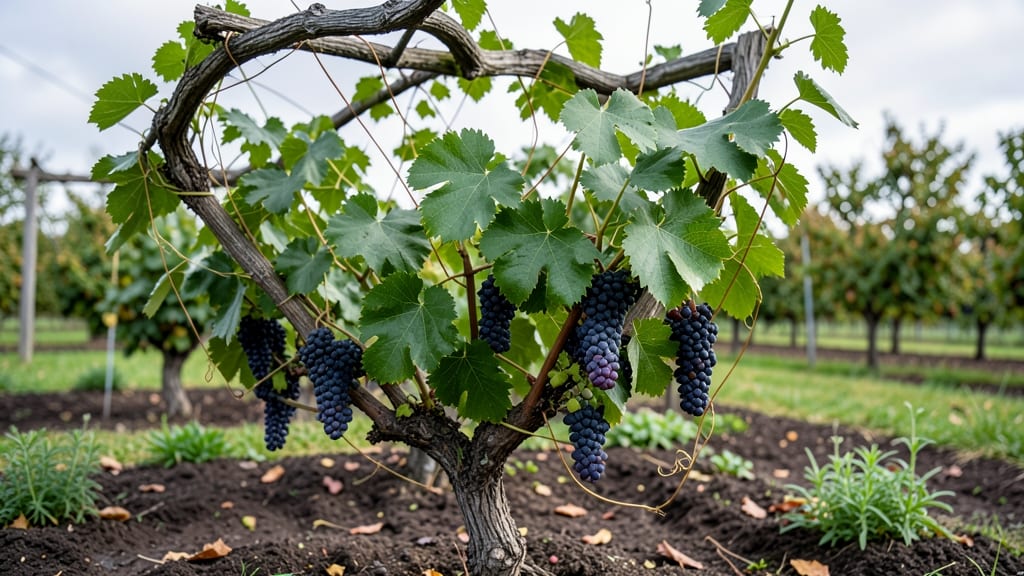
Identifying grapes leaf shape helps distinguish varieties, as their edges range from deeply lobed to smooth, with unique sinus patterns and margin types that vary by species like Cabernet Sauvignon or Chardonnay.
Grape leaves aren't just decorative—their unique lobed structures and margin patterns act like fingerprints for each variety. 🌿 For example, Pinot Noir leaves often have three prominent lobes with jagged edges, while Chardonnay leaves tend to be more rounded with shallow sinuses.
These differences aren't just visual; they're tied to the plant's growth habits and even its disease resistance. I've found that examining the vein patterns and leaf texture can reveal even more about a vine's health and potential fruit quality.
The deeper you look, the more you'll appreciate how these subtle traits influence everything from wine flavor profiles to vineyard management decisions.
What's fascinating is how these leaf characteristics change as the grapevine matures. Young leaves might appear smoother or less defined, while mature leaves develop their full lobed complexity. This progression is crucial for accurate identification, especially when dealing with hybrid varieties or young vines.
For instance, a Cabernet Franc leaf might start with fewer lobes but develop more pronounced indentations as it ages. Understanding this growth pattern helps gardeners and winemakers make better decisions about pruning, pest control, and even grape selection for specific wine styles.
💡 In This Article
- How Grape Leaf Morphology Differs by Variety
- Field Guide: Matching Grape Leaves to Popular Varieties
How grape leaf morphology differs by variety
Grapevine leaves exhibit remarkable diversity in their morphology, with each variety developing distinctive lobed patterns that serve both functional and identification purposes.
The most fundamental distinction lies in the number and depth of lobes, which ranges from three shallow indentations in varieties like Chardonnay to five or more pronounced lobes in Cabernet Sauvignon.
These lobes aren't random—they're influenced by the vine's genetic makeup and environmental factors like sunlight exposure, which can affect leaf development. The deeper the sinus (the V-shaped indentation between lobes), the more the leaf resembles a hand with spread fingers, a trait particularly evident in Syrah varieties.
The margin type provides another critical clue, with some leaves featuring serrated edges (like a sawtooth) in varieties such as Merlot, while others maintain smooth margins seen in Pinot Grigio. This texture isn't just aesthetic—it affects how efficiently the leaf can photosynthesize and transpire water.
The vein pattern also varies, with some leaves displaying prominent parallel veins (like in Gewürztraminer) while others have a more intricate network. These vascular differences influence nutrient distribution within the leaf, which in turn impacts grape quality and flavor development.
What makes this even more fascinating is how these traits correlate with the grape's growth habit and disease resistance. For example, varieties with deeply lobed leaves like Cabernet Sauvignon tend to have better air circulation between leaves, reducing fungal infections.
Meanwhile, smoother-leaved varieties might require more careful vineyard management to prevent moisture buildup. The leaf texture also varies—some leaves are leathery and thick (common in Tempranillo), while others are thinner and more delicate (like in Sauvignon Blanc).
This affects how the vine responds to drought conditions and temperature fluctuations.
Scientifically, these morphological differences stem from variations in the plant hormone auxin distribution during leaf development. Auxin regulates cell elongation and differentiation, which directly influences lobe formation. In varieties with more pronounced lobes, auxin accumulates at the tips of emerging lobes, creating deeper sinuses.
This hormonal control explains why young leaves often appear less defined—the auxin distribution patterns haven't fully established. As the vine matures, these patterns become more pronounced, making mature leaves more reliable for identification purposes.
Consider these key visual distinctions when examining grape leaves:
- Chardonnay: Typically 3-5 shallow lobes with smooth margins and a light green hue
- Cabernet Sauvignon: 5-7 deep lobes with serrated margins and a darker green coloration
- Pinot Noir: 3 prominent lobes with jagged edges and a slightly bluish-green tint
- Merlot: Intermediate between Cabernet and Chardonnay with 3-5 moderate lobes
The leaf base shape also varies—some varieties like Grenache have a heart-shaped base, while others like Sangiovese display a more rounded base. These subtle differences might seem minor, but they're what allow experienced viticulturists to identify varieties from a distance or even in early spring before the grapes have formed.
Understanding these morphological traits isn't just about visual identification; it's about recognizing how each variety's unique leaf structure contributes to its overall growth pattern and fruit production potential. 🌿