
Pests and Diseases
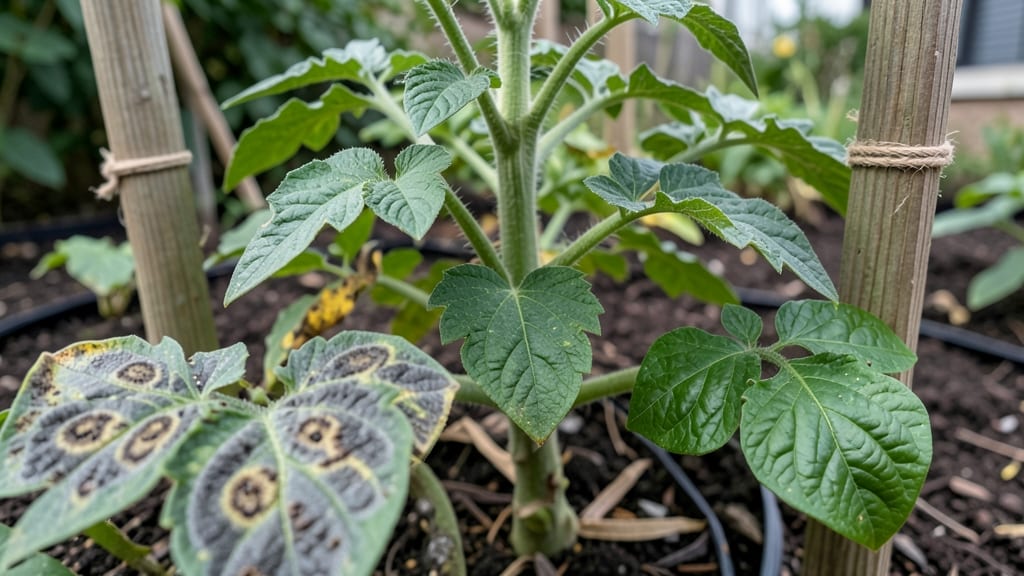
Gray leaf spot on tomatoes turns vibrant foliage into a sad, speckled mess in days. 🌱 I’ve battled this fungal nightmare three summers running, and I’ve finally cracked the code to stop it cold—without harsh chemicals.
The key? Spotting the signs early and acting fast with organic fixes that actually work.
This disease thrives in warm, humid conditions, clinging to wet leaves and spreading like wildfire. The telltale gray spots with yellow halos? That’s your plant screaming for help.
Most gardeners panic and reach for fungicides, but the real solution lies in prevention and targeted organic treatments—like neem oil, copper sprays, and proper spacing to improve airflow.
Within a week, you can revive infected plants and protect your harvest. I’ll show you how to prune strategically, sanitize tools, and even use household items like baking soda to fight back. The goal isn’t just to save the leaves—it’s to save your tomatoes from turning into a fungal buffet.
Works for container gardens, raised beds, or in-ground plots—no matter how bad it looks, this method gets results. Let’s turn those sad spots into spotless revival before your plants give up.
Root Causes Of Fungal Foliar Disease
Gray leaf spot on tomatoes isn’t just a random misfortune—it’s the result of specific environmental and biological triggers that create the perfect storm for Alternaria solani, the fungus behind this pesky problem.
Understanding these root causes is the first step to stopping the spread and saving your plants. Let’s break down the science behind why your tomato leaves are turning into a spotted mess.
The fungus Alternaria solani thrives in warm, humid climates, especially when temperatures hover between 70°F and 85°F (21°C–30°C). Here’s why:
- Spores germinate faster: High humidity (above 70%) keeps fungal spores moist, allowing them to germinate and infect leaves within 24–48 hours. Think of it like a fungal spa—too much humidity, and the spores party all night.
- Slow leaf drying: When nights are warm and damp, water doesn’t evaporate quickly from leaves. This creates a film of moisture that traps spores against the leaf surface, giving them direct access to penetrate plant tissues.
- Stress from heat: Tomatoes already struggle in extreme heat. When they’re heat-stressed, their cuticle weakens, making it easier for the fungus to break through and establish infections.
Actionable insight: If your area is prone to long, sticky summers, improve air circulation around plants (prune, space them out) and avoid overhead watering. Alternaria can’t spread if the leaves stay dry!
Water is the fungus’s best friend—literally. When you water from above, you’re doing three things wrong:
- Splashing spores onto leaves: Soil-borne spores get kicked up by water droplets and land on foliage, where they latch on and start colonizing. It’s like broadcasting fungal seeds onto your plants.
- Creating leaf wetness: Wet leaves stay wet longer, especially in low-light conditions (like under dense canopies). This gives the fungus a 24-hour head start on infection.
- Encouraging root stress: Poor drainage leads to waterlogged soil, which weakens tomato roots. A stressed plant is an open invitation for fungal invaders.
Pro tip: Switch to drip irrigation or soaker hoses to keep water at the base of the plant. If you must water overhead, do it early in the morning so leaves have time to dry before nightfall. 🌅
Tomatoes aren’t just fighting Alternaria solani—they’re also battling nutritional deficiencies, pests, and physical stress. A healthy plant can resist fungal attacks, but when it’s compromised, gray leaf spot moves in like an uninvited houseguest. Common weak spots include:
- Nitrogen deficiency: Leaves turn pale or yellow (a sign of poor health), making them easier targets. Alternaria loves stressed-out, nutrient-starved foliage.
- Over-fertilization with phosphorus/potassium: Too much of these can burn roots and disrupt the plant’s natural defenses. Balance is key!
- Pest damage: Bugs like aphids or spider mites pierce leaves, creating entry points for fungi. It’s like leaving the front door unlocked.
- Transplant shock: Newly planted tomatoes take time to recover. If they’re struggling to establish roots, they’re more vulnerable to infections.
Fix it: Boost plant resilience with compost tea or balanced organic fertilizer (like 5-5-5). Neem oil can also help repel pests that weaken your tomatoes.
Fungal spores are persistent—they can survive in soil for years and hitchhike on tools, gloves, or even your shoes. Here’s how contamination spreads:
- Reused pruners or shovels: If you’ve used the same tools on infected plants, spores can transfer to healthy ones. It’s like sharing a contaminated needle—just not as dramatic.
- Old crop residue: Leaving behind infected plant debris (especially stems and leaves) in the soil feeds the fungus and gives it a place to overwinter.
- Compost made from infected plants: If you composted tomatoes with gray leaf spot, the spores may still be alive and well in the mix.
Prevent it: Sterilize tools with a 10% bleach solution (1 part bleach to 9 parts water) or rubbing alcohol. Remove all plant debris after harvest, and avoid planting tomatoes in the same spot year after year (crop rotation is your friend!).
Now that you know why gray leaf spot crashes your tomato party, the next step is how to kick it out for good. Stay tuned for organic treatments that actually work!
Quick Fixes for Fungal Foliage Fails
If your tomato plants are showing signs of gray leaf spot—those telltale brown or gray spots with yellow halos—don’t panic! With the right approach, you can revive your plants in as little as 7 days and prevent future outbreaks.
Below, we break down practical, organic solutions tailored to the root causes of gray leaf spot, from overwatering to poor airflow. Each fix includes prevention tips to keep your tomato plants thriving long-term.
Gray leaf spot thrives in wet, soggy conditions, so the first step is to cut back on moisture stress.
How to Fix It:
🔥 Adjust Your Watering Schedule
- Water deeply but less frequently—aim for 1 inch of water per week (including rainfall).
- Water early in the morning (before 10 AM) to allow foliage to dry quickly.
- Avoid overhead sprinkling—use drip irrigation or soaker hoses to keep leaves dry.
🍳 Improve Soil Drainage
- Amend heavy or compacted soil with compost, perlite, or coarse sand to enhance aeration.
- If planting in containers, ensure pots have drainage holes and use a well-draining potting mix.
👨🍳 Raise Plant Beds or Use Containers
- If your garden has poor drainage, consider elevated beds or container gardening to prevent waterlogging.
💡 Pro Tip: Mulch around plants with straw or wood chips to retain moisture in the soil while keeping leaves dry.
Once the fungus takes hold, natural fungicides can help stop the spread and boost plant recovery.
How to Fix It:
🔥 Apply Baking Soda Spray (Preventative & Mild Infestations)
- Mix 1 tbsp baking soda + 1 tbsp vegetable oil + 1 tsp mild soap per gallon of water.
- Spray affected leaves and undersides every 7–10 days (especially after rain).
🍳 Use Neem Oil or Copper Fungicide (Moderate to Severe Cases) - Neem oil spray: 1 tbsp neem oil + 1 tsp mild soap per quart of water.
Spray every 5–7 days for 2–3 weeks. - Copper fungicide: Follow label instructions—apply at first sign of spots and after heavy rain.
👨🍳 Prune & Remove Infected Leaves
- Snip off severely infected leaves below the spot (use sterilized pruners with rubbing alcohol).
- Dispose of infected debris in the trash (not compost)—this prevents reinfection.
⏰ Best Time to Treat: Apply fungicides in the early morning or late evening when humidity is lower, and avoid spraying if rain is forecasted within 24 hours.
A strong, healthy tomato plant fights off gray leaf spot more effectively. Focus on nutrient balance, airflow, and stress reduction.
How to Fix It:
🔥 Fertilize with Balanced Organic Nutrients
- Use a low-nitrogen, high-phosphorus fertilizer (like 5-10-10) to strengthen roots and fruit production.
- Avoid high-nitrogen fertilizers, which promote lush, weak growth (more susceptible to disease).
🍳 Encourage Air Circulation
- Space plants 18–24 inches apart (or prune suckers to improve airflow).
- Stake or cage tomato plants to keep foliage off the ground and reduce humidity buildup.
👨🍳 Strengthen with Compost Tea or Fish Emulsion
- Compost tea (1:10 ratio) or fish emulsion (1 tbsp per gallon) boosts beneficial microbes and plant immunity.
- Apply every 2–4 weeks during the growing season.
💡 Pro Tip: Avoid wetting leaves when fertilizing—apply nutrients directly to the soil to prevent fungal growth.
The best defense is a proactive approach—keep your tomato plants disease-resistant with these long-term strategies.
How to Fix It (Prevention Mode):
✨ Choose Resistant Varieties
- Opt for gray leaf spot-resistant tomatoes like:
- Mountain Merit
- Defiant PhR
- Celebrity
🌡️ Rotate Crops Annually
- Avoid planting tomatoes or nightshades (peppers, eggplants) in the same spot for 3–4 years to break the fungal cycle.
🎯 Solarize Soil (For Severe Cases)
- In late summer, cover infected beds with clear plastic for 4–6 weeks to kill fungus in the soil with solar heat.
🔥 Monitor & Act Fast
- Inspect plants weekly for early signs (tiny yellow spots).
- Isolate new plants for 7–10 days before adding them to the garden.
With these targeted fixes, your tomato plants should show significant improvement in 7 days—and with consistent prevention, you’ll enjoy spotless, thriving vines all season long! 🍅✨
Frequently asked questions
What do gray leaf spot symptoms look like on tomato plants?
Gray leaf spot starts as tiny dark brown or gray spots with yellow halos on older leaves. As it spreads, the spots grow larger, turn grayish-white with dark edges, and may develop concentric rings. Severe cases cause leaves to yellow, crisp, and drop prematurely. The key is catching it early—those tiny spots are your first warning sign!
Can I still harvest tomatoes if my plant has gray leaf spot?
Yes, but focus on ripe, healthy-looking fruit first. The fungus primarily attacks leaves, not fruit, so your tomatoes are safe to eat. Remove severely infected leaves to redirect the plant's energy to producing fruit. Just avoid harvesting from plants with stem or fruit lesions—those may be contaminated.
Will gray leaf spot kill my tomato plant?
Not necessarily! While severe cases can weaken plants, gray leaf spot rarely kills mature tomatoes outright. The real damage comes from reduced yield and fruit quality. With proper treatment (like neem oil, pruning, and improved airflow), your plant can recover and still produce a healthy harvest. The key is acting fast before the fungus spreads systemically.
How do I sterilize my garden tools to prevent spreading gray leaf spot?
Clean pruners, shovels, and trowels with 70% rubbing alcohol or a 10% bleach solution (1 part bleach to 9 parts water) between uses. For metal tools, a quick flame sterilization works too. Always wipe down tools after each use—fungal spores can survive on surfaces for months and jump to healthy plants.
Are there any chemical treatments that work faster than organic options?
Yes, fungicides containing chlorothalonil or copper (like Daconil or copper sulfate) provide faster results but require careful handling. For organic gardeners, neem oil or baking soda sprays work well when applied consistently. Chemical treatments stop the fungus immediately but don't build long-term plant resistance—organic methods strengthen your plants naturally.