
Pruning
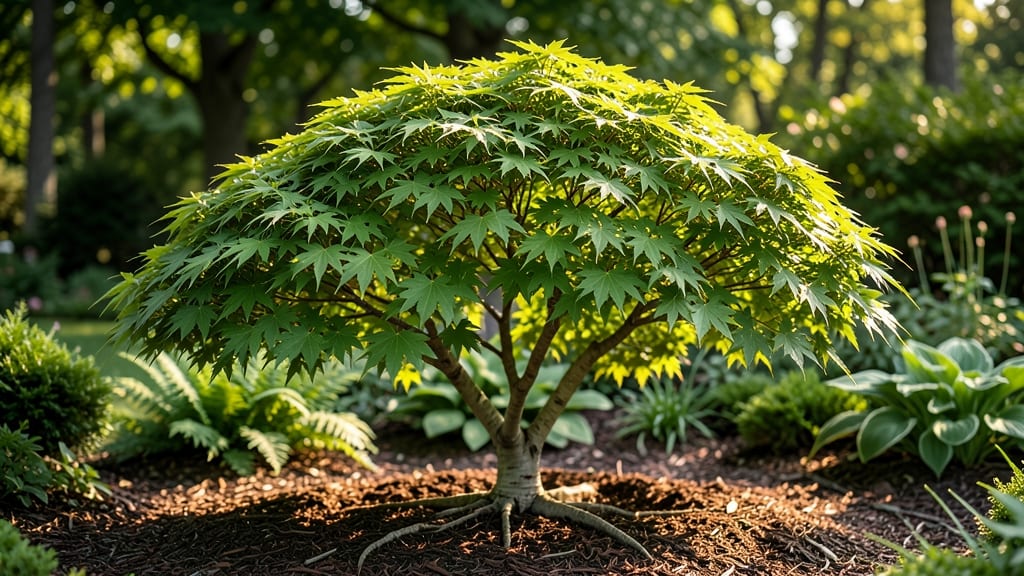
Your green leaf Japanese maple tree (Acer palmatum) could be the star of your garden—if you know the pruning secrets that keep its delicate foliage vibrant year-round. 🌿 I’ve spent years watching these trees transform from leggy underperformers to showstopping centerpieces, and the difference always comes down to timing, technique, and a little patience.
The key isn’t just cutting branches—it’s shaping the tree’s natural growth habit while preserving its signature lush, bright green leaves. Start by removing dead or crossing branches in late winter, then fine-tune the canopy in early summer to encourage bushier growth.
Avoid heavy pruning after mid-summer, or you’ll risk stunted fall color and next year’s blooms.
What you’ll end up with is a tree that stays compact, dense, and disease-resistant—no more sparse branches or yellowing leaves. The foliage will turn a stunning bronze-red in autumn, and the bark’s peeling texture adds winter interest.
Even in small gardens, this variety thrives with minimal fuss once you master the basics.
Works for both container plantings and in-ground landscapes, and adapts well to partial shade. Here’s how to keep yours looking like a pro’s all season long—without the guesswork.
📚 In This Guide
- What you need
- Instructions
- Tips and common mistakes
- Wrapping up and next steps
What you need
- ● Pruning shears (bypass pruners) – Sharp, high-quality shears (e.g., Felco or Fiskars) with a 6-8 inch blade for clean cuts on small branches.
- ● Loppers – For branches ½ to 2 inches in diameter (look for ratcheting loppers for extra power).
- ● Pruning saw – A curved-tooth saw for thicker branches (2+ inches) to avoid tearing the bark.
- ● Disinfectant (70% isopropyl alcohol or pruning sealant) – To sterilize tools between cuts and prevent disease spread.
- ● Gloves (gardening or cut-resistant) – Protect your hands from thorns and rough bark.
- ● Ladder or stool – Adjustable height (6-12 feet) for safe access to higher branches.
- ● Heavy-duty trash bags – For collecting pruned branches (1-2 large bags).
- ○ Sharpie or masking tape + marker – Optional but helpful for marking cuts before pruning.
- ● Hand pruners with anvil blades – For quick cuts on very small branches (if bypass shears aren’t available).
- ● Pole pruners – Extendable shears (10-15 feet) for high or hard-to-reach branches.
- ● Tree wound dressing (e.g., Tanglefoot Tree Wound Pruning Sealant) – Controversial but some gardeners swear by it for large cuts.
- ● Work gloves with touchscreen capability – If you’ll be checking your phone or tablet for pruning guides!
- ● Knee pads or a small stool – For comfort during ground-level pruning.
Step-by-step instructions for pruning a green leaf Japanese maple tree
Here's how I transform a struggling maple into a lush, year-round centerpiece through precise pruning.
✂️ Step 1: Time Your Pruning for Optimal Healing
Japanese maples heal best when pruned during their dormant season—late fall or early spring before buds swell. I always schedule my cuts in late November to early March when temperatures stay above freezing but below 40°F. This timing prevents shock and promotes vigorous new growth in spring.
Never prune during summer heat or winter freezes. You'll see fresh, vibrant growth by late April if you've timed it right—look for new leaves emerging along branches where you made cuts. If you prune too late in spring, the tree may struggle to harden off before winter.
🌿 Step 2: Remove Dead, Diseased, or Crossing Branches First
Start by eliminating any branches that are dead (no green bark when scratched), diseased (mushrooms, discolored cankers), or crossing (rubbing against others). Use sharp, clean pruners to make cuts just outside the branch collar—the swollen area where the branch meets the trunk. This ensures proper healing.
I always work from the bottom up, removing larger branches first. You'll notice how the tree's structure opens up immediately—this is your first reward. For branches thicker than 1 inch, make a second cut 6-12 inches out from the first to prevent tearing. The tree will thank you with stronger growth at the base.
✂️ Step 3: Thin the Canopy for Better Air Circulation
Selective thinning opens the tree's interior to sunlight and air, preventing fungal issues. Aim to remove no more than 25% of the foliage in one session. Focus on branches growing inward or downward—they compete with stronger, upward-growing branches. I look for branches that form a V-shape with another branch; one must go.
Make cuts at the branch collar, not mid-branch. You'll see how sunlight suddenly reaches the center of the tree after thinning. This step is critical for the green leaf varieties—they need light to maintain their vibrant color. If you thin too aggressively, the tree may produce weak, leggy growth.
🌱 Step 4: Shape for Balance and Structure
Step back and assess the tree's natural shape. Japanese maples grow best with a balanced, open center. Use hand pruners for small branches and loppers for thicker stems. I prune to maintain a pyramidal or rounded form, depending on the cultivar. For green leaf varieties, avoid heavy shearing—it encourages dense, dark growth that loses color.
Cut just above a leaf bud or lateral branch to encourage outward growth. You'll notice how the tree's silhouette becomes more elegant after shaping. Avoid cutting into old wood—new growth emerges from current season's growth. If you accidentally cut into old wood, the wound may never heal properly.
💧 Step 5: Post-Pruning Care for Rapid Recovery
Water deeply after pruning to help the tree recover. Apply 1-2 inches of water to the root zone, especially if spring arrives dry. I also top-dress with 2-3 inches of organic mulch (like shredded bark) to retain moisture and regulate soil temperature. Avoid piling mulch against the trunk—keep it 3 inches away to prevent rot.
Monitor the tree for 2-3 weeks post-pruning. You'll see new growth emerge from the pruned areas by late May if conditions are right. If the tree looks stressed (yellowing leaves, wilting), it may need more water or protection from direct afternoon sun during recovery.
Tips & tricks for pruning your green leaf Japanese maple
These pro techniques will help you transform your maple into a stunning year-round focal point without stressing the tree.
Timing is Everything: The late November to early March window isn't just arbitrary—it's when your tree's natural defenses are strongest. I've seen trees pruned in summer struggle with sunburn, while winter pruning can cause dieback. The 40°F temperature threshold is critical: colder than that and the tree's sap flow slows, making it vulnerable to shock. Mark your calendar now for next year's pruning session!
Tool Prep Prevents Problems: Before you cut, clean your pruners with rubbing alcohol to prevent spreading disease between cuts. I've ruined perfectly good tools by leaving sap residue—always wipe them clean after each use. For branches thicker than 1 inch, use a sharp saw to make your first cut, then follow with clean pruners to avoid tearing the bark. This two-step method creates smoother wounds that heal faster.
Visual Cues for Perfect Cuts: When thinning the canopy, look for branches that form a V-shape with others—these are the ones to remove. Think of it like creating a window: you want sunlight to reach the center. For shaping, cut just above a leaf bud or lateral branch—this is where new growth will emerge. If you accidentally cut into old wood (no buds visible), the wound may never close properly, creating an entry point for pests and disease.
Post-Pruning Recovery Boost: After your work, give the tree a deep watering that penetrates 12 inches deep—most garden hoses only wet the top 2 inches. I've seen trees recover beautifully after pruning because of this simple step. The 2-3 inches of mulch should cover the roots but never touch the trunk—this prevents rot while keeping roots cool. Monitor for new growth by late May as your reward for precise work.
Pro Tips for Green Leaf Japanese Maple Tree
- These pro techniques will help you transform your maple into a stunning year-round focal point without stressing the tree.
- Timing is Everything: The late November to early March window isn't just arbitrary—it's when your tree's natural defenses are strongest.
- Tool Prep Prevents Problems: Before you cut, clean your pruners with rubbing alcohol to prevent spreading disease between cuts.
Frequently asked questions
Got questions about keeping your green leaf Japanese maple tree thriving with perfect pruning? You’re in the right place! Here are answers to the most common queries—from timing tips to troubleshooting tricks.
When is the best time to prune a green leaf Japanese maple?
The ideal time is late winter or early spring (before buds swell) to encourage fresh growth. Avoid heavy pruning in fall—it can stress the tree before winter. For minor shaping, prune after flowering (late spring) to maintain its stunning form without sacrificing blooms.
Can I prune my Japanese maple in summer?
Yes, but lightly! Summer pruning is best for removing dead branches or shaping, but avoid heavy cuts—it can trigger sap bleeding and attract pests. Stick to <10% of the canopy at a time, and always use sharp, sterilized tools to prevent disease.
What should I do if my green leaf Japanese maple has yellow leaves?
Yellow leaves often signal overwatering, nutrient deficiency, or fungal issues. First, check soil moisture—Japanese maples prefer well-draining soil. If roots are soggy, reduce watering. For yellowing in patches, test for iron deficiency (common in alkaline soils) and apply a chelated iron supplement. Fungal issues? Prune affected branches below the infection and treat with fungicide.
Are there alternatives to Japanese maples with similar foliage?
If you love the lush green leaves but want variety, consider:
- Bloodgood Japanese Maple – Deep red foliage with similar care needs.
- Dwarf Higan Cherry – Compact size, vibrant green leaves, and spring blooms.
- Katsura Tree – Fragrant foliage and adaptable to partial shade.
- Boxwood (Buxus) – Evergreen option for hedges or topiary.
How do I protect my Japanese maple from winter damage?
These trees are hardy but sensitive to harsh winter winds and salt. Mulch heavily (3–4 inches) around the base to insulate roots. Wrap young trees in burlap if your area gets below 0°F. Avoid pruning in late fall—wait until late winter to prevent winter dieback. Water deeply before the first frost to help roots survive.
Wrapping up and next steps
Pruning your green leaf Japanese maple tree doesn’t have to be intimidating—it’s all about timing, technique, and a little love! 🌿 With the right tools, patience, and the secrets shared here, you’ll unlock year-round vibrancy and a healthier, more stunning tree.
Whether you’re trimming for shape, health, or seasonal renewal, every snip brings you closer to that dream canopy.
Ready to elevate your tree’s potential? Start small—pick one pruning session this season and observe the difference. And if you’re eager to dive deeper, explore seasonal care guides or connect with local arborists for personalized tips. Your green leaf Japanese maple deserves the spotlight—go make it shine! ✨