
Vegetables
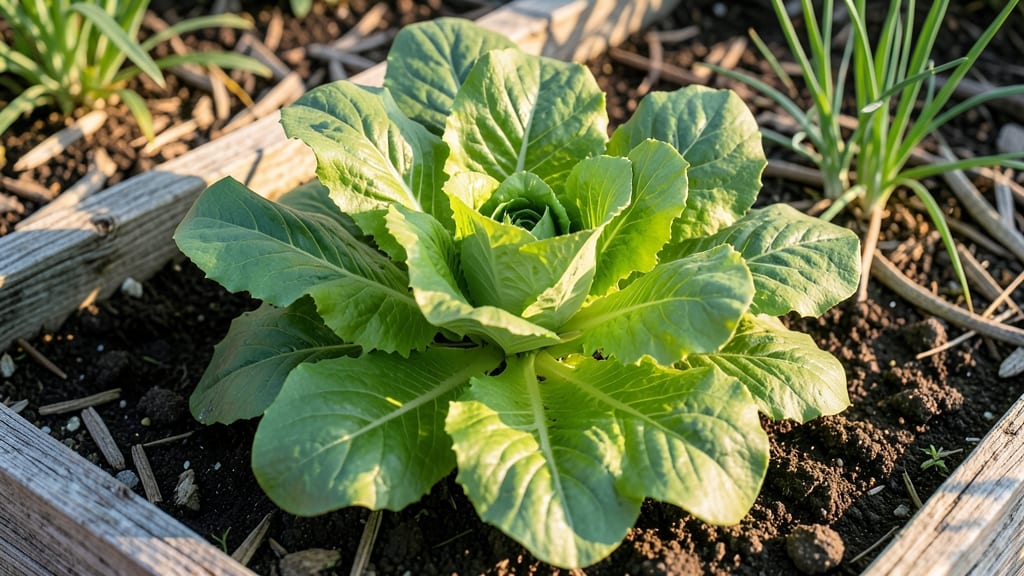
Growing crisp green leaf lettuce in just 30 days feels like cheating—until you try it. 🌱 The secret isn’t fancy soil or constant attention; it’s timing the right cool-season planting window and keeping the leaves happy with simple care.
My first batch surprised me with buttery-tender heads in under a month, and I’ve been hooked ever since.
You’ll need well-draining soil, a sunny spot (or bright windowsill), and a shallow container or garden bed—no deep pockets required. Lettuce thrives when cool, so aim for spring or fall plantings in most climates.
Water consistently but avoid soggy soil, and watch for slugs (they’re the real villains here). With these basics, you’ll harvest plump, crisp leaves faster than you can say “salad night.”
The payoff is worth the effort: homegrown lettuce stays crisp for days, packed with flavor store-bought can’t match. Snip outer leaves as needed, and the plant keeps producing for weeks.
No wilting, no bitterness—just fresh, vibrant greens straight from your garden. Perfect for beginners or anyone tired of sad bagged lettuce.
Works in containers, raised beds, or in-ground plots—even small balconies can grow enough for sandwiches and salads. Here’s how to set it up without the guesswork.
📚 In This Guide
- What you need
- Instructions
- Tips and common mistakes
- Wrapping up and next steps
What you need
- ● Green leaf lettuce seeds: 1 packet (about 200-300 seeds). Choose a fast-maturing variety like Black Seeded Simpson or Salad Bowl for best results.
- ● Growing containers: Option 1: Shallow trays or flats (6-8 inches deep) with drainage holes.
- ● Option 2: Individual pots (4-6 inches in diameter) for transplanting later.
- ● Option 3: Direct sowing spot in a well-draining garden bed (6-12 inches apart).
- ● Potting mix: 1 bag of seed-starting mix or light, well-draining soil (avoid garden soil—it’s too dense!).
- ● Watering can or spray bottle: With a gentle nozzle to avoid disturbing seeds.
- ○ Plant labels: Small stakes or markers to track varieties (optional but helpful!).
- ○ Gloves (optional): To keep hands clean while handling soil.
- ○ Fine-mesh sieve (optional): For sifting soil if you’re sowing seeds directly into trays.
- ● Sunlight access: A spot with 4-6 hours of direct sunlight daily (or a grow light if indoors).
- ● Temperature control: Ideal germination range: 50–70°F (10–21°C). Avoid hotter climates for direct sowing.
- ○ Fertilizer (optional): A balanced, water-soluble fertilizer (5-5-5 or 10-10-10) for transplanting.
Step-by-Step instructions for growing crisp green leaf lettuce
Here's how to grow tender, crisp lettuce heads in just 30 days—no fuss, no fuss, just consistent results.
🌱 Step 1: Prepare the Perfect Seedbed
Choose a location with partial shade during peak afternoon sun—lettuce bolts (goes to seed) when stressed by heat. Work in 2-3 inches of compost mixed into the topsoil to loosen it without disrupting roots. Rake until the surface is fine and level, like a freshly plowed garden bed.
I like to add a thin layer of sand (about ¼ inch) to improve drainage, especially if your soil stays damp. Lettuce roots need oxygen, and heavy clay can suffocate them. Lightly water the bed until the soil is moist but not soggy—think of a wrung-out sponge.
🌱 Step 2: Sow Seeds for Even Germination
Scatter seeds ¼ inch deep, spacing them 1 inch apart in rows 12 inches apart. Press them gently into the soil with your fingertips—don’t bury them deeper, or they’ll take longer to sprout. I use a seed tape for precision, but if sowing by hand, tap the packet gently to release seeds one at a time.
Cover lightly with a thin layer of vermiculite (not soil) to protect seeds from drying out. Water gently with a fine mist until the soil surface looks evenly damp, not glistening. Keep the bed consistently moist until germination—5-7 days—but avoid soaking it.
☀️ Step 3: Thin and Protect Young Plants
When seedlings reach 2 inches tall, thin them to 4 inches apart using scissors to avoid disturbing roots. The goal is no crowding—overcrowded lettuce grows leggy and bitter. Harvest the thinned seedlings as baby greens for salads or compost.
Shade cloth (30-50% coverage) is your best friend in hot climates. Install it when seedlings have 4 true leaves to prevent bolting. Water early morning only—wet foliage in afternoon sun invites fungal diseases. You’ll know moisture is right when the soil feels damp 1 inch down but not wet.
💧 Step 4: Maintain Soil Moisture and Fertility
Water deeply every 2-3 days—lettuce roots are shallow, so aim for 1 inch of water per week. Use a soaker hose or drip irrigation to keep leaves dry. I fertilize lightly with fish emulsion (diluted to ½ strength) every 10 days to avoid overfeeding, which causes bitter leaves.
Watch for yellowing lower leaves—this signals either overwatering or nitrogen deficiency. Adjust by letting the soil dry slightly between waterings or adding a balanced organic fertilizer. Mulch with straw (about 1 inch thick) to retain moisture and suppress weeds without smothering plants.
✂️ Step 5: Harvest at Peak Crispness
Harvest outer leaves when they reach 4-6 inches tall, cutting just above the next set of leaves. This encourages continuous growth and prevents bolting. For full heads, wait until 30 days—they’ll be crisp, tender, and packed with flavor. Harvest on a cool morning after dew has dried for the cleanest cut.
Store harvested lettuce in a plastic bag with a paper towel to absorb moisture. Keep it in the crisper drawer of your fridge, where it’ll stay fresh for 5-7 days. If heads start to loosen, harvest immediately—they’ll wilt quickly once crispness fades.
Tips & tricks for perfect green leaf lettuce
These gardening secrets will help you grow restaurant-quality lettuce heads that stay crisp and tender—no matter your green thumb level.
Soil Preparation is Everything: The 2-3 inches of compost in Step 1 isn't just about nutrients—it's about creating the perfect air-to-water ratio in your soil. Lettuce roots are particularly sensitive to compaction. If your soil feels dense after mixing compost, add an extra ¼ inch of sand to improve aeration. Think of it like fluffing a pillow—roots need room to breathe, especially in heavy clay soils.
Seed Spacing Matters More Than You Think: In Step 2, maintaining that 1-inch spacing between seeds might seem picky, but it's what prevents the bitter flavor that develops when plants compete for nutrients. I've learned the hard way—overcrowded seedlings lead to leggy, tough leaves. Use a ruler or string guide to maintain perfect spacing, especially if you're sowing in rows.
Germination Timing is Critical: Those 5-7 days until germination in Step 2 are a delicate balance. Keep the soil consistently moist but never soggy—this is where most beginners go wrong. I use a spray bottle with a fine mist setting to water seeds, and I check moisture by pressing my finger 1 inch down. If it feels dry, water lightly; if it's damp, wait. Overwatering at this stage can actually prevent seeds from sprouting.
Thinning Technique Saves Your Harvest: When you thin to 4 inches apart in Step 3, use clean scissors to snip at the base rather than pulling seedlings. This prevents disturbing the roots of your remaining plants. The thinned seedlings make excellent baby greens—just rinse them and add to salads immediately. This two-for-one approach maximizes your yield from the same seedbed.
Pro Tips for Green Leaf Lettice
- These gardening secrets will help you grow restaurant-quality lettuce heads that stay crisp and tender—no matter your green thumb level.
- Soil Preparation is Everything: The 2-3 inches of compost in Step 1 isn't just about nutrients—it's about creating the perfect air-to-water ratio in your soil.
- Seed Spacing Matters More Than You Think: In Step 2, maintaining that 1-inch spacing between seeds might seem picky, but it's what prevents the bitter flavor that develops when plants compete for nutrients.
Frequently asked questions
Got questions about growing green leaf lettuce? You’re not alone! Here are some of the most common queries—and their easy answers—to help you grow crisp, flavorful heads in no time.
How long does it take for green leaf lettuce to mature?
Green leaf lettuce is one of the fastest-growing greens! With the right conditions, you can harvest baby leaves in just 30 days, while full-sized heads typically mature in 45-55 days. For continuous harvests, sow seeds every 2-3 weeks—this ensures a steady supply of fresh greens all season.
How often should I water green leaf lettuce?
Keep the soil consistently moist (but not soggy) for the best results. Water deeply once or twice daily in hot weather, and reduce to every other day in cooler conditions. A good rule of thumb: 1 inch of water per week. Use drip irrigation or soaker hoses to avoid wetting the leaves, which can lead to disease.
Can I grow green leaf lettuce in containers or small spaces?
Green leaf lettuce thrives in containers, window boxes, or even hanging baskets as long as the root depth is at least 6-8 inches. Choose a pot with drainage holes and use a high-quality potting mix. For small spaces, try cut-and-come-again harvesting—snip outer leaves and let the inner ones regrow!
What pests should I watch out for, and how do I prevent them?
Green leaf lettuce is a magnet for pests like aphids, slugs, and flea beetles. To keep them at bay:
- Use row covers to block flying insects.
- Handpick slugs at night (they’re most active then!).
- Spray leaves with neem oil or a soapy water solution for aphids.
- Interplant with herbs like basil or chives to deter pests naturally.
How do I harvest green leaf lettuce without killing the plant?
Green leaf lettuce is perfect for cut-and-come-again harvesting! Use a sharp knife or scissors to snip outer leaves just above the base, leaving the inner growth intact. For full heads, cut the entire plant 1-2 inches above the soil when mature. With proper care, you can get multiple harvests from a single planting!
Wrapping up and next steps
Growing green leaf lettuce is a rewarding and low-maintenance way to enjoy fresh, crisp greens year-round—no green thumb required! 🌱 With just a few simple steps, you’ll harvest vibrant leaves in just 30 days, perfect for salads, wraps, or garnishes.
Whether you’re a beginner or a seasoned gardener, this fast-growing crop proves that homegrown food can be both easy and delicious.
Ready to dive in? Start by gathering your supplies, then follow the step-by-step guide to sow, nurture, and harvest your lettuce like a pro. Your kitchen—and taste buds—will thank you! 🥗✨